Imagine crouching beside an ancient rock face in northern Minnesota, running your fingers over a dark band of stone that actually contains the fossilized remains of microbes that lived nearly two billion years ago. Most people walk past geological formations without a second thought. Yet hidden within these ancient layers of rock, especially across parts of the United States, lies some of the most astonishing biological evidence our planet has ever offered.
You might think the story of life’s beginnings belongs to faraway places. Greenland, Australia, South Africa. Yet some of the most scientifically important formations sit right here in North America, some even crossing into US territory, quietly telling the story of life’s very first whispers. Let’s dive into what makes these geological formations so remarkable, and why they continue to reshape everything scientists thought they knew.
The Gunflint Iron Formation: A Landmark Discovery in Minnesota
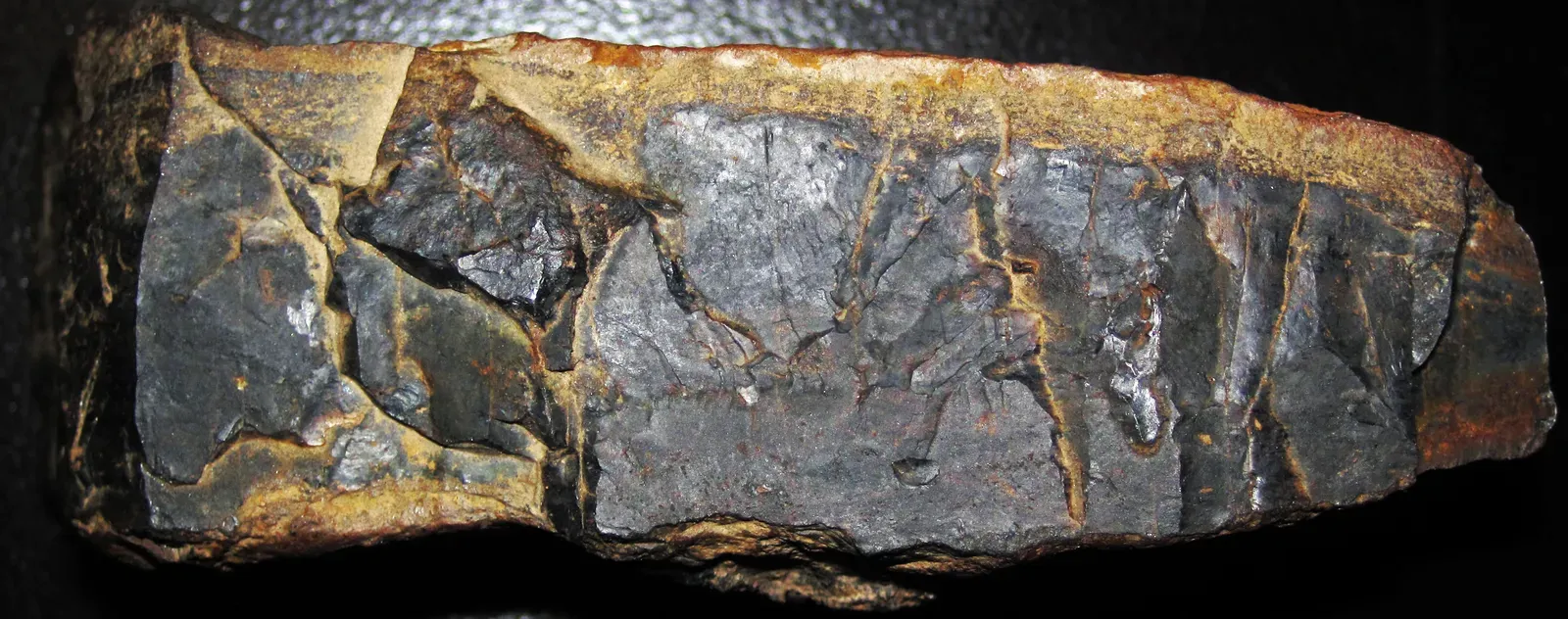
Here’s the thing: before 1954, most scientists assumed the Precambrian world was essentially lifeless. Prior to 1950, little was known about the Precambrian history of life, principally because there were no fossils to provide the necessary information. Then came a game-changing moment. The Gunflint Iron Formation, exposed as the Gunflint Range, spans northwestern Ontario and northern Minnesota along the shores of Lake Superior. This US-bordering formation shattered the scientific consensus almost overnight.
At the time of its discovery in the 1950s, it was the earliest form of life discovered and described in scientific literature, as well as the earliest evidence for photosynthesis. The black layers in the sequence contain microfossils that are 1.9 to 2.3 billion years in age. Think about that for a moment. Nearly two billion years of waiting, locked inside dark chert, and it took human curiosity and a microscope to finally give those tiny organisms their long-overdue recognition.
Microfossils can be found in the stromatolitic chert layers, consisting of cyanobacteria, algal filaments, spore-like spheroids, and organic-rich ooids. Even more striking is what the Gunflint discovery triggered scientifically. The publication of two seminal papers opened the floodgates to a vast array of paleontological and geochemical studies to explore Precambrian microfossils from similar Proterozoic environments. You could call it the fossil rush of the twentieth century.
Banded Iron Formations and What They Tell You About Early Life
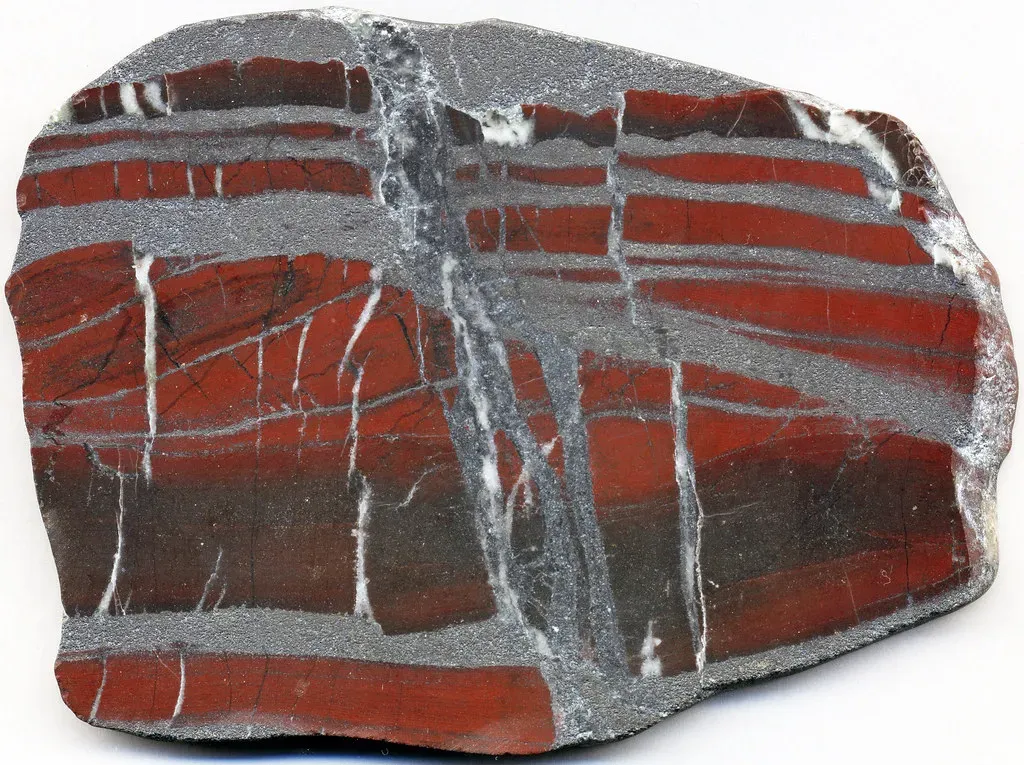
Banded Iron Formations, or BIFs, are one of Earth’s oldest and most intriguing geological records, providing a fascinating window into the planet’s early atmosphere, oceans, and the dawn of life. Formed between 3.8 and 1.8 billion years ago during the Archean and Proterozoic eons, BIFs are known for their distinct alternating layers of iron-rich minerals and chert or silica, which lend them their characteristic striped or “banded” appearance. Honestly, if you’ve ever seen one in person, it’s beautiful in a way that almost feels unreal.
The Iron Range is a group of four major deposits: the Mesabi Range, the Vermilion Range, the Gunflint Range, and the Cuyuna Range. All are part of the Animikie Group and were deposited between 2500 and 1800 Ma. These formations, many found across the Great Lakes region of the United States, are not just iron ore reserves waiting to be mined. BIFs serve as a geological record of one of Earth’s most critical transitions: the rise of oxygenic photosynthesis and the gradual oxygenation of the atmosphere, paving the way for more complex life forms. They are, in the truest sense, Earth’s autobiography, written in iron and stone.
Stromatolites: The Oldest Known Biological Structures
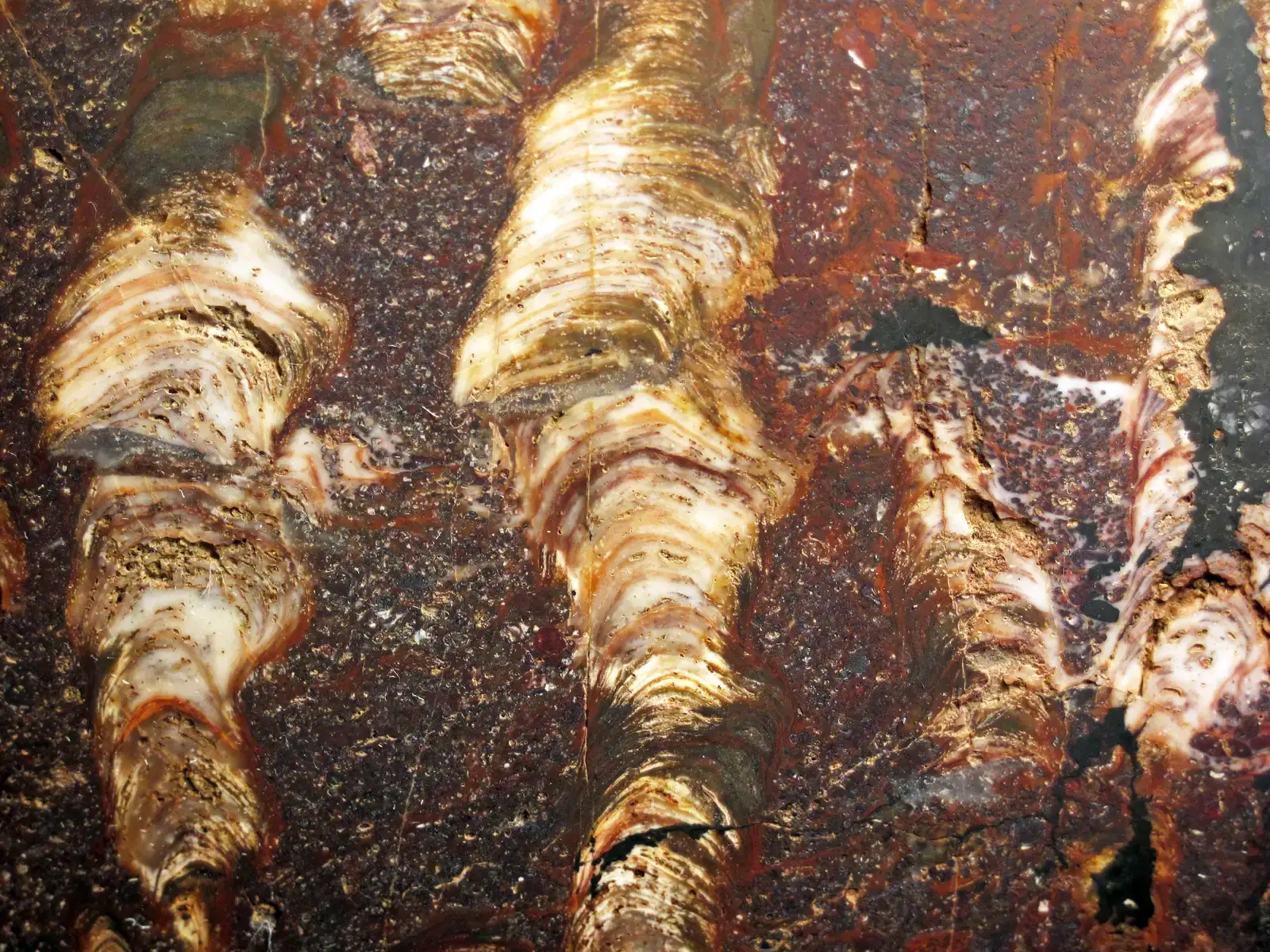
Evidence of microbes was also preserved in the hard structures called stromatolites, which date to 3.5 billion years ago. Stromatolites are created as sticky mats of microbes trap and bind sediments into layers. Minerals precipitate inside the layers, creating durable structures even as the microbes die off. You can think of stromatolites like the world’s oldest apartment buildings, built layer by layer, millennium by millennium, by some of the tiniest tenants that ever existed.
Stromatolites are a major constituent of the fossil record of the first forms of life on Earth. They peaked about 1.25 billion years ago and subsequently declined in abundance and diversity, so that by the start of the Cambrian they had fallen to 20% of their peak. Their decline is itself a story of biological competition. Stromatolites occur widely in the fossil record of the Precambrian but are rare today. Very few Archean stromatolites contain fossilized microbes, but fossilized microbes are sometimes abundant in Proterozoic stromatolites. Rare, yes. Extinct, absolutely not.
Carbon Isotopes as Chemical Fingerprints of Ancient Biology
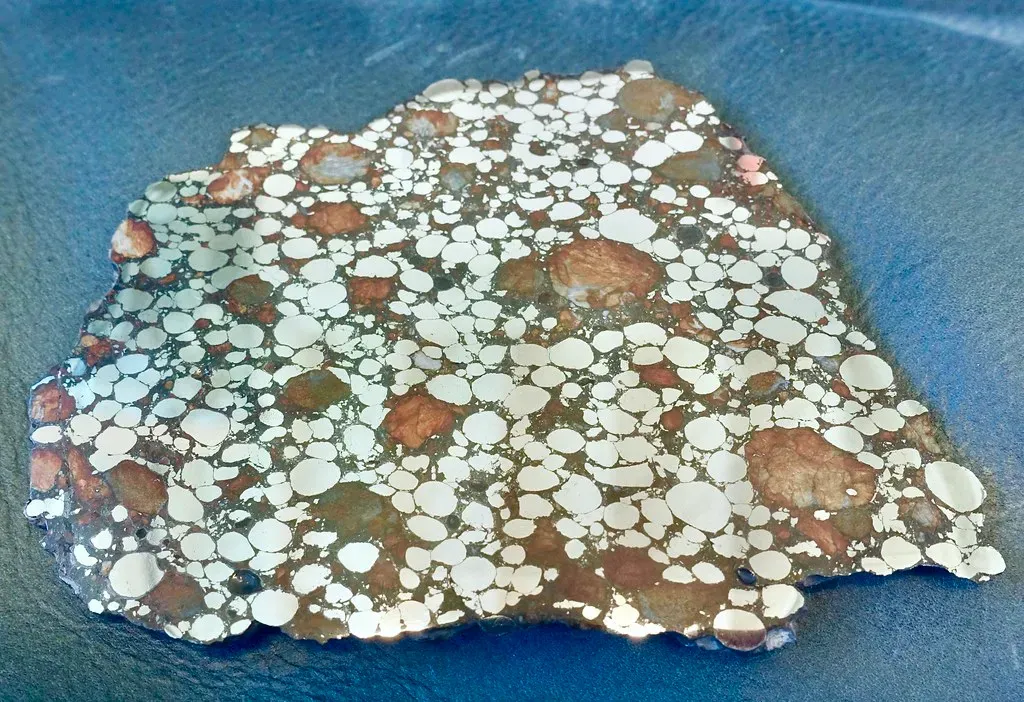
The geologic record shows evidence for early life in two ways: carbon isotopes, and fossil stromatolites. The isotope evidence significantly predates the fossils. This is where science gets quietly astonishing. The chemistry of ancient rocks can effectively tell you whether a living organism once touched them. When organisms ingest carbon, they preferentially use one isotope over another. The radioactive form won’t remain over a long time period. Carbon with a high ratio of the lighter isotope compared to the heavier one is therefore an indicator of living processes.
Additional support comes from sulfur isotope fractionation patterns, evidence of microbial sulfur metabolism, as well as preserved lipid biomarkers, molecular fossils of cell membranes, and redox-sensitive minerals like uraninite and pyrite that hint at early microbial redox processes. Even in the absence of visible fossil structures, these chemical traces help scientists reconstruct when specific metabolic pathways, such as sulfur reduction or anaerobic respiration, emerged, and how they influenced early Earth environments. It’s remarkable, honestly. You don’t even need a bone or a shell. The chemistry itself confesses the presence of life.
Microfossils: Tiny Bodies, Enormous Scientific Weight
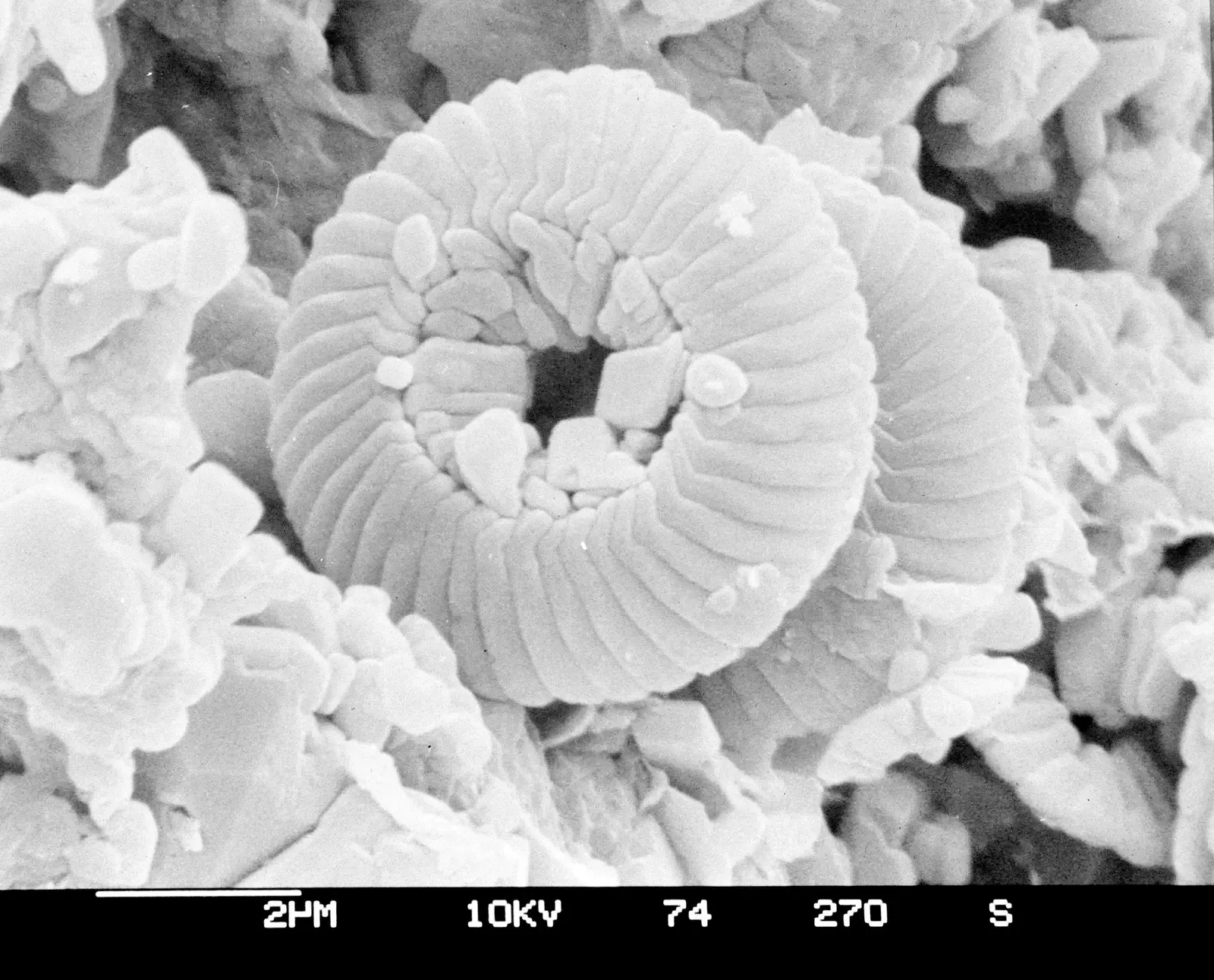
Traces of microbial life, chemical fingerprints and tiny structures fossilized in ancient rocks tell us about the deep microbial past. These microbial fossils, mostly prokaryotic in nature, hold keys to understanding how life on Earth began and how it evolved in its earliest stages. The challenge, though, is that these structures are almost incomprehensibly small. Rock samples may be altered by temperature and pressure over time, fossilized cellular shapes can resemble abiotic mineral structures, and chemical traces in ancient rocks can have both biological and non-biological origins. Distinguishing life from rock is harder than it sounds.
Magnetite crystals identifiable as bacterial products have been found in rocks as old as two billion years, and at a size of a few hundred millionths of a meter, these hold the record for the smallest fossils. Let that sink in. The smallest fossils ever discovered fit within a space you couldn’t see with the naked eye. The results prove the possibility of distinguishing materials of biological origin from materials of non-living origin with over 90 percent accuracy. Impressively, these methods teased out chemical patterns unique to biology in rocks as old as 3.3 billion years. Science just keeps pushing the boundary further back.
The Great Oxidation Event: When Microbes Changed Everything
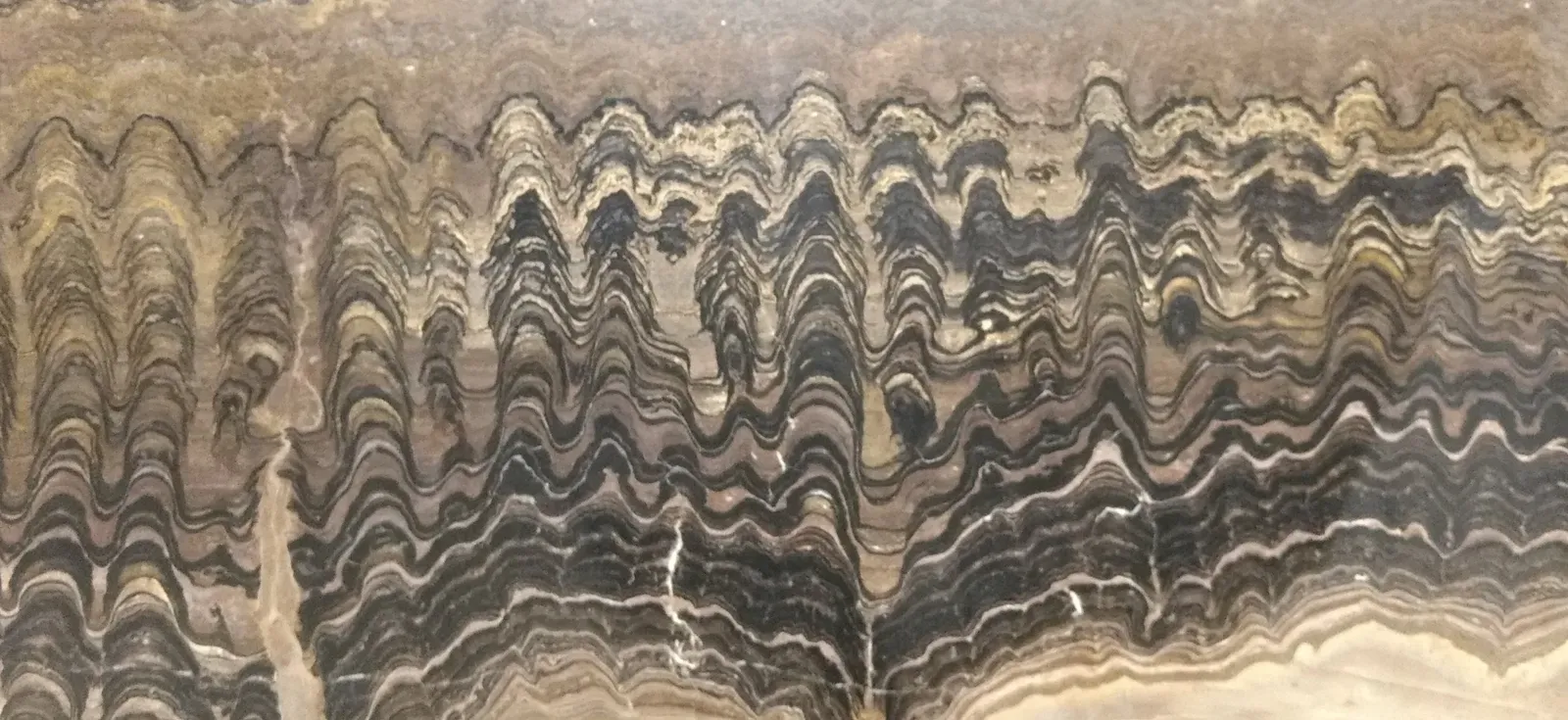
When cyanobacteria evolved at least 2.4 billion years ago, they set the stage for a remarkable transformation. They became Earth’s first photosynthesizers, making food using water and the Sun’s energy, and releasing oxygen as a result. This catalyzed a sudden, dramatic rise in oxygen, making the environment less hospitable for other microbes that could not tolerate oxygen. You could argue this was the most consequential biological event in Earth’s entire history. A microscopic organism flipped the planetary switch.
Evidence for this Great Oxidation Event is recorded in changes in seafloor rocks called Banded Iron Formations, or BIFs. The geological record of the United States, particularly around the Great Lakes region, carries direct physical evidence of this atmospheric revolution. Banded iron formation provided some of the first evidence for the timing of the Great Oxidation Event, 2,400 million years ago. In other words, when you look at an iron-banded rock in Minnesota, you are staring at the moment Earth learned to breathe.
What These Formations Mean for the Search for Life Beyond Earth
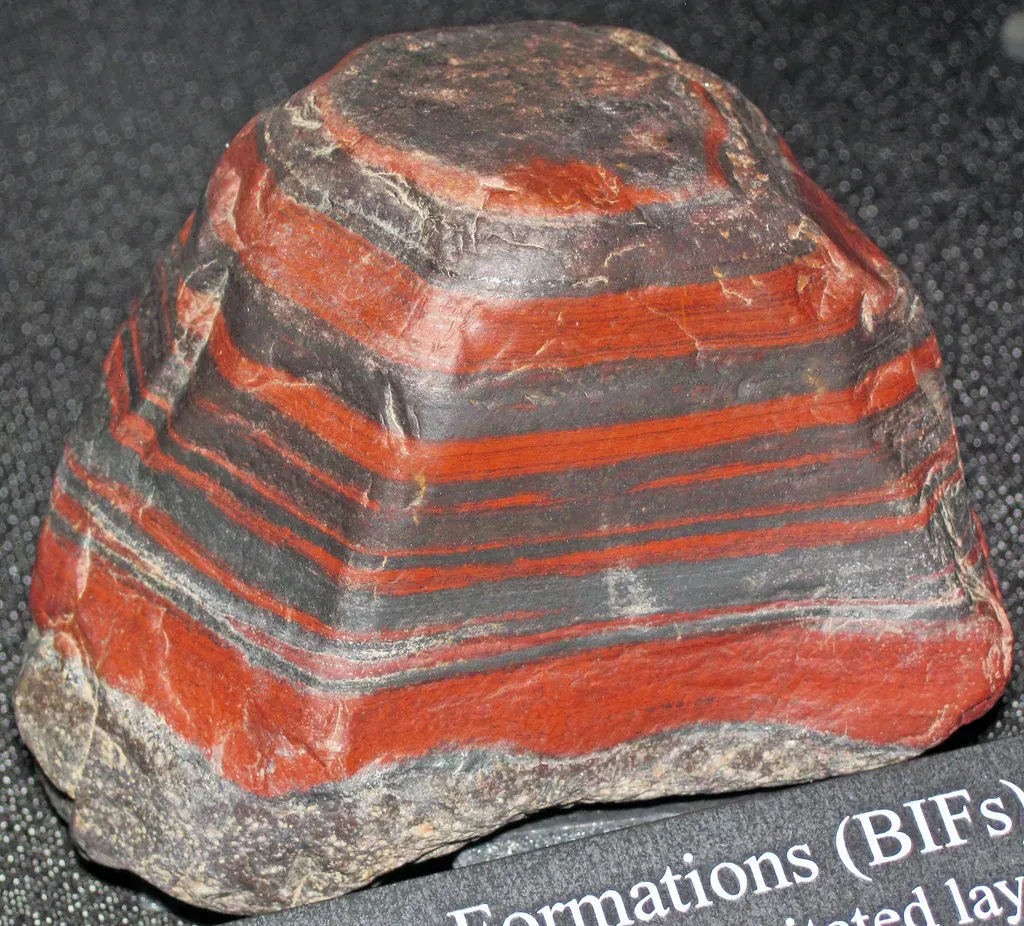
Today, BIFs are no longer forming because the current levels of oxygen in the ocean and atmosphere prevent the dissolved ferrous iron from accumulating. However, studying BIFs provides scientists with a framework for understanding similar processes that might occur on other planets or moons with liquid water. For example, researchers exploring Mars have considered BIFs as an analog when searching for signs of ancient life or water on Mars. The rocks beneath your feet in Minnesota are literally a guidebook for hunting life on other planets. That’s not poetry. That’s science.
Paleobiologists who search for signs of Earth’s most ancient life have long relied mainly on fossil organisms, including microscopic fossils of single cells and filaments, and the mineralized remains of cellular structures such as microbial mats and mound-like stromatolites, which provide convincing evidence of life as far back as 3.5 billion years ago. Together, chemical and fossil clues show not only that life emerged early in Earth’s history, but also that it rapidly diversified to exploit a range of energy sources in a changing environment. If life found a way under those extreme early-Earth conditions, the universe starts to feel a lot less empty.
Conclusion: The Ground Beneath You Has a Story to Tell
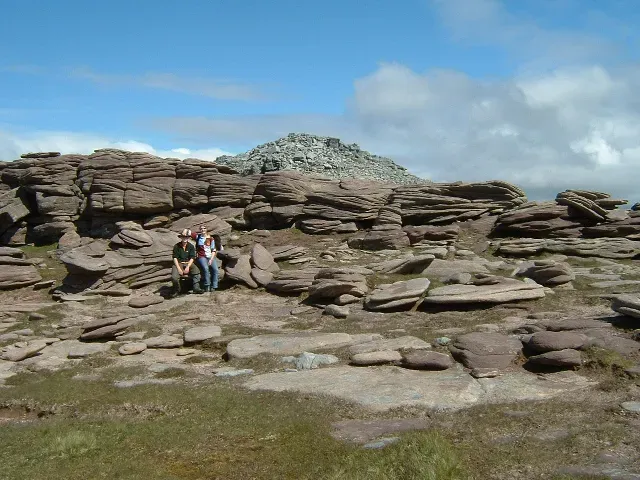
The formations scattered across the United States, from the iron-banded lakeshores of Minnesota to the chemical fingerprints locked in ancient stone, are far more than geological curiosities. They are direct, physical testimony to the tenacity of life. Life that thrived before oxygen. Life that changed the air we now breathe. Life so small it fits in a microscope frame, yet so significant it rewrote an entire planet’s future.
What’s genuinely humbling is that much of this evidence sat quietly in plain sight for billions of years before we developed the tools to read it. To address some of these challenges, researchers are probing less-studied parts of the world and developing more refined tools to better understand the origins of life as we know it. Every new technique pushes the story further back, makes it richer, more surprising. The rocks have always been talking. We are only just learning to listen.
The next time you drive past an exposed rock face or hike across ancient stone, consider what might be preserved inside. Billions of years of biological history, written in carbon and iron and silence. You might be standing next to the oldest autobiography ever written. What would you do if you knew how to read it?