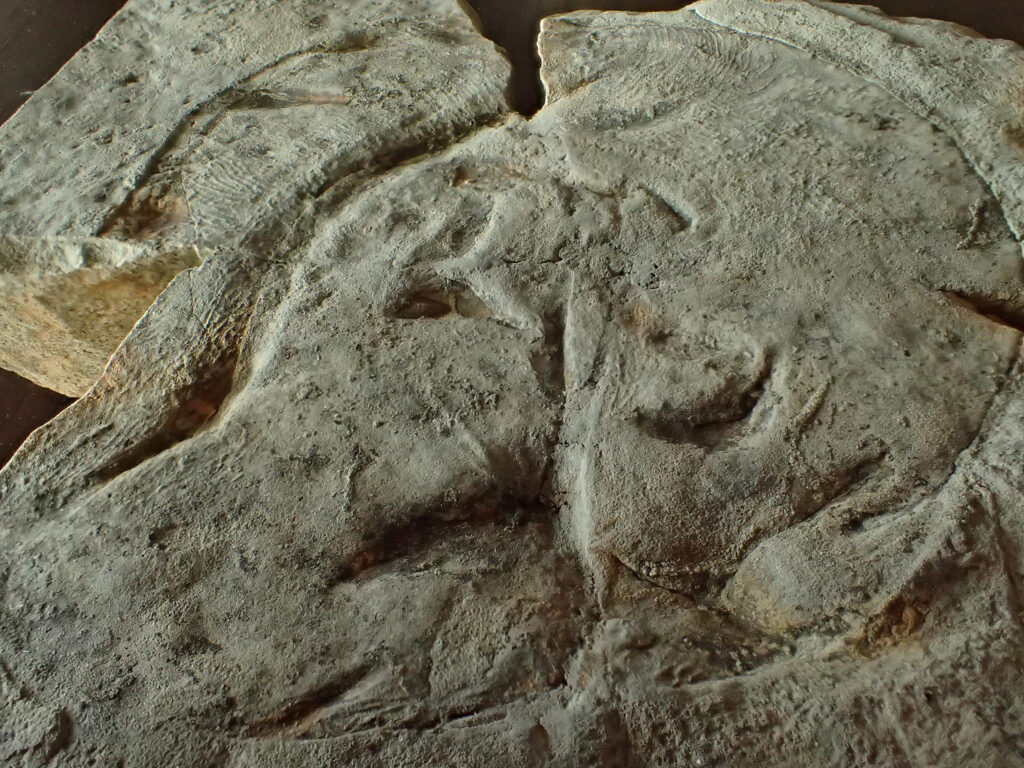
Yunnan Province, China – Researchers uncovered over 700 exquisitely preserved fossils that upend long-accepted views on the origins of complex animal life. Dating to approximately 539 million years ago at the close of the Ediacaran Period, these specimens showcase creatures with three-dimensional body plans and advanced features once attributed solely to the subsequent Cambrian era. The find emerged from roadside exposures near Jiangcheng, initially spotted amid algal remains during field expeditions starting in 2022.
Unexpected Diversity in a Transitional World
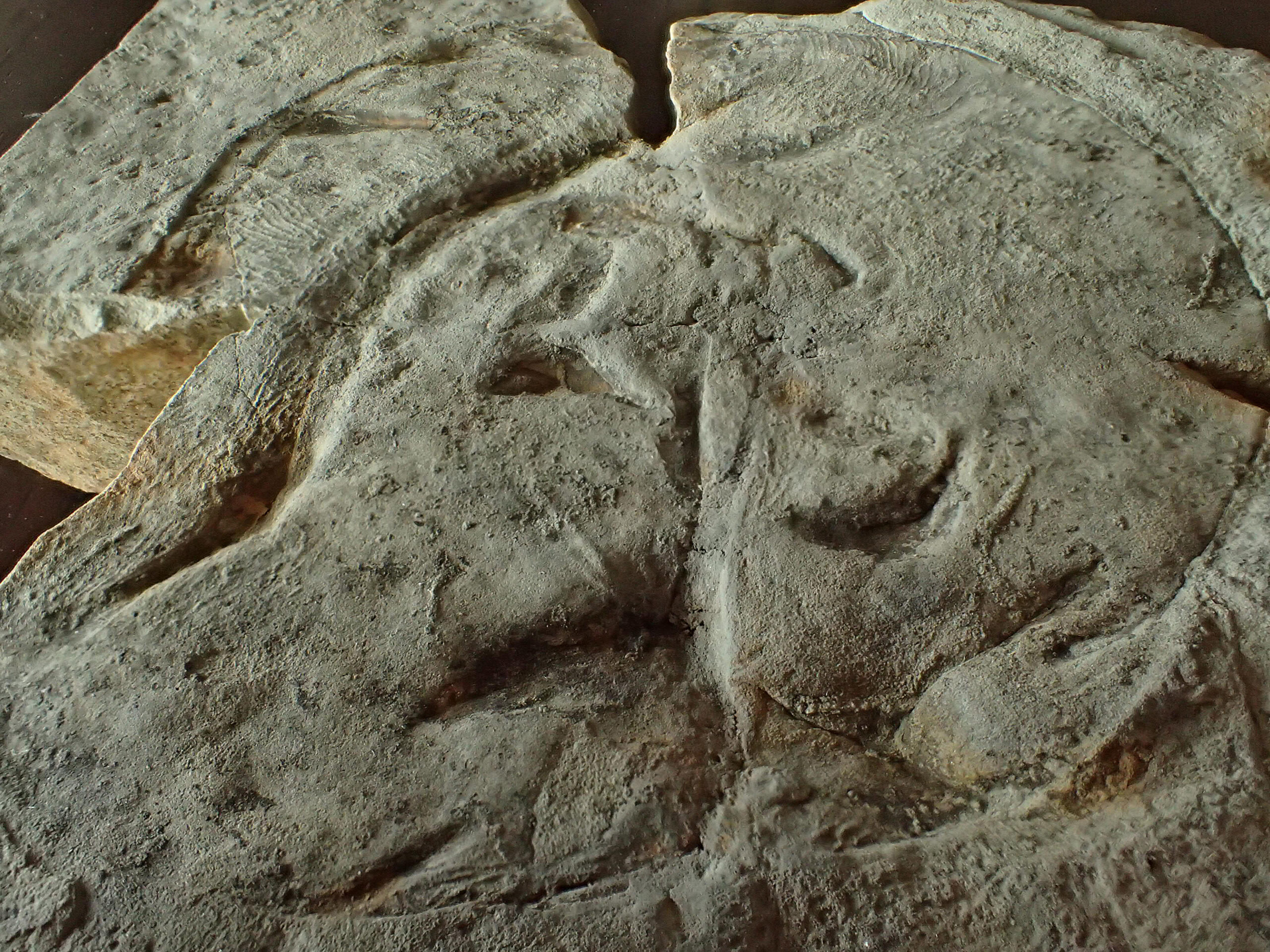
Unexpected Diversity in a Transitional World (Image Credits: Upload.wikimedia.org)
Paleontologists led by Gaorong Li of Yunnan University stumbled upon the trove while hunting for simpler Ediacaran algae. What began as puzzling fragments evolved into a rich assemblage during joint efforts with Oxford University experts in 2024. The site’s pristine preservation captured soft-bodied organisms in remarkable detail, offering unprecedented insights into seafloor communities.
Frankie Dunn, a paleontologist at Oxford’s Museum of Natural History, described the haul as some of the most significant early animal fossils in decades. “It was unlike anything I’ve ever seen,” she noted, highlighting the site’s rarity. This collection not only documents a shift from flat, enigmatic forms to more dynamic life but also populates a previously sparse record with evidence of thriving ecosystems.
A Gallery of Bizarre Precursors
The fossils depict an array of alien-like animals that anchored to the sediment or extended into the water column. Dominant among them stand the “bugle worms,” tall cylindrical bilaterians over 180 specimens strong, each with a disc-shaped base and an extendable flag-shaped proboscis for feeding. These upright forms marked a departure from the two-dimensional sprawl typical of earlier Ediacaran life.
Other standout examples include:
- Sausage-shaped worms with end-positioned mouths and possible feeding appendages, hinting at mobility and predation.
- Haootia-like structures resembling inverted martini glasses with tentacles, echoing early muscle-bearing cnidarian relatives from 560 million years prior.
- Cambroernids, coiled-bodied deuterostomes akin to modern sea cucumbers and vertebrate ancestors.
- Basket-like stalked creatures and tube-like forms perforated with holes, reminiscent of Cambrian oddities like Margaretia.
- Fingerlike organisms with tentacles and non-bilaterian disks, blending symmetry types.
Such variety underscores a burgeoning complexity, with bilateral symmetry—a hallmark of most modern animals, including humans—already widespread.
Undermining the Cambrian Explosion Myth
Conventional wisdom held that the Cambrian Explosion, spanning roughly 541 to 513 million years ago, ignited the sudden diversification of animal phyla with shells, limbs, and predation. Prior Ediacaran records featured only four known bilaterian species, suggesting a sparse prelude. These Yunnan fossils, however, reveal dozens of complex lineages predating that burst by at least four million years.
Gaorong Li’s team detailed the findings in Science, arguing for transitional communities that laid the groundwork for Cambrian dominance. The presence of deuterostomes and advanced feeders implies evolution proceeded gradually, defusing notions of an overnight revolution. “Cambrian-type animal communities did not appear suddenly,” Li stated.
Aligning Fossils with Genetic Clues
The discovery resolves the longstanding “rocks versus clocks” debate. Molecular clocks, derived from DNA mutation rates, predicted common ancestors for humans and starfish in the Ediacaran, yet fossil evidence lagged. Now, physical specimens match those timelines, showing bilaterians diversified amid rising oxygen and ecological shifts.
Dunn emphasized the broader impact: “We go from a two-dimensional world, and within the geological blink of an eye, animals have diversified.” Interactions like sediment churning and predation forever altered Earth’s biogeochemistry, paving the way for today’s biosphere. Experts anticipate years of analysis to place these forms precisely on the tree of life.
As research progresses, the Jiangchuan Biota promises to illuminate not just when but how animal complexity unfolded. This pivotal moment, once shrouded in mystery, now stands clearer through these ancient imprints.
Key Takeaways
- Over 700 fossils from late Ediacaran Yunnan document upright, symmetric animals predating the Cambrian by millions of years.
- Bugle worms and kin reveal transitional traits like proboscises and bilateral symmetry in diverse lineages.
- The find bridges genetic predictions and fossil records, suggesting a gradual buildup to life’s explosive diversification.
What do you think about this shift in evolutionary history? Share your thoughts in the comments.