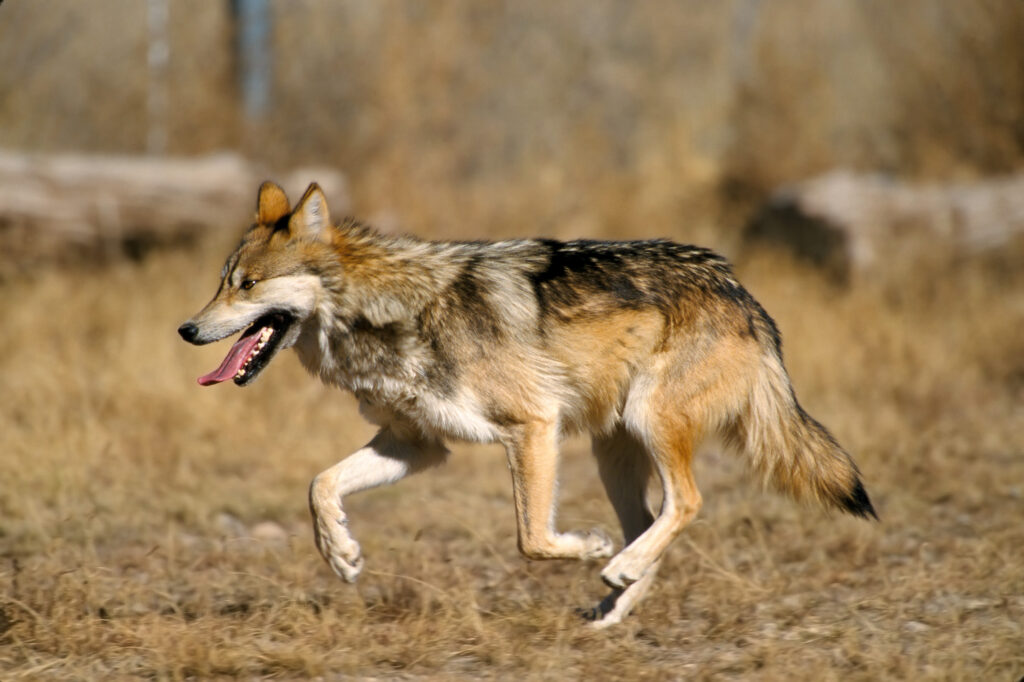
Cincinnati, Ohio – The Cincinnati Zoo & Botanical Garden nears completion of a modern Mexican wolf habitat integrated into its primary visitor loop. This strategic addition enhances public awareness of the species’ ongoing recovery while providing essential space for wolves held in North American zoos. The initiative reinforces the zoo’s pivotal role in the Association of Zoos and Aquariums’ SAFE program dedicated to saving Mexican wolves from extinction.
A Dramatic Turnaround from the Edge of Extinction
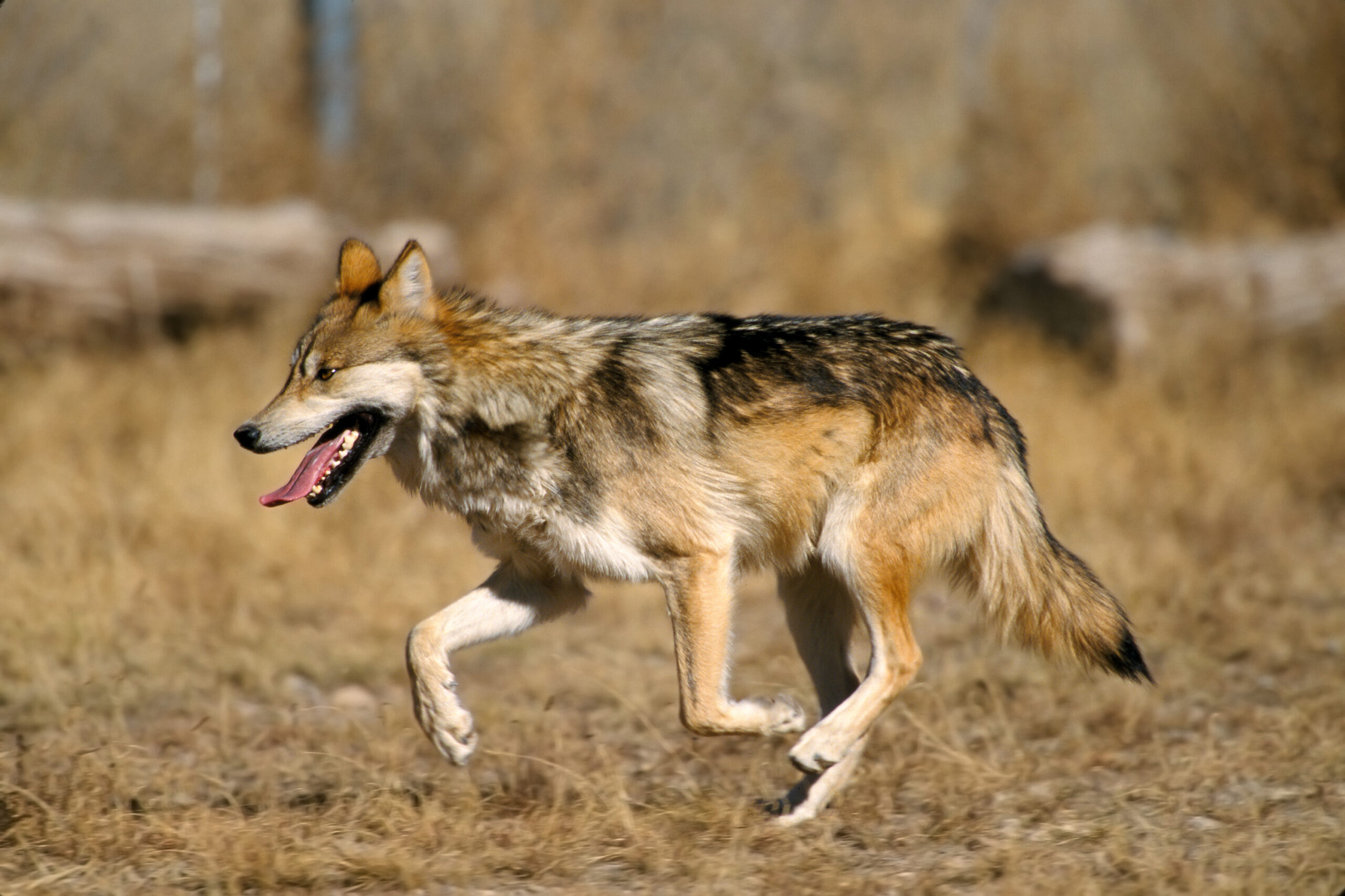
A Dramatic Turnaround from the Edge of Extinction (Image Credits: Upload.wikimedia.org)
Conservationists once feared the Mexican wolf faced total disappearance, with only seven survivors remaining in captivity. Dedicated breeding and reintroduction programs changed that trajectory dramatically. Facilities including the Cincinnati Zoo collaborated with more than 60 partners over two decades to nurture the population toward roughly 700 individuals today.
These efforts transformed a dire situation into a beacon of hope for endangered carnivores. The zoo’s long-term commitment underscores how managed care populations serve as vital reservoirs for species recovery. Visitors will soon witness this progress firsthand in the new enclosure.
Innovative Fostering Techniques Fuel Wild Population Growth
For the past decade, reintroduction strategies centered on a clever method known as fostering. Zoo staff placed newborn pups from captive litters into dens of wild wolf mothers already raising their own young. This approach infuses fresh genetic diversity into free-ranging packs with minimal disruption to nearby human residents.
Adult wolf releases posed greater risks, including conflicts with people. Fostering proved gentler and more effective, allowing pups to imprint on wild behaviors early. The technique has accelerated growth in designated U.S. recovery areas.
Shifting Focus to Human Communities in Wolf Habitats
Leaders in the SAFE Mexican Wolf Program, alongside the Cincinnati Zoo, now emphasize coexistence between wolves and people. Sustainable conservation demands support from local residents whose livelihoods depend on shared landscapes. Without community buy-in, wolf recovery efforts falter amid tensions over livestock predation.
This holistic strategy recognizes that wolves thrive only where humans tolerate their presence. Programs now prioritize economic stability for ranchers and families in wolf territories. Such measures build long-term alliances essential for the species’ future.
Cross-Border Partnership with Fundación Tonkawa
The Cincinnati Zoo partners with Fundación Tonkawa, a community-led group in Chihuahua, Mexico, to promote wolf-human harmony. Tonkawa intervenes in conflicts between wildlife and ranchers while engaging locals in population monitoring. Their model fosters empathy for both predators and people through transparent collaboration.
Key elements of their work include:
- Workshops that equip ranchers with conflict mitigation tools.
- Joint monitoring initiatives sharing responsibility with communities and authorities.
- Community events benefiting families, building trust via honest dialogue.
- Capacity-building programs that stabilize local economies alongside wolf protection.
These steps ensure wolves and humans share Chihuahua’s vast landscapes sustainably. The partnership exemplifies how zoo-led initiatives extend impact globally.
The Cincinnati Zoo’s habitat expansion and alliances like the one with Fundación Tonkawa signal a robust path forward for Mexican wolves. True success lies in balancing ecological restoration with human needs, proving conservation evolves beyond enclosures.
Key Takeaways:
- Mexican wolf numbers rose from 7 to about 700 through zoo breeding and fostering.
- New Cincinnati Zoo habitat supports SAFE program capacity and education.
- Community partnerships in Mexico prioritize coexistence to sustain wild populations.
As these efforts unfold, the Mexican wolf edges closer to a stable wild presence. What steps can more communities take to support such recoveries? Share your thoughts in the comments.