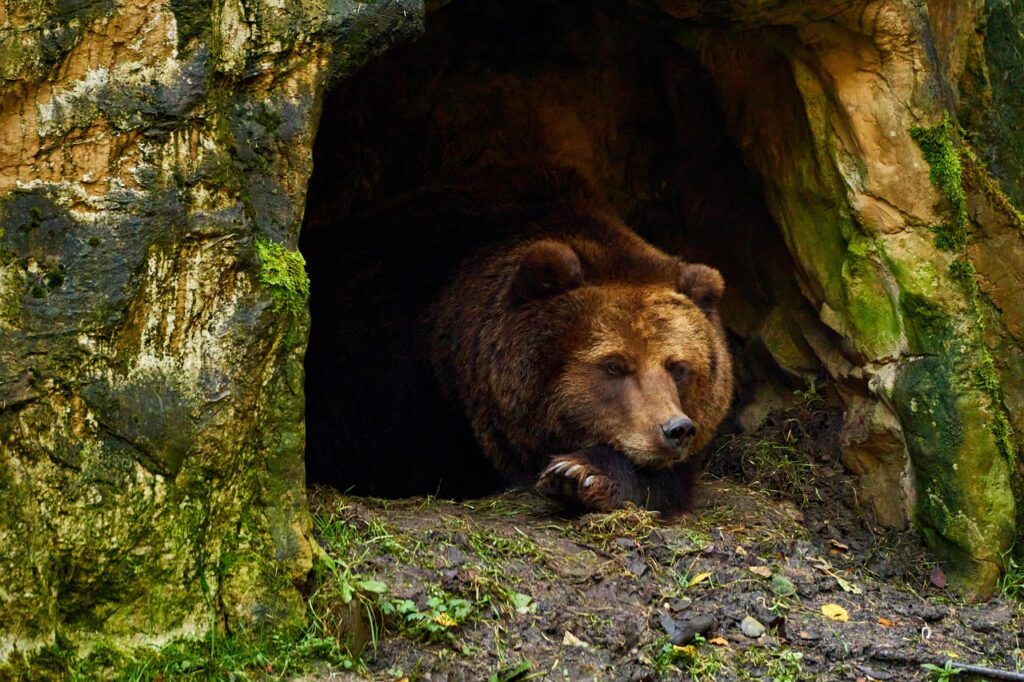
Dalarna county, Sweden – International volunteers are playing a pivotal role in conserving the nation’s brown bears by mapping and protecting their essential winter dens and summer resting spots.
Brown Bears’ Remarkable Comeback Faces Fresh Hurdles

Brown Bears’ Remarkable Comeback Faces Fresh Hurdles (Image Credits: Pixabay)
Sweden’s brown bear population once dwindled to about 100 individuals in the early 1900s, but dedicated conservation efforts lifted numbers to nearly 3,000 in recent years.
Hunting quotas, which permit the removal of up to 20 percent of bears annually, brought the count down to roughly 2,400 by 2025. Government targets aim for a stable population of 1,400, a figure many experts consider insufficient and a step toward unsustainable trophy hunting. As bears expand into former habitats, disturbances from forestry, infrastructure, and recreation threaten breeding success and heighten human-wildlife conflicts. Precise knowledge of den locations has become crucial to mitigate these risks.
Pioneering Project Harnesses Volunteer Power Since 2019
A citizen science initiative launched in Dalarna county in 2019 has empowered volunteers worldwide to assist scientists from the Scandinavian Brown Bear Research Project.
Participants survey remote forests and wetlands, using GPS data from collared bears to pinpoint dens and day beds without causing disruption. This long-term study, one of the world’s most enduring on brown bears, relies on annual contributions of den coordinates, scat samples, and other field data. The approach not only fills critical information gaps but also fosters public engagement in wildlife protection.
Upcoming Expedition Calls for Dedicated Helpers
Biosphere Expeditions will lead a 10-day fieldwork session from May 25 to June 3, 2026, in Dalarna’s rugged terrain.
Teams of up to 12 adults with moderate fitness levels will base operations in Mora, tackling challenging hikes to document sites. No prior scientific expertise is required; training covers mapping techniques, scat analysis, and camera trap deployment amid rising bear losses from hunts. Volunteers contribute directly to habitat safeguards during the sensitive post-denning period when mothers and cubs emerge.
- Locate and GPS-tag winter dens and summer day beds
- Collect scat samples for genetic and health analysis
- Deploy camera traps to monitor bear activity
- Assess sites for disturbance risks from human activities
- Support data integration into national research databases
Real-World Impacts and Expert Insights
The project has delivered substantial datasets that inform habitat protections and conflict prevention strategies over six years.
Undocumented dens remain vulnerable, underscoring the need for expanded efforts. Dr. Matthias Hammer, founder of Biosphere Expeditions, emphasized, “Knowing where bears den and rest is essential for effective conservation. Accurate den data help protect breeding sites and reduces the likelihood of conflict between people and bears.” Dr. Andrea Friebe, the lead expedition scientist, added, “Every year we need people who are interested in volunteering with animals to help us with our field work such as mapping bear dens, finding bear day beds and scats.”
Key Takeaways
- Sweden’s bears recovered dramatically but face hunting pressures and habitat threats.
- Citizen science since 2019 provides vital den data for one of the longest bear studies globally.
- Volunteers can join the May 2026 expedition to make a tangible difference.
This initiative demonstrates how collective action can sustain a conservation success story. As bear populations stabilize, ongoing volunteer support will prove indispensable. What role do you see for citizen science in wildlife protection? Share your thoughts in the comments.