Conservation biologists have long searched caves, mines, and trees for bat habitats, but remote cliff faces remained largely unexplored. About a decade ago, experts at Colorado State University recognized that rock climbers could provide access to these hard-to-reach spots. Through innovative partnerships, climbers now report bat sightings, filling critical gaps in knowledge about these flying mammals. This collaboration promises to refine wildlife protection strategies across diverse landscapes.
Bats in Unexpected Places Spark New Interest
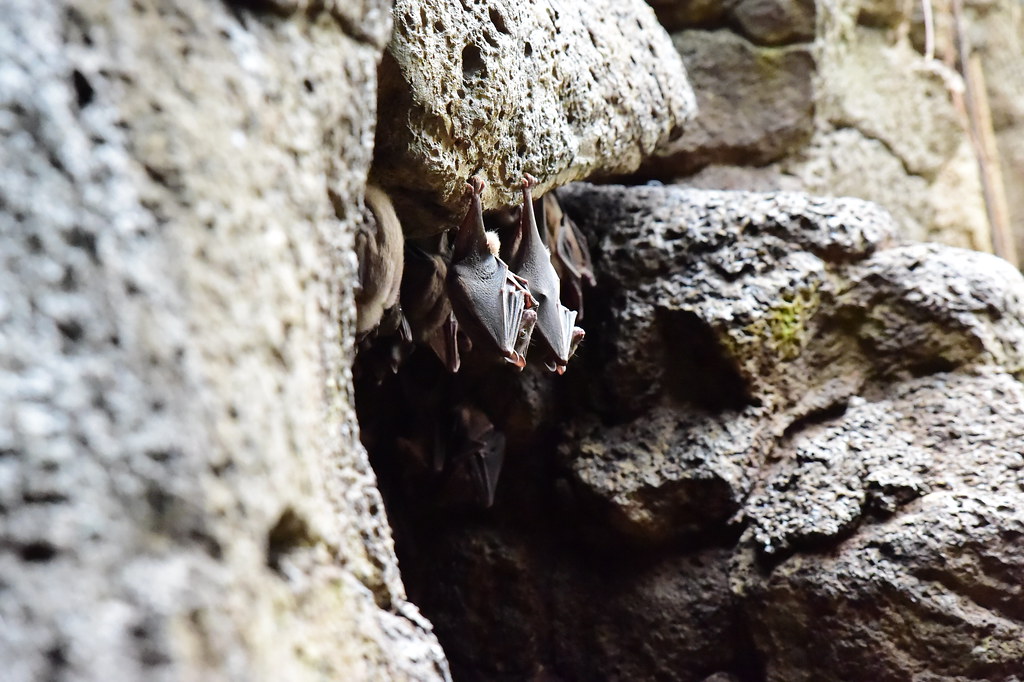
Bats in Unexpected Places Spark New Interest (Image Credits: Flickr)
Robert Schorr, a conservation biologist with 31 years studying bats, noticed something intriguing around 10 years ago. Bats appeared to roost in narrow cliff cracks, areas overlooked by traditional surveys. Previously, researchers focused on caves, trees, buildings, and mines, missing these vertical habitats. Schorr’s observation led to a shift in approach, highlighting how everyday adventurers could contribute to science.
Climbers frequently scale sheer rock walls, peering into crevices that serve as handholds. These spots often house bats unnoticed by those passing through. Such discoveries challenge earlier assumptions that most bat species avoided open cliffs. The partnership leverages climbers’ unique vantage points to document roosts in places biologists rarely visit.
Birth of the Climbers for Bat Conservation Project
Schorr co-founded the Climbers for Bat Conservation initiative to harness this potential. The project invites climbers to report sightings via a dedicated database. Participants share details from locations across the United States, Mexico, Cuba, and even Kenya. To date, the database holds over 400 records, offering valuable data on bat distributions.
Emily Gross, a PhD student at Colorado State University and avid climber, plays a key role. She bridges the worlds of climbing and wildlife research. Gross promotes the effort at climbing festivals through booths and conversations. Biologists also explore advanced methods, such as hiring climbers for targeted surveys or deploying thermal cameras on cliffs. Schorr himself took up climbing to better understand these environments.
Survey Reveals Climbers’ Attitudes and Hurdles
Gross conducted interviews and a survey at the Red River Gorge climbing festival in Kentucky, a known bat conservation area. Her findings, published in Conservation Science and Practice, identified key barriers to participation. Many climbers forget to report sightings, face poor cell service in remote areas, or worry about how data might limit access. Fears stem from past closures due to protections under the U.S. Migratory Bird Treaty Act of 1918, often triggered by raptor nests.
Despite these concerns, climbers demonstrated strong pro-environmental views. Groups like the Red River Gorge Climbers’ Association exemplify this by conserving land while preserving routes. Gross noted, “Climbers have a long history of conflict with natural resource management taking away climbing access,” but they also support conservation. Participants access areas biologists lack time or funding to survey regularly.
Navigating Risks While Building Momentum
The collaboration uncovers new roosts, including bats in handhold crevices at Red River Gorge. Climbers’ tendency to avoid deep cracks may even minimize disturbances. However, challenges persist, such as data bias toward popular climbing zones. Schorr acknowledged, “We are reporting where climbers are, so we may just be describing what climbers like.”
Potential risks include spreading white-nose syndrome, a fungus deadly to cave-dwelling bats, or harming bats with climbing noise like anchor drilling. Best practices, such as minimizing vegetation trimming near cliffs, already aid habitats. Future efforts focus on improving reporting tools, studying roost preferences like crack orientation, and partnering with landowners for deeper research.
Key Takeaways
- Over 400 bat sightings documented, expanding knowledge of cliff roosts.
- Climbers’ pro-conservation mindset overcomes participation barriers.
- Ongoing work addresses biases and risks to ensure sustainable gains.
This climber-biologist alliance demonstrates how unconventional teams advance wildlife science. Bats emerge as more charismatic than stereotypes suggest, roosting in tiny cliff nooks worldwide. As databases grow, conservation measures will better protect these vital species. What role could your hobbies play in local wildlife efforts? Share your thoughts in the comments.