The Bill, Sussex – An enthusiast kicked off a recent day with a companion for birdwatching before turning to garden preparations and insect monitoring.
Rare Visitor Breaks the Routine at the Bill
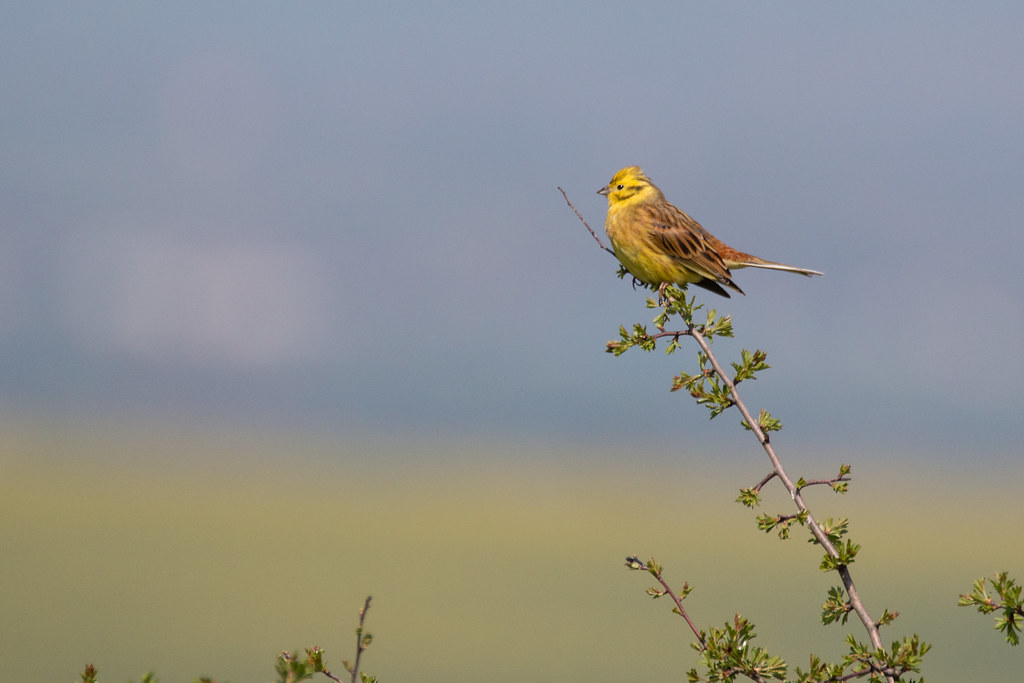
Rare Visitor Breaks the Routine at the Bill (Image Credits: Flickr)
A Yellowhammer appeared at the Bill, marking an uncommon sighting for the coastal headland where such birds thrive inland on the Peninsula but rarely venture to the tip.
Other highlights included Great Northern Diver, Black-throated Diver, and Red-throated Diver. Fulmars soared overhead, while regular seaducks dotted the waters. A pair of Sandwich Terns added to the mix. The full checklist captured these moments.
Night Recordings Boost Local Lists
Noc-mig equipment captured nocturnal activity, including a Little Grebe that became a garden first. Barn Owl emerged as a year tick, alongside Teal, Coot, Redwing, and what sounded like Egyptian Goose.
These detections pushed the garden species total to 116 and the local patch year list to 132.Noc-mig details. A Tawny Owl call from the previous evening at a nearby Airbnb caravan prompted the setup. Such tools help track migration patterns invisible by day.
Gardening Blends Sustenance with Habitat Creation
After a brief, quiet stop at Ferry,checklist here, attention shifted homeward. Rows of potatoes went into the ground using saved tubers from last season. Sweetcorn, tomatoes, chillies, peppers, and flowers received sowing in the conservatory propagator.
Winter survivors like garlic, carrots, and spinach persisted in beds. Rhubarb peeked through near the fence. Perennial fruits such as strawberries, blackcurrants, redcurrants, and lovage occupied one bed. Plans called for sweetcorn, peas, and pulses in another, with potatoes in pots.
- Fruit tree hedge along the perimeter endured the winter intact.
- Early spring bulbs, primroses, daisies, and lesser celandines emerged in lawns and front garden.
- A deliberately unkempt ‘ditch’ preserved hollow stalks for insect larvae, yielding Sussex’s second record of Mompha divesella last week.
Rodents had raided stored seeds, forcing new purchases despite aims for crop chaining. Enhanced security will follow next season. Reptile food benefited from the spinach harvest.
Moth Traps Yield Early Season Stars
The twin actinic trap held the year’s first Clouded Drabs and a Twin-spot Quaker, plus Common and Small Quakers. An afternoon MOL lure nabbed two Early Oak Piercers, Pammene giganteana.
This micro-moth boasts only 16 prior Sussex records,Sussex Moth Group, and appears to be a Peninsula first. The year’s moth tally reached 16 species. Letting hedges grow wild and adding meadow areas aims to bolster insects and breeding birds over time.
Key Takeaways
- Coastal spots like the Bill deliver surprises such as Yellowhammer amid divers and terns.
- Home setups for noc-mig and traps expand species lists and detect rarities.
- Wildlife-friendly gardening supports self-sufficiency while fostering local biodiversity.
These efforts illustrate how individual monitoring and habitat tweaks contribute to broader wildlife awareness. What steps do you take to invite nature into your space? Share in the comments.