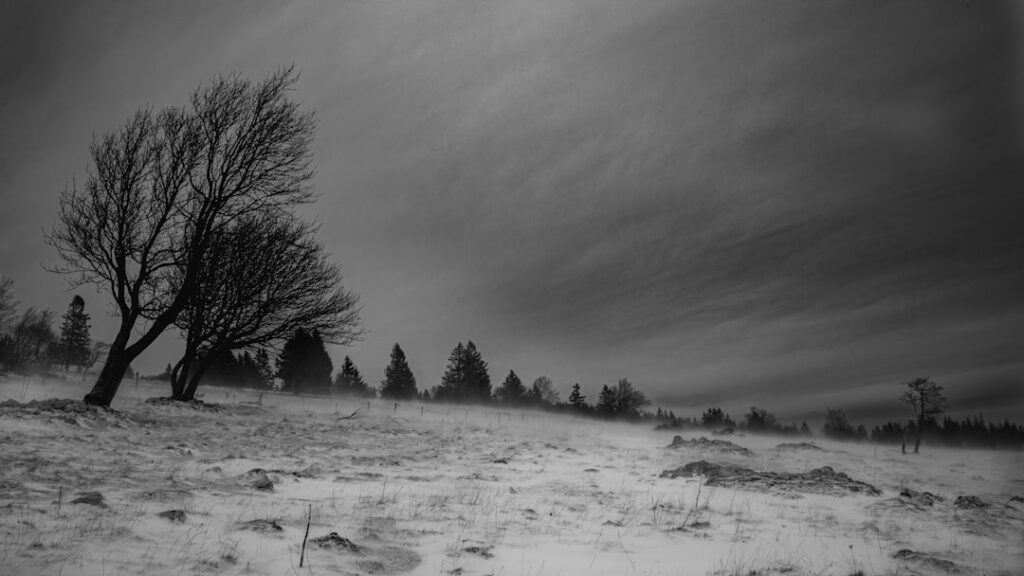
A sharp return of winter chill has tempered the first stirrings of migratory activity among birds and moths on the Peninsula.
Last Mild Night Yields Moth Treasures
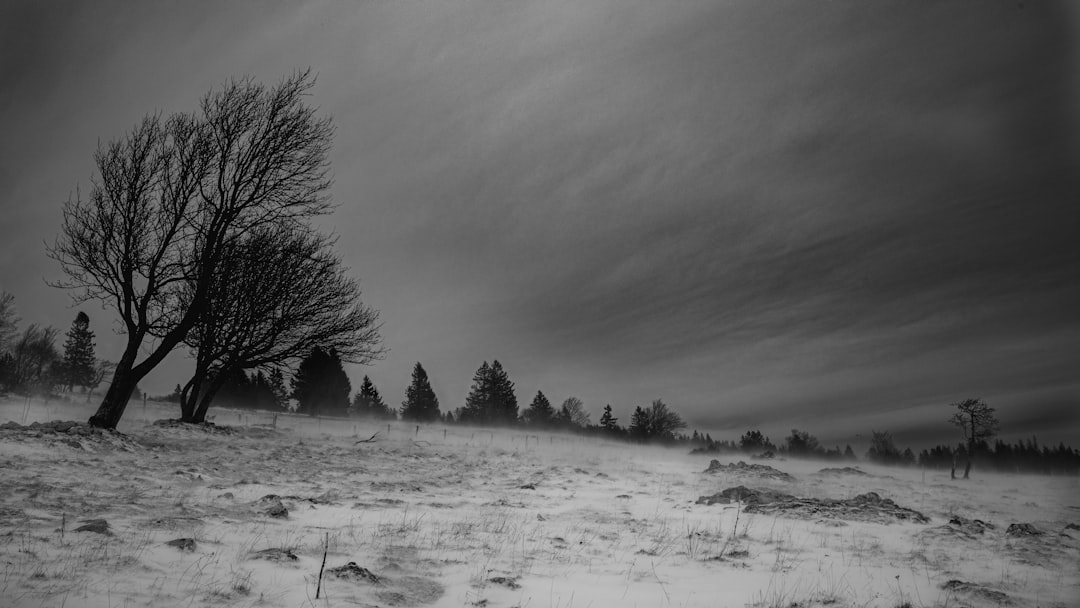
Last Mild Night Yields Moth Treasures (Image Credits: Unsplash)
Observers recorded around 20 individual moths during Wednesday night’s final relatively warm evening, signaling a brief window of activity before colder conditions set in.
The standout find was the season’s first Red Chestnut, alongside a Chestnut specimen. Twin-spot Quaker also appeared, while Dotted Border moths showed up in notable numbers this spring. These sightings brought the garden’s yearly moth species tally to 23. Such records highlight the delicate balance of early-season monitoring amid fluctuating weather.
Bird Migration Feels the Freeze
A nocturnal migration recording session on March 10 produced slim results, with key detections including Oystercatcher, Teal, Coot, and Redwings. Full details appear in the eBird checklist.
Strong winds and dropping temperatures the following day further slowed bird movements across the area. Yesterday’s blustery conditions evoked winter more than spring, prompting observers to skip routine moth trapping. Overall migration patterns have noticeably decelerated as a result.
Weather Forecast Signals Ongoing Challenges
Tonight’s temperatures hover near 4 degrees Celsius under a cool westerly wind laced with northerly gusts. Such conditions mirror the unpredictable shifts that define transitional seasons.
Fieldwork has grown disheartening, leading naturalists to pivot toward indoor tasks. Efforts now include garden maintenance, database updates, and advancing a draft for the latest Dutch Birding paper. Reading and music composition fill the gaps left by subdued outdoor pursuits.
Outlook Points to Potential Rebound
Progress remains slow, yet anticipation builds for the next influx of migrants. Tuesday promises improved prospects, though travel commitments to London may limit on-site observations.
Local enthusiasts continue logging data, underscoring the value of persistent records in tracking annual patterns. Common species like Dotted Border demonstrate resilience, appearing frequently despite the chill.
- Red Chestnut: First of the year.
- Chestnut: Notable capture.
- Twin-spot Quaker: Single record.
- Dotted Border: Several individuals this spring.
- Total garden species: 23 for the year.
Key Takeaways
- Cold snaps like this one disrupt early migration timing for both moths and birds.
- Citizen science tools such as noc-mig and moth traps provide critical data during lean periods.
- Mild evenings remain vital for capturing seasonal firsts amid weather volatility.
As winter lingers unexpectedly, these observations remind us of nature’s rhythmic unpredictability and the dedication required to document it. What impacts have recent weather shifts had on wildlife in your area? Share your thoughts in the comments.