Human activity accelerates species loss at rates unseen in modern history. Colossal Biosciences, a Dallas-based biotech pioneer, responded with the announcement of its BioVault initiative in February 2026. This massive cryopreservation facility aims to store genetic material from over 10,000 threatened animals, offering a potential lifeline through advanced preservation techniques.
The Urgency Behind the BioVault
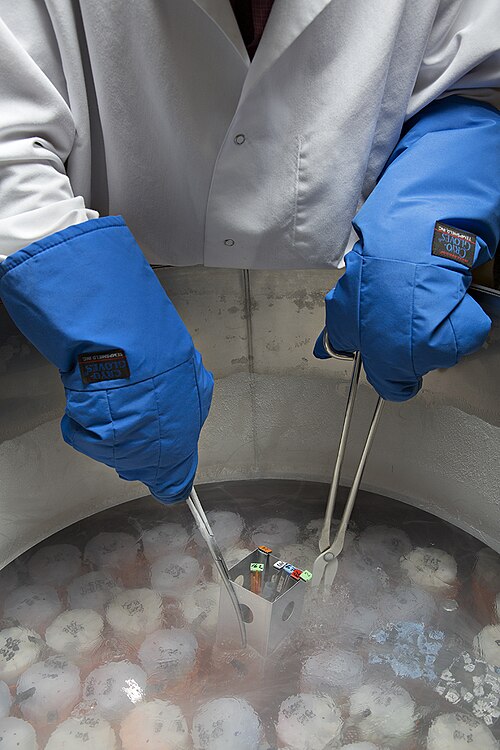
The Urgency Behind the BioVault (Image Credits: Wikimedia)
Scientists warn that nearly 30% of known species could vanish by 2050 due to habitat destruction and climate shifts. Colossal’s project addresses this crisis head-on. The company positions the BioVault as a “true backup plan for life on Earth,” according to co-founder and CEO Ben Lamm.
Lamm highlighted fragmented existing biobanks during the launch. Current efforts often lack scale and collaboration. The BioVault seeks to change that by centralizing millions of samples in ultra-cold storage. Temperatures will drop as low as -320°F to maintain viability for decades or longer.
Inside Dubai’s Pioneering Facility
The first BioVault takes shape at Dubai’s Museum of the Future. This location doubles as a public laboratory where visitors observe real-time cryopreservation. United Arab Emirates officials committed a nine-figure investment, including $60 million from recent funding rounds.
Engineers employ AI monitoring, robotics, and proprietary reanimation tools. Samples include cells, tissues, and DNA from diverse populations to capture genetic variety. Initial targets encompass the 100 most imperiled species. Colossal partners with 75 conservation groups for wild collections.
From De-Extinction Pioneers to Preservation Leaders
Colossal gained fame through de-extinction feats. The firm engineered dire wolf pups last year by editing gray wolf genomes with ancient DNA traits. Ongoing projects target woolly mammoths, thylacines, and dodos using CRISPR and stem cells.
These successes inform the BioVault. Preserved material fuels genetic rescue and potential revivals. Matt James, Colossal’s chief animal officer, outlined ambitions: “Ten thousand species is our aspirational goal, and we will chase that by adding several hundred individuals representing several hundred species per year.”
- Snow leopards: High-altitude dwellers facing poaching threats.
- Savanna elephants: Keystone species hit by ivory trade.
- Great white sharks: Ocean predators vulnerable to overfishing.
- Northern white rhinos: Critically low numbers demand urgent banking.
- Vaquitas: The world’s rarest marine mammal.
A Global Network Takes Shape
Plans extend beyond Dubai to 7-10 core vaults in biodiversity hotspots. Smaller regional sites will support them. All data becomes open-source for researchers worldwide. This approach avoids genetic bottlenecks seen in small populations.
The UAE partnership underscores international momentum. Majed Al Mansoori, executive director of the Museum of the Future, praised the collaboration: “By working with Colossal Biosciences, we are taking a bold step to advance science that safeguards our planet.”
Overcoming Hurdles in Conservation Tech
Challenges persist despite optimism. Ethical concerns surround de-extinction, though the BioVault emphasizes prevention. Existing repositories like the San Diego Zoo’s Frozen Zoo hold 11,500 samples across 1,300 species – far short of Colossal’s scale.
Collection logistics demand care to avoid stressing wild populations. Colossal commits to ethical protocols. Success hinges on sustained funding and global buy-in. The project launches amid Colossal’s $10 billion valuation post-Series C.
The BioVault stands as a testament to biotechnology’s role in averting catastrophe. It promises not just storage, but active tools for revival and rescue. As extinction pressures mount, such innovations offer hope for biodiversity’s future. What do you think about this genetic safety net? Share your views in the comments.
- BioVault targets millions of samples from 10,000+ species, starting with the 100 most endangered.
- First site in Dubai opens as a public lab with UAE backing and advanced cryopreservation tech.
- Builds on Colossal’s de-extinction work, aiming for a global network to combat species loss.