Picture yourself standing among giants. Trees that were ancient when your great-great-grandparents were born. These are the old-growth forests, wetlands that have existed for millennia, and untouched coral reefs that form the backbone of our planet’s biodiversity. Yet these ancient ecosystems face unprecedented threats, and honestly, we’re running out of time to save them.
The thing is, protecting these ancient systems isn’t just about nostalgia for the past. It’s about securing our future. These ecosystems hold irreplaceable genetic diversity, store massive amounts of carbon that took centuries to accumulate, and provide services we’re only beginning to understand. Let’s explore seven practical ways you can actually make a difference in protecting these irreplaceable treasures.
Support Old-Growth Forest Protection Policies
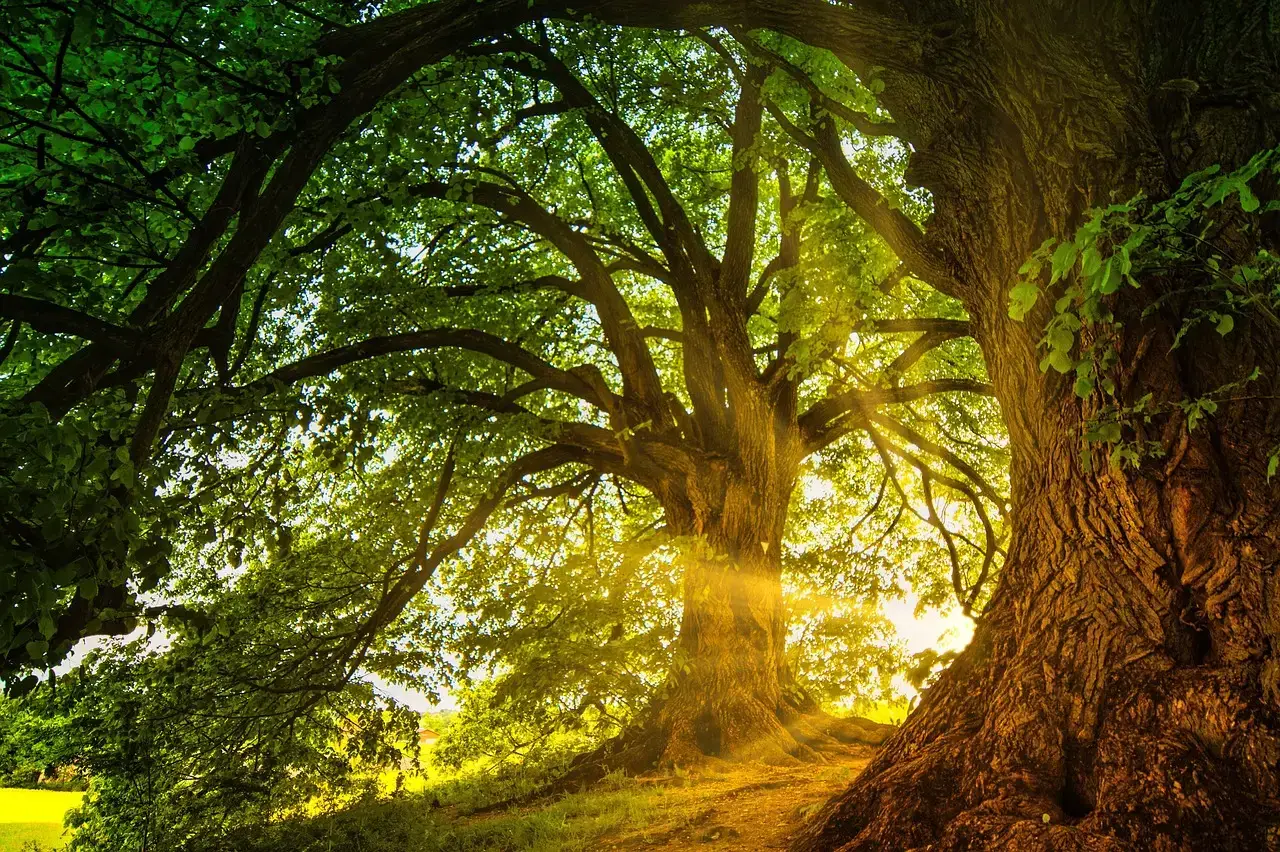
Your voice matters more than you might think when it comes to forest policy. Mature and old-growth forests store massive amounts of carbon right now and can continue to accumulate it for centuries if protected, while playing an irreplaceable role in maintaining biodiversity and fostering ecosystem resilience. Here’s the thing: roughly four-fifths of the carbon stock in forests across the United States remains unprotected from commercial logging.
You can take action by contacting your representatives about strengthening protections for old-growth trees on federal lands. Policies need to specifically prevent the logging and commercial sale of old-growth trees and close loopholes that undermine protections, while advancing meaningful protections for mature forests that are next in line to become the giants of future generations. It’s not complicated, but it requires your participation.
Embrace and Promote Natural Ecosystem Regeneration
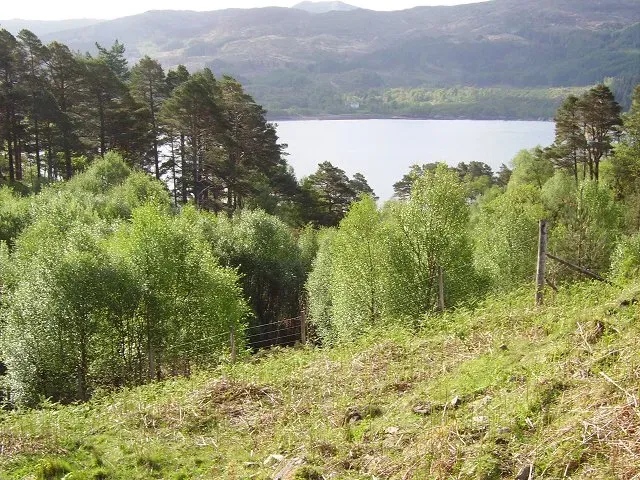
Sometimes the best thing we can do is simply step back and let nature heal itself. Research shows that lower-cost natural regeneration actually surpasses active restoration in achieving tropical forest restoration success for biodiversity and vegetation structure. This might sound counterintuitive, right? We’re used to thinking that more human intervention equals better results.
Natural regeneration is initiated through colonization of opportunistic and locally adapted species, resulting in higher diversity of native plant species than in tree planting schemes, which creates more habitats and resources to support higher animal biodiversity. So when you see abandoned land or degraded areas, consider advocating for passive restoration with just minimal human intervention like fencing or fire protection rather than expensive planting programs.
Integrate Ancient Ecosystem Values into Land Use Planning
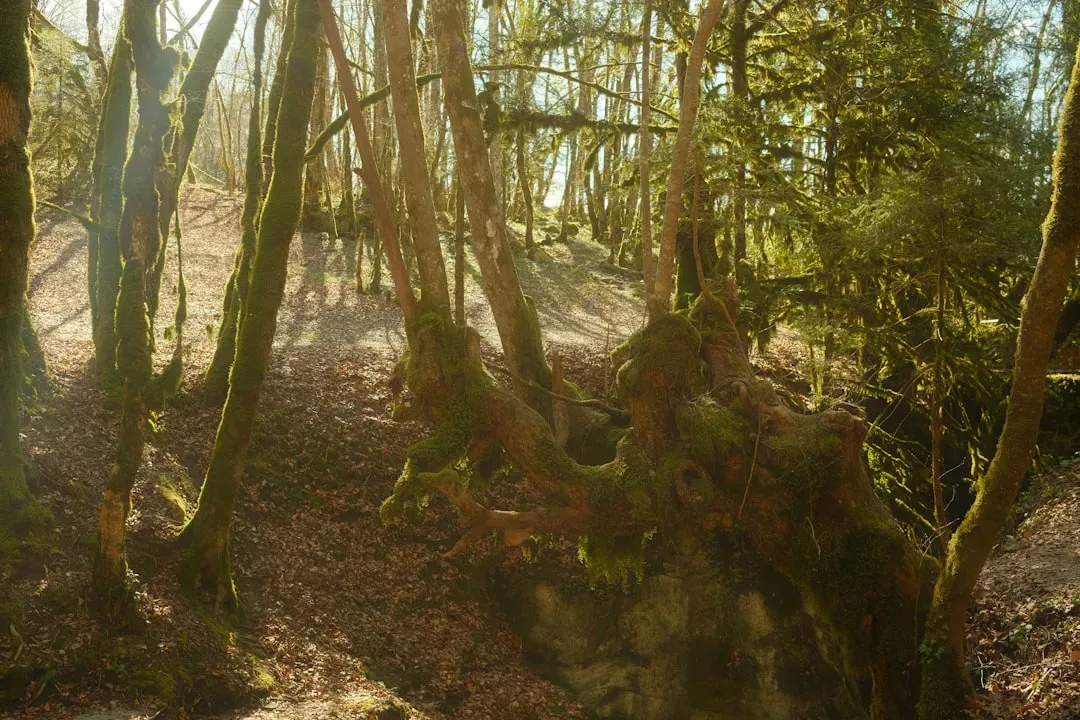
The reality is that we can’t turn back the clock on human development. What conservation could promise instead is a new vision of a planet in which nature, including forests, wetlands, diverse species, and other ancient ecosystems, exists amid a wide variety of modern human landscapes. Think of it as weaving protection into the fabric of everyday life rather than isolating ecosystems in distant parks.
You can get involved in local planning meetings and advocate for green corridors, buffer zones around sensitive areas, and policies that value ecosystem services. Officials can plan dams and roads to avoid fragmenting rivers and other habitats, while farming techniques like agroforestry can be more resilient in the face of climate change. These aren’t radical ideas, they’re practical solutions that benefit both nature and communities.
Utilize Fossil Record Insights for Modern Conservation

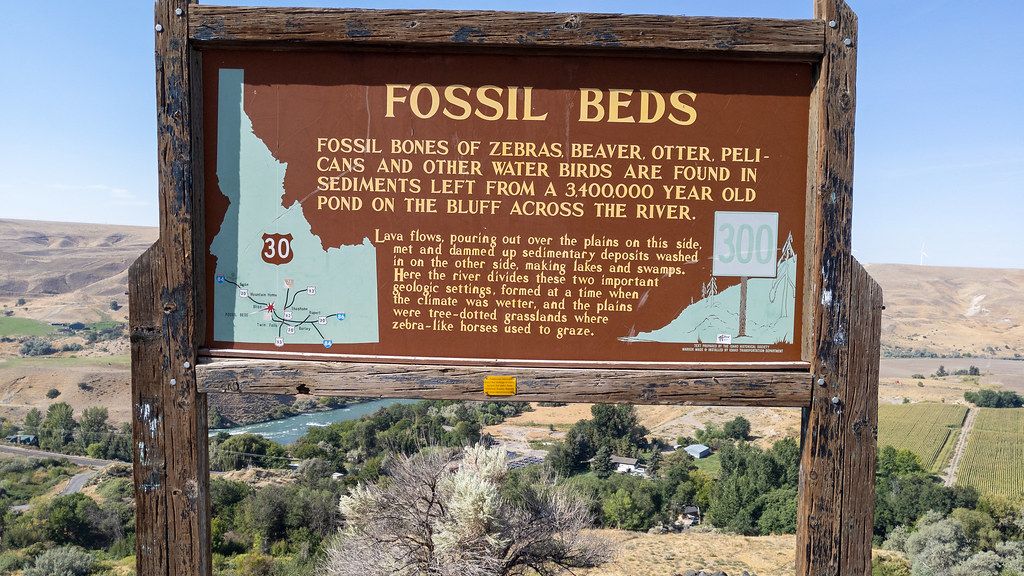
Here’s something fascinating: looking backward can help us move forward. Insights from ancient records can be used to predict the responses of modern species to current and future climate shifts, which can help inform better conservation and management practices across the world. Ancient ecosystems have survived dramatic changes before, and their stories hold valuable lessons.
Learning how ecosystems responded in the past can inform conservation efforts today, especially since the parallels between rapid global warming events in Earth’s history and current climate change are particularly striking. Support research initiatives that study historical ecosystem responses, and push for these findings to be incorporated into conservation planning. The past isn’t just history, it’s a blueprint.
Champion Community-Based Conservation Approaches
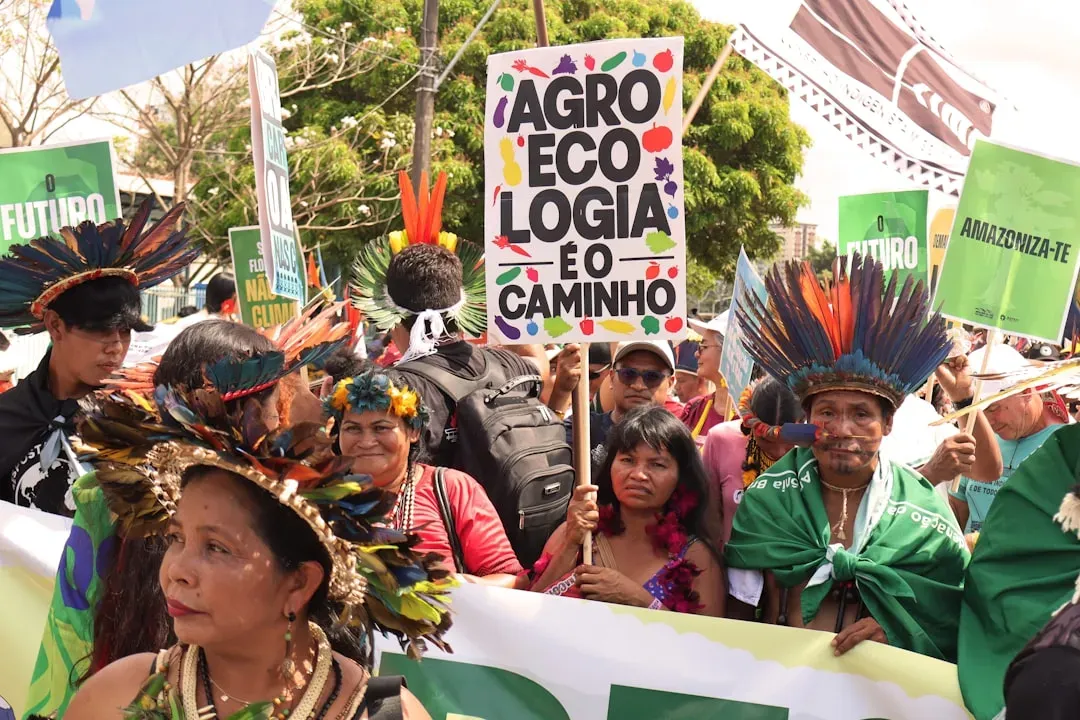
The involvement of local communities, especially indigenous people with a deep understanding of forest ecology, is crucial in conserving ancient ecosystems. Let’s be real, conservation efforts imposed from the outside rarely succeed long-term. Communities who live alongside these ecosystems have generations of knowledge that science is only beginning to validate.
The effectiveness of any restoration project is intricately tied to the support and involvement of local communities, and incorporating community engagement into the planning phase ensures that restoration efforts align with the needs and aspirations of the people who live in and around the ecosystem. You can support organizations that prioritize indigenous rights and local stewardship. When communities benefit from conservation, everyone wins.
Monitor and Report on Ecosystem Health
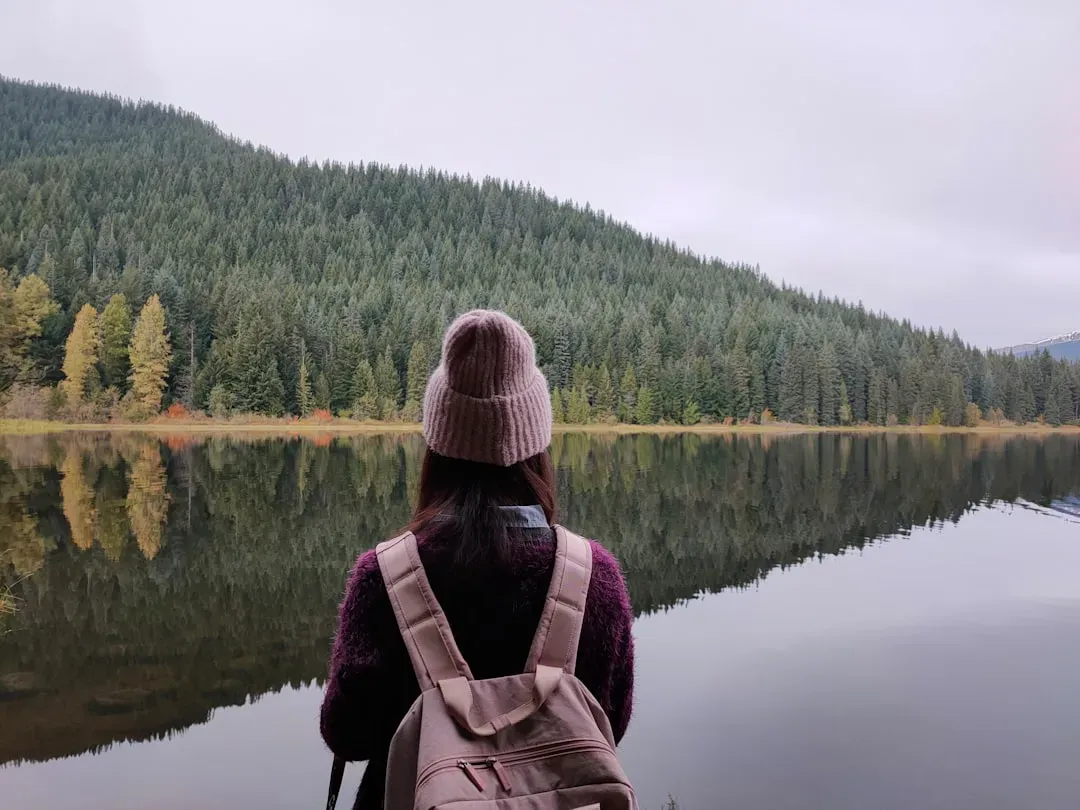
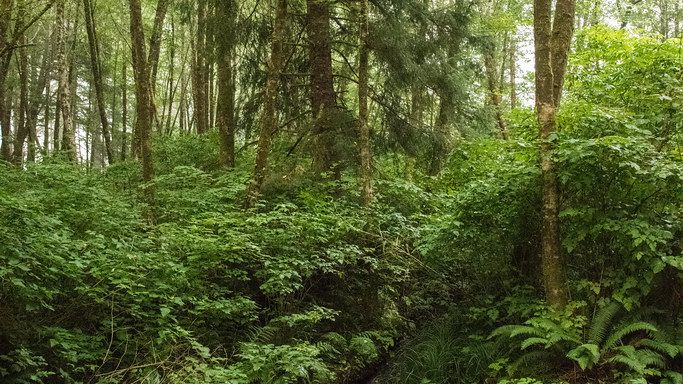
Early detection can mean the difference between saving an ecosystem and losing it forever. Western Washington’s old-growth forests guard over 100 tons per hectare of irrecoverable carbon that cannot be recovered in time to avoid the worst impacts of climate change, and these forests also serve as refuges for heat-sensitive species. That’s an enormous responsibility, and monitoring these systems is crucial.
You don’t need to be a scientist to help. Monitoring involves tracking key indicators such as biodiversity levels, water quality, and soil health to gauge the success of restoration initiatives. Citizen science programs need volunteers to document changes in local ecosystems. Your observations could alert professionals to problems before they become catastrophic.
Support Financial Mechanisms for Ecosystem Protection
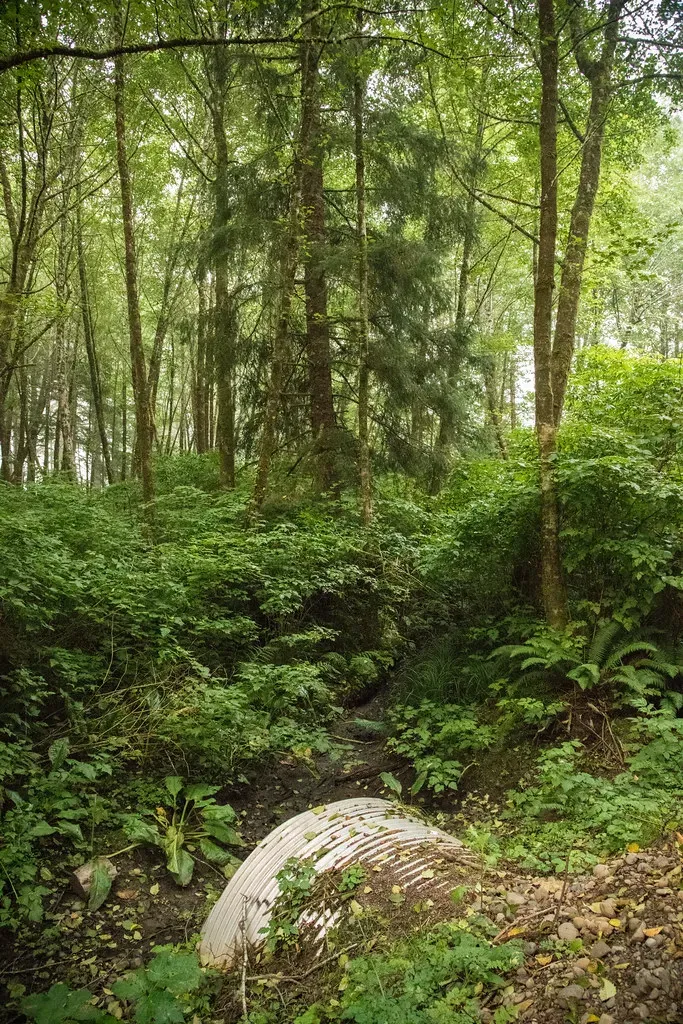
Money talks, especially in conservation. International partners led by Brazil are establishing a $125 billion Tropical Forests Forever Facility investment fund whose income will reward countries in the tropics that protect forests, providing more self-determination to affected nations and supporting protection efforts by local residents. These kinds of financial incentives can transform conservation from a burden into an opportunity.
Ecosystem restoration could remove between 13 to 26 gigatons of greenhouse gases from the atmosphere, and the economic benefits of such interventions exceed nine times the cost of investment, whereas inaction is at least three times more costly. You can advocate for similar funding mechanisms at local and national levels, or support organizations that use payment for ecosystem services models. Conservation doesn’t have to be charity, it can be investment.
Conclusion
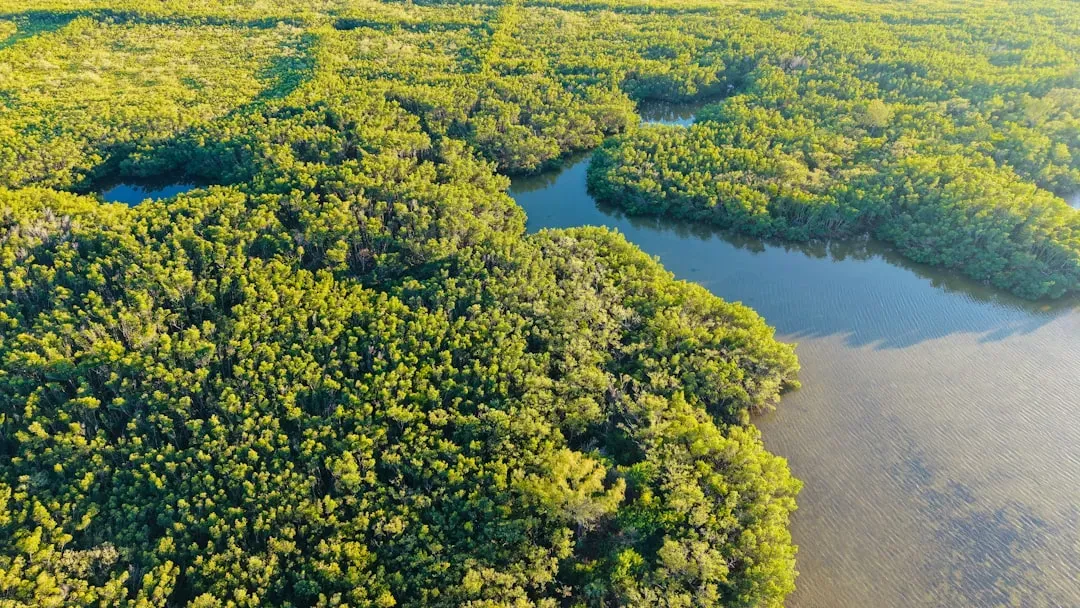
Protecting ancient ecosystems isn’t some impossible dream reserved for environmental heroes with unlimited resources. It’s a series of practical actions that each of us can take, from supporting policy changes to participating in local conservation efforts. These ancient forests, wetlands, and marine systems have survived for centuries or even millennia, but they need our help now more than ever.
The beautiful thing about ecosystem conservation is that small actions compound over time, much like the ecosystems themselves grew through patient accumulation over centuries. Your voice in a planning meeting, your support for indigenous stewardship, your participation in monitoring programs, all of these matter. What will you do first to help protect these irreplaceable ancient ecosystems? The choice is yours, but the time to act is now.