Portland, Maine — The National Oceanic and Atmospheric Administration drew immediate fire from environmental advocates after signaling plans to revise a vital vessel speed rule aimed at shielding the North Atlantic right whale from extinction.
A Tragic Loss Highlights the Stakes
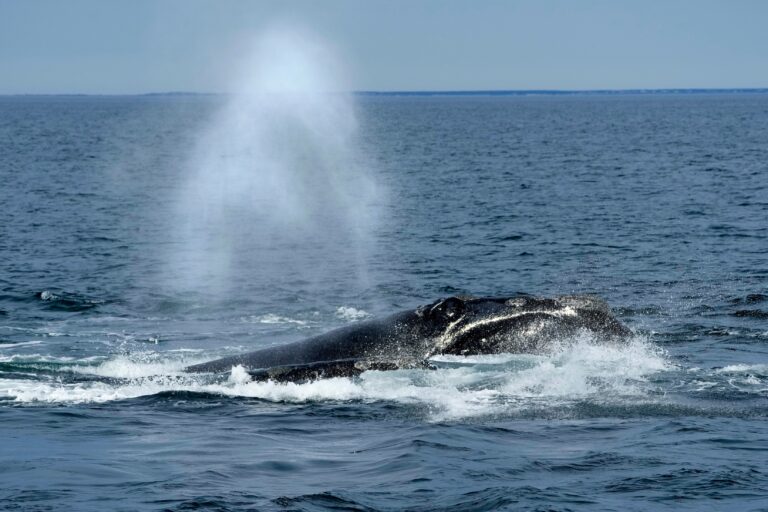
A Tragic Loss Highlights the Stakes (Image Credits: Imgs.mongabay.com)
Confirmation of a young female right whale’s death off Virginia on February 10 intensified concerns just as NOAA outlined its intentions. The 3-year-old animal perished at an unusually early age for the species, with the cause still under investigation. Such losses compound fears for a population hovering below 400 individuals.
Jane Davenport, senior attorney at Defenders of Wildlife, captured the sentiment shared by many groups. “Another female right whale — the future of this species — has lost her life. We urgently need more right whale protections, not fewer. The Trump administration’s apparent determination to weaken the vessel speed rule could not come at a worse time.” Her words reflect broader alarm over weakening safeguards at a precarious moment.
Understanding the Vessel Speed Rule
Enacted years ago, the rule mandates that vessels longer than 65 feet reduce speed to 10 knots or less within designated seasonal management areas along the East Coast. These zones align with the whales’ migration patterns from calving grounds off Florida and Georgia to feeding areas in New England and Canada. Collisions remain a primary killer for these massive creatures, which can weigh up to 70 tons.
NOAA described its forthcoming proposal as a means to “modernize” the regulations through new technologies, engineering solutions, and advanced detection tools. Officials framed it as a “deregulatory-focused action” intended to ease economic pressures on shipping and fishing industries without compromising conservation efforts. A notice appeared on the Office of Information and Regulatory Affairs website, though specifics remain pending.
Balancing Industry Needs and Wildlife Survival
Shipping companies and marine trade groups long argued that the current restrictions impose undue burdens. The National Marine Manufacturers Association labeled them “archaic,” pushing instead for innovations like real-time whale detection systems. These technologies could alert captains to nearby whales, potentially offering flexibility over rigid speed limits.
Yet conservationists contend that proven measures like speed reductions have saved lives. They point to persistent threats facing right whales:
- Ship strikes, often fatal due to the whales’ slow recovery from injuries.
- Entanglements in fishing gear, which cause prolonged suffering and population decline.
- Shifting prey availability from climate change, forcing whales into busier shipping lanes.
- Low reproduction rates, with fewer calves surviving to adulthood.
- Historical overhunting that reduced numbers to critically low levels decades ago.
Industry adjustments, they argue, must not come at the expense of these gentle giants’ survival.
Evolving Regulations Amid Political Shifts
The Biden administration once advanced a plan to widen slow zones and extend requirements to more vessel types. Public comments overwhelmed the process, leading to withdrawal in its waning days. Now, under new leadership, NOAA appears poised to pivot toward lighter touch approaches.
This back-and-forth underscores the tension between economic vitality and endangered species recovery. Right whales have lingered under federal protection since the whaling era decimated their numbers, yet mortality rates outpace births.
Key Takeaways
- NOAA’s proposed changes aim to incorporate technology while trimming regulatory burdens.
- Environmental groups demand stronger enforcement amid ongoing whale deaths.
- The North Atlantic right whale population teeters below 400, threatened mainly by human activities.
As NOAA prepares to unveil details, the debate pits maritime commerce against the raw imperative of preventing extinction. Stronger tools may emerge, but only time will reveal if they suffice. What steps should regulators prioritize to save these iconic ocean dwellers? Tell us in the comments.