Kenya – A dramatic bust at a major airport uncovered thousands of rare ants smuggled from the wild, exposing how these insects have entered the lucrative global pet market.
The Shocking Scale of Ant Smuggling
The Shocking Scale of Ant Smuggling
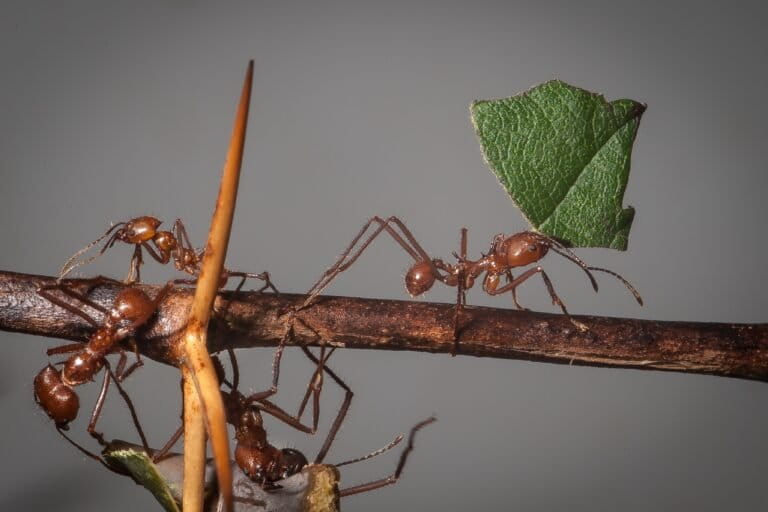
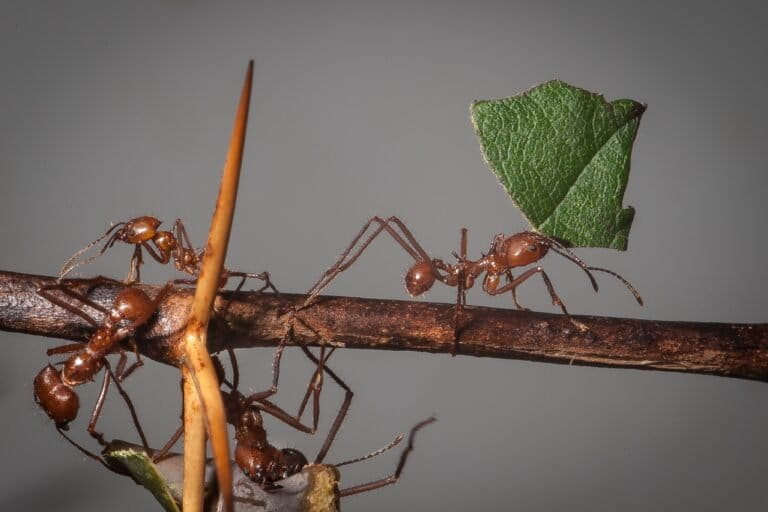
Authorities in Kenya seized more than 5,000 endemic ants in a single operation, a discovery that stunned wildlife officials and revealed the extent of organized trafficking networks. These ants, native to sensitive ecosystems, were destined for international buyers eager to keep them as exotic pets. Traffickers target remote habitats, stripping colonies from their natural environments with little regard for long-term consequences. This incident marks just one in a series of enforcement actions as demand surges among hobbyists worldwide.
The trade operates through clandestine channels, often involving online marketplaces and mislabeled packages to evade detection. Collectors prize certain species for their unique behaviors, driving prices high enough to incentivize risky harvests. Yet, the operation’s sophistication points to a well-established supply chain that spans continents. Officials noted the ants’ poor condition upon seizure, underscoring the harsh realities of such journeys.
Ecological Threats from Overcollection
Ants play crucial roles in ecosystems, from soil aeration to pest control, and their removal disrupts delicate balances. Endemic species, confined to small ranges, face heightened vulnerability when collectors deplete local populations. In regions like East Africa, where biodiversity hotspots abound, this trade exacerbates pressures from habitat loss and climate change. Conservation experts warn that unchecked harvesting could lead to local extinctions, rippling through food webs.
Beyond direct impacts, trafficked ants carry risks of introducing invasive species to new areas. Once released or escaped, non-native ants can outcompete local fauna, altering landscapes irreversibly. Historical examples of invasive ants demonstrate how even small introductions cause widespread ecological harm. The global nature of this trade amplifies these dangers, as shipments cross borders without oversight.
A Push for International Regulations
In response to rising concerns, a group of conservationists published a letter urging immediate inclusion of ants under the Convention on International Trade in Endangered Species of Wild Fauna and Flora, known as CITES. This framework has protected countless vertebrates but overlooks many invertebrates, leaving ants in a regulatory void. The letter highlights how current gaps allow trade to flourish unchecked, calling on nations to act before species vanish.
Advocates emphasize that listing key ant species would require permits and monitoring, deterring illegal activities. Similar protections have succeeded for other traded wildlife, reducing poaching through international cooperation. Enforcement challenges persist, particularly in source countries with limited resources, but global standards could bolster local efforts. The Kenya seizure serves as a wake-up call, prompting discussions at upcoming wildlife conferences.
Broader Conservation Challenges
The ant trade reflects wider issues in wildlife trafficking, where everyday enthusiasts unwittingly fuel exploitation. Online platforms facilitate anonymous sales, complicating traceability. Efforts to educate buyers about ethical sourcing lag behind market growth, perpetuating demand. Governments and NGOs must collaborate to raise awareness and strengthen borders.
Addressing this requires multifaceted strategies, from habitat protection to alternative livelihoods for communities near collection sites. International bodies like CITES offer a pathway, but implementation demands commitment from all parties. As trade volumes climb, the window for preventive measures narrows.
Key Takeaways
- Recent seizures reveal ants’ role in a thriving illicit pet market, with thousands smuggled from wild populations.
- Overcollection threatens endemic species and ecosystem stability, while invasives pose global risks.
- Conservationists seek CITES listings to enforce trade controls and protect ant diversity.
This emerging crisis in ant trafficking demands urgent global response to safeguard these vital insects and the environments they support. What steps do you believe should prioritize in combating wildlife trade? Share your thoughts in the comments.