Wildlife conservationists worldwide confront a mounting mental health crisis as they battle accelerating biodiversity loss and systemic workplace strains.
Nearly One in Four Faces Severe Distress
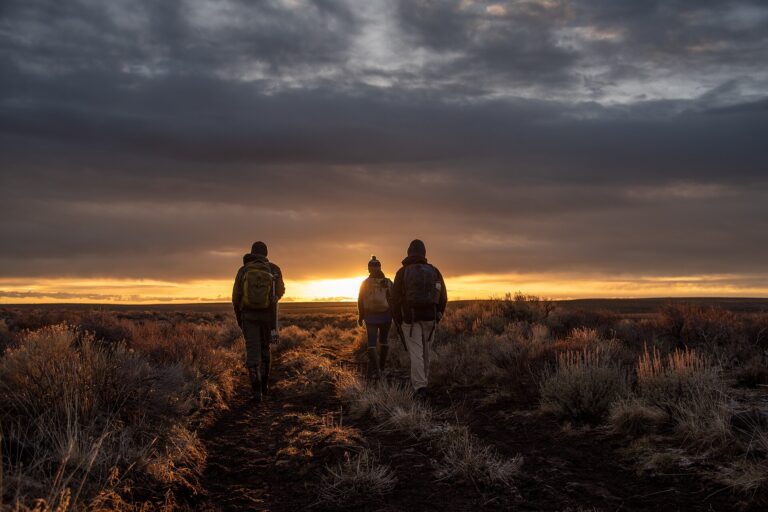
Nearly One in Four Faces Severe Distress (Image Credits: Imgs.mongabay.com)
A 2023 study published in Conservation Biology surveyed over 2,000 professionals and revealed that 27.8% experienced moderate to severe psychological distress. Women and early-career workers emerged as particularly vulnerable groups. Reports of burnout, depression, and even suicide have surged, prompting leaders to label the situation a full-blown crisis. Rachel Graham, executive director of MarAlliance, observed, “I’m seeing a true crisis in the conservation community.” Such findings underscore how the passion driving the field now fuels its deepest vulnerabilities.
Global trends amplify the alarm. Wildlife populations plummeted 73% between 1970 and 2020, according to WWF data. Fisheries hover near collapse, with 90% maxed out or overfished. These stark realities hit conservationists hardest, as they witness destruction firsthand.
Eco-Grief Weighs Heavily on the Front Lines
Professionals mourn not just abstract losses but intimate connections to species and habitats. Chronic exposure to dying ecosystems breeds eco-anxiety and profound grief, often unrecognized by society. Vik Mohan, a conservation leader and doctor, described the shift: “Twenty years ago, you came into conservation with a much greater sense of optimism, whereas now, you cannot escape the urgency and the enormity of the crisis.” Field workers in conflict zones or remote areas endure isolation, danger, and family separations that intensify emotional strain.
Personal tragedies compound the toll. Graham knew of five wildlife scientists who died by suicide in 2024 alone. Men face cultural pressures to suppress emotions, contributing to higher suicide rates, while women juggle inequities like lower pay and caregiving demands without maternity support.
Industry Practices Fuel the Fire
Short-term grants, meager salaries, and unpaid internships define a sector that exploits dedication over stability. Organizations rarely budget for mental health or training, viewing passion as sufficient compensation. High-output demands turn roles into endurance tests, with leaders in small groups bearing relentless fundraising burdens.
- Unstable employment and grant dependency create constant insecurity.
- Lack of benefits, including wellness programs, leaves workers unsupported.
- Overwork in harsh conditions erodes boundaries between job and life.
- Gender biases exacerbate issues, from harassment to stalled advancement.
- Stigma silences pleas for help, especially among men.
Steps Toward Resilience and Renewal
Leaders advocate systemic reforms, starting with funders who must allocate for staff well-being, fair wages, and flexible support. Organizations like Lonely Conservationists promote peer networks and self-care routines. Mohan emphasized, “Looking after yourself is part of the work. It’s part of caring for the planet.” Training programs embed wellness in leadership development, fostering psychological safety and accountability.
Individuals benefit from boundaries, social connections, and decoupling identity from outcomes. Evidence links these efforts to better retention and performance, proving well-being bolsters mission success.
Key Takeaways
- Prioritize unrestricted funding for mental health initiatives to sustain the workforce.
- Normalize open discussions on distress through leader-led examples.
- Build peer support networks, especially for women and early-career staff.
The conservation sector stands at a crossroads: safeguard its people to secure nature’s future, or risk collapse from within. Simple shifts in culture and funding could transform tragedy into strength. What changes would you prioritize to support these vital workers? Tell us in the comments.