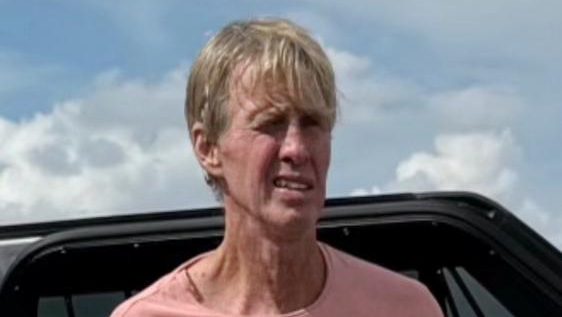

The Dramatic Turn in a High-Profile Trial (Image Credits: Bostonherald.com)
Orlando, Fla. – A man found guilty of attempting to assassinate former President Donald Trump at a Florida golf course has reversed course on his legal strategy, requesting professional representation as his sentencing approaches.
The Dramatic Turn in a High-Profile Trial
The case against Ryan Wesley Routh captured national attention from the start, blending elements of political intrigue and personal turmoil. Routh, a 59-year-old from Hawaii, positioned himself near Trump International Golf Club in West Palm Beach last year, armed and intent on targeting the former president during a routine round of golf. Federal agents thwarted the plan swiftly, leading to his arrest and a swift path to trial.
Throughout much of the proceedings, Routh chose to forgo traditional defense counsel, opting instead to represent himself in court. This decision added layers of unpredictability to an already tense atmosphere. Observers noted his unconventional arguments and outbursts, which underscored the gravity of the charges he faced.
The jury’s verdict on September 23 delivered a resounding conviction across all counts, sealing Routh’s fate on the federal level. In a shocking courtroom moment, he attempted to harm himself with a pen as the guilty findings were announced, prompting immediate intervention by authorities.
Shifting Strategies After Conviction
Following the trial’s conclusion, Routh’s approach to his defense evolved noticeably. He had dismissed his public defenders earlier, embracing the role of his own advocate during key phases of the litigation. This self-representation extended to witness examinations and closing statements, where his presentations often veered into unorthodox territory.
Now, with sentencing on the horizon, Routh has formally asked the court to appoint an attorney to guide him through this critical juncture. Court documents indicate this request stems from a recognition of the complexities involved in presenting mitigating factors and arguing for leniency. Legal experts suggest such a pivot is not uncommon when defendants confront the final stages of serious cases.
The shift highlights the challenges of navigating federal court without specialized knowledge, especially in a matter tied to national security concerns. Routh’s team, if approved, will likely focus on his background and mental state to influence the judge’s decision.
Key Charges and Potential Consequences
Routh’s indictment encompassed multiple serious offenses, reflecting the deliberate nature of his actions. Prosecutors outlined a plot that involved scouting the golf course perimeter and positioning a rifle for a long-range shot. The Secret Service’s vigilance prevented any harm, but the intent alone carried severe weight.
Among the convictions were charges of attempted assassination of a presidential candidate and assault on a federal officer. These stem from the agent’s response during the incident, which involved firing toward Routh’s location. Additional state-level accusations compounded the federal case, though the primary focus remains on the U.S. charges.
- Attempted assassination of a major presidential candidate
- Assault on a federal law enforcement officer
- Possession of a firearm in furtherance of a violent crime
- Related conspiracy and stalking elements
- State-level attempted murder charges
Facing these, Routh confronts the possibility of life imprisonment, a penalty that underscores the system’s stance on threats to elected leaders.
Looking Toward Sentencing and Beyond
The upcoming hearing in Fort Pierce will determine Routh’s exact punishment, with input from both prosecution and defense playing pivotal roles. Prosecutors have emphasized the premeditated aspects of the plot, drawing on evidence like surveillance footage and recovered weaponry. Routh’s new legal support could introduce character witnesses or expert testimony to humanize his circumstances.
As the date nears, the case continues to resonate in discussions about political violence and security protocols. It serves as a reminder of the vulnerabilities even in protected environments like private golf clubs. The outcome may also influence how similar threats are prosecuted in the future.
In the end, Routh’s request for an attorney marks a pragmatic step in a saga defined by bold risks and stark consequences. What implications do you see for cases involving political figures? Share your thoughts in the comments.
Key Takeaways
- Routh was convicted on all federal counts related to the September 2024 incident at Trump International Golf Club.
- His self-representation during trial gave way to a request for counsel ahead of sentencing.
- The maximum penalty includes life in prison, with the hearing set for early next year.