
In our collective imagination, dinosaurs loom as colossal beasts that shook the earth with each thunderous step. When we consider these prehistoric giants in a modern context, fascinating questions arise. One particularly intriguing thought experiment: could a massive dinosaur—perhaps a towering Brachiosaurus or a bulky Tyrannosaurus rex—safely traverse a modern bridge without sending the structure crashing into the waters below? This question intersects engineering, paleontology, and physics, creating a fascinating exploration of both ancient creatures and modern infrastructure. Let’s examine this unlikely scenario from multiple angles to determine if our bridges could withstand the prehistoric traffic.
The Weight of Giants: Understanding Dinosaur Mass
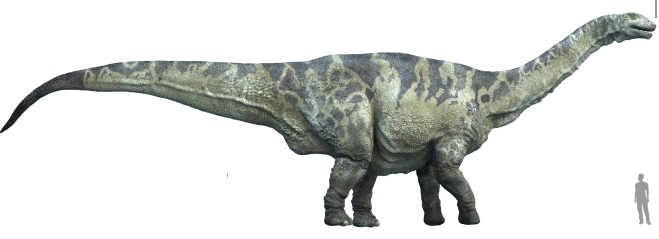
Before assessing whether bridges could support dinosaurs, we must first understand how heavy these ancient creatures actually were. The largest sauropods, including Argentinosaurus and Brachiosaurus, are estimated to have weighed between 30-100 metric tons (33-110 US tons). For comparison, the heaviest land mammal today, the African elephant, typically weighs about 6 metric tons. Tyrannosaurus rex, while fearsome, was relatively lighter at approximately 8-10 metric tons. These weight estimates come from comprehensive studies of bone structures, computer modeling, and comparisons with modern animals. Importantly, dinosaur weight was distributed across four legs in many species, creating multiple pressure points rather than a single concentrated load, which becomes significant when considering structural support capabilities.
Modern Bridge Design Standards
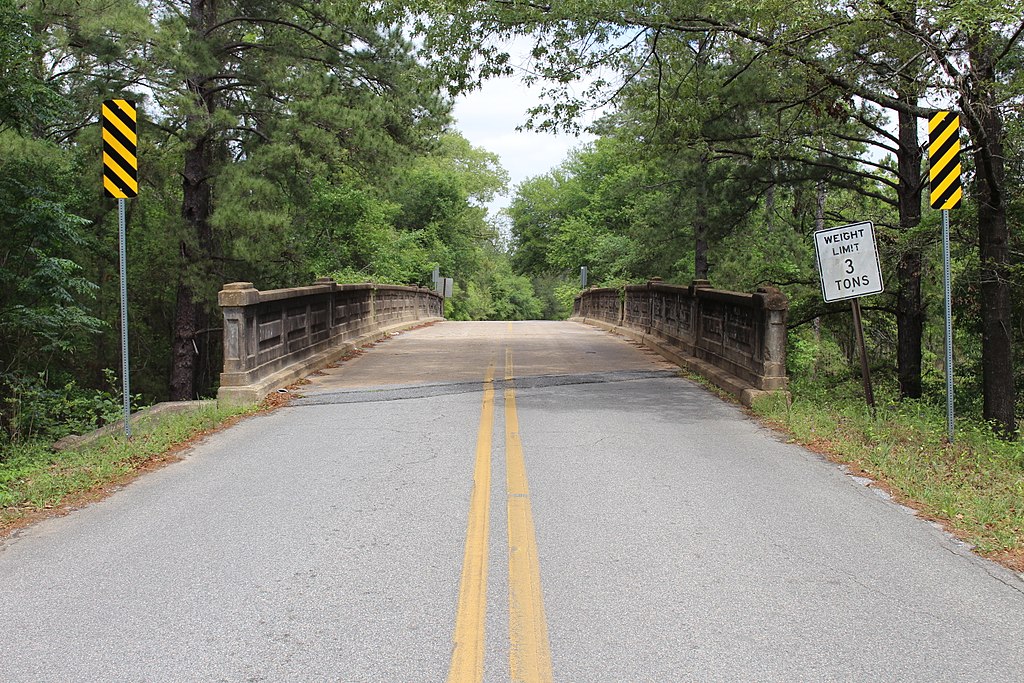
Contemporary bridges are marvels of engineering, designed with substantial safety margins to accommodate various loads. Highway bridges in the United States are typically designed to support HL-93 loading, which includes a design truck weighing approximately 36 tons plus additional lane loading. Many bridges can handle vehicles much heavier than this—specialized permit vehicles can weigh up to 80-100 tons or more. Engineers incorporate safety factors into bridge designs, meaning structures can typically bear loads significantly greater than their rated capacity. Most modern highway bridges are designed with a minimum factor of safety between 2 and 5, effectively allowing them to support at least twice their rated capacity before reaching a critical point. This overengineering provides crucial redundancy for unexpected situations, material degradation, and extreme environmental conditions.
Types of Bridges and Their Load Capacities
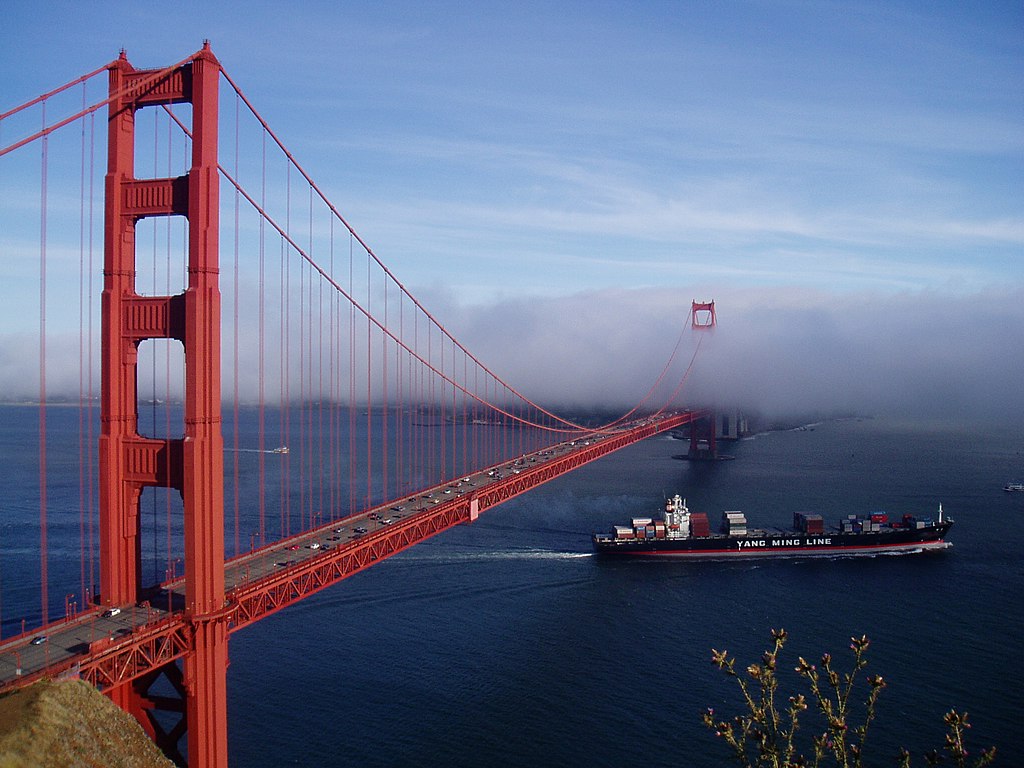
Not all bridges are created equal when it comes to supporting massive weights. Suspension bridges like the Golden Gate Bridge distribute weight through tension cables and can support enormous collective loads, but might be vulnerable to concentrated heavy weights. Truss bridges, common for highway overpasses, are exceptionally strong for their weight and might better handle dinosaur-sized loads. Concrete beam bridges, which make up many highway spans, are particularly robust for heavy, concentrated loads. Cable-stayed bridges combine elements of both suspension and beam bridges, offering substantial strength. The most dinosaur-friendly design might be arch bridges, whose semicircular structure naturally distributes compression forces and has historically proven remarkably durable—some Roman stone arch bridges built over 2,000 years ago remain functional today, speaking to the inherent strength of this design.
The Physics of Impact: Dynamic vs. Static Loading
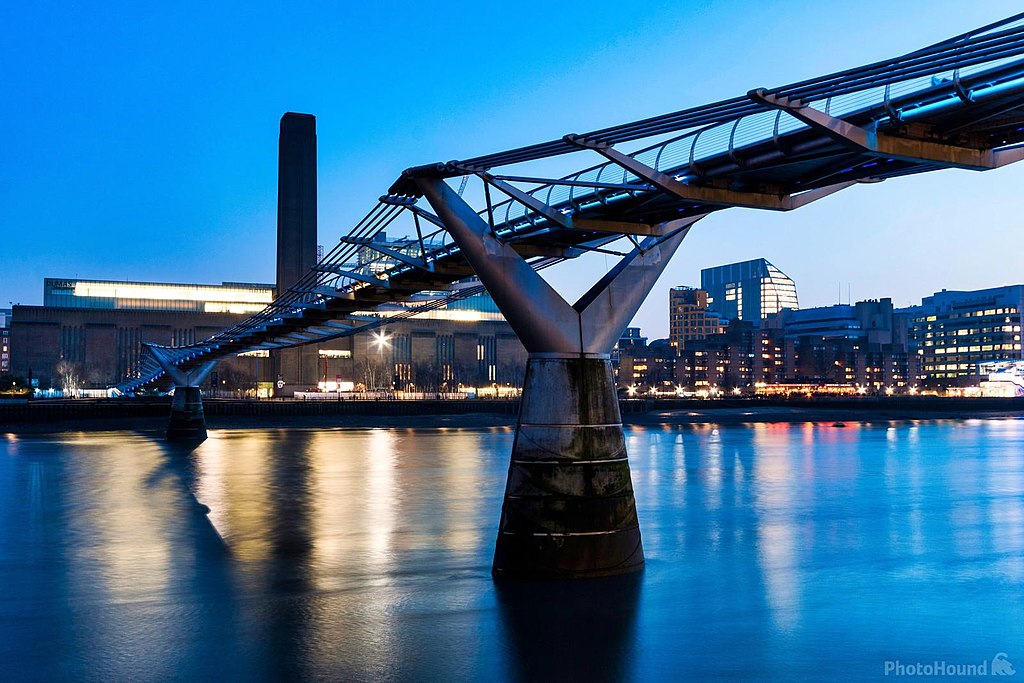
A crucial consideration in our dinosaur bridge scenario is the difference between static and dynamic loading. Static loading refers to a stationary weight, while dynamic loading involves movement, impact forces, and vibrations. A walking dinosaur would create significant dynamic loading, potentially many times greater than its actual weight. The impact force of each footfall would send vibrations through the bridge structure, potentially creating resonance effects that could amplify stresses. Modern bridges are designed with dynamic loading in mind, typically accounting for factors like wind, traffic vibration, and seismic activity. The walking pattern and speed of a dinosaur would significantly affect the bridge’s response—a running T. rex might create more problematic forces than a slow-moving Brachiosaurus despite weighing less. Engineers use dynamic amplification factors in their calculations, which might need considerable adjustment for the unique gait patterns of dinosaurs.
Weight Distribution: Footprints and Pressure Points
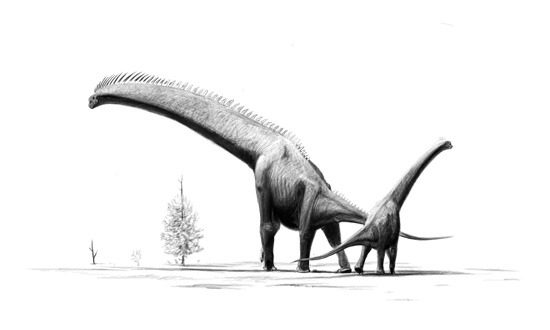
How dinosaurs distributed their weight becomes a critical factor in this thought experiment. Large sauropods like Brachiosaurus had four columnar legs that spread their enormous weight across a surprisingly large area. Fossil footprints suggest these giants had specialized foot pads similar to those found in modern elephants, which further distributed pressure. By contrast, bipedal theropods like T. rex concentrated their weight on two powerful hind limbs. This weight distribution pattern significantly affects how bridge structures would respond. Modern bridges are designed with specific load distribution models, typically based on multi-axle vehicles with predictable wheel spacing. A dinosaur’s weight distribution would create a loading pattern quite different from anything modern bridges were specifically designed to handle, though the principles of load-bearing remain similar.
The Largest Modern Loads: Military Transports and Construction Equipment
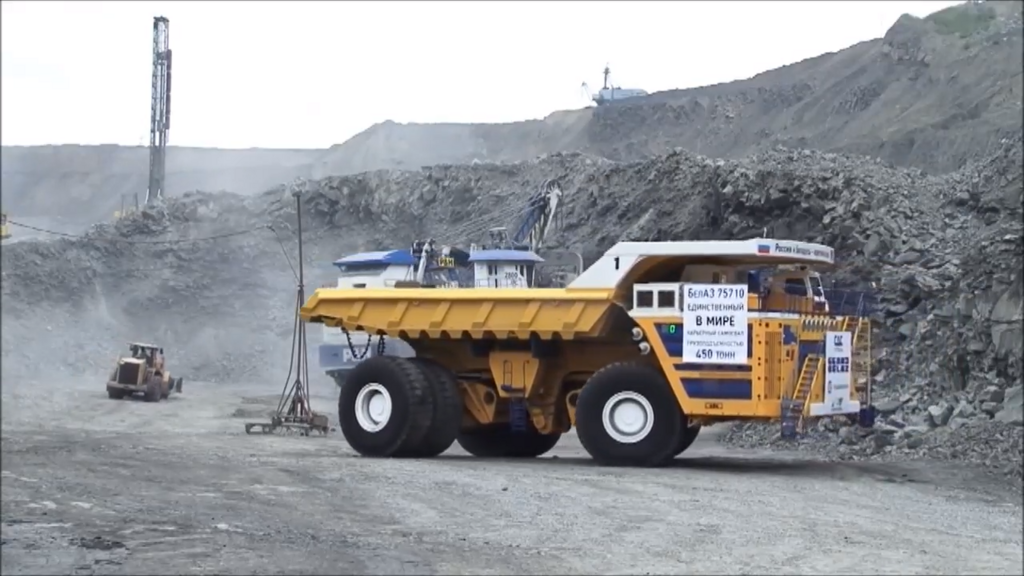
To better contextualize dinosaur weights, we can examine the heaviest loads modern bridges routinely support. Military tank transporters can move vehicles weighing 60-70 tons across standard highways. Specialized heavy haul transporters for construction or mining equipment can carry loads exceeding 100 tons, though these often require special permits and route planning. The world’s largest mining trucks, like the BelAZ 75710, weigh approximately 360 tons when empty and can carry 450 tons of material—far exceeding even the largest dinosaur estimates. These vehicles distribute their weight across multiple axles and wheels specifically designed to spread the load. Importantly, bridges that accommodate such massive modern equipment would likely handle most dinosaur species without structural failure, particularly when considering that many dinosaurs might weigh less than these extreme examples of modern heavy equipment.
Specific Dinosaur Case Studies

Different dinosaur species would present unique challenges to bridge infrastructure. A fully grown Brachiosaurus, weighing approximately 50 tons with its weight distributed across four tree-trunk-like legs, would likely be supported by most major highway bridges built to modern standards. The bipedal Tyrannosaurus rex, despite its fearsome reputation, weighed only about 8-10 tons—less than many modern construction vehicles. The truly massive Argentinosaurus, potentially weighing 70-80 tons, approaches the limits of standard bridge design but remains within the capacity of many modern structures. Smaller dinosaurs like Velociraptor (contrary to their portrayal in popular media) weighed only about 15-33 kg (33-73 pounds) and would pose absolutely no structural concern. The varying body plans, weight distributions, and locomotion styles across dinosaur species would create significantly different loading scenarios that engineers would need to analyze separately.
Bridge Wear and Fatigue Considerations
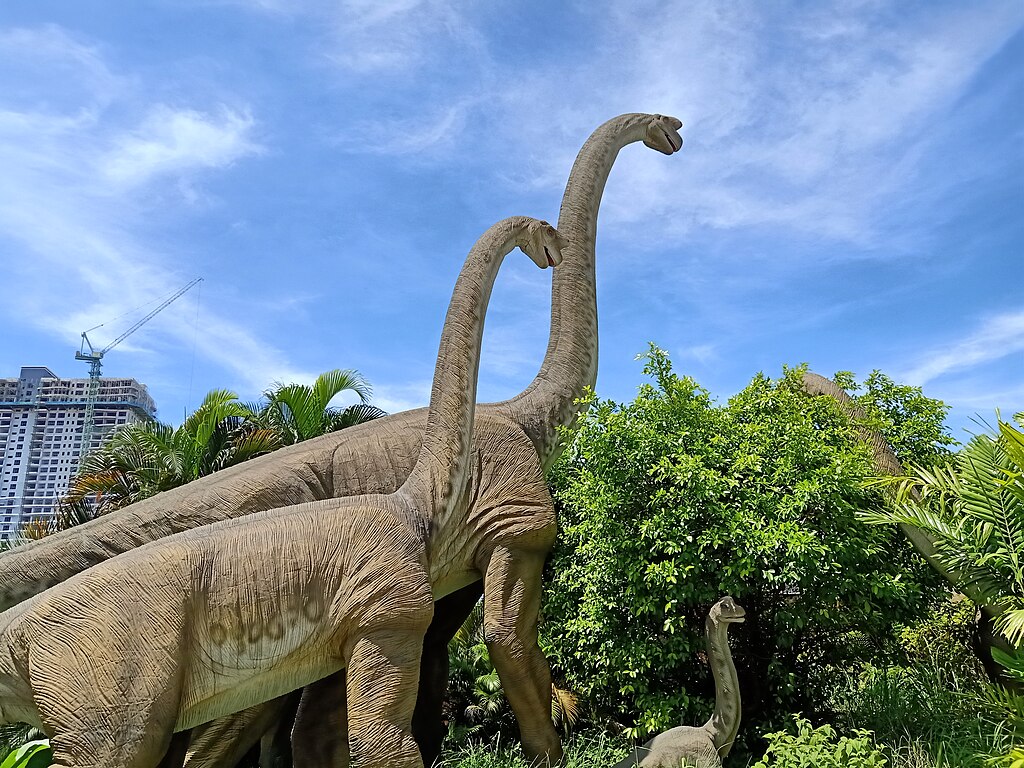
Beyond immediate structural failure, engineers would also need to consider the long-term effects of dinosaur traffic on bridge infrastructure. Modern bridges are designed with specific fatigue life calculations based on expected traffic patterns and load frequencies. Repeated dinosaur crossings could accelerate wear on expansion joints, bearings, and other bridge components not designed for such unusual loading patterns. Concrete bridge decks might develop premature cracking under concentrated dinosaur footfalls. Steel components could experience accelerated fatigue cycling from the unique vibrational frequencies created by dinosaur movement. Bridge designers typically calculate fatigue life using standardized load cycles that don’t account for prehistoric giants, potentially leading to unexpected maintenance issues if dinosaurs became regular bridge users. While a single crossing might be structurally possible, regular dinosaur traffic would necessitate redesigned maintenance schedules and possibly structural reinforcements.
Historical Perspective: Ancient vs. Modern Engineering
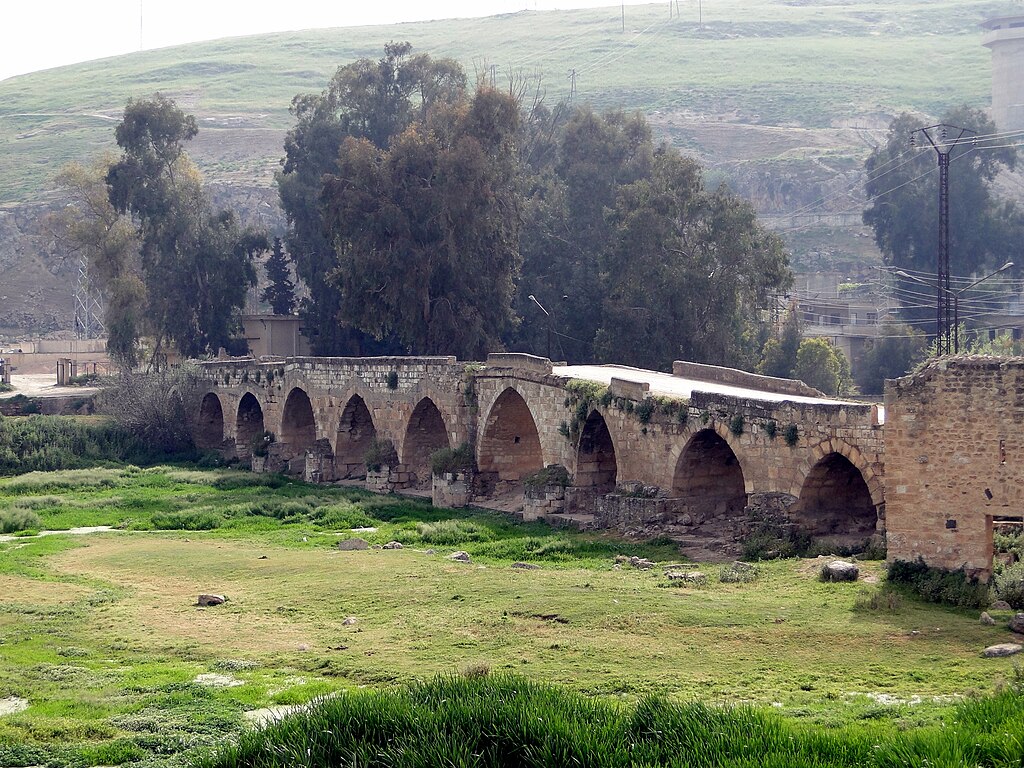
The question of dinosaurs on bridges gains interesting context when we consider historical engineering achievements. Ancient Roman bridges, some still standing after two millennia, were built without modern materials yet demonstrate remarkable durability. The Romans’ arch designs efficiently distribute compressive forces, making some ancient structures surprisingly capable of supporting heavy loads. By contrast, many bridges built during the early industrial revolution were designed with lower safety factors and might struggle with dinosaur-sized loads. Modern engineering benefits from advanced materials science, computer modeling, and centuries of accumulated knowledge about structural behavior. Today’s bridges incorporate high-strength concrete, specialized steel alloys, and composite materials that significantly outperform historical constructions. This progression of engineering capability suggests that while dinosaurs might collapse many historical bridges, they would find safer passage on contemporary structures.
Engineering Safeguards and Potential Bridge Modifications
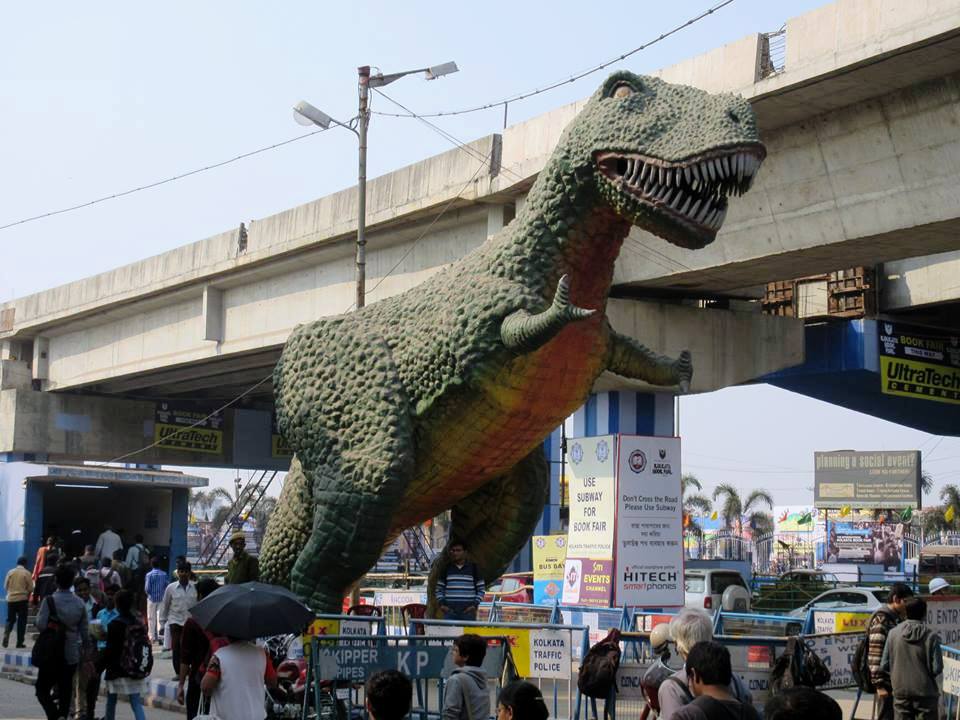
If engineers were genuinely tasked with accommodating dinosaur traffic, several modifications could enhance bridge safety. Additional support columns could be installed to reduce span lengths and provide more frequent load transfer points. Reinforced bridge decks with thicker concrete or composite materials could better distribute concentrated loads from dinosaur feet. Specialized shock absorption systems, similar to those used in seismic retrofitting, could dampen the dynamic forces created by dinosaur movement. Traffic management would also play a crucial role—limiting dinosaur crossings to one at a time and controlling their walking speed could significantly reduce dynamic loading effects. Weight restrictions based on dinosaur species would likely be necessary, perhaps allowing medium-sized dinosaurs while redirecting the largest sauropods to specially reinforced crossings. These modifications, while technically feasible, would require substantial investment and completely reimagined bridge design specifications.
The Role of Computer Modeling in Predicting Outcomes
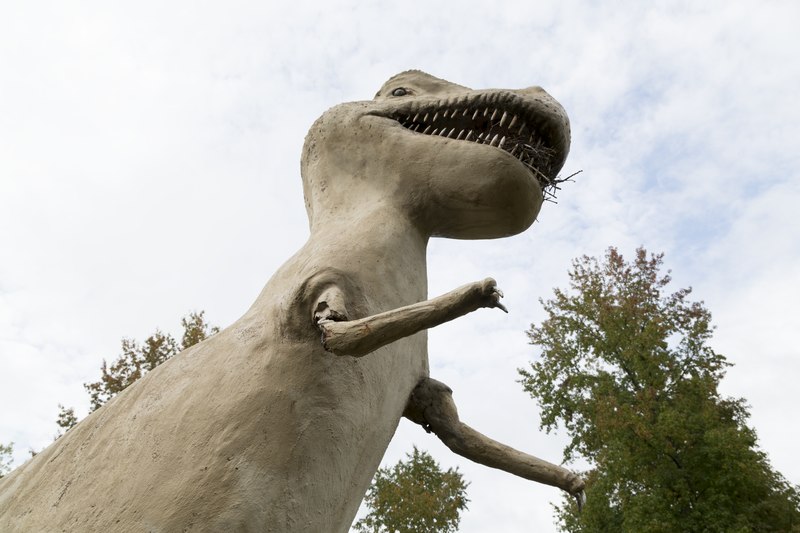
Modern engineering relies heavily on sophisticated computer modeling to predict structural responses to various loads. Finite Element Analysis (FEA) software allows engineers to simulate complex loading scenarios with remarkable accuracy. To truly answer our dinosaur bridge question, engineers would need to create detailed models incorporating dinosaur weight, gait patterns, and dynamic loading factors. These models would analyze stress distribution throughout the bridge structure, identifying potential failure points under dinosaur loading. Computational fluid dynamics might also play a role in understanding how dinosaur movement affects wind loading and aerodynamic forces on bridge superstructures. The challenge lies in accurately modeling prehistoric creatures whose exact movements can only be estimated from fossil evidence. Despite these limitations, computer modeling provides our best tool for predicting whether specific bridges could safely support dinosaur crossings without actual (impossible) real-world testing.
Practical Implications and Safety Considerations
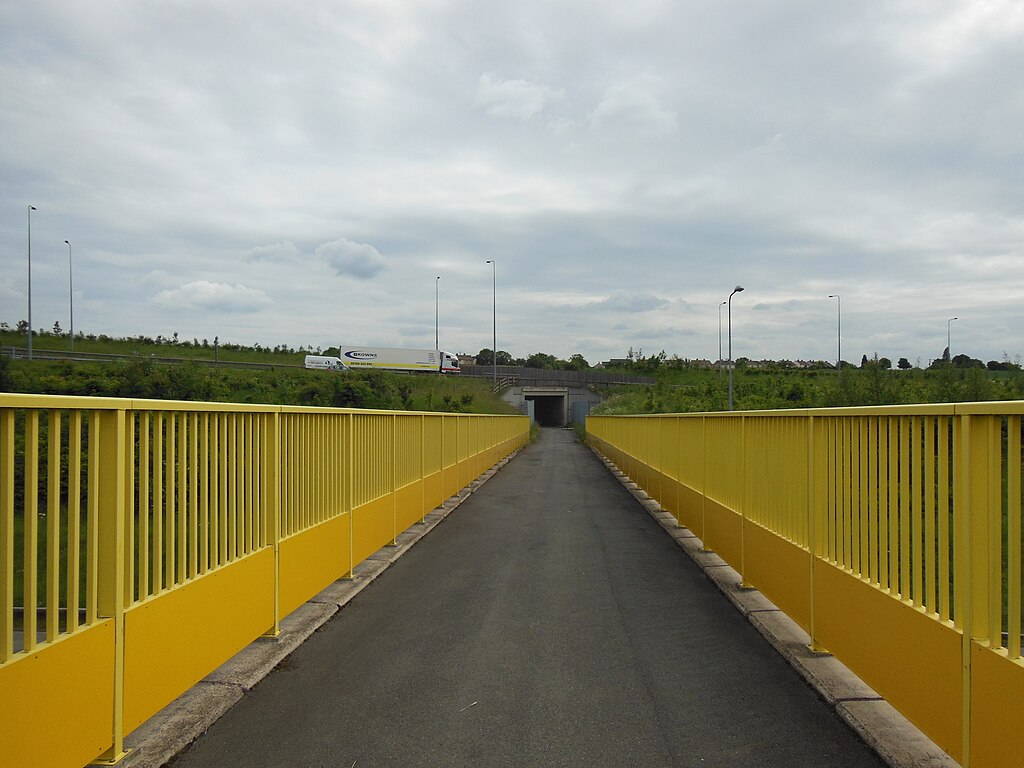
Beyond the pure engineering question of whether a bridge could support a dinosaur, practical safety considerations would arise in this hypothetical scenario. Bridge guardrails and barriers are designed for modern vehicle heights and impact forces, not 20-foot-tall prehistoric creatures. The behavioral unpredictability of dinosaurs would present significant safety management challenges compared to rule-following human drivers. Bridge width would become a critical factor—many modern highway lanes are only 12 feet wide, potentially insufficient for larger dinosaur species. Emergency response planning would require complete revision to address potential dinosaur-related bridge incidents. Traffic management systems would need specialized dinosaur detection capabilities and modified signal timing to accommodate their movement patterns. While these practical considerations extend beyond the structural question, they highlight the comprehensive engineering challenges that dinosaur traffic would present to modern infrastructure systems.
Comparing Earth Then and Now: Surface Conditions and Support
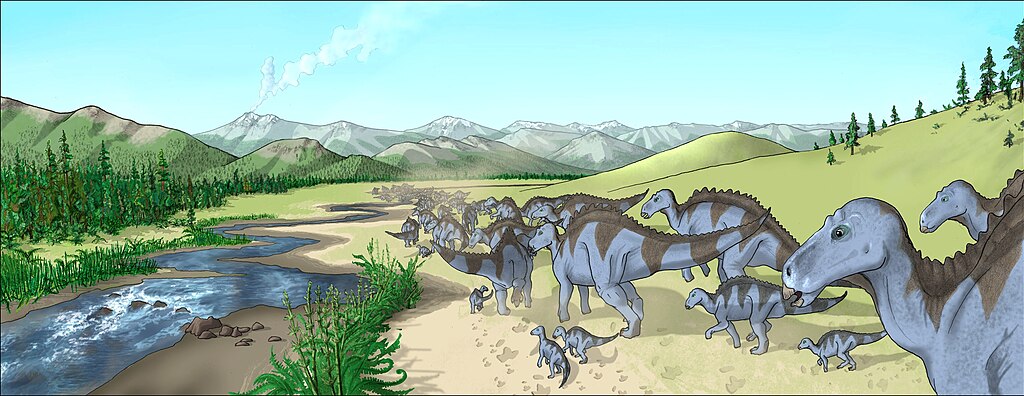
An often-overlooked aspect of our dinosaur bridge scenario involves the different environmental conditions between prehistoric times and today. The Earth during the Mesozoic Era had different atmospheric composition, gravity remained constant, but ground conditions varied significantly from modern engineered surfaces. Dinosaurs evolved to walk on relatively yielding natural surfaces—soil, sand, and vegetation—which absorbed and distributed impact forces differently than rigid concrete or steel bridge decks. This difference in surface compliance might affect dinosaur gait and loading patterns when walking on modern structures. Additionally, dinosaurs traversed landscapes where slight sinking into soft ground was normal, whereas modern bridge surfaces provide almost no give. This environmental contrast might cause dinosaurs to adjust their walking patterns, potentially creating unexpected loading conditions not accounted for in traditional bridge design parameters. The interplay between evolved locomotion patterns and modern engineered surfaces adds another layer of complexity to our analysis.
The Verdict: Bridge Survival by Dinosaur Type
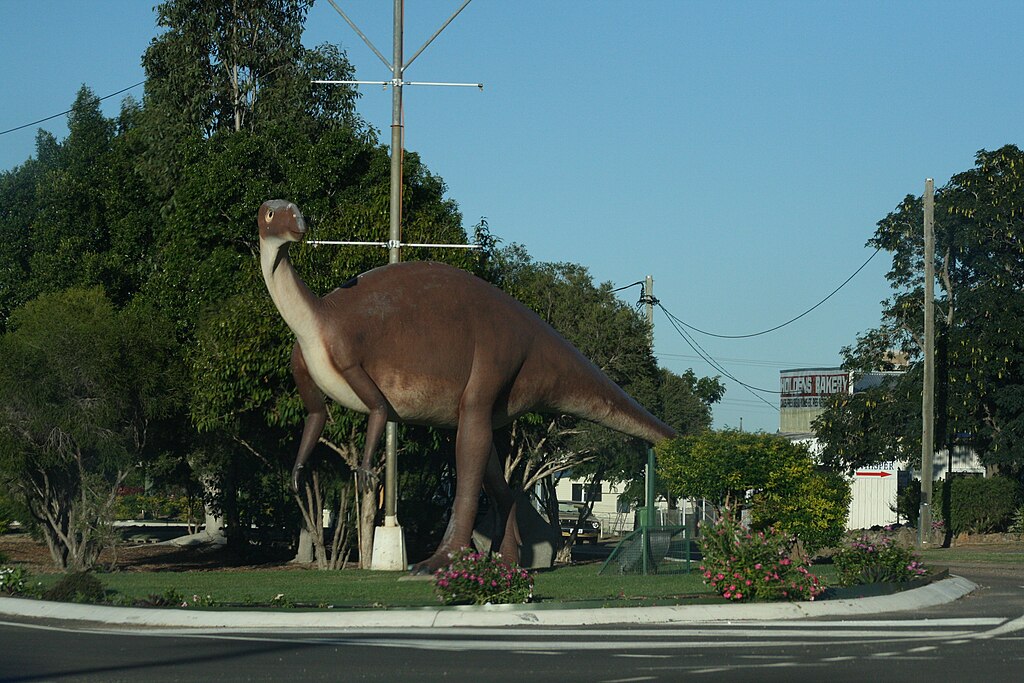
After examining multiple perspectives, we can offer some evidence-based conclusions about dinosaur bridge compatibility. Most modern highway bridges would likely support medium-sized dinosaurs (up to 10-15 tons) without significant risk of collapse, though dynamic loading effects might cause concerning vibrations. Large sauropods approaching 50-80 tons enter a gray area where bridge-specific analysis becomes necessary—major concrete beam bridges and modern steel truss designs would probably accommodate them, while lighter suspension bridges might face risks. The very largest dinosaurs, if they approached the upper weight estimates of 100+ tons, would require case-by-case engineering assessment and potentially specialized crossing structures. Smaller dinosaurs, including most predatory species, would pose little structural concern due to weights comparable to or less than modern vehicles. The variability in bridge designs means no single answer applies universally, but the impressive safety margins in modern engineering suggest many contemporary bridges could indeed support dinosaur crossings with appropriate precautions.
In conclusion, our journey through this unusual thought experiment reveals that modern engineering has created infrastructure remarkably capable of handling loads that would have been unimaginable when many bridges were first designed. While some of the largest dinosaurs might push certain bridges to their limits, many species could likely cross modern structures without causing catastrophic failure. The answer ultimately depends on specific factors: the dinosaur’s weight and movement pattern, the bridge’s design and condition, and the dynamic interactions between them. This exploration highlights both the impressive capabilities of modern engineering and the awe-inspiring scale of prehistoric life. Though we’ll thankfully never need to post actual dinosaur weight limits on our bridges, the question offers a fascinating lens through which to appreciate both engineering principles and paleontological wonders.


