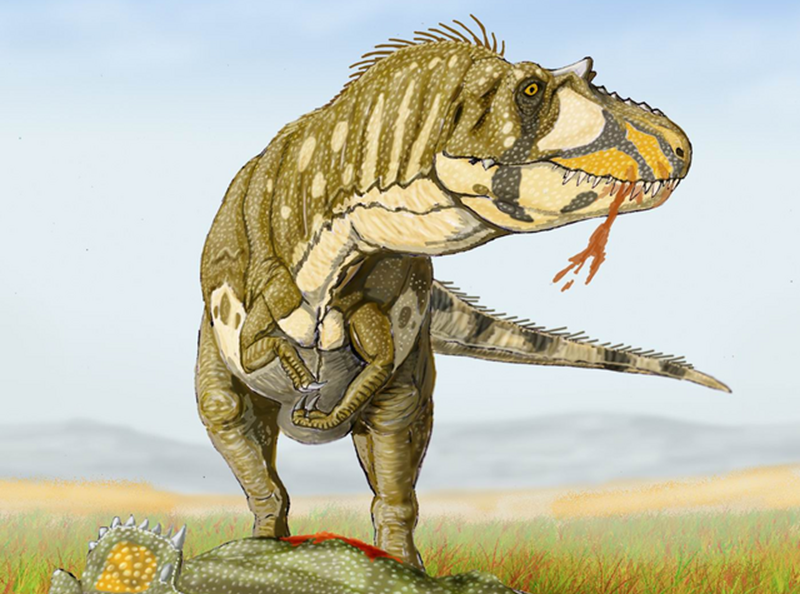
The concept of resurrecting dinosaurs through genetic engineering has captured human imagination for decades, most famously portrayed in the Jurassic Park franchise. What once seemed purely science fiction has gradually shifted closer to scientific discussion as genetic technologies advance at remarkable speeds. Recent breakthroughs in genomics, ancient DNA recovery, and genetic manipulation techniques have prompted serious scientific debate about whether de-extinction of long-lost species might someday be possible. Though significant technological and ethical hurdles remain, exploring the theoretical possibility of dinosaur revival offers fascinating insights into both paleontology and cutting-edge biotechnology.
The Science Behind Ancient DNA Recovery

Ancient DNA recovery represents one of the most fundamental challenges to any dinosaur revival scenario. DNA naturally degrades over time due to environmental factors like oxidation, hydrolysis, and radiation exposure. Scientific consensus suggests DNA has a half-life of approximately 521 years, meaning after approximately 6.8 million years, no readable genetic material would theoretically remain. Given that dinosaurs went extinct roughly 66 million years ago (excluding birds), recovering intact dinosaur DNA from fossils appears virtually impossible under current understanding. The oldest successfully sequenced DNA comes from a 700,000-year-old horse fossil preserved in permafrost conditions far more favorable for preservation than those of most dinosaur remains. Even this sample required cutting-edge techniques and represents a tiny fraction of dinosaur timeframes.
Birds as Living Dinosaurs

Modern birds represent the only living dinosaur descendants, classified scientifically as avian dinosaurs and belonging to the theropod lineage alongside famous prehistoric predators like Tyrannosaurus rex and Velociraptor. This evolutionary relationship provides a potential pathway for “reverse engineering” certain dinosaur traits through manipulation of bird genomes. Scientists have already identified genes in chickens that, when altered, can produce more dinosaur-like anatomical features, including leg bones resembling those of their ancient ancestors. In 2015, researchers at Harvard and Yale created chicken embryos with dinosaur-like snouts rather than beaks by manipulating protein expression. These experiments demonstrate that some dinosaur-like features remain latent within modern bird genomes, potentially accessible through genetic modification.
The Jurassic Park Scenario: Fact vs. Fiction

Michael Crichton’s novel and the subsequent film franchise popularized the concept of dinosaur revival through mosquitoes preserved in amber. The fictional scientists extract dinosaur blood from these insects, recover DNA, and fill genomic gaps with frog DNA. While amber can indeed preserve insects remarkably well, research has failed to verify the preservation of usable DNA within amber-trapped specimens. A highly publicized 1993 study claiming to have recovered 125-million-year-old DNA from amber-preserved insects was later debunked as contamination. The scenario further oversimplifies the complexity of genomic assembly—even with fragments of authentic dinosaur DNA, scientists would need a complete genome map to reconstruct a functioning organism. The “fill-in-the-gaps” approach with frog DNA represents another scientific shortcut that vastly underestimates genetic complexity and compatibility issues between species separated by millions of years of evolution.
De-Extinction Technologies and Their Limitations

Several approaches to de-extinction have been proposed or attempted with more recently extinct species, though each presents substantial challenges when considering dinosaur revival. Cloning, successfully used to create Dolly the sheep in 1996, requires viable cells with intact nuclei—impossible for dinosaurs, given DNA degradation over time. Genome editing using CRISPR-Cas9 technology allows precise modification of living organisms’ DNA but requires a template of the desired genome, which doesn’t exist for dinosaurs. Back-breeding, which selects for ancestral traits in modern descendants, might theoretically produce animals with increasingly dinosaur-like characteristics, but would be limited to characteristics still genetically present in bird populations. The most promising but still highly theoretical approach involves synthetic biology—creating artificial DNA sequences based on predicted dinosaur genomes—yet this would require far greater understanding of dinosaur genetics than currently possible.
Paleogenomics: Reading the Genetic History of Life
Paleogenomics—the study of ancient genomes—has made remarkable advances in reconstructing genetic information from extinct species, though it remains far from dinosaur recovery capability. Scientists have successfully sequenced genomes from Neanderthals, woolly mammoths, and even a 700,000-year-old horse, revealing insights into their biology and evolutionary relationships. These achievements rely on exceptionally well-preserved specimens, typically from cold environments that slow DNA degradation. Molecular paleontology has also identified protein fragments and other biomolecules from dinosaur fossils, most notably collagen sequences from Tyrannosaurus rex and Brachylophosaurus canadensis fossils. While proteins survive longer than DNA and provide some biological information, they represent only a tiny portion of the genetic material needed to recreate an organism. These discoveries, however, offer tantalizing glimpses into dinosaur biology and demonstrate that some biomolecular information can potentially survive across geological timescales.
The Atavism Approach: Awakening Dormant Genes
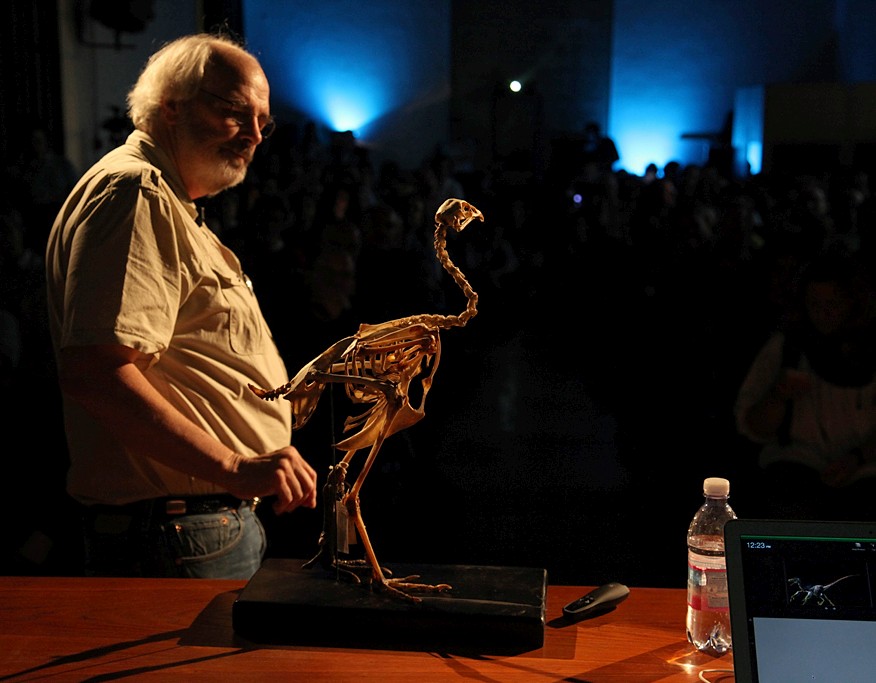
Atavism—the reappearance of ancestral traits after generations of absence—offers another theoretical pathway to recreating dinosaur-like organisms. Paleontologist Jack Horner proposed the “chickenosaurus” project, which aims to reactivate dormant dinosaur genes in chicken embryos to produce more dinosaur-like creatures. This approach builds on developmental biology principles, targeting genes that control the formation of tails, teeth, and arms instead of wings. Scientists have already achieved limited success in manipulating chicken embryos to develop dinosaur-like traits, including snout-like structures instead of beaks and leg bones resembling those of ancient dinosaurs. In 2018, researchers successfully isolated a gene that, when modified, gave chickens dinosaur-like teeth, though ethical guidelines prevented these embryos from developing to hatching. While these experiments demonstrate the theoretical validity of atavistic approaches, they remain far from creating a true dinosaur, instead producing chimeric organisms with selected dinosaur-like features.
Ecological and Habitat Considerations

Beyond the technical challenges of genetic resurrection, creating viable dinosaur populations would require suitable habitats—environments dramatically different from today’s world. The Mesozoic Era featured dramatically different atmospheric compositions, with oxygen levels fluctuating between 10% and 30% (compared to today’s 21%) and generally higher carbon dioxide concentrations. Plant life during dinosaur times differed substantially from modern flora, with many dinosaur species evolving to consume specific plant types now extinct or rare. Climate patterns have shifted dramatically, with generally warmer global temperatures and different continental arrangements during dinosaur times. Creating artificial environments mimicking Mesozoic conditions might be necessary for dinosaur survival, raising questions about whether revived dinosaurs could realistically integrate into any natural ecosystem. These ecological requirements present substantial challenges beyond the already formidable task of genetic resurrection.
Ethical Dimensions of Dinosaur Revival
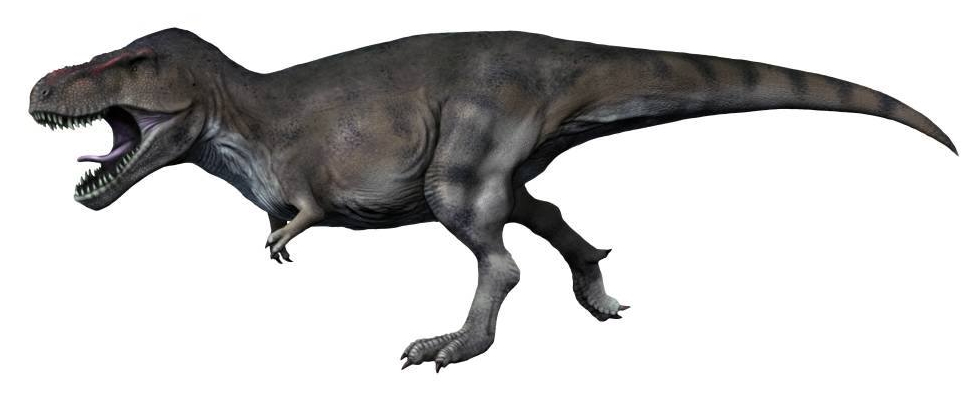
The ethics of dinosaur de-extinction present complex questions that parallel broader debates in biotechnology and conservation. Animal welfare concerns stand paramount, as revived dinosaurs would likely experience health issues and potentially considerable suffering, given our incomplete understanding of their biology and the mismatch between their adaptations and modern environments. Resource allocation questions arise when considering the enormous scientific investment required for such speculative endeavors, while existing conservation crises receive inadequate funding. The unpredictable ecological impact of introducing predators that evolved in radically different ecosystems could potentially devastate modern environments unprepared for such species. Philosophical questions about humanity’s relationship with extinction and natural processes also emerge—some argue that de-extinction represents human hubris in attempting to reverse natural evolutionary outcomes. These ethical complexities accompany the scientific challenges, suggesting that “could we?” may ultimately matter less than “should we?”
Commercial and Entertainment Applications
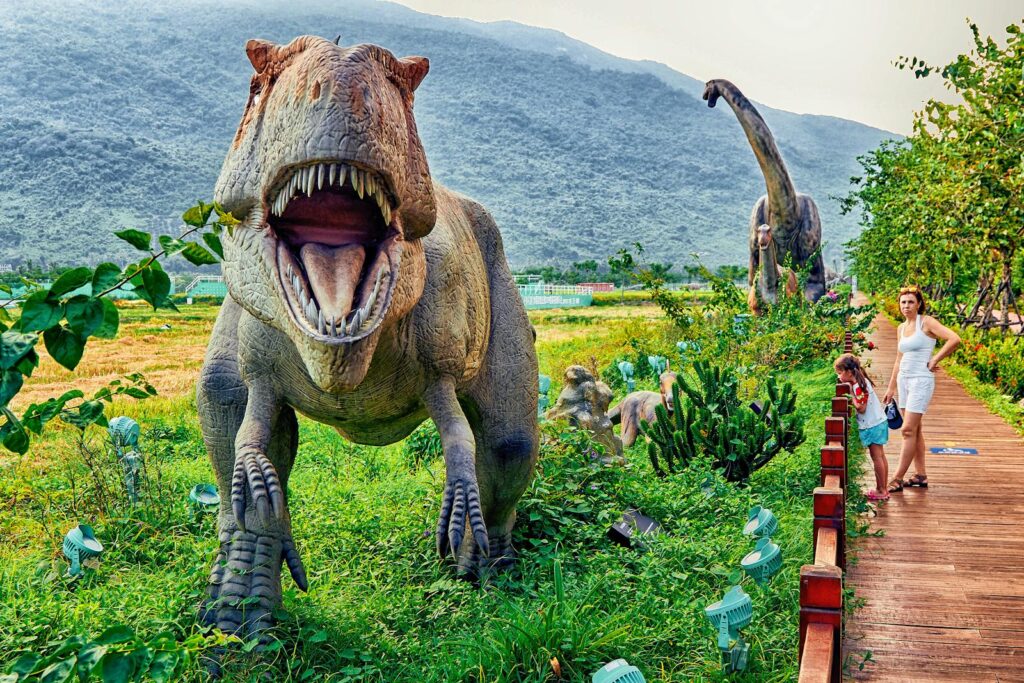
The commercial potential of dinosaur revival undeniably influences research and public interest in the field. Theme park attractions featuring genetically engineered dinosaur-like creatures would likely generate enormous revenue, as evidenced by the multi-billion-dollar success of the Jurassic Park/World franchise. Biotechnology patents related to de-extinction technologies hold substantial commercial value even before achieving complete dinosaur revival. Educational institutions like museums and science centers could potentially display living specimens that approximate dinosaur characteristics, revolutionizing paleontology education and public engagement. Pharmaceutical and medical applications might emerge from dinosaur genetics research, with unique proteins or biological mechanisms potentially offering novel therapeutic approaches. These commercial incentives may accelerate research even when complete dinosaur revival remains speculative, potentially yielding technological advances applicable to more immediately achievable scientific goals.
Legal Frameworks for De-Extinction
Current legal systems remain largely unprepared for the regulatory challenges of dinosaur de-extinction. Existing endangered species protections typically apply only to currently or recently existing species, creating ambiguity regarding the legal status of revived prehistoric life. Intellectual property questions complicate matters further, raising debates about whether genetically engineered dinosaurs would constitute patentable innovations or natural entities outside patent protection. International biosafety protocols designed to regulate genetically modified organisms would require substantial adaptation to address organisms with no ecological precedent in modern times. Liability issues surrounding potential escapes or unintended consequences of dinosaur revival remain largely unaddressed in legal frameworks. The governance challenges extend beyond national boundaries, suggesting that international agreements would be necessary before any serious de-extinction efforts could proceed, especially for potentially dangerous predatory species.
Recent Breakthroughs in Relevant Technologies
While complete dinosaur revival remains theoretical, adjacent technologies continue advancing at remarkable speeds. CRISPR-Cas9 gene editing has revolutionized genetic modification capabilities, allowing precise DNA alterations that might eventually enable the reconstruction of dinosaur-like traits in modern animals. Ancient DNA sequencing techniques have dramatically improved, now capable of reconstructing partial genomes from specimens over a million years old, still far from dinosaur timescales, but representing significant progress. Synthetic biology advances now permit the creation of entirely artificial DNA sequences and even synthetic life forms, potentially applicable to recreating organisms from predicted genetic information. Embryonic development manipulation techniques have successfully altered modern birds to express dormant dinosaur-like characteristics, demonstrating the biological plasticity of avian development. Computational paleogenomics uses machine learning to predict likely genetic sequences of extinct organisms based on evolutionary relationships and fossil evidence, potentially offering insights into dinosaur genetics without actual DNA samples.
Alternative Pathways to “Dinosaur” Creation

Beyond direct genetic resurrection, several alternative approaches might create dinosaur-like organisms or experiences. Holographic and virtual reality technologies advance steadily toward creating immersive dinosaur experiences based on scientific data without biological resurrection. Robotic dinosaurs with artificial intelligence could potentially simulate dinosaur behavior based on biomechanical models derived from fossil evidence. Extensive genetic modification of modern reptiles or birds might produce novel creatures with selected dinosaur-like features without attempting true dinosaur recreation. Creating entirely synthetic organisms with dinosaur-like characteristics represents another possibility as synthetic biology capabilities improve. These alternatives might satisfy scientific curiosity and public fascination with dinosaurs while avoiding many ethical and practical challenges of true resurrection efforts, potentially offering more achievable pathways to experiencing dinosaur-like organisms.
The Scientific Consensus and Future Possibilities

The current scientific consensus holds that complete dinosaur resurrection remains firmly in the realm of science fiction due to insurmountable DNA degradation issues. Most paleontologists and geneticists consider the recovery of intact dinosaur DNA biologically impossible, given the time elapsed since their extinction. However, many scientists acknowledge that creating organisms with selected dinosaur-like characteristics through manipulation of bird genomes represents a more plausible, if limited, approach. The continuing rapid advancement of biotechnology suggests that capabilities unimaginable today may emerge in the coming decades. While complete resurrection may remain impossible, our understanding of dinosaur biology through genetics will likely continue advancing through molecular paleontology and comparative genomics. The most scientifically realistic outcome may be genetically modified birds expressing increasing numbers of dinosaur-like traits, providing valuable insights into evolutionary developmental biology while satisfying some of our curiosity about these magnificent prehistoric creatures.
Genetic Engineering and the Quest to Resurrect Dinosaurs

The dream of resurrecting dinosaurs through genetic engineering captures something fundamental about human curiosity and our relationship with the natural world. While complete dinosaur revival faces seemingly insurmountable scientific challenges, particularly the degradation of DNA over millions of years, the pursuit itself drives innovation across multiple scientific disciplines. The most likely outcomes may not be the towering Tyrannosaurus of Jurassic Park fame, but rather birds genetically modified to express ancestral dinosaur traits, offering glimpses into evolutionary history. As genetic technologies continue advancing, the boundaries between science fiction and scientific possibility will undoubtedly shift, potentially bringing us closer to understanding—if not fully recreating—the magnificent creatures that once ruled our planet. Whatever the ultimate technical feasibility, the ethical dimensions of such work ensure that dinosaur de-extinction will remain a compelling intersection of science, philosophy, and human imagination for generations to come.