Dinosaurs dominated Earth for approximately 165 million years, evolving diverse body forms and ecological roles before their mass extinction 66 million years ago. While mammals ultimately inherited the planet and developed intelligence leading to technological civilization, a tantalizing question remains: could dinosaurs have evolved advanced societies had they survived? This speculative inquiry invites us to examine evolutionary pathways, cognitive development, and the biological foundations of intelligence to explore an alternate timeline where the asteroid missed Earth and dinosaurs continued their evolutionary journey.
The Cognitive Potential Already Present in Dinosaurs

Evidence from fossil records and comparisons with modern avian descendants suggests some dinosaurs possessed significant cognitive capabilities. Troodontids, a family of small theropod dinosaurs, had brain-to-body size ratios comparable to those of primitive birds and some modern reptiles. Studies of endocranial casts reveal expanded cerebral regions associated with higher processing, particularly in species like Stenonychosaurus. Behavioral complexity inferred from fossil evidence indicates social dynamics, parental care, and problem-solving abilities in certain dinosaur species. These cognitive foundations, while modest compared to modern humans, represented a platform from which greater intelligence could potentially have evolved under the right selective pressures.
Avian Intelligence as a Dinosaur Legacy

Birds, the only surviving dinosaur lineage, offer compelling evidence for dinosaurian cognitive potential. Modern corvids (ravens, crows) and parrots demonstrate remarkable intelligence, including tool use, symbolic reasoning, and complex social behaviors. New Caledonian crows fashion specialized tools from various materials, showing cultural transmission and innovation. African grey parrots comprehend abstract concepts and demonstrate linguistic capabilities once thought unique to primates. These cognitive abilities evolved within relatively small-bodied animals, suggesting that brain efficiency, rather than size alone, determines intelligence potential. The neural architecture supporting avian intelligence emerged from theropod dinosaur brains, indicating cognitive evolution was already underway in the Mesozoic era.
The Evolutionary Pressure Toward Intelligence

Intelligence emerges when environmental and social conditions favor expanded cognitive capabilities. For humans, a combination of factors, including predator avoidance, resource competition, climate variability, and complex social dynamics, drove brain development. Similar pressures existed in dinosaur ecosystems. Predator-prey dynamics would have favored improved sensory processing and decision-making. Complex social structures evident in herd-forming dinosaurs would have selected for enhanced social cognition. Environmental challenges like seasonal changes would have rewarded planning capabilities and behavioral flexibility. The absence of humans as ecological competitors would have left open numerous cognitive niches that dinosaurs could have evolved to fill, potentially leading to specialized intelligence adapted to diverse habitats and lifestyles.
Physical Adaptations Necessary for Technology

Advanced societies require not just intelligence but physical adaptations conducive to tool manipulation and technological development. The human hand, with its opposable thumb and fine motor control, proved crucial for our technological advancement. Among dinosaurs, small theropods like Dromaeosaurids and Troodontids possessed three-fingered hands with significant dexterity and grasping abilities. These adaptations, originally evolved for predation, could potentially have been repurposed for tool use under different selective pressures. Fossil evidence already suggests some dinosaurs possessed remarkable manipulative abilities, with flexible wrists and digits capable of precision grips. Over millions of years of additional evolution, these physical adaptations might have refined further to support increasingly sophisticated tool use and eventually, technological development.
Social Structures as Foundations for Cooperation

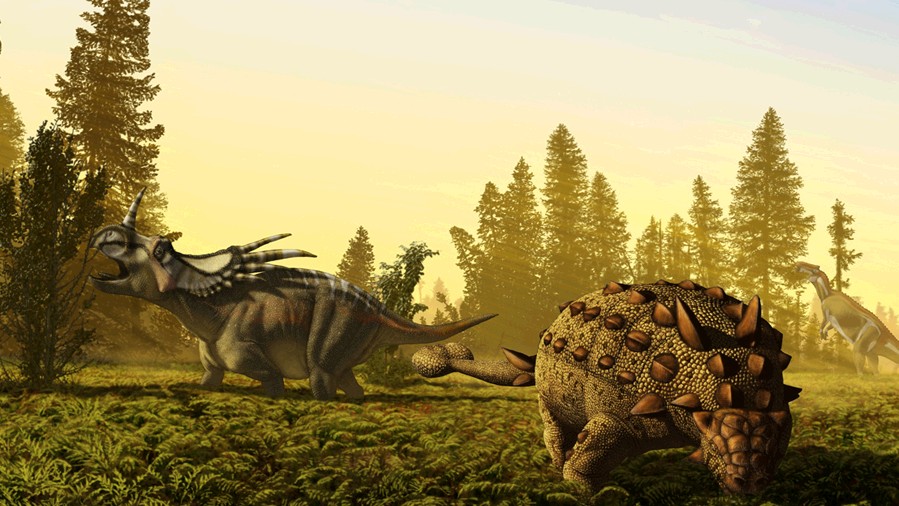
Advanced societies require cooperative social structures that enable knowledge sharing and collaborative problem-solving. Fossil evidence strongly suggests many dinosaur species were highly social, living in complex groups with apparent hierarchical structures. Hadrosaur and ceratopsian bonebeds indicate large herds with age-segregated social organization. Trackway evidence shows coordinated movement patterns, suggesting sophisticated group dynamics. Nesting colonies of species like Maiasaura demonstrate extended parental care and potentially multi-generational social learning. These social foundations provide the framework upon which cultural transmission and cooperative technologies could develop. The complex social behaviors observed in modern birds, including cooperative breeding and communal problem-solving, further suggest their dinosaur ancestors possessed the neurological hardware for sophisticated social cognition.
Alternative Evolutionary Pathways to Intelligence
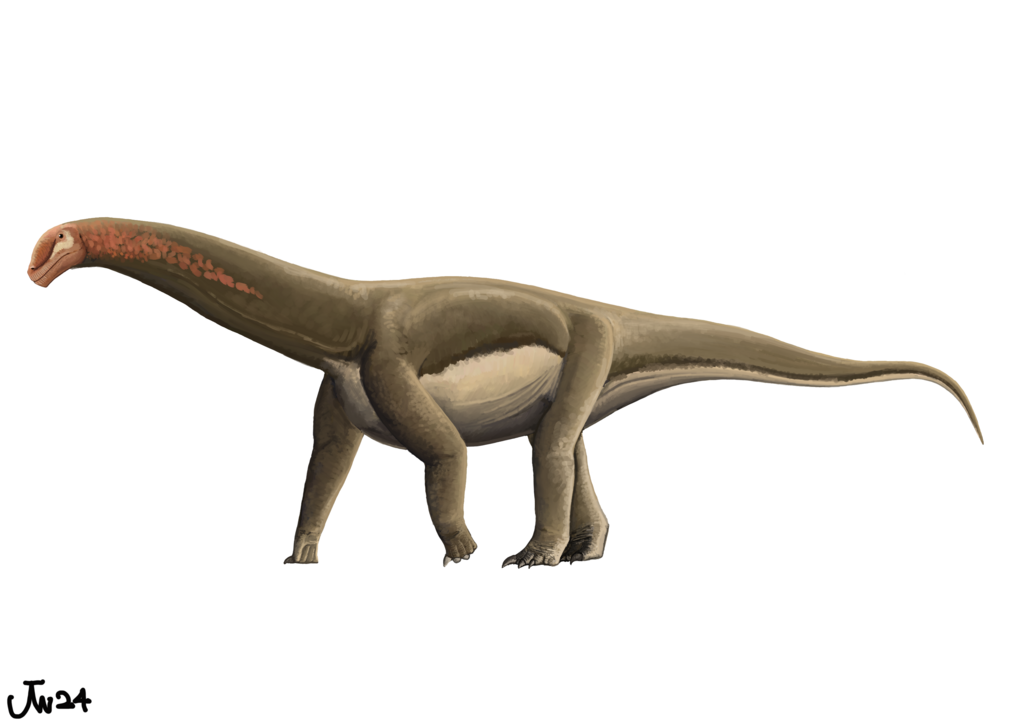
Human-like intelligence represents just one evolutionary pathway to advanced cognition, and dinosaurs might have developed entirely different forms of intelligence suited to their unique biology. The decentralized nervous systems of large sauropods could have evolved distributed intelligence networks, creating collective problem-solving capabilities unlike mammalian centralized cognition. Sensing adaptations might have led to intelligence based primarily on non-visual information processing, such as infrasound communication in hadrosaurs or the electromagnetic sensitivity observed in some modern birds. Pack-hunting theropods might have developed specialized social intelligence focused on coordinated group actions rather than individual problem-solving. These alternative cognitive models could have produced societies fundamentally different from human civilization, potentially solving problems and creating technologies in ways we would struggle to recognize as “intelligent” from our mammalian perspective.
Environmental and Ecological Factors
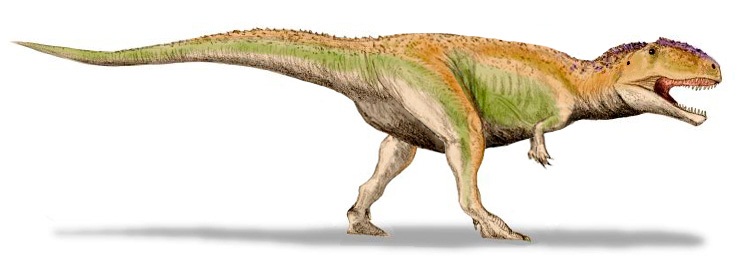
Environmental conditions significantly influence technological development, as demonstrated by human history, where geography shaped cultural and technological evolution. The late Cretaceous world featured different continental arrangements, climate patterns, and resource distributions than the Cenozoic era of mammalian dominance. Higher oxygen levels might have supported larger brains in terrestrial species, potentially accelerating cognitive evolution. The abundance of large herbivores could have created resource surpluses supporting specialist castes within dinosaur societies. Stable tropical and subtropical environments might have reduced immediate survival pressures, allowing for experimentation and innovation. Conversely, gradual cooling trends might have created selective pressure for technological solutions to environmental challenges, similar to how ice ages influenced human tool development.
The Timeline of Potential Intelligence Evolution
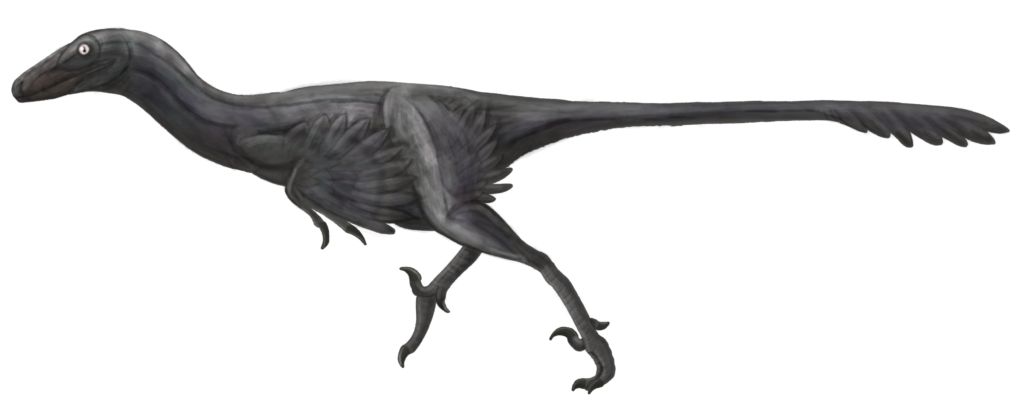
Evolutionary timescales provide perhaps the most compelling argument for dinosaur intelligence potential. Mammals required approximately 65 million years from the dinosaur extinction to develop human-level intelligence. Had dinosaurs survived the Cretaceous-Paleogene extinction event, they would have had equivalent time for continued cognitive evolution. The pace of encephalization (brain growth relative to body size) was already increasing in certain theropod lineages. Based on observed evolutionary rates, paleontologists estimate that particularly promising groups like troodontids could have achieved primate-level intelligence within 10-15 million years of continued evolution under the right selective pressures. Within 30-50 million years, truly advanced cognitive capabilities might have emerged, potentially supporting sophisticated social structures and early technological development by what would have been our present day.
Communication Systems and Language Potential

Advanced societies require sophisticated communication systems for knowledge sharing and coordination. Evidence suggests many dinosaur species had complex vocal capabilities. Hadrosaurs possessed elaborate hollow crests likely functioning as resonance chambers for communication. Analysis of tyrannosaurid brain cases indicates well-developed structures for processing auditory information. Modern birds demonstrate remarkable vocal learning abilities, suggesting this capacity may have existed in their dinosaur ancestors. Beyond vocalizations, visual display structures like crests, frills, and colorful feathers could have evolved into sophisticated signaling systems. These communication foundations could potentially have developed into symbolic language systems over millions of years of additional evolution, especially in highly social species where information sharing conferred significant survival and reproductive advantages.
Energy Requirements and Resource Management
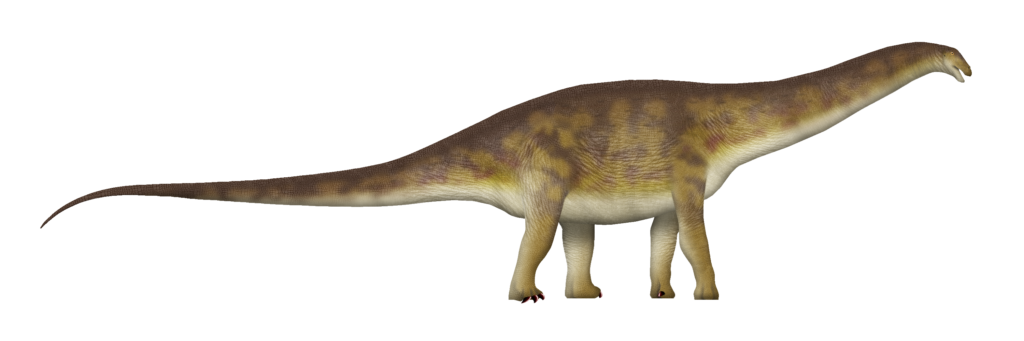
Advanced societies require surplus energy to support specialized roles beyond basic survival. Dinosaurs exhibited diverse metabolic adaptations, with evidence increasingly suggesting many species maintained elevated metabolic rates similar to modern birds. Large herbivorous dinosaurs efficiently processed massive quantities of plant material, potentially creating resource surpluses supporting population growth and specialization. Warm-blooded dinosaurs would have required strategies for energy conservation and resource management, potentially driving the development of shelter-building and environmental modification. The evolution of agriculture represents a crucial step in human societal development, and certain dinosaur species might have developed analogous practices to ensure food security, such as forest management or primitive cultivation of preferred food plants.
Potential Dinosaur Technologies
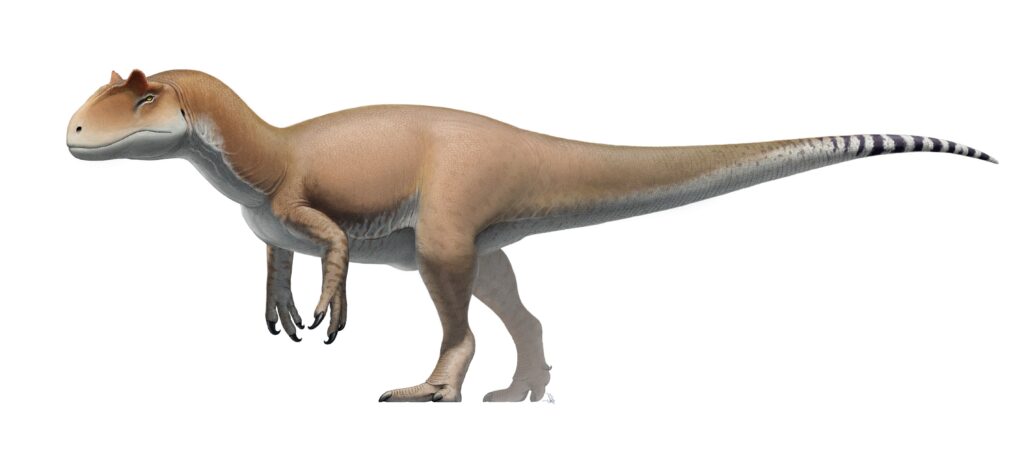
Dinosaur technology would likely reflect their unique biology and environmental challenges rather than mimicking human technological development. Theropods with manipulative forelimbs might have developed tools extending their natural hunting abilities, such as throwing implements or trapping mechanisms. Social herbivores might have created defensive structures protecting vulnerable young from predators, eventually leading to constructed habitations. Environmental modification would likely figure prominently, with possible irrigation systems for managing plant resources in seasonal environments. Thermal regulation technologies might have emerged to support cold-weather survival for warm-blooded species. Rather than metalworking, which requires precise manipulation and controlled fire, dinosaur technologies might have emphasized biological materials and chemical processes, potentially developing sophisticated biochemical technologies based on fermentation or plant-derived compounds.
The Multi-Species Society Hypothesis
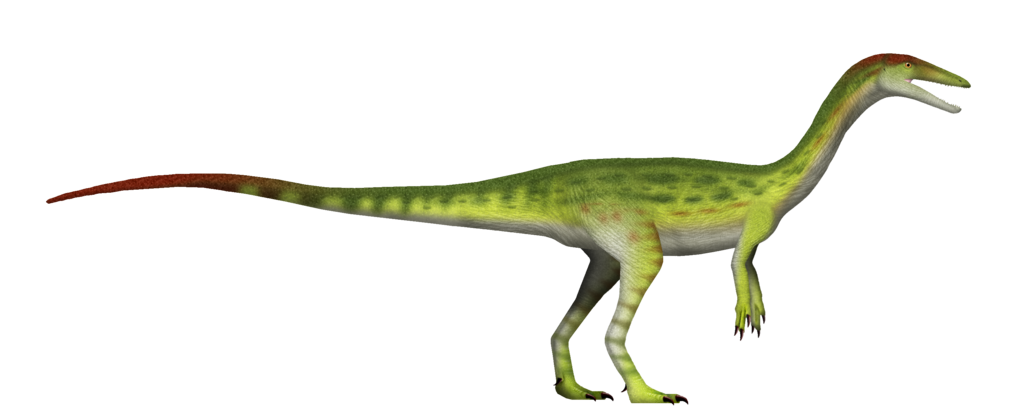
Perhaps the most intriguing possibility is that dinosaur societies might have transcended species boundaries, creating multi-species cooperative systems unlike anything in human experience. Modern ecosystems offer examples of mutualistic relationships between species, and dinosaurs might have developed these into more sophisticated arrangements. Intelligent herbivores and carnivores might have established complex relationships balancing predation with protection and resource sharing. Small, dexterous theropods might have formed symbiotic relationships with larger species possessing different capabilities. This could have led to complementary cognitive specialization, with different species contributing distinct forms of intelligence to solve collective challenges. Such multi-species societies would represent a fundamentally different evolutionary path to civilization than the human model of single-species dominance, potentially creating more integrated ecological systems where technology developed within rather than against natural processes.
Scientific Limitations of the Hypothesis
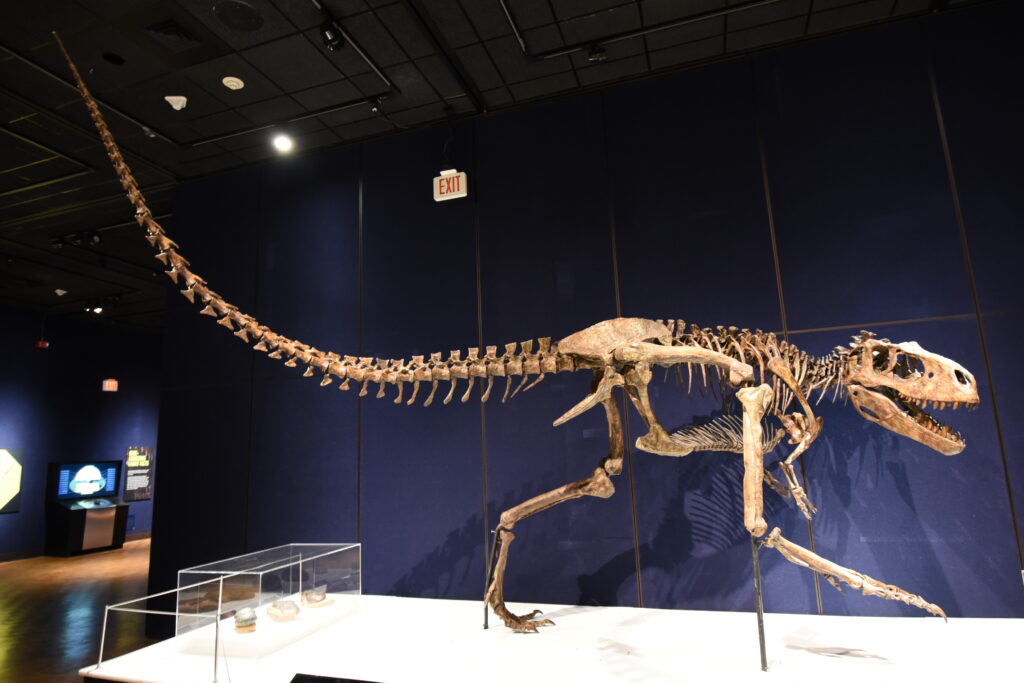
Despite the fascinating possibilities, significant scientific limitations constrain our ability to evaluate this speculative scenario. Intelligence leaves minimal direct evidence in the fossil record, forcing reliance on indirect indicators like brain size and morphology. The contingent nature of evolutionary history means even slight variations in climate, asteroid impacts, or volcanic activity could have dramatically altered evolutionary trajectories. Modern understanding of intelligence remains heavily biased toward human cognition, potentially blinding us to alternative forms of intelligence. Without observational data of dinosaur behavior, many assumptions about their social structures and cognitive potential remain unverifiable hypotheses. Ultimately, while the physical potential for dinosaur intelligence exists, whether the necessary selective pressures would have aligned to produce technological societies remains an open question that extends beyond current scientific methodologies.
Conclusion

The question of whether dinosaurs could have developed advanced societies represents a fascinating thought experiment at the intersection of paleontology, evolutionary biology, and cognitive science. The evidence suggests certain dinosaur lineages possessed the biological foundations—neural, physical, and social—from which intelligence might have evolved under the right conditions. Their avian descendants demonstrate remarkable cognitive capabilities even within relatively small brains, suggesting that efficiency rather than size determines intelligence potential. While dinosaur societies would likely have differed dramatically from human civilization, reflecting their unique biology and evolutionary history, the temporal opportunity for continued cognitive evolution over 66 million years makes the development of some form of advanced society a genuine possibility in this alternate timeline. This speculative inquiry not only illuminates the contingent nature of evolutionary history but also broadens our conception of intelligence beyond humanocentric models.