The idea of dinosaurs forming complex societies similar to human civilizations has captured the imagination of science fiction writers and paleontologists alike. For over 160 million years, dinosaurs dominated Earth’s terrestrial ecosystems, evolving into countless species with diverse physical adaptations and behaviors. While we have no concrete evidence that dinosaurs developed civilization-like social structures, examining what we know about dinosaur biology, behavior, and comparing them with modern social animals allows us to explore this fascinating thought experiment. This article delves into the question of whether dinosaurs could have potentially developed complex societies if their evolutionary trajectory had continued uninterrupted by the extinction event 66 million years ago.
The Neurological Requirements for a Complex Society

Complex societies typically require advanced cognitive abilities supported by significant brain development. When examining dinosaur neuroanatomy through endocasts (molds of brain cavities), most species show relatively small brain-to-body-mass ratios compared to mammals. However, certain theropod dinosaurs, particularly dromaeosaurs and troodontids, possessed larger brain cases relative to their body size. These dinosaurs had expanded cerebral hemispheres, suggesting enhanced cognitive capabilities compared to other dinosaur groups. Despite these adaptations, even the most neurologically advanced dinosaurs didn’t approach the encephalization quotients of modern social mammals like primates or cetaceans, which may have limited their potential for developing complex cultural or technological societies. Nevertheless, brain size alone doesn’t necessarily dictate social complexity, as demonstrated by highly social insects with tiny brains.
Social Behaviors in the Fossil Record
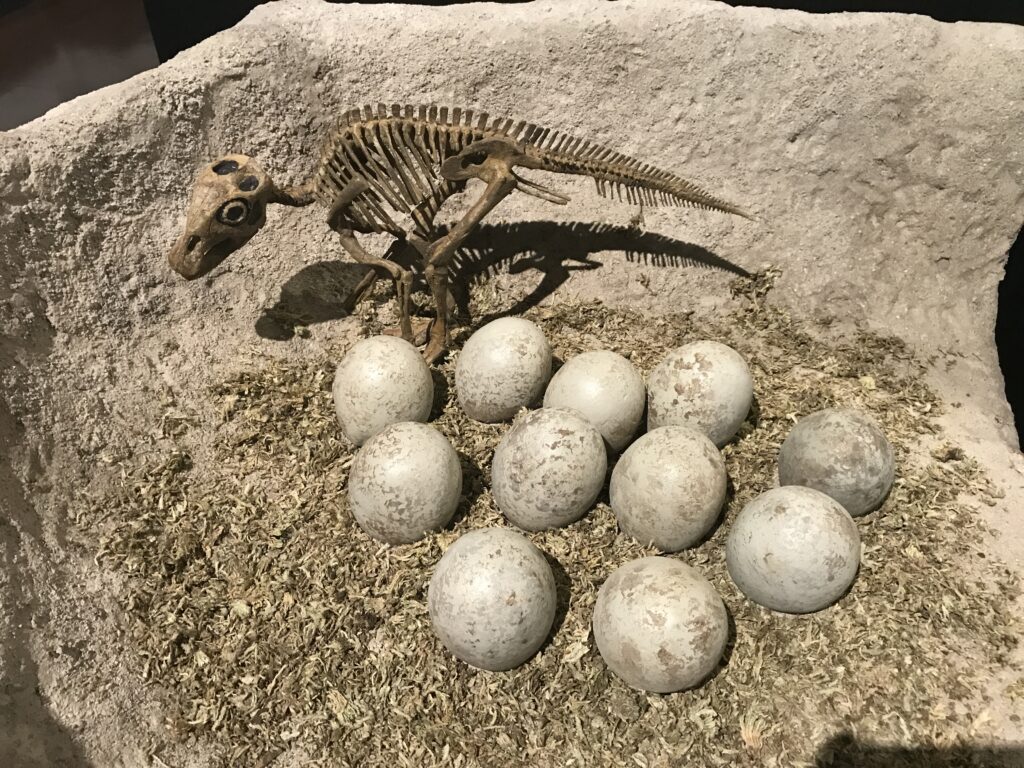
The fossil record provides tantalizing glimpses into dinosaur social behaviors that could have formed foundations for more complex societies. Multiple bonebeds containing numerous individuals of the same species suggest some dinosaurs lived in groups. Maiasaura nesting grounds indicate communal breeding and potentially cooperative care of young. Trackways showing multiple individuals moving in the same direction suggest coordinated movement and possibly hunting in some theropods. Evidence of healings from severe injuries in some specimens suggests individuals could survive while temporarily incapacitated, potentially indicating group support. These social behaviors, while not necessarily indicators of complex societies, demonstrate that many dinosaur species weren’t solitary creatures but engaged in various forms of social interaction that could theoretically evolve into more complex social structures given sufficient time and selective pressures.
The Intelligence of Troodontids and Dromaeosaurs
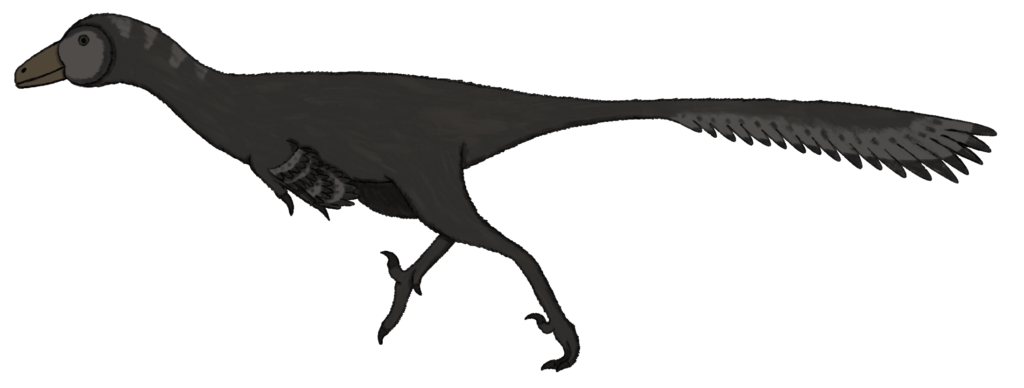
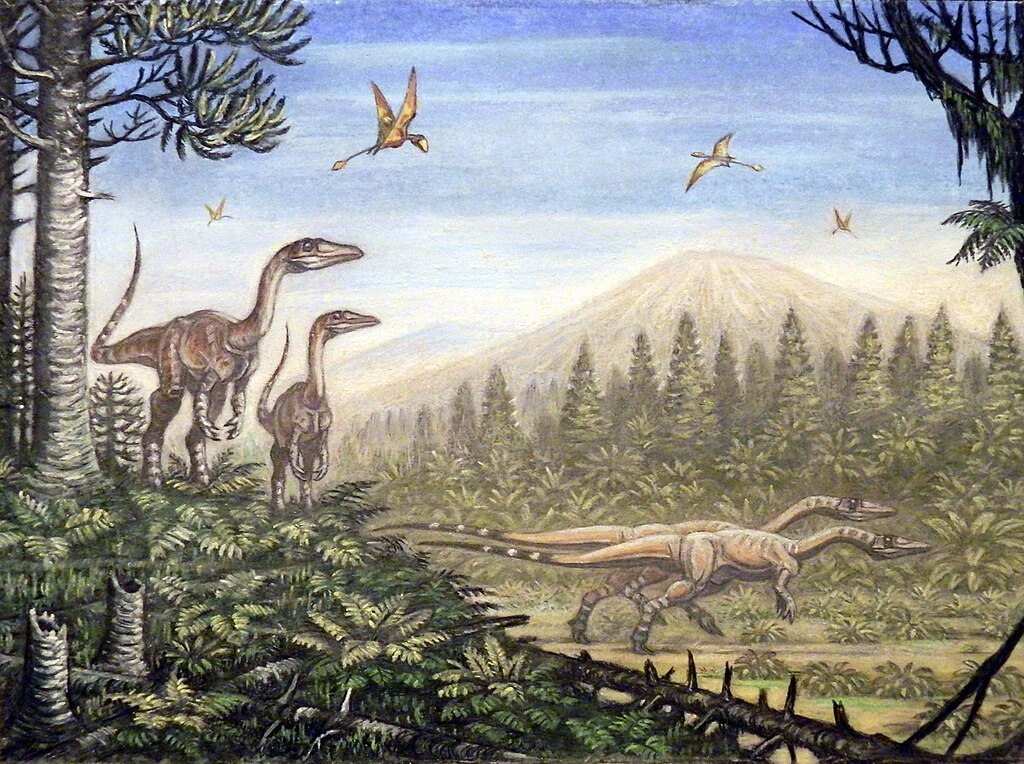
Among dinosaurs, the small, bird-like theropods in the families Troodontidae and Dromaeosauridae stood out for their relatively high intelligence. These dinosaurs possessed brain-to-body mass ratios comparable to those of some modern birds, suggesting cognitive abilities far beyond what is typically assumed for dinosaurs. Troodon formosus, in particular, is often cited as potentially the most intelligent dinosaur, with a brain size proportionally six times larger than that of other dinosaurs of similar size. These animals had enlarged cerebral hemispheres, good vision, and highly coordinated movement. Their apparent intelligence, combined with evidence suggesting pack behavior in some dromaeosaurs like Deinonychus, indicates these dinosaurs may have had the neurological foundation necessary for complex social organization. If their evolutionary trajectory had continued, these dinosaur lineages might have developed increasingly sophisticated social structures over millions of years.
Communication Capabilities of Dinosaurs
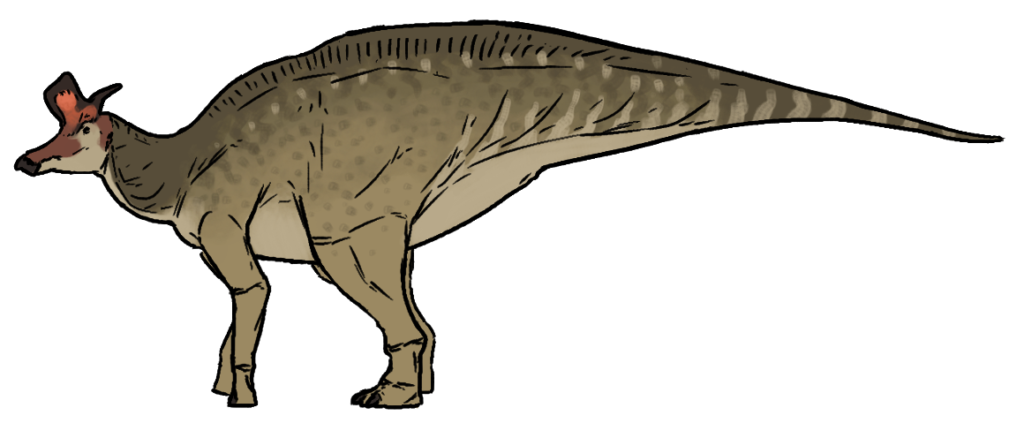
Complex societies require effective communication systems, and dinosaurs possessed various anatomical features suggesting communication abilities. Many hadrosaurs had elaborate hollow crests that likely functioned as resonating chambers for producing sounds. Lambeosaurines like Parasaurolophus had crests reaching over 1.5 meters in length, capable of producing distinctive low-frequency sounds for long-distance communication. Beyond vocalizations, many dinosaurs exhibited visual display structures like crests, frills, and color patterns that could have served as communication signals within social groups. Recent research on dinosaur hearing suggests many species could detect a range of frequencies suitable for intraspecies communication. While these communication methods may not have approached the complexity of human language, they could have supported coordination within groups and potentially become more sophisticated over evolutionary time.
Tool Use Potential in Theropod Dinosaurs

The development of complex societies often correlates with tool use, which requires both cognitive capability and appropriate physical adaptations. While no direct evidence of dinosaur tool use exists, certain theropods possessed physical attributes that could have supported the manipulation of objects. The three-fingered hands of dromaeosaurs and troodontids featured opposable digits with considerable dexterity and strength. Some paleontologists speculate that if dinosaurs had continued evolving, these already specialized hands might have developed greater manipulative capabilities. However, even with dexterous forelimbs, most theropods would have faced limitations due to their body plan, with relatively short arms that couldn’t easily bring objects to their mouths or into their field of vision. These anatomical constraints might have significantly limited the development of sophisticated tool use, though simple object manipulation remains plausible for certain species.
Social Learning and Cultural Transmission

Complex societies typically involve the transmission of learned behaviors across generations, creating cultural knowledge that extends beyond instinct. Evidence for such capabilities in dinosaurs remains speculative but intriguing. Modern birds, the living descendants of theropod dinosaurs, demonstrate remarkable abilities for social learning and cultural transmission. New Caledonian crows fashion tools and pass these skills to offspring, while certain parrot species develop local “dialects” in their calls. If these cognitive traits have evolutionary roots in their dinosaur ancestors, it’s conceivable that dinosaurs possessed at least rudimentary capacities for social learning. Juvenile dinosaurs often spent extended periods with adults before reaching independence, providing ample opportunity for observational learning. Over millions of years, such capabilities might have evolved into more sophisticated systems of knowledge transmission that could support increasingly complex social structures.
Ecological Pressures and Social Evolution

The development of complex societies typically emerges in response to specific ecological pressures and opportunities. Dinosaurs occupied incredibly diverse ecological niches across millions of years, facing varying selective pressures that could have driven social evolution. Predation pressure might have favored group living in smaller herbivorous species, potentially leading to increasingly coordinated defensive behaviors. Resource distribution patterns could have encouraged cooperative foraging strategies in some lineages. The need to defend territories or access to mates might have selected for sophisticated social hierarchies and communication systems. Climate fluctuations throughout the Mesozoic Era would have presented adaptive challenges that might have favored group problem-solving approaches in some species. While none of these pressures necessarily leads to human-like societies, they provide plausible evolutionary pathways through which increasingly complex social behaviors might have developed in certain dinosaur lineages had they continued evolving.
Comparing Dinosaurs to Modern Social Animals
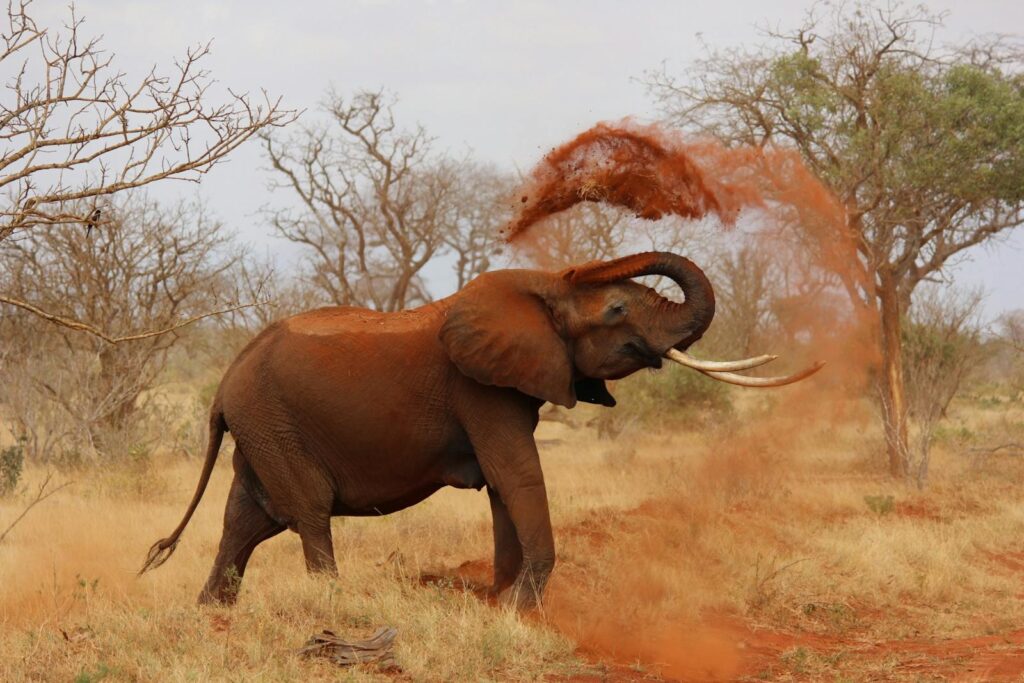
Examining highly social modern animals provides valuable insights into what dinosaur societies might have resembled. Elephants, with their matriarchal societies, extensive communication systems, and multi-generational knowledge transfer, could represent one model for large herbivorous dinosaurs like ceratopsians or hadrosaurs. Social carnivores like wolves, with their coordinated hunting tactics and complex pack hierarchies, might parallel potential social structures in pack-hunting theropods. Modern birds, especially highly social species like corvids, offer particularly relevant comparisons given their direct evolutionary relationship to dinosaurs. Notably, non-mammalian species like crocodilians show surprisingly complex social behaviors despite relatively small brain sizes, suggesting dinosaurs might have developed sophisticated social systems without mammal-like neurological adaptations. These comparisons suggest dinosaur societies, had they continued evolving, might have developed along unique evolutionary pathways rather than precisely mimicking mammalian social patterns.
Limitations in Dinosaur Technological Development
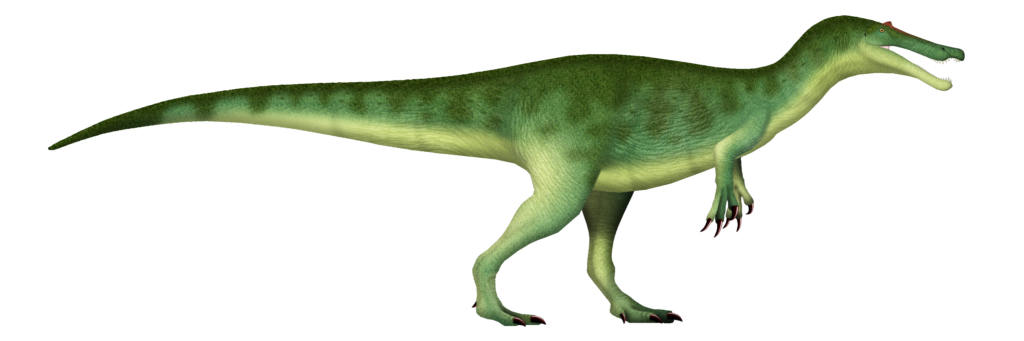
Even if dinosaurs had developed advanced cognitive and social capabilities, their physical anatomy would have imposed significant constraints on technological development. Most notably, dinosaurs lacked manipulative appendages comparable to human hands, with even the most dexterous theropods having limitations in range of motion and precision grip. The bipedal stance of many theropods meant their forelimbs were not free for manipulation while moving, unlike humans, who can walk and carry objects simultaneously. Dinosaur visual systems, while often highly developed, were typically positioned on the sides of their heads, limiting binocular vision necessary for fine manipulation. Additionally, dinosaur mouths, adapted primarily for feeding, couldn’t serve as a “third hand” the way primate mouths can temporarily hold objects. These physical constraints suggest that even intelligent, social dinosaurs would likely have developed non-technological forms of cultural complexity rather than tool-dependent civilizations resembling those of humans.
Alternative Evolutionary Pathways to Complexity
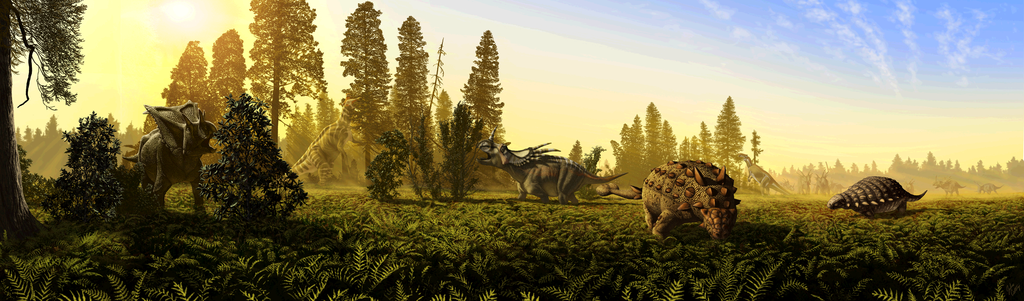
Complex societies need not follow the human model of technology-based civilization, and dinosaurs might have developed alternative forms of social complexity. Cooperative breeding systems seen in some dinosaur species could have evolved into elaborate social structures centered around communal care of young. Some dinosaur lineages might have developed complex communication systems based on vocalizations, displays, and perhaps even chemical signals, facilitating coordination within large groups. Seasonal migrations, evidenced in some dinosaur populations, could have become increasingly organized social endeavors requiring sophisticated navigation and leadership. Complex mating rituals, suggested by elaborate display structures in many dinosaur species, might have evolved into intricate social customs regulating reproduction within groups. These alternative pathways to complexity wouldn’t necessarily resemble human societies but could represent equally sophisticated adaptations to dinosaur lifestyles and ecological niches.
The Evolutionary Timeline Question

A critical factor in considering potential dinosaur societies is the evolutionary timeline. Dinosaurs dominated terrestrial ecosystems for approximately 165 million years, far longer than the roughly 6 million years since humans diverged from our last common ancestor with chimpanzees. This vast timespan provided ample opportunity for social and cognitive evolution. However, the rate of evolutionary change isn’t constant and depends on selective pressures and generation times. Many dinosaur lineages showed remarkable anatomical stability over tens of millions of years, suggesting relatively conservative evolutionary rates in some aspects. Conversely, the dramatic diversity of dinosaur forms indicates periods of rapid adaptive radiation in response to ecological opportunities. The question becomes whether social complexity would have been strongly selected for in dinosaur evolution. If certain dinosaur lineages experienced selective pressures favoring social intelligence, 165 million years would certainly provide sufficient time for remarkable social adaptations to emerge.
Could the K-Pg Extinction Have Prevented Dinosaur Civilizations?

The Cretaceous-Paleogene (K-Pg) extinction event 66 million years ago eliminated all non-avian dinosaurs, effectively terminating any potential trajectories toward increasingly complex dinosaur societies. This catastrophic interruption raises the tantalizing question of what might have evolved had this extinction not occurred. Some paleontologists speculate that certain theropod lineages, particularly the maniraptoran dinosaurs closely related to birds, showed evolutionary trends toward increased brain size and social complexity that might have continued. The subsequent 66 million years—roughly the same timespan that separates the extinction of dinosaurs from the present day—would have provided substantial opportunity for continued social evolution. However, counterfactual evolutionary scenarios remain inherently speculative. Without the ecological reset caused by the K-Pg extinction, mammals might never have diversified into the ecological niches that eventually produced primates and humans, suggesting Earth’s trajectory toward intelligence-driven civilization might have followed a dramatically different path had dinosaurs continued their evolutionary journey.
Avian Dinosaurs: The Success Story of Dinosaur Social Evolution

While non-avian dinosaurs vanished 66 million years ago, their descendants—birds—represent an ongoing evolutionary success story that includes remarkable examples of social complexity. Modern birds display diverse social systems ranging from simple pair bonds to elaborate cooperative breeding networks in species like Florida scrub-jays. Highly intelligent corvids like ravens and crows demonstrate sophisticated social cognition, including deception, alliance formation, and cultural transmission of knowledge. Colonial nesting seabirds coordinate activities among thousands of individuals, maintaining complex social networks. The extraordinary cooperative hunting behaviors of Harris’s hawks and pack-hunting behavior in shrikes demonstrate coordination capabilities comparable to mammalian social predators. These examples represent the actual outcomes of dinosaur social evolution that continued through the avian lineage, suggesting non-avian dinosaurs indeed possessed the evolutionary potential for complex social organization. In this sense, complex dinosaur societies did evolve—they simply took a form different from what we might have imagined, adapted to the ecological opportunities available to smaller, flying dinosaur descendants.
Conclusion
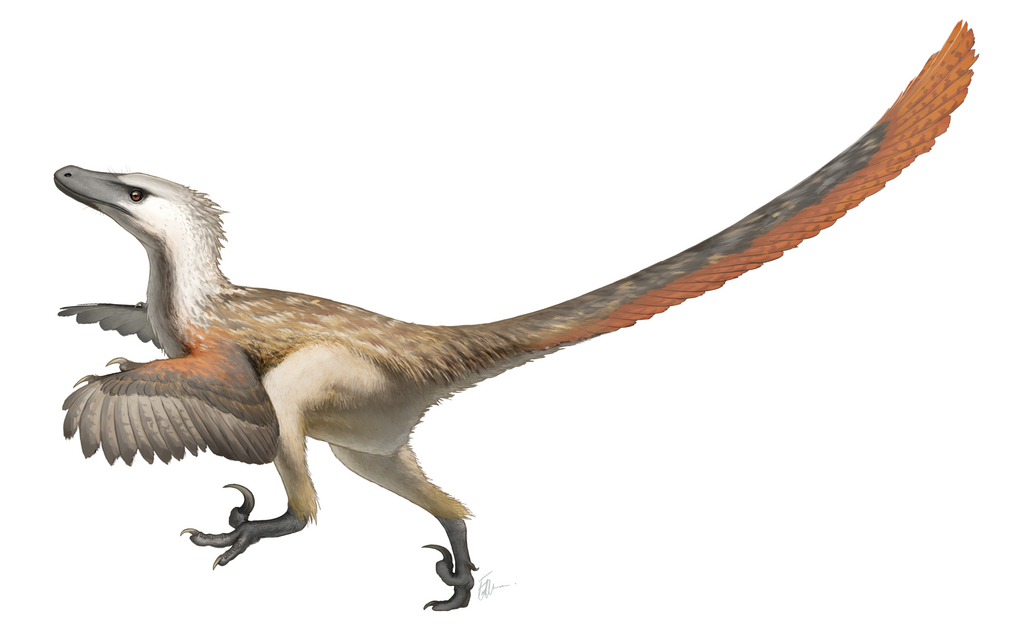
While we’ll never know with certainty whether dinosaurs could have developed complex societies comparable to human civilizations, exploring this question illuminates fascinating aspects of dinosaur biology and evolution. The evidence suggests certain dinosaur lineages—particularly the intelligent, social theropods related to modern birds—possessed cognitive and social foundations that could have potentially evolved into increasingly complex forms given sufficient time and appropriate selective pressures. Physical constraints would likely have prevented technology-based civilization from resembling our own, but alternative forms of social complexity adapted to dinosaur biology remained possible. The continuing evolution of birds, with their remarkable social and cognitive capabilities, demonstrates that dinosaur evolution did indeed produce complex societies, just not in the form we typically imagine when considering dinosaur civilizations. As paleontological methods continue advancing, we may gain further insights into the social lives of these remarkable animals that dominated Earth for far longer than humans have existed.