Have you ever wondered what our world might look like if those ancient giants hadn’t vanished? Picture this: intelligent creatures with scales instead of skin, ruling not through brute force but through cunning and complex thought. It sounds like science fiction. Yet scientists have been seriously debating whether dinosaurs could have evolved to possess advanced intelligence, maybe even approaching human levels.
The discussion goes far beyond curiosity about prehistoric times. What we’re really asking is whether evolution had multiple pathways to intelligence or if our particular brand of smarts was a one-time fluke. Let’s dive into the fascinating world of ancient brain power and see what those fossilized skulls can tell us.
The Smartest Dinosaurs That Ever Lived
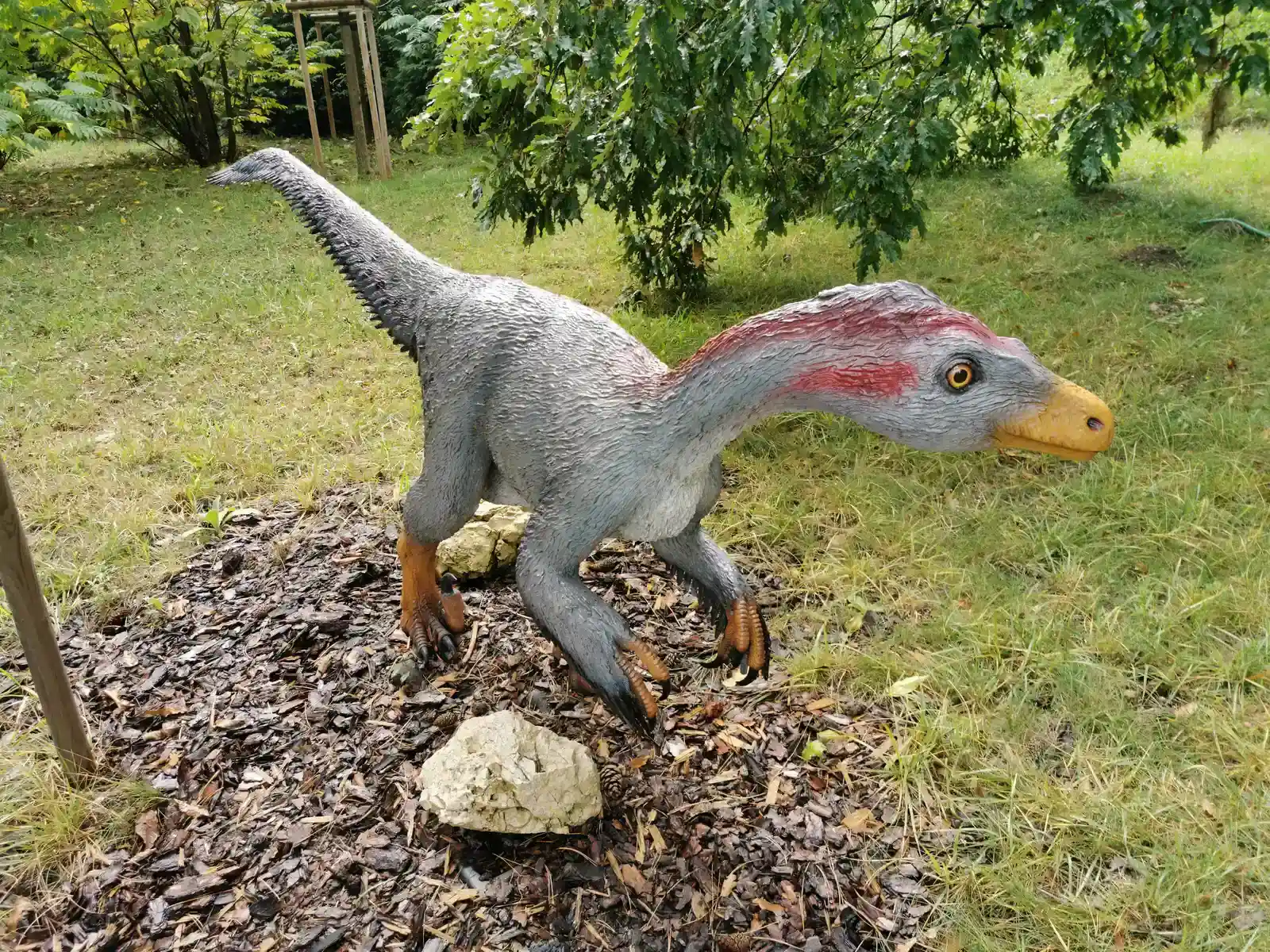
When it comes to dinosaur intelligence, Troodon often gets cited as the smartest species due to its exceptionally large brain relative to its body size, with paleontologists believing it had a brain-to-body ratio comparable to modern birds. Think about that for a second. This creature was roughly the size of a large turkey but packed serious cognitive firepower.
Troodon had large brains, large grasping hands, and likely binocular vision. These physical traits paint an interesting picture. Fossil evidence shows that the dinosaur had exceptionally large eye sockets, implying oversized eyes and excellent low-light vision, with eyes set somewhat forward on the skull providing binocular vision crucial for a predator that needed to strike accurately at moving prey. Honestly, this sounds like a creature primed for strategic thinking.
Some paleontologists argue that Troodon might have hunted in small groups, suggesting advanced cognitive abilities. Pack hunting requires communication and coordination, skills that demand more than simple instinct.
Measuring Ancient Minds Through Fossil Skulls
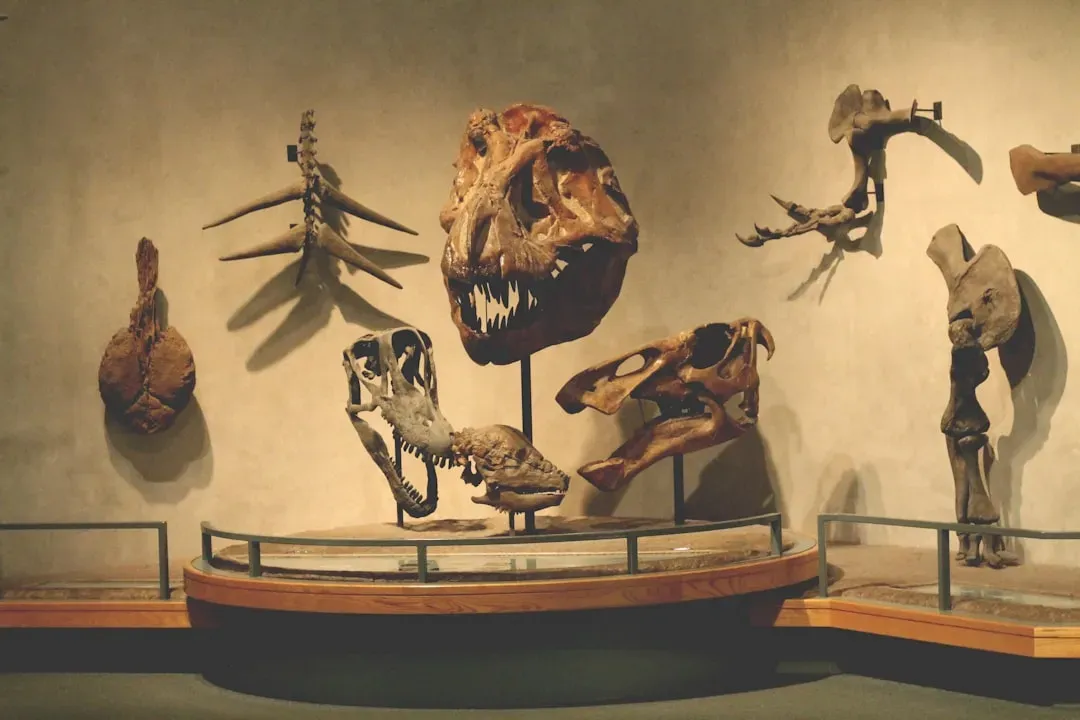
Here’s the thing about studying dinosaur brains: you can’t exactly give them an IQ test. Recent research utilizing computed tomography (CT) has enabled scientists to create accurate models of dinosaur brains, allowing for more comprehensive analyses of their cognitive capacities. Technology has opened doors that early paleontologists could only dream about.
Paleontologists made little progress in understanding dinosaur cognition until the 1970s, when scientists developed a new system for estimating intelligence based on relative brain size, called the encephalization quotient (EQ). This breakthrough changed everything. A T. rex had an EQ of about 2.4, compared with 3.1 for a German shepherd dog and 7.8 for a human. Those numbers might seem disappointing at first glance, yet they reveal something crucial.
The problem is that EQ is hardly foolproof, as in many animals body size evolves independently from brain size. Think about elephants with their massive bodies but proportionally smaller brains, yet nobody doubts their intelligence.
The Dinosauroid Hypothesis and Its Controversy
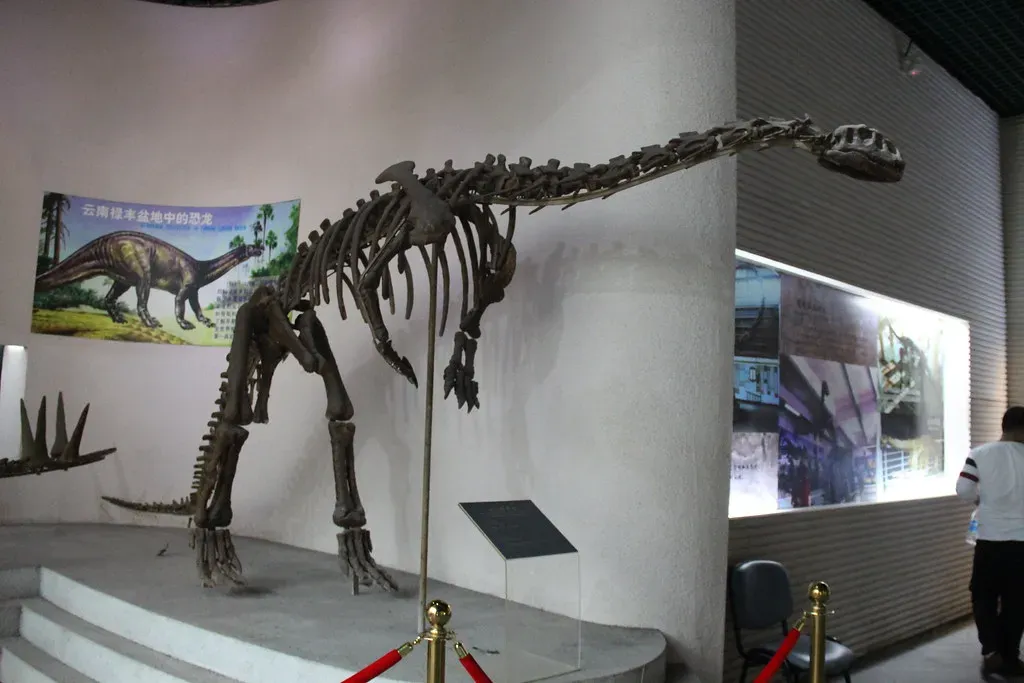
In 1982 paleontologist Dale Russell and taxidermist Ron Séguin published what they called a “dinosauroid,” the first purportedly scientific reconstruction of a hypothetical dinosaur that evolved to achieve intelligence similar to ours. The model looked eerily humanlike, which probably says more about us than about dinosaurs.
Troodon evolved late in dinosaur evolution, 77 million years ago, and the catastrophic extinction of dinosaurs 12 million years later may not have allowed sufficient time for such evolution, since it required about 50 million years for modern humans to evolve from early simians. Time matters in evolution. But if the catastrophic extinction had not occurred, could troodon have evolved along a simian-like path? Could a human level of intelligence have been reached?
The speculation sparked intense debate. It therefore seems plausible that, under the right conditions, nothing would have prevented the evolution of a “dinosaur sapiens”. I find it both thrilling and unsettling to imagine.
Brain Architecture: The Critical Difference
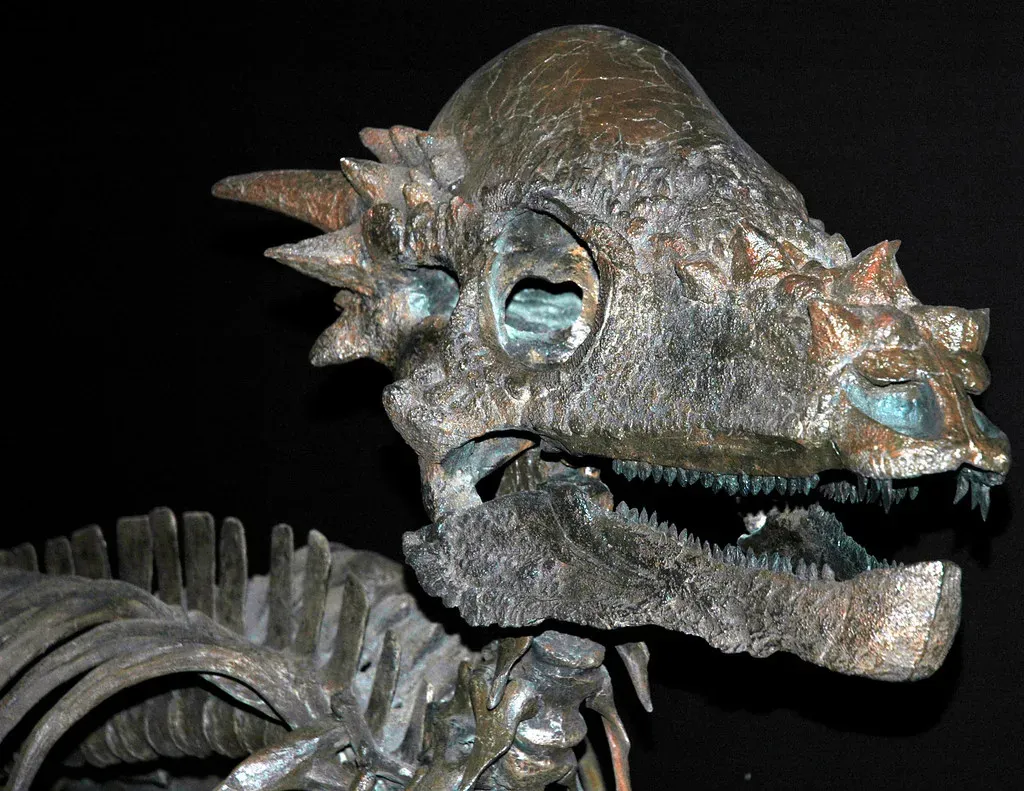
For intelligence, brain architecture also matters, and this could have been the Achilles’ heel of dinosaurs, as it is unlikely that dinosaurs could have ever evolved cognitive abilities comparable to ours. Let’s be real, structure determines function in biology.
Over 350 million years of separate evolution, mammals and dinosaurs found two rather different ways to organize cognitive functions, with the mammalian brain developing the neocortex in which neurons are organized in a relatively thin layer formed by compact columns where different parts can communicate over short distances. This design matters enormously.
The fundamental argument is that the neocortex is more efficiently wired for information analysis because the neurons that do the critical analysis are close together, whereas in the avian design they’re not close together to begin with, and as you add more processing elements they’re pushed farther and farther apart making that design less efficient. Distance equals inefficiency in neural networks.
The Neuron Count Surprise
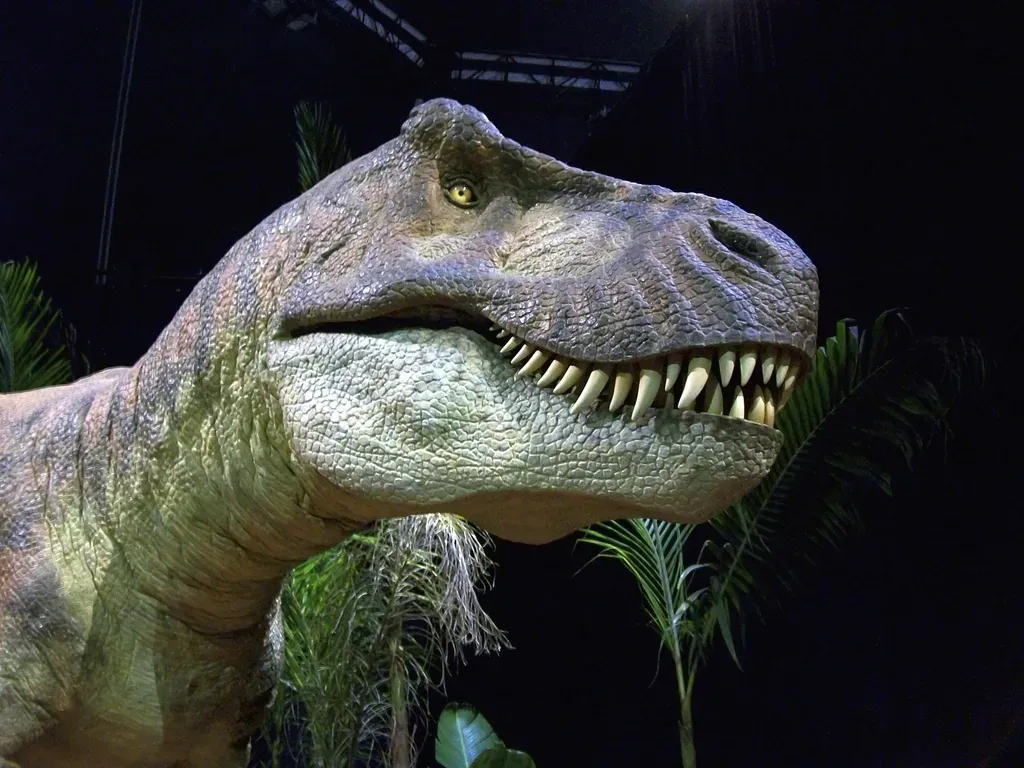
By comparing the relationship between brain size, number of neurons and body size in numerous extant bird and reptile species, as well as considering available fossils of extinct dinosaurs, a large dinosaur such as Tyrannosaurus rex could have housed two billion to three billion neurons in its pallium, a number similar to that of a baboon. That’s genuinely shocking when you think about it.
If so, that could mean some dinosaurs may have used tools – similar perhaps to crows using sticks to fish out insects – and passed on knowledge from generation to generation, just like some modern primates. The possibilities seem almost endless. Recent work in neuroscience shows that bird brains have similar numbers of neurons in their forebrain as mammal brains do, with some work showing bird brains have more neurons per given volume than other vertebrates, so that even though the overall volume may look small bird brains have greater computing power.
Yet skepticism remains warranted. Such extraordinary claims require a lot more evidence to back them up, with tool use in particular being far-fetched.
Modern Birds as Living Clues
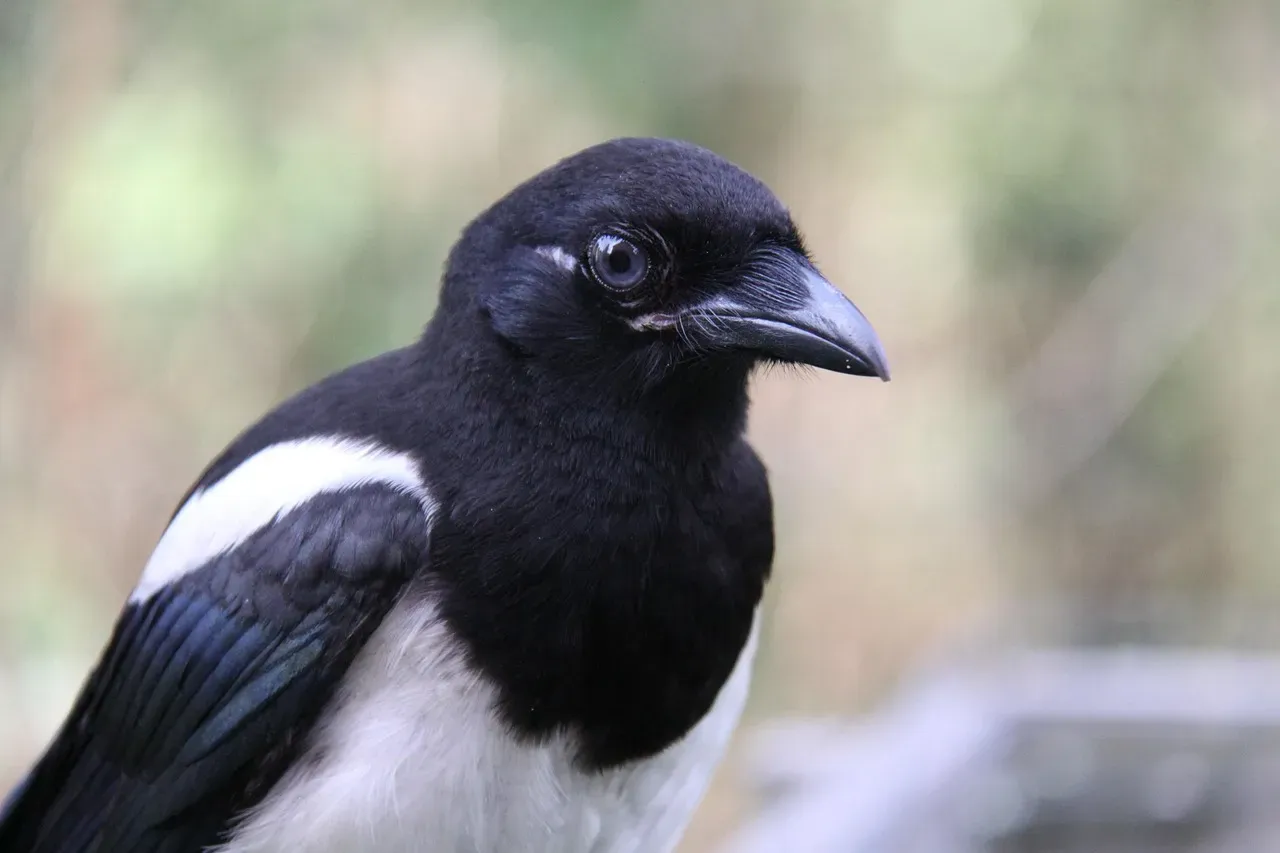
Dinosaurs evolved into modern birds and some of them are extremely intelligent. This isn’t just trivia; it’s our window into dinosaur cognition. In Japan there are crows that have learnt to use the traffic to crack the shells of nuts that they drop, and they will wait for the lights to turn red so they can safely retrieve them. That level of problem-solving requires understanding cause and effect.
Although their pallial regions were extremely likely to have different designs, the nuclear design in and of itself works as well as the cortical, as Alex the African gray parrot was capable of cognitive feats well beyond those of a rat or opossum. Birds constantly surprise researchers with their capabilities.
It works pretty well for many birds, as birds are not stupid by any means and parrots are pretty remarkable in what they can do, but the argument is they could not expand their brain to a human level of intelligence because of their inherent inefficiency. There seems to be a ceiling.
Why Intelligence Isn’t Inevitable
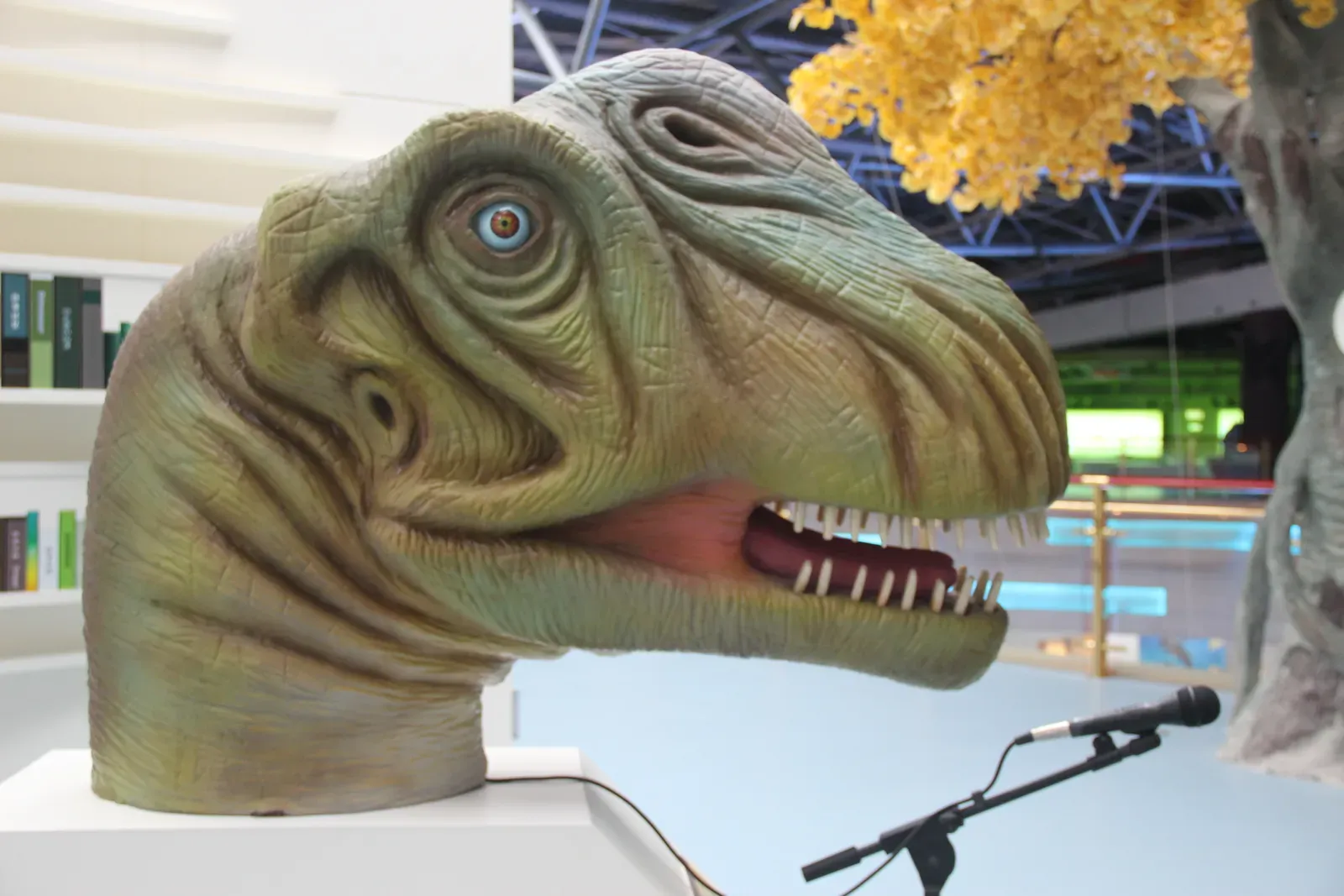
It’s important to realise that intelligence isn’t the goal of evolution, nor is it always the best adaptation to the environment. This fundamentally reshapes how we think about dinosaurs. The enormous sauropod dinosaurs lasted on the planet for 100 million years despite their tiny brains, whereas we’ve had ‘intelligence’ for just a few million years so it’s too early to say whether it is a better strategy.
Humanlike technological intelligence is unlike many other complex evolutionary adaptations such as flight or the eye, as it arose only once after more than three billion years and only because of a series of fortuitous favorable circumstances. We might be the exception, not the rule. Evolution can find many ingenious solutions but cannot invent something from scratch; it must work with what it has available, and understanding how and if brain architecture imposes limits on the development of higher intellectual faculties could reveal much about the evolution of abilities and behaviors of various types of animals.
As to the dinosaurs, their cognitive strengths and achievements could have been very different from our own, yet equally spectacular. Perhaps we’ve been asking the wrong questions all along.
Conclusion: Ancient Possibilities and Modern Insights
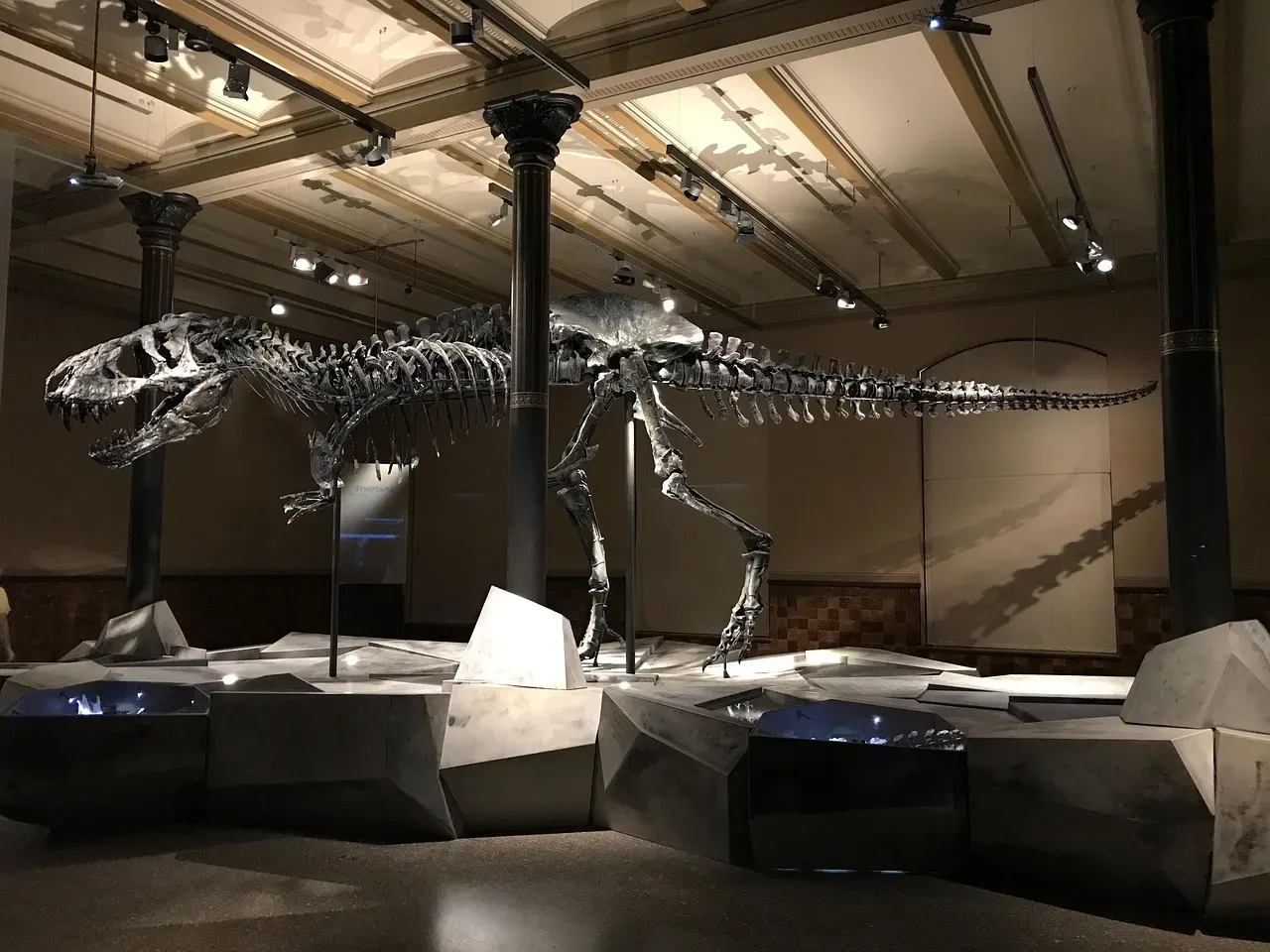
The debate over dinosaur intelligence reveals something profound about evolution itself. While creatures like Troodon showed impressive cognitive potential for their time, the fundamental architecture of their brains likely prevented them from reaching human-level intelligence. Their neural organization, inherited from their reptilian ancestors, simply worked differently from the mammalian neocortex that enabled our own intelligence to flourish.
Still, the story isn’t one of failure. Dinosaurs dominated Earth for over 160 million years, and their avian descendants continue to amaze us with their problem-solving abilities. The question wasn’t whether dinosaurs could think, it’s whether they would have followed the same evolutionary path we did. The answer seems to be no, but that doesn’t diminish their remarkable adaptations or success.
Perhaps the real lesson here is that intelligence comes in many forms, shaped by the constraints and opportunities evolution presents. What do you think would have happened if that asteroid had missed Earth 66 million years ago?