The notion of thundering herds of dinosaurs traversing vast distances across prehistoric landscapes has captivated our imagination for generations. While we often picture dinosaurs confined to specific regions or continents, mounting evidence suggests these remarkable creatures may have been far more mobile than previously thought. Paleontologists are increasingly discovering fossil evidence that points to regular, seasonal migrations spanning impressive distances and potentially crossing between what are now separate continents. This fascinating possibility is reshaping our understanding of dinosaur behavior and ecology. By examining fossil trackways, bone beds, isotopic analysis, and the changing geography of ancient Earth, scientists are piecing together compelling evidence for dinosaur migration patterns that rival those of modern animals in scale and complexity.
The Continental Drift Factor: A Different World for Dinosaurs
During the Mesozoic Era, when dinosaurs dominated Earth, our planet’s geography looked dramatically different from what it does today. The supercontinent Pangaea had begun breaking apart during the early Triassic period, gradually forming Laurasia in the north and Gondwana in the south, with progressive fragmentation continuing throughout dinosaur reign. This continental configuration created land bridges and connections between what are now separate continents, potentially allowing dinosaurs to disperse across vast regions without crossing oceans. The gradual movement of tectonic plates meant that dinosaur populations that evolved together could eventually become separated by growing seas, or conversely, previously isolated populations could gain new migratory routes as land masses collided. Understanding this dynamic geography is crucial for interpreting fossil distribution patterns and evaluating the plausibility of intercontinental dinosaur migrations.
Fossil Distribution Patterns: Same Species, Different Continents

One of the most compelling lines of evidence for dinosaur migration comes from the distribution of identical or closely related species across what are now separate continents. Paleontologists have documented numerous examples of remarkably similar dinosaur fossils discovered thousands of miles apart, suggesting these animals either migrated between regions or shared common ancestors that dispersed widely. For example, Allosaurus remains have been found in North America, Europe, and Africa, while Spinosaurus fossils appear in both North Africa and Europe. The titanosaur group of sauropods shows a particularly widespread distribution across all continents, including Antarctica. These patterns are difficult to explain without some form of intercontinental movement, whether through direct migration or gradual population dispersion over multiple generations.
Trackway Evidence: Following in Dinosaur Footsteps

Fossil footprints, or trackways, provide some of the most direct evidence for dinosaur migration, capturing moments of movement frozen in time. Extensive trackway sites discovered around the world reveal patterns that strongly suggest directional movement of herds. In the Morrison Formation of western North America, paleontologists have documented sauropod trackways extending for miles in consistent directions, indicating purposeful travel rather than random wandering. Similarly, in Spain’s La Rioja region, hundreds of parallel ornithopod trackways point to coordinated group movement across ancient landscapes. These trackways sometimes appear on multiple stratigraphic levels with consistent directional orientation, suggesting repeated seasonal migrations along established routes. The scale and consistency of these trackways provide compelling evidence that some dinosaur species engaged in regular, long-distance movements that could have eventually crossed continental boundaries.
Bone Bed Analysis: Clues from Mass Gatherings
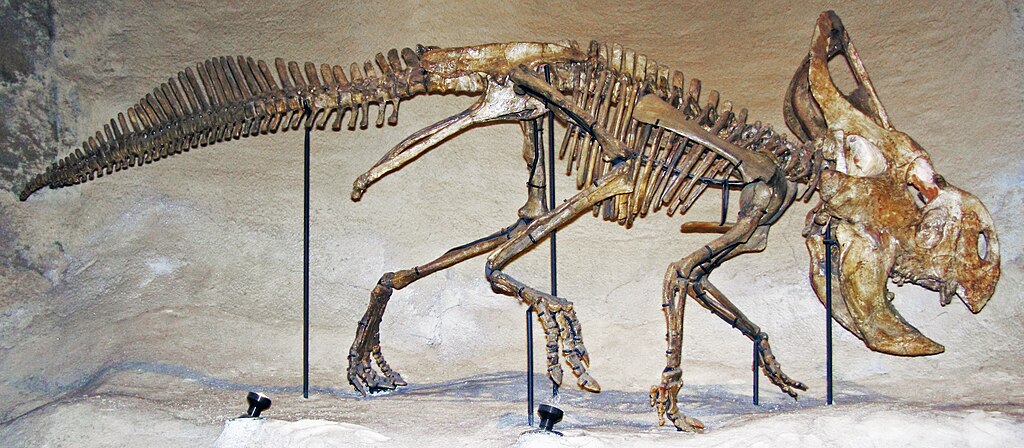
Massive dinosaur bone beds, where hundreds or thousands of individuals died together, offer intriguing insights into possible migratory behavior. These sites often contain remains of a single species with individuals of various ages, suggesting they represent herds that perished while moving together. The famous Centrosaurus bone beds in Alberta, Canada, contain thousands of individuals that appear to have died while crossing a flooded river, potentially during seasonal migration. Similar evidence comes from Maiasaura bone beds in Montana and Protoceratops assemblages in Mongolia. Analysis of growth rings in bones from these sites sometimes indicates that deaths occurred during specific seasons, further supporting the migration hypothesis. These mass mortality events, when mapped across regions, can help paleontologists reconstruct potential migratory corridors that may have extended between adjacent landmasses.
Isotopic Evidence: Chemical Signatures of Movement

Advanced techniques in isotope geochemistry have revolutionized our understanding of dinosaur movement patterns by revealing chemical signatures stored in fossil teeth and bones. Oxygen, strontium, and carbon isotopes vary geographically based on local geology, water sources, and vegetation, creating a chemical “fingerprint” that can be preserved in dinosaur remains. When an animal moves between regions with different isotopic signatures, these changes can be detected in tissues that formed at different times. Studies of hadrosaur teeth from Alberta have revealed seasonal variations in oxygen isotopes consistent with annual migrations. Similarly, research on Triceratops teeth shows evidence of movement between distinct geological regions. These chemical clues provide some of the strongest evidence that dinosaurs regularly traversed significant distances, potentially including journeys between connected continental landmasses.
Ecological Drivers: Why Would Dinosaurs Migrate?

Understanding the ecological factors that drive migration in modern animals helps paleontologists hypothesize about dinosaur movements. Seasonal resource availability, particularly food and water, represents the primary motivation for migration in contemporary species and likely served the same function for dinosaurs. In regions with pronounced wet and dry seasons, plant-eating dinosaurs would have needed to track vegetation growth, potentially leading to regular north-south migrations following seasonal rainfall patterns. Nesting requirements could have prompted other migratory behaviors, with dinosaurs traveling to specific regions with suitable conditions for egg-laying, as seen in modern sea turtles. Predator avoidance may have driven some migrations, while changing temperatures could have influenced cold-blooded species or those with intermediate metabolisms. These ecological pressures would have been particularly significant across continental boundaries, where different climate zones could offer alternating seasonal advantages.
Size Matters: Physiological Constraints on Dinosaur Movement
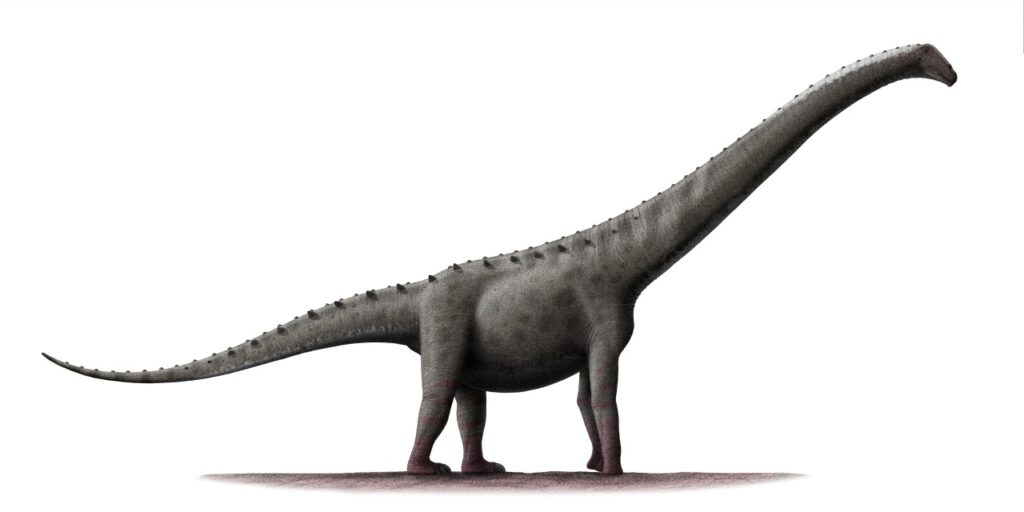
The incredible diversity of dinosaur body plans would have created varying capacities for long-distance travel and, by extension, intercontinental migration. Large sauropods, despite their massive size, were remarkably efficient walkers with anatomical adaptations that made them capable of covering vast distances with minimal energy expenditure. Their long legs and column-like limbs allowed for efficient locomotion, while their size meant they could store significant energy reserves for extended journeys. Medium-sized ornithopods like hadrosaurs show limb proportions and muscle attachment sites suggesting they were built for sustained movement at moderate speeds. Even small dinosaurs like ornithomimids had proportionately long legs optimized for distance running. The evidence for endothermy (warm-bloodedness) in many dinosaur groups further supports their capacity for sustained activity required during long migrations, potentially including journeys between connecting continents.
Modern Migration Analogs: Lessons from Contemporary Animals
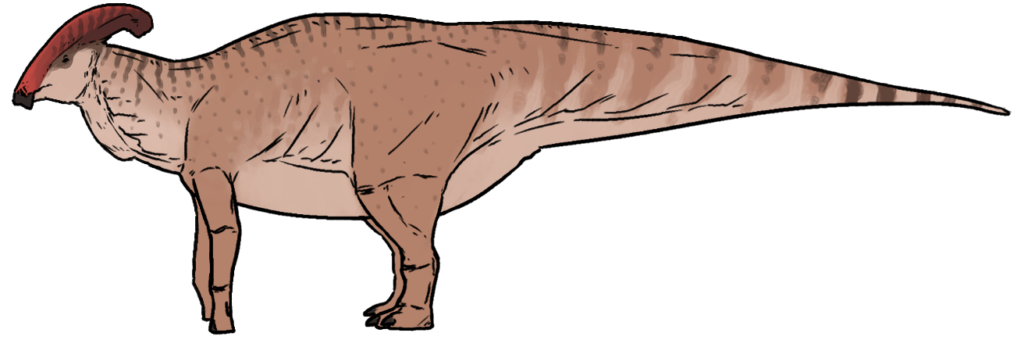
Current animal migration patterns provide valuable frameworks for understanding potential dinosaur movements across continental regions. The massive seasonal migrations of African ungulates like wildebeest and zebra demonstrate how large herbivores follow rainfall patterns to access fresh vegetation, a behavior likely mirrored by herbivorous dinosaurs. Arctic terns travel from pole to pole annually, covering over 40,000 miles and demonstrating the extreme distances possible in migration. Even reptiles like leatherback turtles and saltwater crocodiles undertake impressive journeys spanning thousands of miles, suggesting that dinosaurs with similar or potentially more advanced physiologies could have traveled comparable distances. The tendency of many migratory species to follow coastlines, rivers, and mountain passages likely influenced dinosaur movements as well, potentially creating natural corridors between continental regions that facilitated broader dispersal.
Climate Change and Migration: Adapting to a Shifting World

The Mesozoic Era experienced multiple significant climate fluctuations that would have influenced dinosaur distribution and potential migration patterns between continental regions. During warmer periods, dinosaurs that adapted to tropical conditions could expand their ranges toward the poles, while cooling trends would force temperature-sensitive species to retreat toward the equator. Evidence from plant fossils indicates that the Late Cretaceous period saw dramatic seasonal changes in rainfall and temperature across many regions, potentially driving more pronounced migratory behaviors. Rising sea levels during the mid-Cretaceous may have cut off previously viable migration routes between landmasses, isolating once-connected populations. Conversely, falling sea levels could have created new land bridges, facilitating dinosaur dispersal between previously separated areas. These climate-driven movements, occurring over generations, could explain the widespread distribution of certain dinosaur lineages across multiple continents.
Technological Frontiers: New Methods for Tracking Ancient Migrations

Cutting-edge technologies are revolutionizing paleontologists’ ability to detect and analyze evidence of dinosaur migrations between continental regions. High-resolution CT scanning allows scientists to examine microscopic growth structures within fossil bones and teeth, revealing seasonal growth patterns that can indicate migratory behavior. Advanced isotope analysis techniques can now detect minute variations in elements like neodymium and hafnium that provide even more precise geographical signatures in fossils. Ancient DNA recovery, though still limited for dinosaur material, has proven successful in reconstructing migration patterns of more recent extinct species like mammoths. Geographic Information Systems (GIS) modeling enables researchers to reconstruct ancient landscapes and simulate potential migration routes based on topography, vegetation patterns, and climate data. These technological advances promise to reveal increasingly detailed pictures of dinosaur movements across the ancient world.
Case Studies: Notable Examples of Probable Dinosaur Migrations

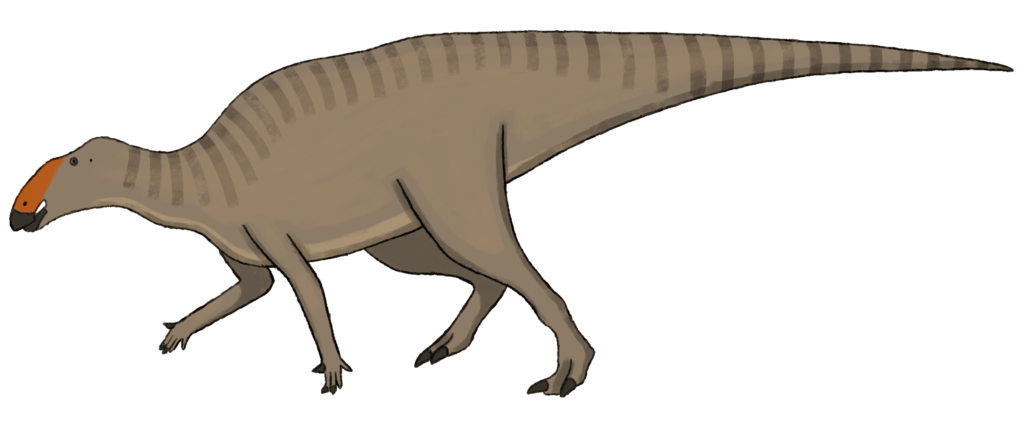
Several well-documented examples provide compelling evidence for dinosaur migrations that potentially crossed continental boundaries. The duck-billed hadrosaur Edmontosaurus shows fossil evidence of seasonal movements between what is now Alaska and Alberta, a journey of over 2,500 miles that would have crossed between Asia and North America at times when the Bering land bridge was exposed. Fossil discoveries suggest that Spinosaurus populations moved between North Africa and Europe during the mid-Cretaceous when these regions were connected by intermittent land bridges. The presence of nearly identical Allosaurus species in both North American and European formations from the Late Jurassic strongly suggests either migration or continuous population exchange across the narrowing Atlantic. Perhaps most dramatically, titanosaur sauropods appear to have successfully dispersed across virtually all Gondwanan continents, including Antarctica, indicating either incredible migratory capabilities or the ability to gradually extend their range across enormous distances.
Scientific Debates: Competing Theories and Unanswered Questions

The question of dinosaur migration between continents remains actively debated in paleontological circles, with several competing hypotheses attempting to explain fossil distribution patterns. Some researchers propose that apparent similarities between dinosaur species on different continents represent convergent evolution rather than direct relationship through migration, though genetic evidence increasingly challenges this view. Questions persist about whether observed movement patterns represent true seasonal migrations or more gradual range expansions over multiple generations. The maximum distances dinosaurs could travel in a single migratory cycle remain uncertain, as do the specific triggers that would have initiated such movements. The relative importance of physical barriers like mountains and water bodies in constraining dinosaur migrations is another point of contention. These ongoing debates highlight the complexity of interpreting the fragmentary fossil record and underscore the need for continued research to fully understand dinosaur movement patterns across ancient continents.
Future Research Directions: Unraveling Ancient Migratory Mysteries
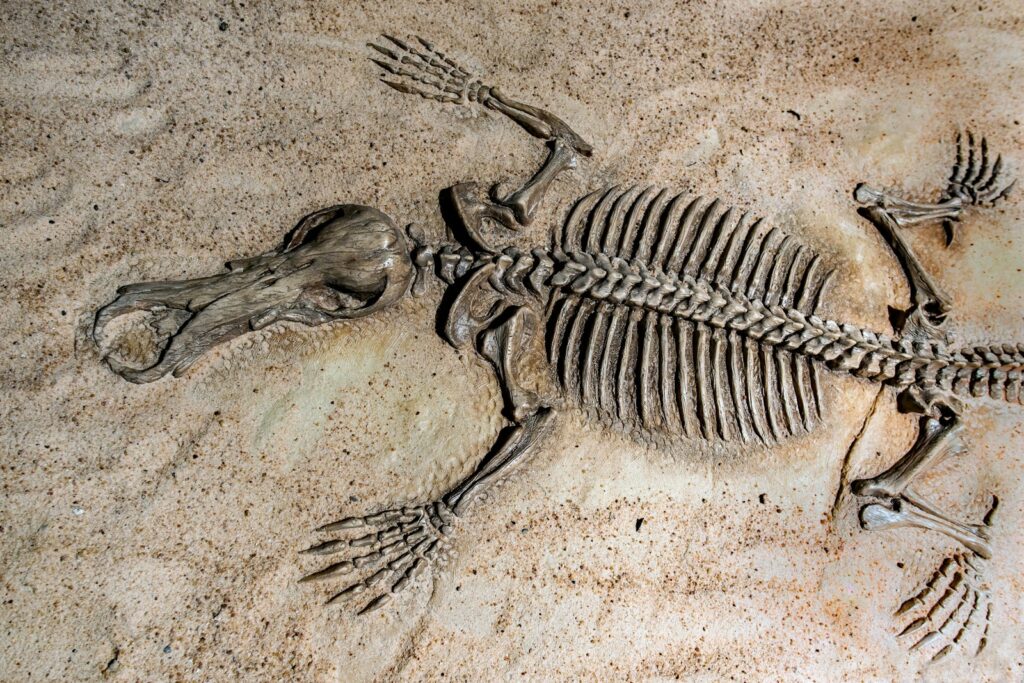
The quest to understand dinosaur migrations across continental regions continues to drive innovative research approaches in paleontology. Future excavations targeting transitional zones between ancient landmasses could reveal crucial evidence of dinosaur movements across these boundaries. More comprehensive mapping of dinosaur trackways on a global scale promises to illuminate potential migratory corridors that crossed between continental regions. Advances in ancient biomolecule recovery techniques may eventually yield preserved proteins from dinosaur fossils that could help establish clearer relationships between geographically separated populations. Interdisciplinary collaboration between paleontologists, geologists, climate scientists, and zoologists will be essential for developing more sophisticated models of dinosaur migration based on multiple lines of evidence. By combining these approaches, researchers hope to reconstruct increasingly detailed pictures of how dinosaurs moved across the ancient Earth, potentially traversing what are now separate continents during their 165-million-year dominance of terrestrial ecosystems.
Conclusion

The evidence increasingly suggests that dinosaurs were highly mobile creatures capable of traversing vast distances, including journeys between connected continental regions. While direct proof of regular intercontinental migrations remains elusive, the combination of fossil distribution patterns, trackway evidence, bone bed analysis, isotopic signatures, and physiological capabilities makes a compelling case that at least some dinosaur species undertook impressive journeys across ancient landmasses. As our understanding of Mesozoic geography and dinosaur biology continues to evolve, and as new technologies enhance our ability to extract information from fossil evidence, we may soon develop a much clearer picture of how these magnificent animals moved across our planet. The dinosaurs beneath our feet may have been far more cosmopolitan travelers than we ever imagined, their migratory paths connecting distant regions of our world long before humans drew the continental boundaries we recognize today.