The extinction of dinosaurs approximately 66 million years ago marked one of the most significant transitions in Earth’s biological history. While the most accepted theory attributes their demise to an asteroid impact, the question of whether dinosaurs could survive in our modern climate presents a fascinating thought experiment. Today’s Earth differs dramatically from the Mesozoic Era in terms of temperature, atmospheric composition, vegetation, and ecosystem dynamics. This article explores various aspects of this intriguing question, examining the physiological, ecological, and environmental factors that would influence dinosaur survival in the contemporary world.
The Climate Dinosaurs Evolved In
Dinosaurs evolved and thrived during the Mesozoic Era, a time markedly different from our current climate conditions. During much of this period, Earth was considerably warmer, with no polar ice caps and significantly higher carbon dioxide levels in the atmosphere. The Cretaceous period, for instance, experienced temperatures approximately 4-11°C warmer than today’s global averages.
These conditions fostered lush, extensive vegetation even at high latitudes, creating vast forests and swamps that supported the enormous appetites of many dinosaur species. The oxygen content was also different, potentially influencing metabolic rates and physiological functions of these prehistoric creatures. Understanding these baseline conditions is essential for assessing how dinosaurs might fare in our relatively cooler, less carbon-rich modern environment.
Physiological Adaptations and Constraints

Dinosaur physiology remains a subject of ongoing research and debate among paleontologists. Growing evidence suggests many dinosaur groups possessed metabolic rates somewhere between modern reptiles and birds, with some theropods likely being warm-blooded like their avian descendants. This metabolic diversity would significantly influence their ability to adapt to today’s climate. Large sauropods, with their massive body sizes providing thermal inertia, might struggle with temperature regulation in cooler modern environments.
Conversely, smaller theropods with potentially higher metabolic rates and possible insulation from primitive feathers might adapt more successfully to contemporary temperature variations. The thermoregulatory capabilities of different dinosaur groups would be a critical factor in determining their potential survival in our current climate regime.
Oxygen Levels and Respiratory Systems

The Mesozoic Era experienced fluctuating atmospheric oxygen levels that differed from today’s composition of approximately 21%. During parts of the dinosaur reign, oxygen levels reached around 30%, potentially enabling the gigantism observed in many species. Dinosaurs possessed unique respiratory systems that were likely more efficient than those of mammals, featuring air sacs similar to those found in modern birds.
This respiratory advantage might help compensate for today’s lower oxygen levels, particularly for smaller and medium-sized dinosaur species. However, the largest sauropods and theropods might face respiratory challenges in our current atmosphere, potentially limiting their size or activity levels. The efficiency of dinosaur breathing mechanisms would play a crucial role in determining their viability in today’s oxygen conditions.
Modern Vegetation and Dinosaur Diets

The plant kingdom has undergone dramatic evolution since the Mesozoic Era, with flowering plants (angiosperms) becoming dominant only in the Late Cretaceous and diversifying extensively afterward. Many herbivorous dinosaurs evolved to consume specific plant types that either no longer exist or are much less abundant today. Large sauropods adapted to consume vast quantities of gymnosperms like conifers and cycads, plants that now represent a smaller proportion of Earth’s flora.
Additionally, modern plants have developed more sophisticated chemical defenses against herbivory over millions of years of co-evolution with mammals. Herbivorous dinosaurs might struggle to adapt to these novel plant defenses and the different nutritional profiles of contemporary vegetation, creating significant dietary challenges for these prehistoric herbivores.
Carnivorous Dinosaurs and Modern Prey
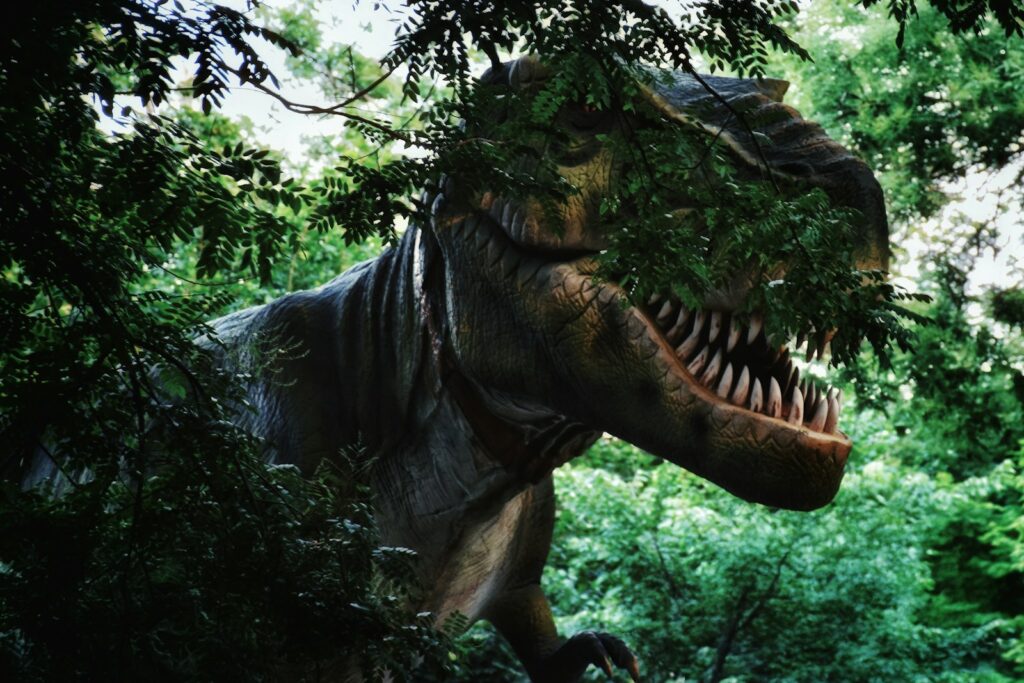
Predatory dinosaurs evolved alongside specific prey animals, developing hunting strategies and sensory adaptations suited to Mesozoic ecosystems. Today’s potential prey animals—mammals, birds, and reptiles—have evolved different defensive strategies, movement patterns, and behaviors over the 66 million years since dinosaurs disappeared. Large therapods like Tyrannosaurus rex might find hunting modern mammals challenging due to their different movement patterns and potentially greater agility.
However, midsize predators like Velociraptor, with their apparent intelligence and pack-hunting behaviors, might adapt more readily to pursuing contemporary prey. The success of carnivorous dinosaurs would largely depend on their behavioral plasticity and ability to modify hunting strategies for unfamiliar prey types in modern ecosystems.
Competition with Modern Animals

Introducing dinosaurs into today’s ecosystems would create unprecedented competitive dynamics with modern animal species. Mammals have evolved to fill virtually all terrestrial ecological niches following the dinosaur extinction, developing specialized adaptations and behaviors over millions of years. Large herbivorous dinosaurs would compete directly with modern ungulates and elephants for plant resources, while predatory dinosaurs would vie with apex carnivores like big cats and wolves.
Modern animals possess numerous evolutionary advantages specific to current environmental conditions, including advanced thermoregulation, specialized digestive systems, and sophisticated social behaviors. This competition would create significant ecological pressure on hypothetically reintroduced dinosaurs, potentially restricting their ability to establish viable populations in contemporary ecosystems.
Climatic Variability and Seasonal Adaptations

Today’s Earth experiences greater seasonal temperature fluctuations and more distinct climate zones than existed during much of the Mesozoic Era. Modern seasons, particularly in temperate and polar regions, create challenging winter conditions that would test dinosaur adaptability. While some evidence suggests certain polar dinosaur species had adaptations for cooler conditions, including possible hibernation or migration behaviors, many dinosaur groups evolved in consistently warm environments without significant seasonal variations.
The need to thermoregulate through cold winters would be particularly challenging for larger dinosaur species, which cannot easily shelter or hibernate due to their size. These seasonal pressures would likely restrict potential dinosaur habitation to tropical and subtropical regions in today’s world, significantly limiting their global distribution.
Human Influence and Habitat Availability
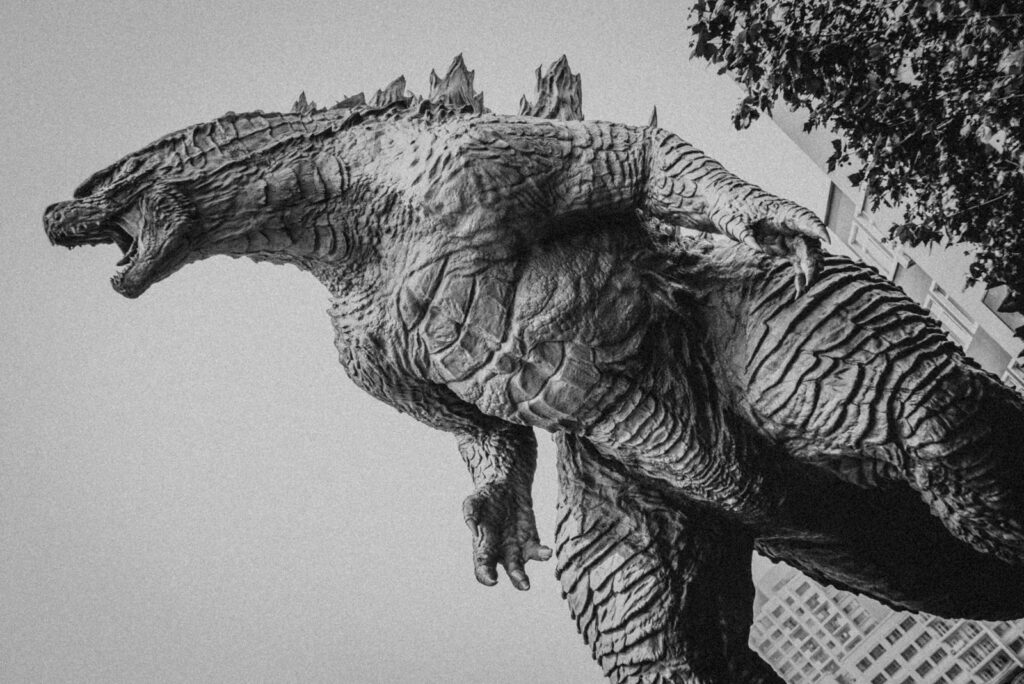
Perhaps the most significant obstacle to dinosaur survival in the modern era would be the pervasive influence of human activity on global ecosystems. Habitat fragmentation, urbanization, and agricultural expansion have dramatically reduced available natural habitats worldwide, particularly for large-bodied animals requiring extensive territories.
The largest dinosaurs, like Argentinosaurus or Brachiosaurus, would struggle to find sufficient contiguous habitat to support their enormous nutritional requirements. Human infrastructure, such as roads, buildings, and fences, would create barriers to movement patterns essential for many dinosaur species. Additionally, human hunting pressure and conflict with dinosaurs would likely be significant, further complicating their potential survival in anthropogenically modified landscapes.
Disease and Immune System Challenges

Modern pathogens and parasites have co-evolved with mammals and birds over millions of years, creating complex host-pathogen relationships. Dinosaurs would encounter entirely novel disease agents for which their immune systems have no evolutionary history or adaptation. Their susceptibility to contemporary viruses, bacteria, fungi, and parasites remains uncertain but potentially significant.
Conversely, dinosaurs might have carried their own specialized pathogens that disappeared with them, meaning they could potentially lack the microbial symbionts necessary for proper digestion and immune function. This immunological naivety could represent a substantial obstacle to dinosaur survival in today’s microbial environment, potentially leading to devastating disease outbreaks in reintroduced populations.
Potential Climate Change Advantages

Interestingly, anthropogenic climate change might create conditions potentially more favorable for certain dinosaur species. Rising global temperatures and increasing atmospheric carbon dioxide levels are shifting Earth’s climate in a direction that superficially resembles some aspects of Mesozoic conditions. Tropical and subtropical zones are expanding poleward, potentially creating broader habitable ranges for thermophilic dinosaur species. Some evidence suggests dinosaurs thrived during natural warming periods in Earth’s history, demonstrating their adaptability to higher temperatures.
However, the rapid pace of modern climate change would still pose significant adaptation challenges, as contemporary warming is occurring at a rate far exceeding natural climatic shifts during the Mesozoic Era. This acceleration would likely outpace evolutionary adaptation, particularly for larger dinosaur species with longer generation times.
The Birds: Dinosaur Survivors
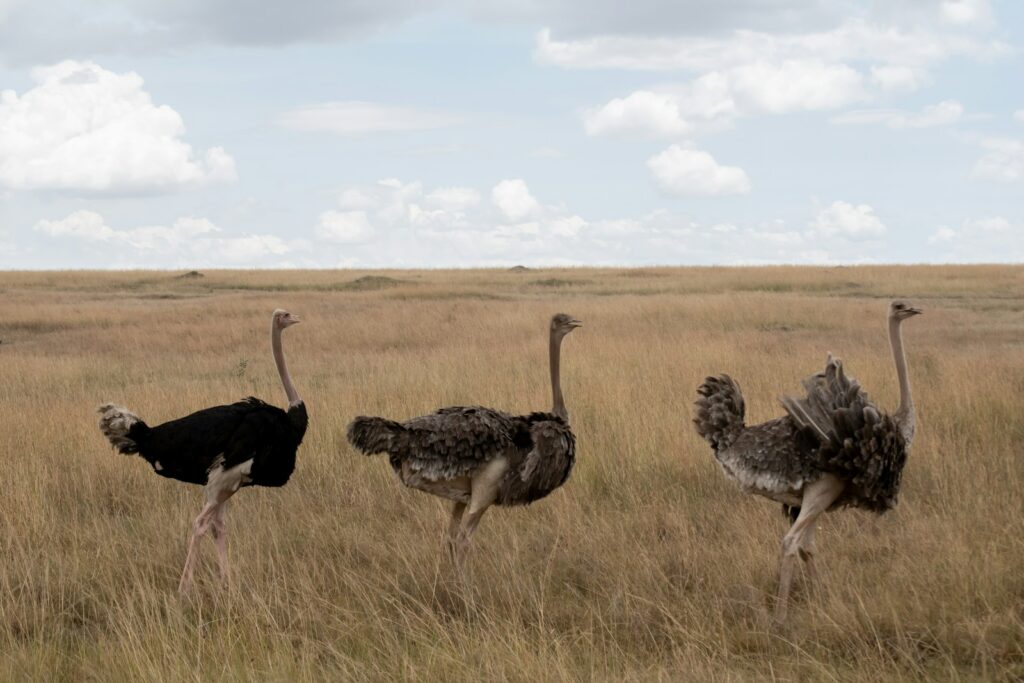
It’s important to recognize that dinosaurs did not completely disappear from Earth—they survive today in the form of birds, which evolved from small theropod dinosaurs. Modern birds represent a highly successful radiation of the dinosaur lineage, with over 10,000 species occupying diverse ecological niches worldwide. Their success demonstrates that certain dinosaur adaptations—including efficient respiratory systems, high metabolic rates, and advanced thermoregulation—have proven remarkably successful in post-Mesozoic environments.
Birds have managed this feat through dramatic size reduction, the evolution of powered flight, and sophisticated behavioral adaptations. Their survival offers a fascinating glimpse of how dinosaurs could adapt to modern conditions, albeit in a substantially modified form. The evolutionary success of birds suggests that smaller, more metabolically active dinosaur species might have had greater survival potential in our current climate.
Island Refugia Possibilities

If dinosaurs were to find survival niches in today’s world, isolated islands might offer the most promising possibilities. Island ecosystems often feature simplified ecological communities with fewer competitors and predators, potentially providing easier integration opportunities for introduced species. We’ve observed this pattern with modern reptiles like Komodo dragons, which maintain a primitive ecological role on isolated Indonesian islands.
Warm, tropical islands with minimal seasonal temperature fluctuations could potentially support smaller to medium-sized dinosaur species. These isolated environments might buffer dinosaurs from some competitive and climatic challenges faced on continents, while providing sufficient resources within a contained geography. However, limited space would restrict population sizes, potentially leading to genetic bottlenecks and heightened extinction vulnerability.
Conclusion: A Complex Survival Equation
The question of dinosaur survival in today’s climate presents a fascinating mosaic of biological, ecological, and environmental factors with no simple answer. Different dinosaur groups would face varying challenges and opportunities based on their size, metabolism, diet, and behavioral flexibility. Smaller, more warm-blooded dinosaur species with generalist diets would likely demonstrate greater adaptability to contemporary conditions. The most significant obstacles would include competition with established modern species, novel pathogens, human pressure, and for larger species, habitat fragmentation and climatic variability.
While certain dinosaur lineages might find viable niches, particularly in tropical regions or isolated ecosystems, many iconic dinosaur groups would struggle to establish sustainable populations in our modern world. The success of birds—the sole surviving dinosaur lineage—provides perhaps the most convincing evidence that radical adaptation would be necessary for dinosaur survival in today’s dramatically altered Earth.