Sixty-six million years ago, life on Earth was abruptly and violently interrupted. One moment, thundering creatures ruled every continent. The next, a cascade of fire, darkness, and ecological collapse wiped them from the face of the planet. It is arguably the most dramatic plot twist in the history of life itself. Yet one question keeps scientists, paleontologists, and curious minds endlessly debating: could the dinosaurs have actually made it through?
The answer is nowhere near as simple as you might think. There are threads of evidence that suggest things could have unfolded very differently, and just a few minutes of different timing or a slightly different trajectory could have changed everything. So let’s dive in and unpack what we really know.
The Scale of Destruction: What Exactly Happened 66 Million Years Ago
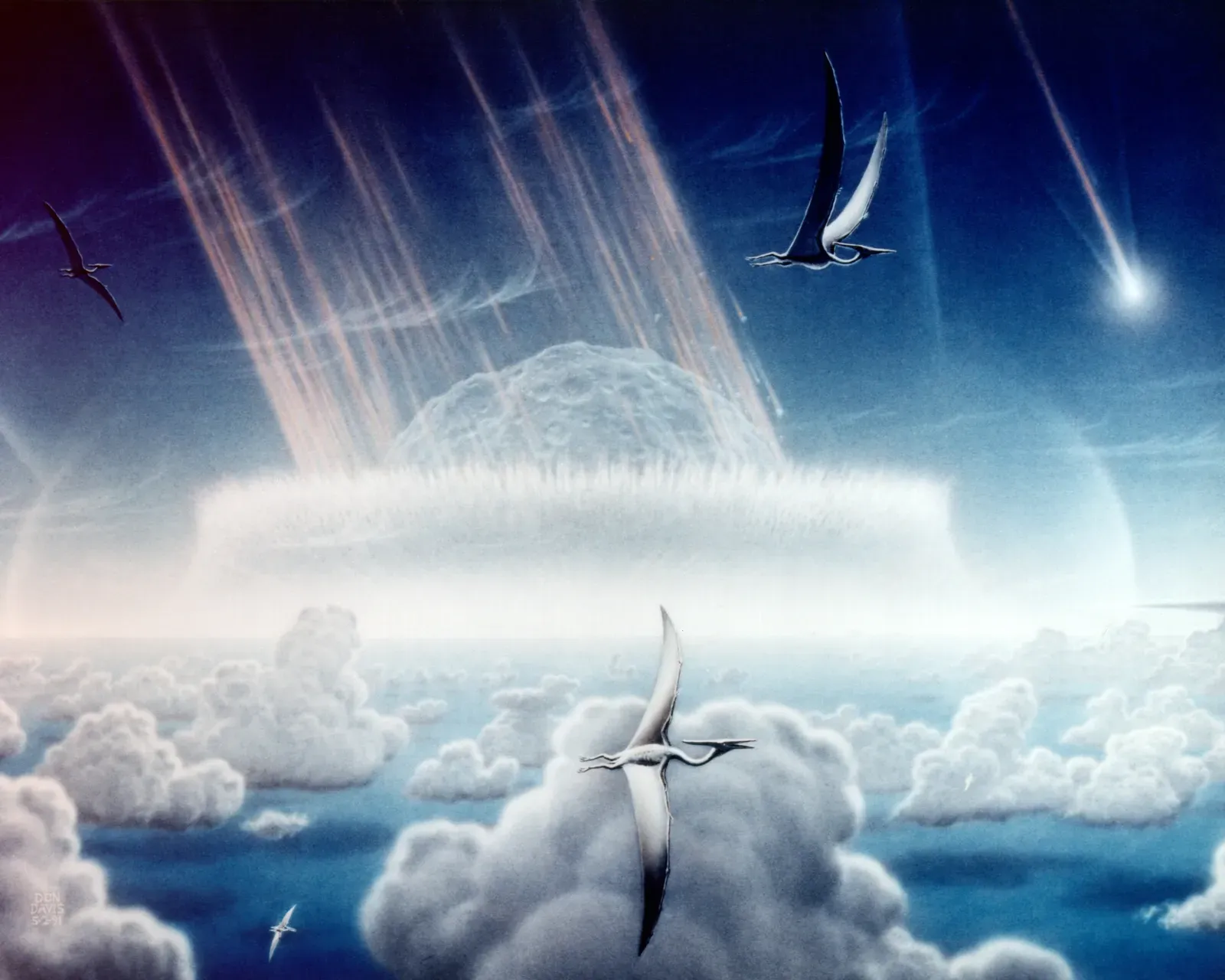
Honestly, when you start looking at the actual numbers behind this event, it becomes almost impossible to truly comprehend. A cataclysmic impact from a large asteroid or comet, estimated to be about six miles wide, struck the Earth at what is now the Yucatán Peninsula in Mexico, generating immense energy equivalent to about 100 million megatons of dynamite, and leading to catastrophic consequences including massive tsunamis, firestorms, and drastic climate changes.
The asteroid hit at an estimated speed of 20 kilometers per second, more than 58 times the speed of sound, at a relatively steep angle, producing as much explosive energy as 100 teratons of TNT, which is 4.5 billion times the explosive power of the Hiroshima atomic bomb. That is not a typo. That is just the raw, staggering reality of what hit us.
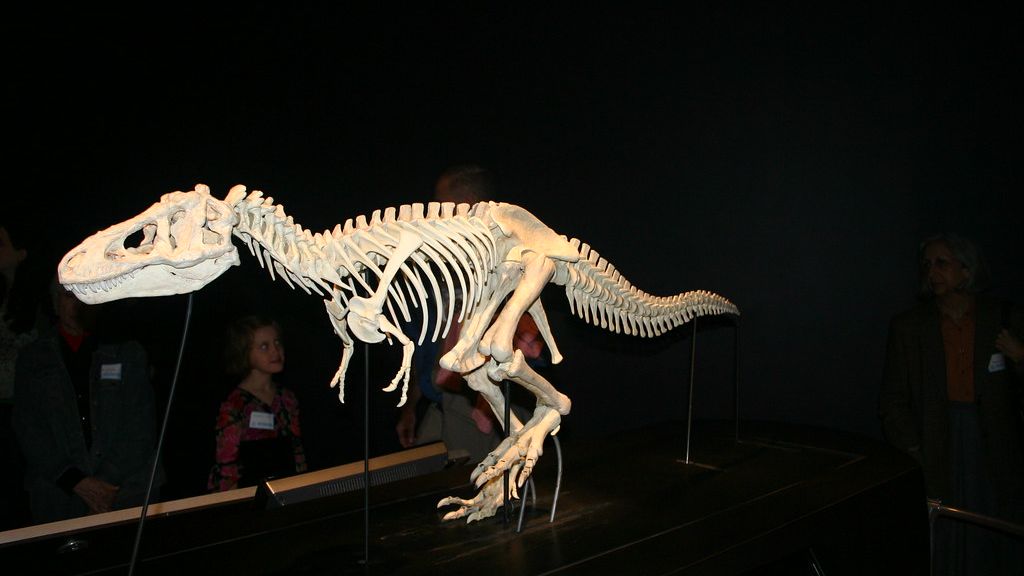
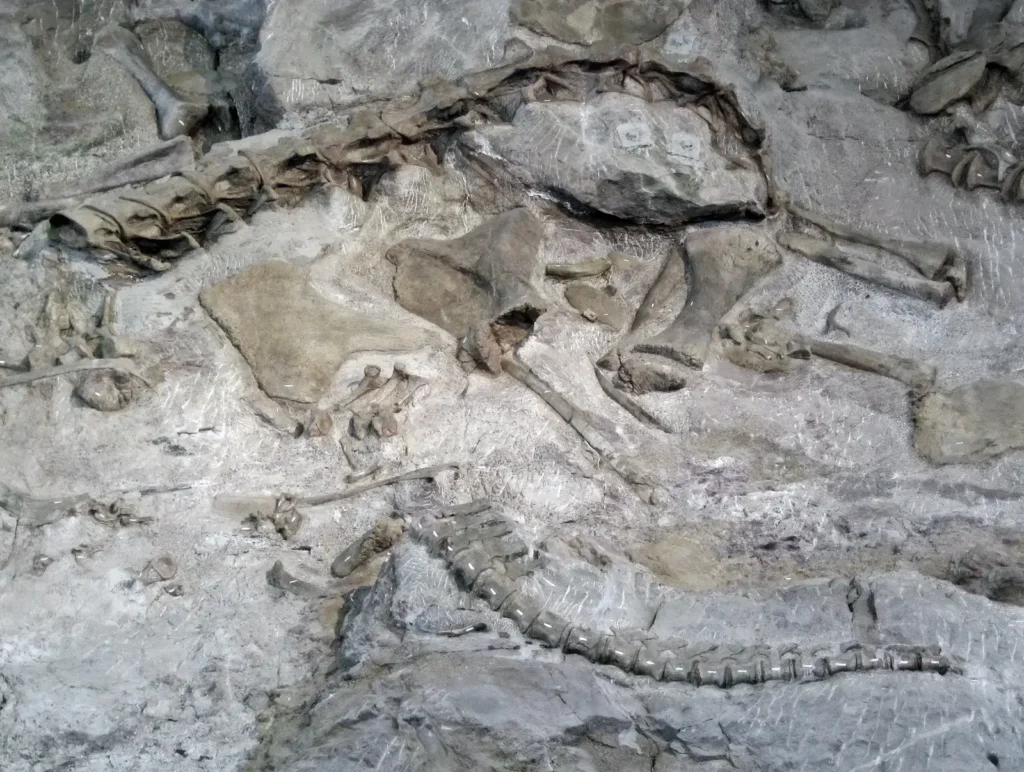
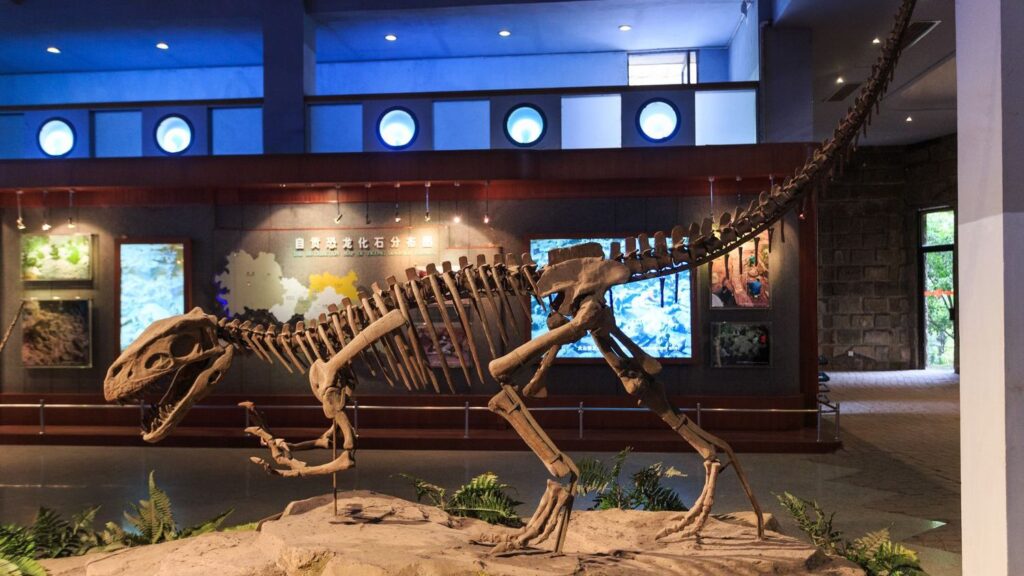
The environmental upheaval caused by the impact resulted in the extinction of roughly three quarters of all species on Earth, notably including all non-avian dinosaurs, which had dominated terrestrial ecosystems for approximately 160 million years. Think about that as an analogy: if the entire history of the dinosaurs were compressed into a single day, the asteroid would arrive in the last few seconds of the very last minute.
The Smoking Gun: Evidence That Points to the Chicxulub Crater
In 1980, a team of researchers consisting of Nobel Prize-winning physicist Luis Alvarez, his son geologist Walter Alvarez, and chemists Frank Asaro and Helen Michel discovered that sedimentary layers found all over the world at the Cretaceous-Paleogene boundary contain a concentration of iridium many times greater than normal. This was the first real crack in the mystery, and it changed everything. Here’s the thing – iridium is vanishingly rare on Earth’s surface, but it is abundant in asteroids and meteorites.
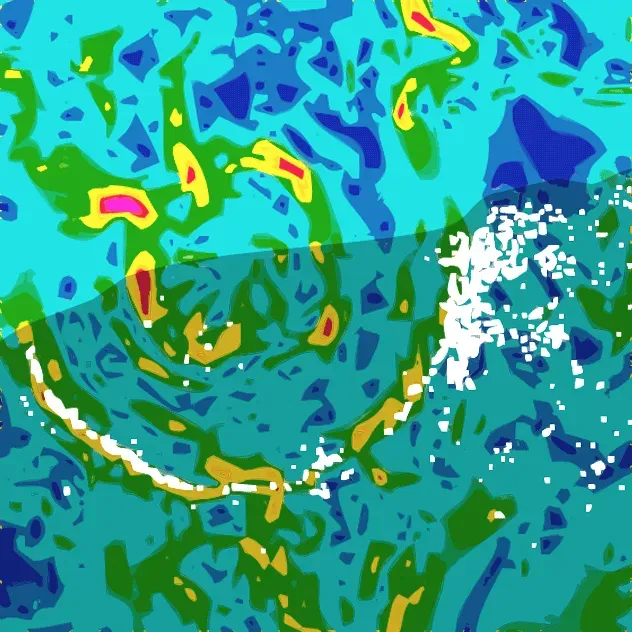
The impact site, known as the Chicxulub crater, is centered on the Yucatán Peninsula in Mexico, and the asteroid is thought to have been between 10 and 15 kilometres wide, though the velocity of its collision caused the creation of a much larger crater, 150 kilometres in diameter. In March 2010, an international panel of 41 scientists reviewed 20 years of scientific literature and endorsed the asteroid hypothesis, specifically the Chicxulub impact, as the cause of the extinction, ruling out other theories such as massive volcanism.
Were Dinosaurs Already in Decline Before the Asteroid Hit?
This is one of the most hotly debated questions in the entire field of paleontology. Some researchers have argued that dinosaur diversity was already shrinking before the asteroid arrived, as if the stage was already set for a slow fade. Some studies show that Earth’s temperature was changing even before the proposed impact event, and other research has found evidence for mass die-offs much earlier than 66 million years ago, with some signs that dinosaurs in particular were already in a slow decline in the late Cretaceous.
However, not everyone agrees with that narrative. Steve Brusatte, a professor of paleontology at the University of Edinburgh, noted that everywhere in the world, there was great diversity and abundance of dinosaurs, and he considers it remarkably clear that dinosaurs were strong, successful, still diverse, and still at the top of their game when the asteroid hit. A study of 29 fossil sites in the Catalan Pyrenees of Europe in 2010 supports the view that dinosaurs there had great diversity until the asteroid impact, with more than 100 living species. So the “declining dinosaurs” narrative is, at best, heavily contested.
The Role of Volcanism: Could the Deccan Traps Have Pushed Them Over the Edge?
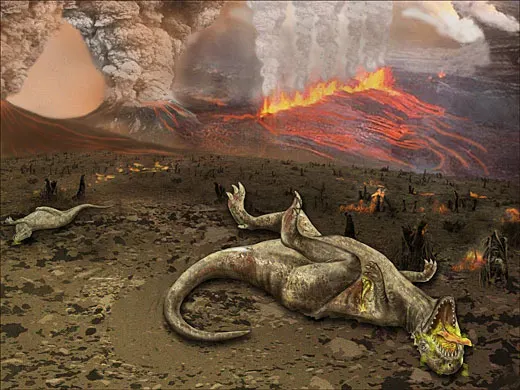
It was not just a rock from space. The late Cretaceous was already a period of enormous geological upheaval, and the Deccan Traps in what is now India were doing serious damage long before the asteroid arrived. Ancient lava flows in India known as the Deccan Traps match nicely in time with the end of the Cretaceous, with massive outpourings of lava spewing forth between 60 and 65 million years ago, and today the resulting volcanic rock covers nearly 200,000 square miles in layers that are in places more than 6,000 feet thick, a vast eruptive event that would have choked the skies with carbon dioxide and other gases that dramatically changed Earth’s climate.
Interestingly, one major study suggests the relationship between the volcano and the asteroid may have been more complicated than a simple one-two punch. Researchers were not able to obtain an extinction state with several modeling scenarios of Deccan volcanism alone, and further showed that the concomitant prolonged eruption of the Deccan Traps might have actually acted as an ameliorating agent, buffering the negative effects on climate and global ecosystems that the asteroid impact produced. So in a strange twist, the volcanism may have slightly softened the blow, rather than simply adding to it.
Why Some Animals Survived and Dinosaurs Did Not
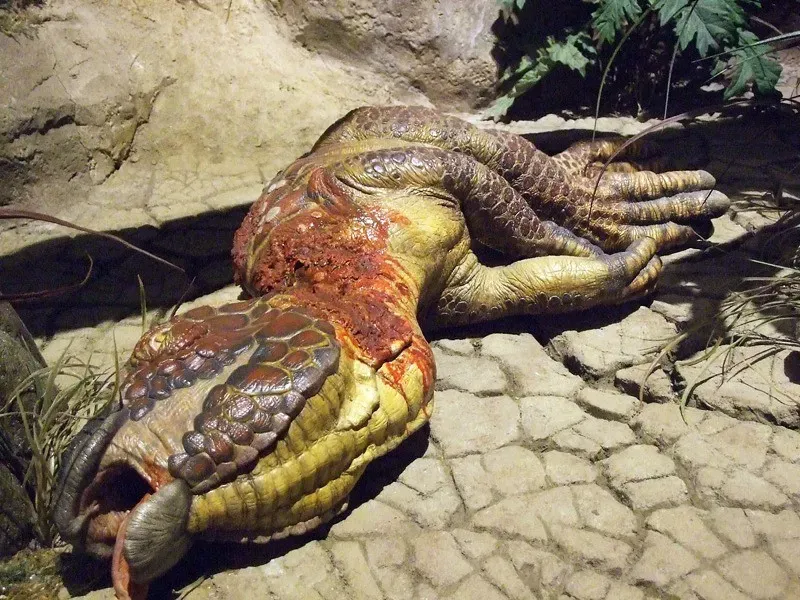
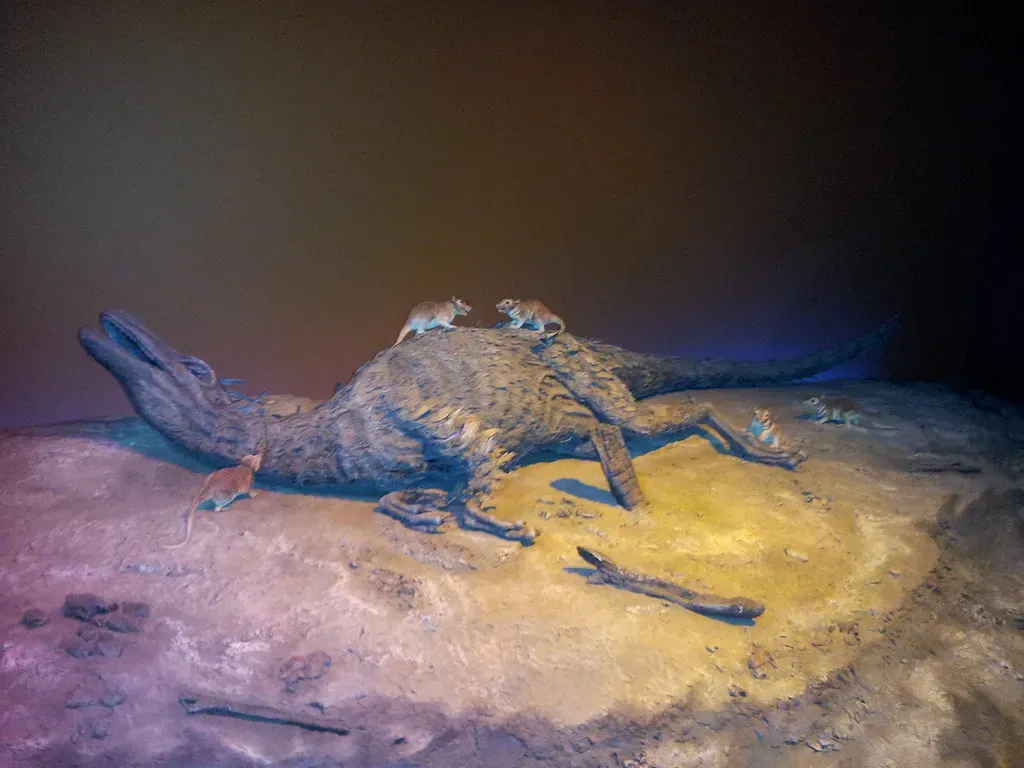
Let’s be real. This is the part that keeps scientists scratching their heads. Crocodiles survived. Turtles survived. Small mammals survived. So why not at least some of the smaller dinosaurs? Survivorship on land seems to be controlled mostly by favoring small body size and the ability to feed from stored food resources, while in the sea it is the latter which is the most important factor. In other words, if you could ride out the chaos on emergency food reserves, you had a shot.
The growing consensus about the endothermy of dinosaurs helps to understand their full extinction in contrast with their close relatives, the crocodilians: ectothermic crocodiles have very limited needs for food and can survive several months without eating, while endothermic warm-blooded animals of similar size need much more food to sustain their faster metabolism. There is no evidence that late Maastrichtian non-avian dinosaurs could burrow, swim, or dive, which suggests they were unable to shelter themselves from the worst parts of any environmental stress that occurred at the K-Pg boundary. These two facts together paint a devastating picture.
What If the Asteroid Had Hit Somewhere Else?
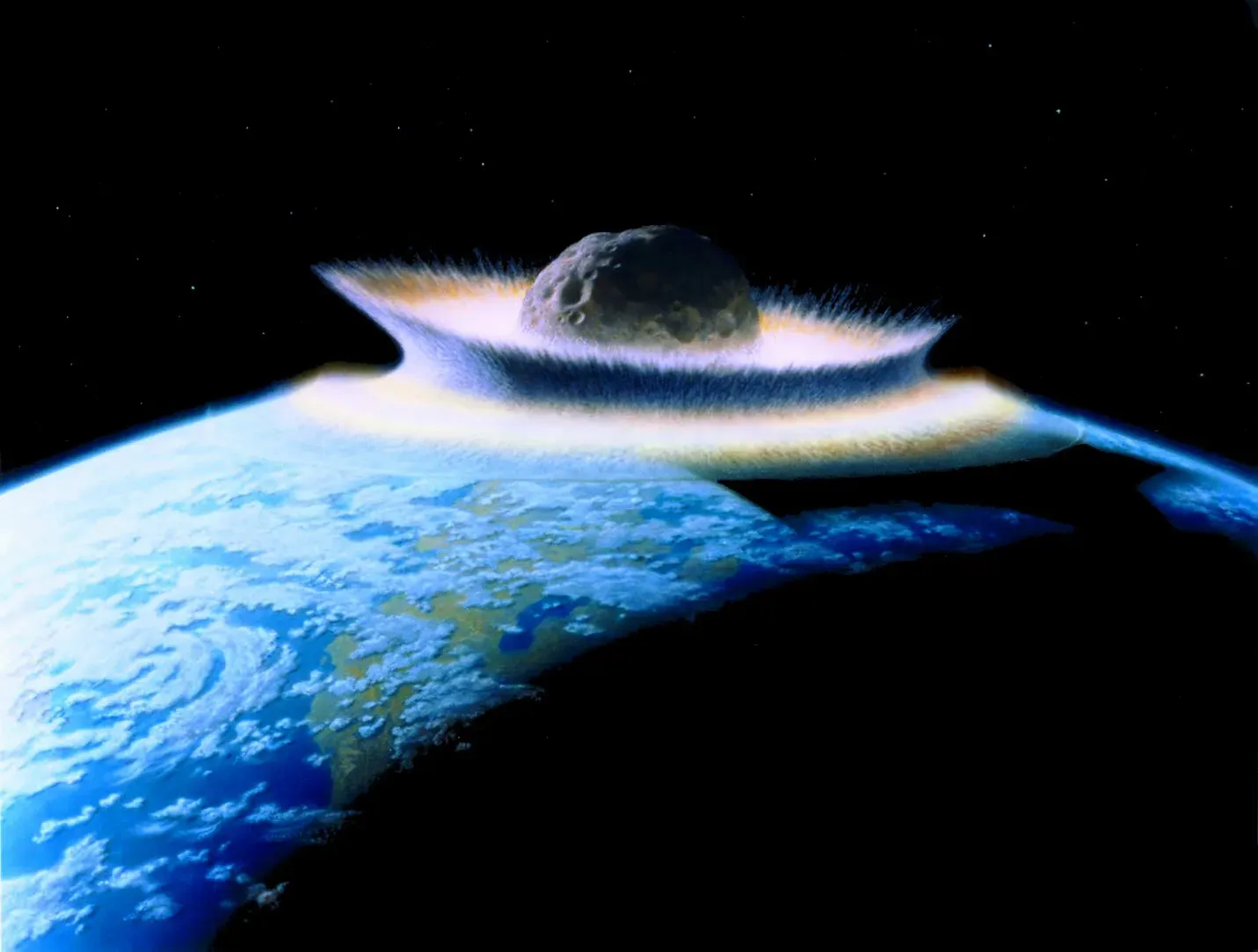
Here is a thought that will genuinely make you stop and think. The location of the impact may have been just as important as the impact itself. Research suggests that if the impact had occurred elsewhere on the planet, the fate of life on Earth could have been very different, and if it had fallen just minutes later, the asteroid would have landed in deeper water, causing less rock to vaporize and rise to block out the sun’s light and warmth, which would have lowered the chances of a mass extinction.
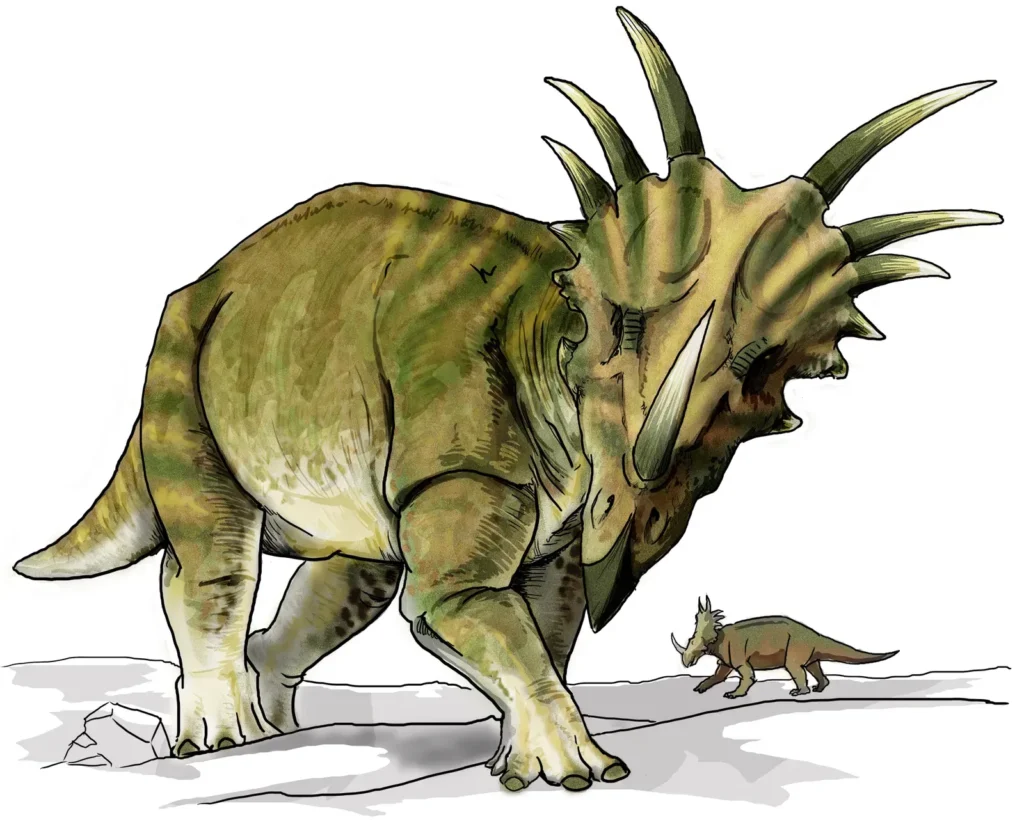
If the dinosaurs’ reign hadn’t been abruptly ended by an asteroid, some scientists think we might have seen some other than birds around today, and Triceratops was one of the last non-bird dinosaurs, so it’s possible that if the asteroid had missed Earth, we might see some of its descendants today. It is genuinely mind-bending. A few minutes’ difference in the cosmic schedule and you might be able to look out your window and see something that resembles a Triceratops descendant grazing in a field.
The Survivors: How Birds Represent a Living Proof That Dinosaurs Did Survive
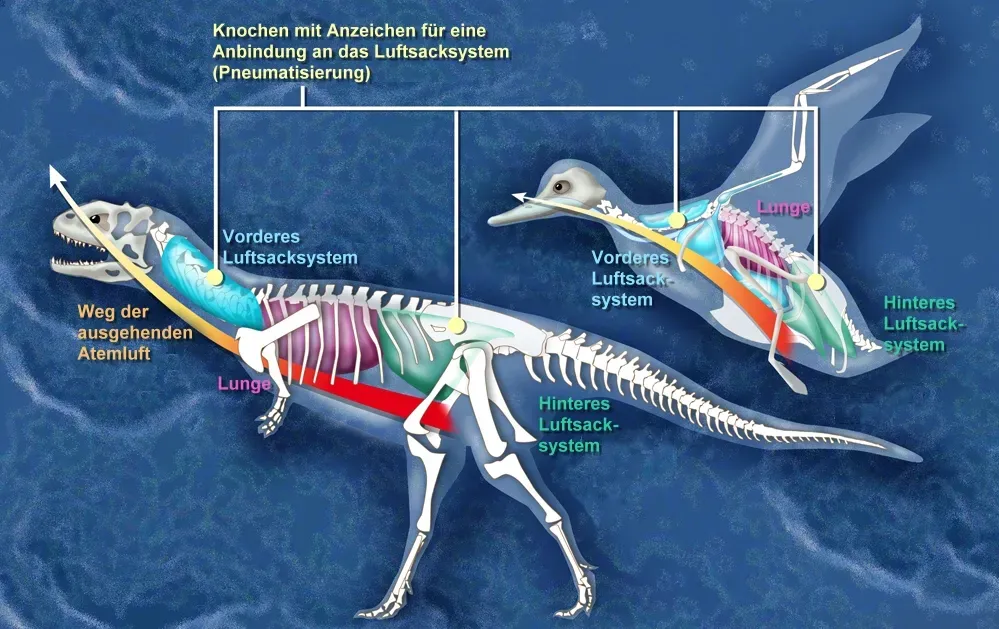
Here is the extraordinary plot twist of the whole story. Dinosaurs did not fully go extinct. Not really. With hindsight, birds can be categorized as avian dinosaurs, and all the other sorts from Stegosaurus to Brontosaurus are non-avian dinosaurs, with the entire reason paleontologists make that split being a catastrophe that struck 66 million years ago. Every bird you see today, from a sparrow on your windowsill to an eagle soaring overhead, is technically a living dinosaur.
All the things that make birds, birds, were already in place well before the mass extinction, and when the extinction struck, the traits birds had been evolving for millions of years made the difference between life and death. Many bird lineages became smaller in size while maintaining their brain size, and through evolutionary shrinking, birds wound up with larger brains compared to their body size, setting the stage for avian intelligence beyond what the non-avian dinosaurs could have evolved. It’s hard not to find that almost poetic – the very traits that helped birds shrink into survival ended up giving them a cognitive edge that the giant reptiles never had a chance to develop.
Conclusion
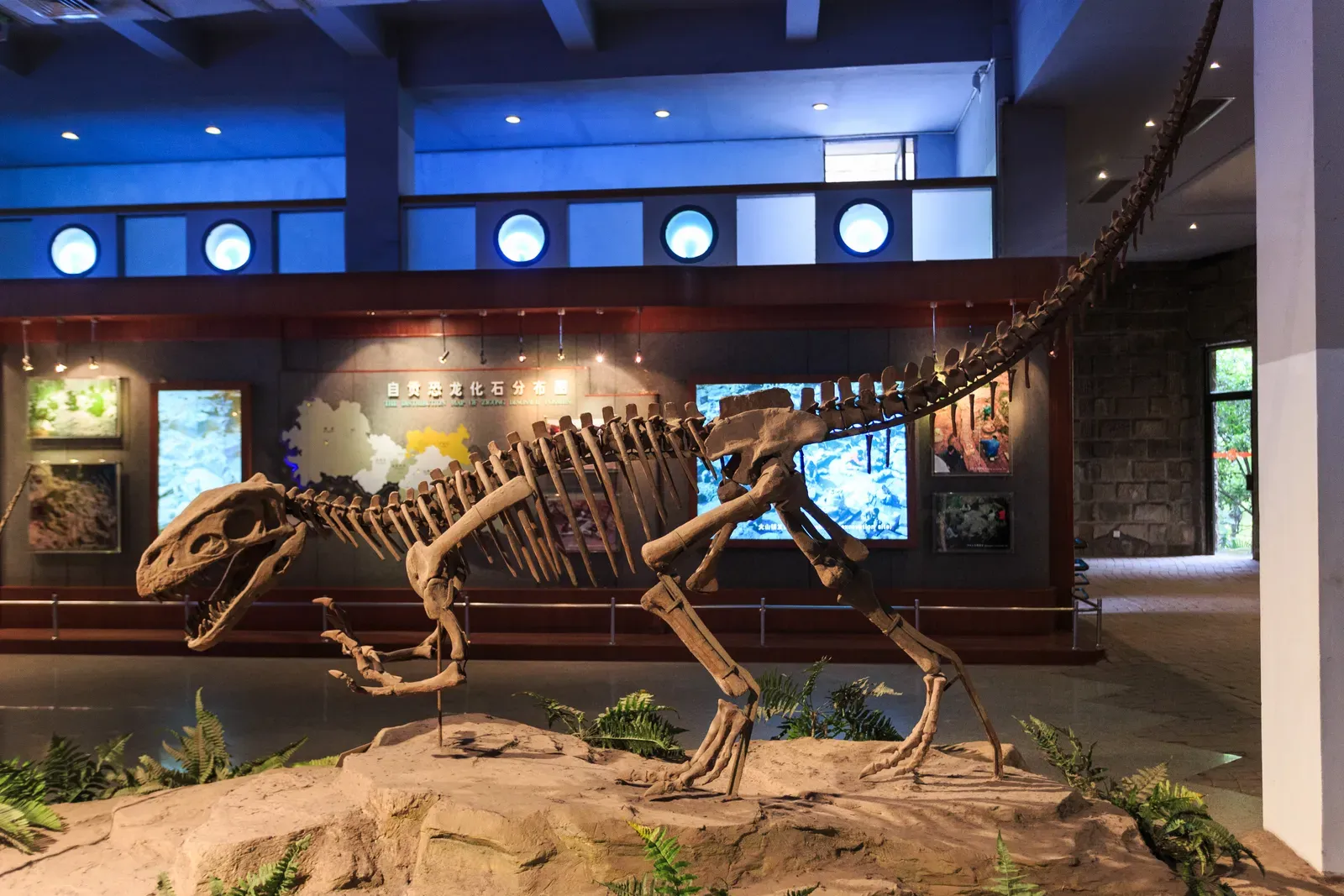
The more you dig into this question, the clearer it becomes that the extinction of the non-avian dinosaurs was not inevitable. It was not a foregone conclusion written into the fabric of evolution. It was, at its core, an extraordinary collision of circumstances – a rock from the outer reaches of our solar system, landing in precisely the wrong place, at precisely the wrong time, hitting geology that maximized the chemical chaos it unleashed upon the atmosphere.
Evidence strongly suggests that dinosaurs were not in decline and likely would have continued their evolutionary journey had the K-Pg extinction event never occurred, as their remarkable adaptability, diverse forms, and 165-million-year success story indicate they possessed the biological flexibility to face changing environments. Without the end-Cretaceous extinction, we might not be here to learn about it. That last thought lands like a quiet thunderclap. The same catastrophe that erased the giants of the Mesozoic also made you possible.
So the next time you see a bird perched on a branch, take a moment. You are looking at the only surviving branch of a lineage that once ruled the planet for over 160 million years. What do you think: could they have made it? And what kind of world would we be living in if they had?