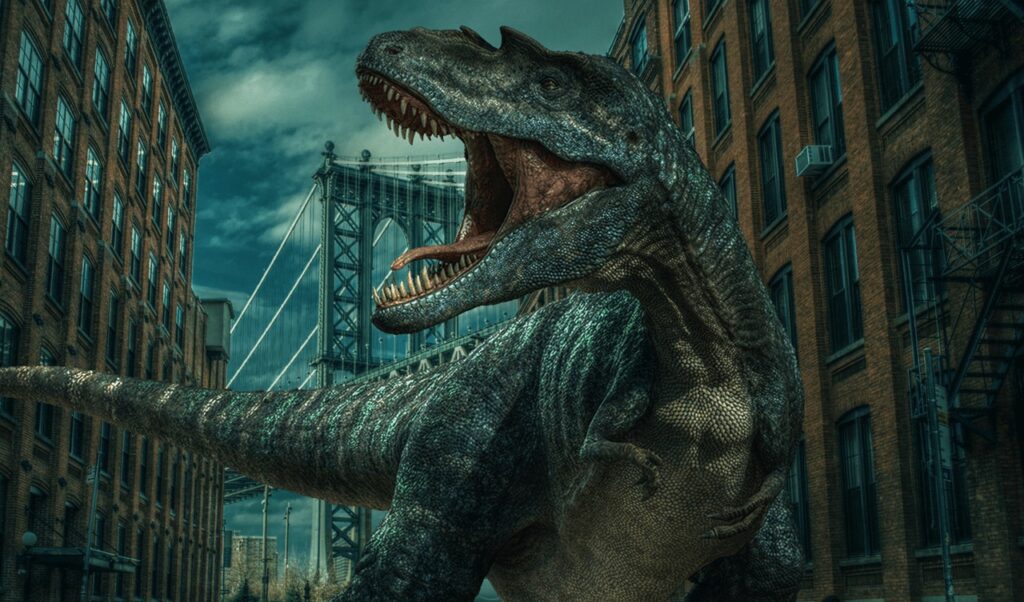
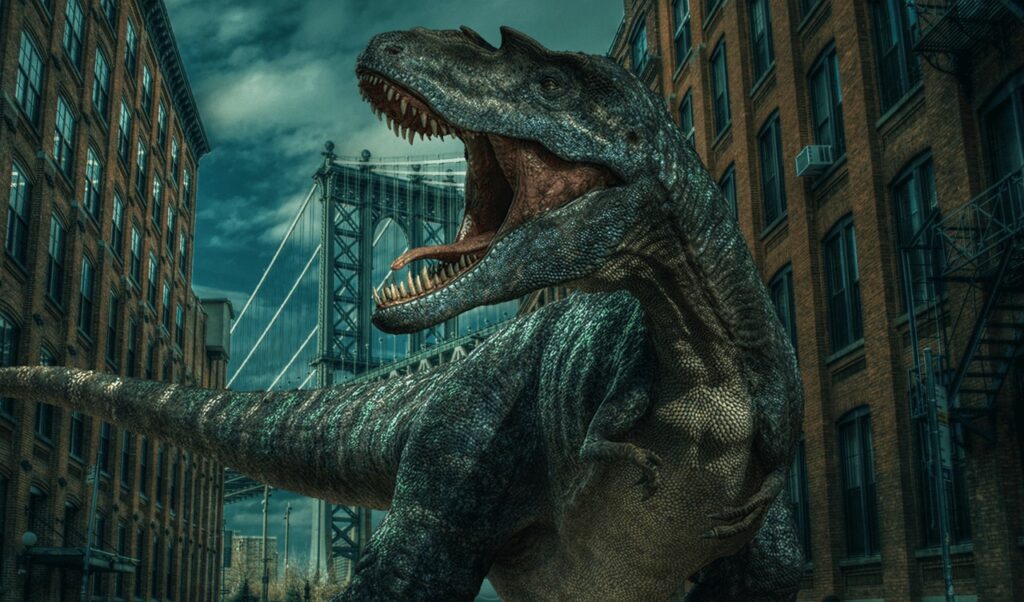
Picture this: you step outside one morning, coffee in hand, and you hear a sound that no app on your phone could ever prepare you for – a low, rumbling roar echoing across the skyline. Somewhere between a thunderclap and a freight train. You look up. A silhouette, the size of a school bus, is moving through your neighborhood. That sound, that impossible creature, is a Tyrannosaurus rex, and it is very much alive. If you feel a chill just reading that, welcome to the thought experiment that has fascinated scientists, filmmakers, and dreamers for over a century.
The question of whether non-avian dinosaurs could actually survive today is far more complicated than any movie has ever let on. It drills deep into atmosphere, physiology, food, disease, and the brutal reality of a planet that has changed almost beyond recognition. So buckle up and let’s dive in, because the answer is not what most people expect.
A World That Has Fundamentally Changed
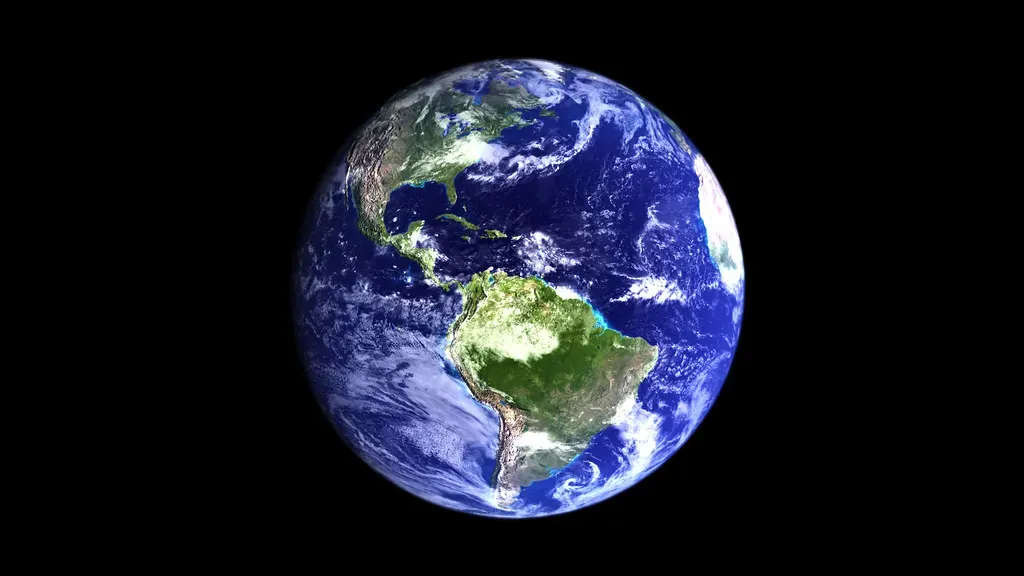
Honestly, if you could somehow place a time-traveling dinosaur in the middle of today’s Earth, the planet itself would feel almost alien to it. Today’s Earth differs dramatically from the Mesozoic Era in terms of temperature, atmospheric composition, vegetation, and ecosystem dynamics. Think of it like dropping a deep-sea fish into a mountain lake and expecting it to thrive. The basic rules of the environment are just too different.
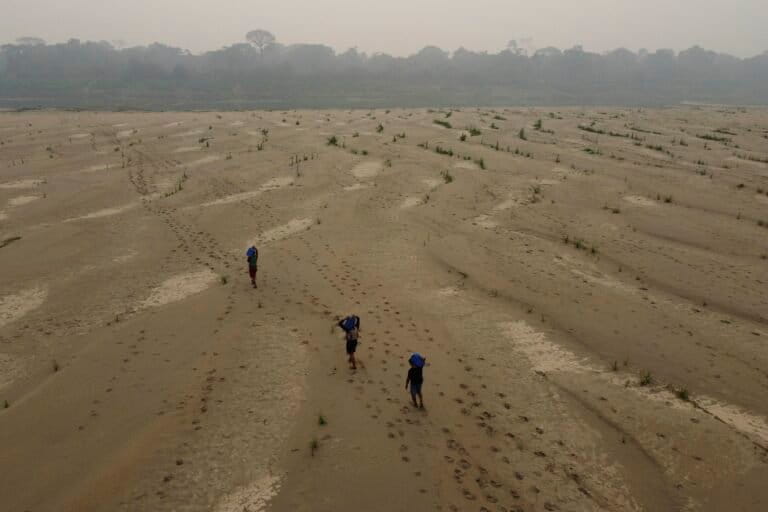
Dinosaurs evolved and thrived during the Mesozoic Era, a time markedly different from our current climate conditions. During much of this period, Earth was considerably warmer, with no polar ice caps and significantly higher carbon dioxide levels in the atmosphere. That’s not a minor tweak. That’s a whole different planet. The warm, lush uniformity of the Mesozoic world is simply gone, replaced by seasonal extremes, colder polar zones, and dramatically reduced global temperatures.
The Oxygen Problem: Breathing on a Changed Planet
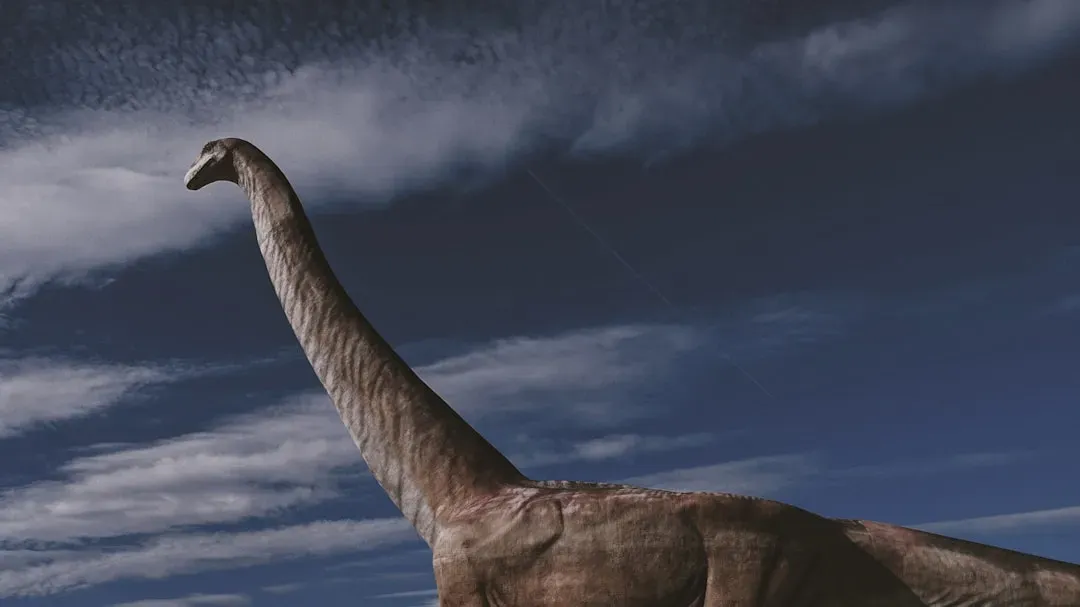
Here’s a thing that surprises most people. The air you breathe right now, at about 21 percent oxygen, might be genuinely hostile to some of the largest dinosaurs that ever walked the Earth. Perhaps the most immediate challenge facing any dinosaur living in the modern world would be getting enough oxygen. For enormous animals that required immense metabolic energy just to move, that gap could be catastrophic.
Studies of air bubbles trapped in amber show that the atmosphere of the Cretaceous may have had up to 35 per cent oxygen, compared to today’s 21 per cent. Imagine running a race car on lower-grade fuel than it was engineered for. That’s roughly the situation many larger dinosaurs would face. Large animals in general require excess amounts of oxygen to supply themselves with the energy necessary to survive, but in any case, the main characteristic which allowed for the especially immense size of different dinosaurs, such as the sauropods, was their skeletal pneumaticity. This is the hollowing or honey-combing throughout their skeleton, which also hinged for air sacs, giving dinosaurs the ability to breathe very efficiently and have fast functioning metabolisms. Whether this remarkable adaptation could fully compensate for a nearly halved atmospheric oxygen level remains one of paleontology’s most gripping open questions.
Temperature, Seasons, and the Cold Hard Truth
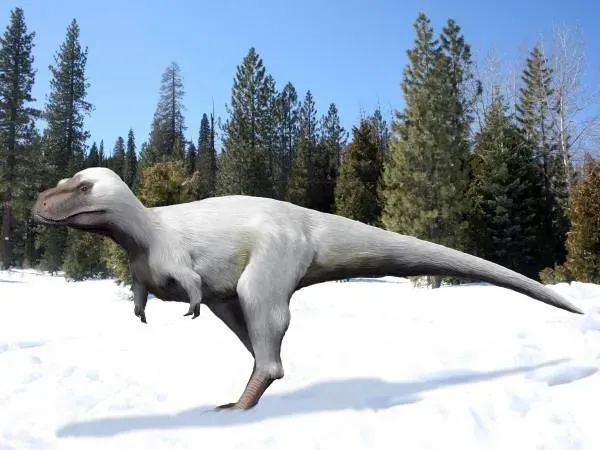
Modern Earth has something the Mesozoic largely didn’t: real winters. And for many dinosaur species, that would be a genuine death sentence. Today’s Earth experiences greater seasonal temperature fluctuations and more distinct climate zones than existed during much of the Mesozoic Era. Modern seasons, particularly in temperate and polar regions, create challenging winter conditions that would test dinosaur adaptability.
While some evidence suggests certain polar dinosaur species had adaptations for cooler conditions, including possible hibernation or migration behaviors, many dinosaur groups evolved in consistently warm environments without significant seasonal variations. The need to thermoregulate through cold winters would be particularly challenging for larger dinosaur species, which cannot easily shelter or hibernate due to their size. These seasonal pressures would likely restrict potential dinosaur habitation to tropical and subtropical regions in today’s world, significantly limiting their global distribution. So forget dinosaurs roaming Paris or Toronto. They’d most likely be squeezed into narrower bands near the equator, like enormous tropical refugees.
The Food Chain Crisis: What Would They Even Eat?
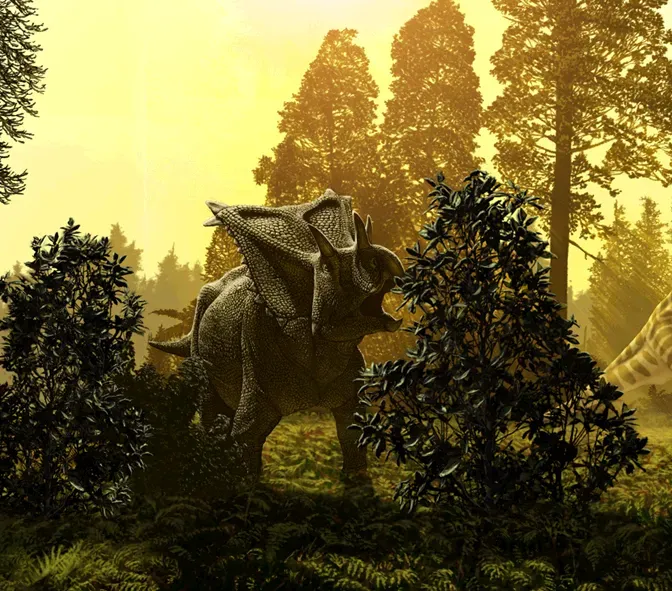
Let’s be real about something. Even if dinosaurs could breathe the air and tolerate the temperatures, they’d still have to eat. And that’s where things get truly troubling for the plant-eaters. The dominant species of flora that fed herbivorous dinosaurs were completely different than at present. The ancient forests of ferns, cycads, and primitive conifers that sustained vast herds of giant sauropods? Largely gone. Today’s ecosystems are dominated by flowering plants and grasses that evolved tens of millions of years after many dinosaurs’ peak.
For herbivorous dinosaurs, the options would not be so varied. The current amount of vegetation needed to sustain these animals has shrunk significantly since the Cretaceous period due to human activities like deforestation, development, and travel. Because these areas of vegetation are continuing to shrink, mainly due to climate change, herbivorous dinosaurs would not have enough food to sustain them, and may not survive as long. On top of that, pesticides and herbicides, which are regularly sprayed on plants, could result in fatal toxicity. It’s a remarkably hostile dining environment for creatures used to infinite ancient jungle.
What About the Carnivores? Could T. Rex Rule Again?
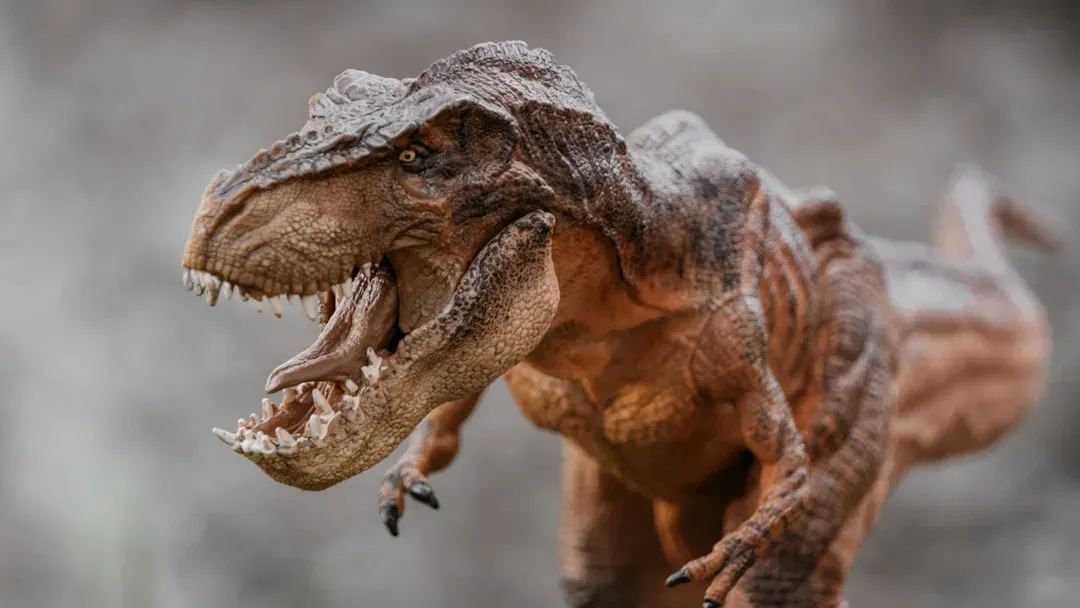
This is the part everyone secretly wants to know about. Could a T. rex actually hunt and kill in today’s world? The honest answer is probably yes, at least for a while. Your T. rex and raptors could probably survive just fine on modern animals, humans included, though they may not enjoy it. Think of it like a lion suddenly dropped into a city full of unfamiliar animals. It would figure things out fast, because that’s what apex predators do.
Modern studies estimate it could exert forces exceeding 12,000 pounds, enough to pulverize the bones of prey and leave deep puncture marks still visible on fossilized skeletons today. That kind of raw, mechanical power doesn’t suddenly become useless because the prey species changed. Its forward-facing eyes gave it strong depth perception similar to a hawk or a big cat, making it a precise hunter. Even more impressive was its sense of smell, which may have been among the most powerful ever recorded in a terrestrial animal. Some researchers believe T. rex could detect carcasses or prey from miles away, meaning it likely played a dual role as both hunter and scavenger, dominating its ecosystem in every possible way. Swap out ancient hadrosaurs for modern elk or bison, and the outcome probably looks very similar.
The Immune System Nightmare
Here’s the thing that may ultimately seal the fate of any dinosaur dropped into 2026. Bacteria, viruses, fungi, and parasites have had over 65 million years to evolve, mutate, and diversify since dinosaurs last walked the Earth. Modern pathogens and parasites have co-evolved with mammals and birds over millions of years, creating complex host-pathogen relationships. Dinosaurs would encounter entirely novel disease agents for which their immune systems have no evolutionary history or adaptation.
Since dinosaurs have become extinct, bacteria have had over 2 billion days to form new strains and species while the dino’s immune system has been locked at a point 65 million years ago. That is a staggering number to sit with. It’s like sending someone with a Stone Age immune system into a modern hospital full of antibiotic-resistant superbugs. Conversely, dinosaurs might have carried their own specialized pathogens that disappeared with them, meaning they could potentially lack the microbial symbionts necessary for proper digestion and immune function. This immunological naivety could represent a substantial obstacle to dinosaur survival in today’s microbial environment, potentially leading to devastating disease outbreaks in reintroduced populations.
Physiology and Adaptability: Who Would Stand the Best Chance?
Not all dinosaurs are created equal, of course. Some would have a dramatically better shot at survival than others. Growing evidence suggests many dinosaur groups possessed metabolic rates somewhere between modern reptiles and birds, with some theropods likely being warm-blooded like their avian descendants. This metabolic diversity would significantly influence their ability to adapt to today’s climate.
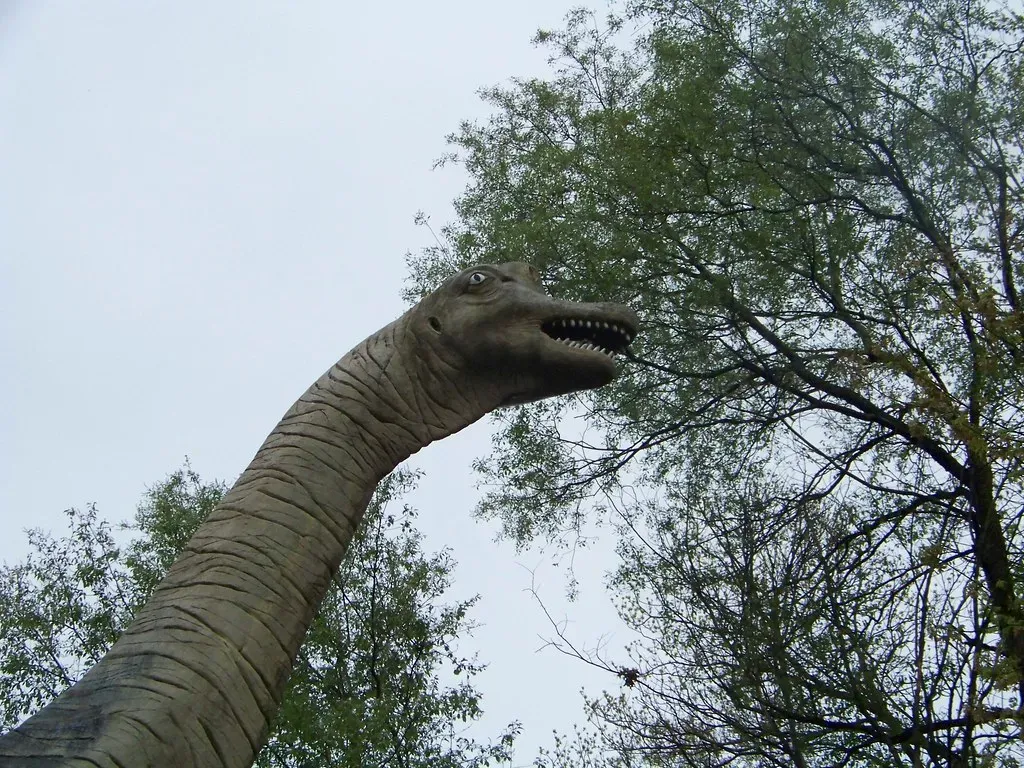
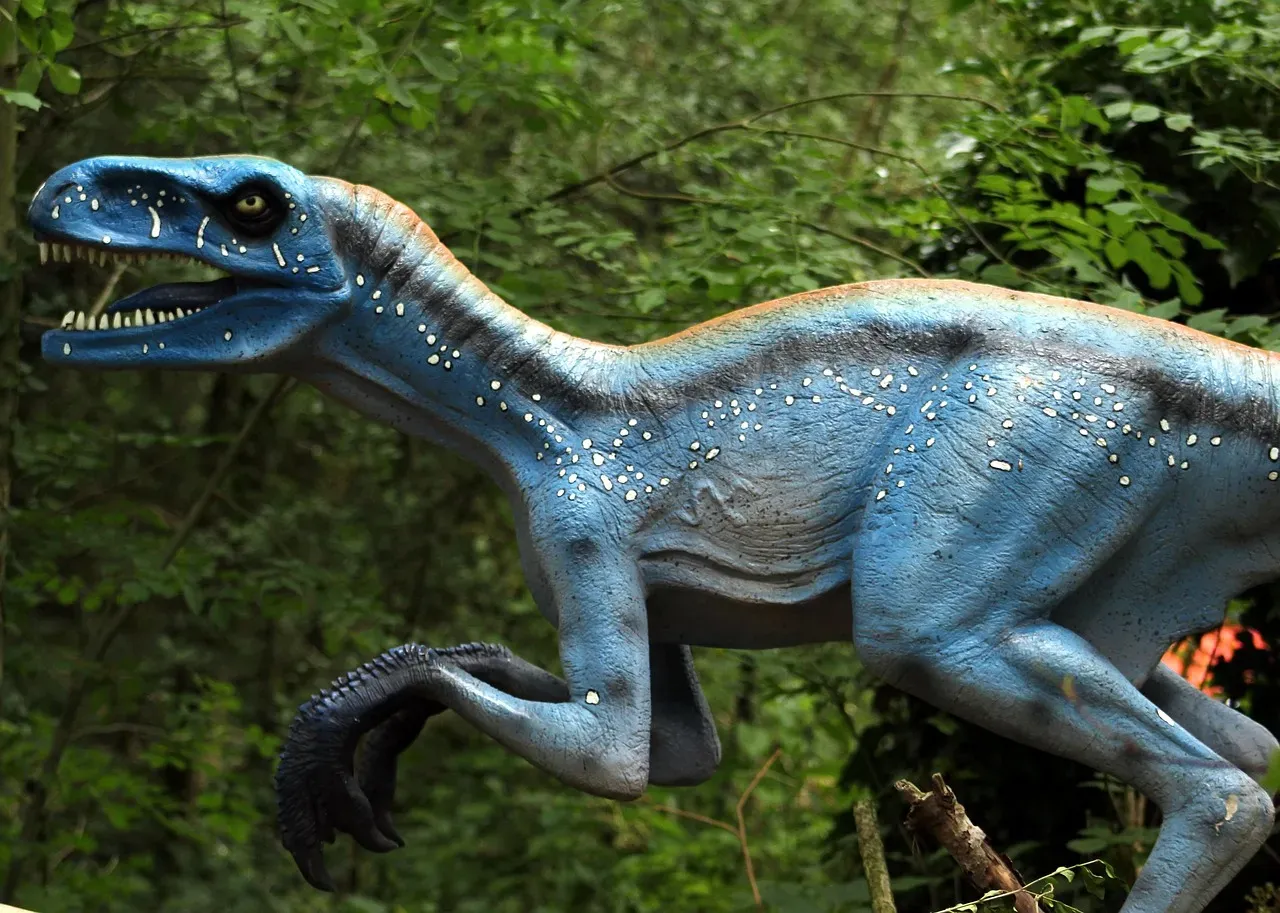
Large sauropods, with their massive body sizes providing thermal inertia, might struggle with temperature regulation in cooler modern environments. Conversely, smaller theropods with potentially higher metabolic rates and possible insulation from primitive feathers might adapt more successfully to contemporary temperature variations. The thermoregulatory capabilities of different dinosaur groups would be a critical factor in determining their potential survival in our current climate regime. Think of it as a spectrum. A Velociraptor-sized feathered theropod might arguably thrive. A 50-ton Brachiosaurus standing in a Canadian autumn? Far less convincing.
The Birds Among Us: Dinosaurs That Already Won
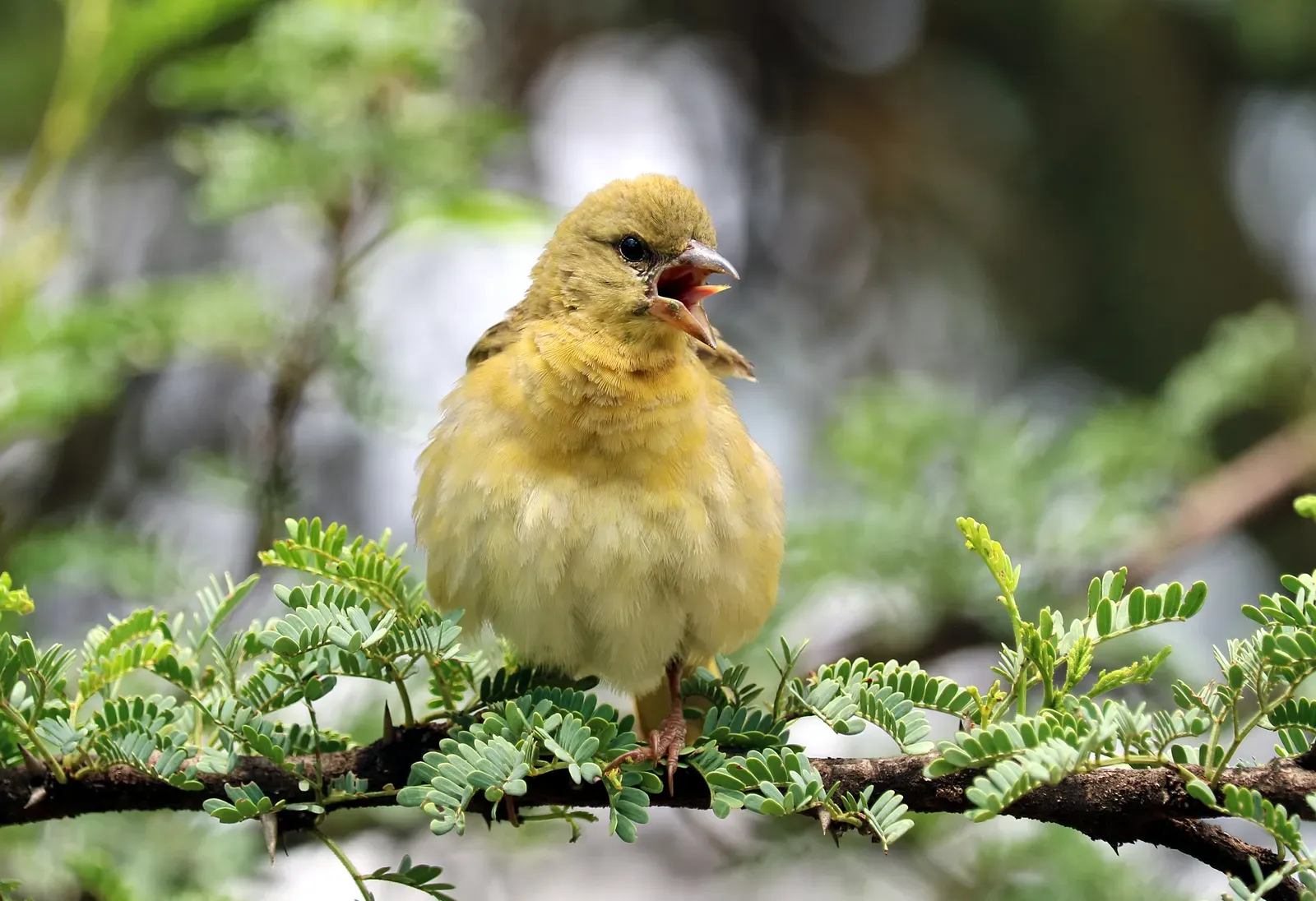
Here is, I think, the most genuinely mind-blowing part of this whole conversation. You don’t actually need to imagine dinosaurs surviving in the modern world. You can just look outside. Many of them probably could survive today. Dinosaurs ruled the world for 150 million years, and endured hot and cold spells, volcanic eruptions, and changing sea levels. Their adaptability is already proven by one extraordinary lineage that made it through the mass extinction event entirely.
Their modern name is “birds.” Every sparrow on your windowsill, every eagle overhead, every chicken on your plate is technically a living dinosaur. Birds evolved from dinosaurs in the latter parts of the Jurassic. So in a very real and literal sense, dinosaurs did survive. They adapted. They miniaturized. They grew feathers and took to the skies. The fact that we don’t consider them “real” dinosaurs is more a failure of our imagination than a biological truth. The dinosaurs that survived are watching you read this right now.
Conclusion: Survivors, Dominators, or Cautionary Tales?
So, could non-avian dinosaurs survive in today’s world? The science suggests the answer is a complicated, fascinating “probably not for long, and certainly not all of them.” The atmosphere is thinner in oxygen, the climate far more seasonally extreme, the plant life radically different, and the microbial landscape potentially devastating. Smaller, feathered, warm-blooded theropods would have the best shot. The true giants, the magnificent sauropods and the behemoth carnivores, would likely struggle within years rather than decades.
Would they have taken over? Probably not. The ecosystems, pathogens, and ecological competition of the modern world would act as powerful natural brakes on domination. That said, a population of large theropods loose on a continent would absolutely reshape ecosystems and terrify everything in their path for a time. The real takeaway here is deeply humbling. The conditions that allowed those extraordinary animals to evolve, grow, and reign for 150 million years no longer exist. Our planet belongs to a completely different chapter of its story now. The fact that birds still carry that ancient lineage forward is one of nature’s most quietly spectacular acts of resilience.
What do you think? If you could pick one dinosaur species with the best real shot at surviving in our 2026 world, which would it be? Drop your answer in the comments below.