Picture the last time you saw a pigeon pecking at crumbs on a city sidewalk. Ordinary, right? Almost forgettable. Now consider this: that bird, strutting around like it owns the place, shares a direct ancestral line with some of the most terrifying creatures to ever walk the Earth. We’re talking about the same group that produced Tyrannosaurus rex. That’s not a metaphor. That’s science.
The idea that birds are living dinosaurs has gone from a fringe hypothesis to one of the most thoroughly supported conclusions in all of evolutionary biology. Researchers today don’t just believe it. They can prove it, from bone structure and feather chemistry right down to the molecular sequences tucked inside bird DNA. What makes this story so incredible isn’t just the connection itself. It’s how many different lines of evidence all point to the same jaw-dropping truth. Let’s dive in.
The Theropod Connection: Where It All Begins
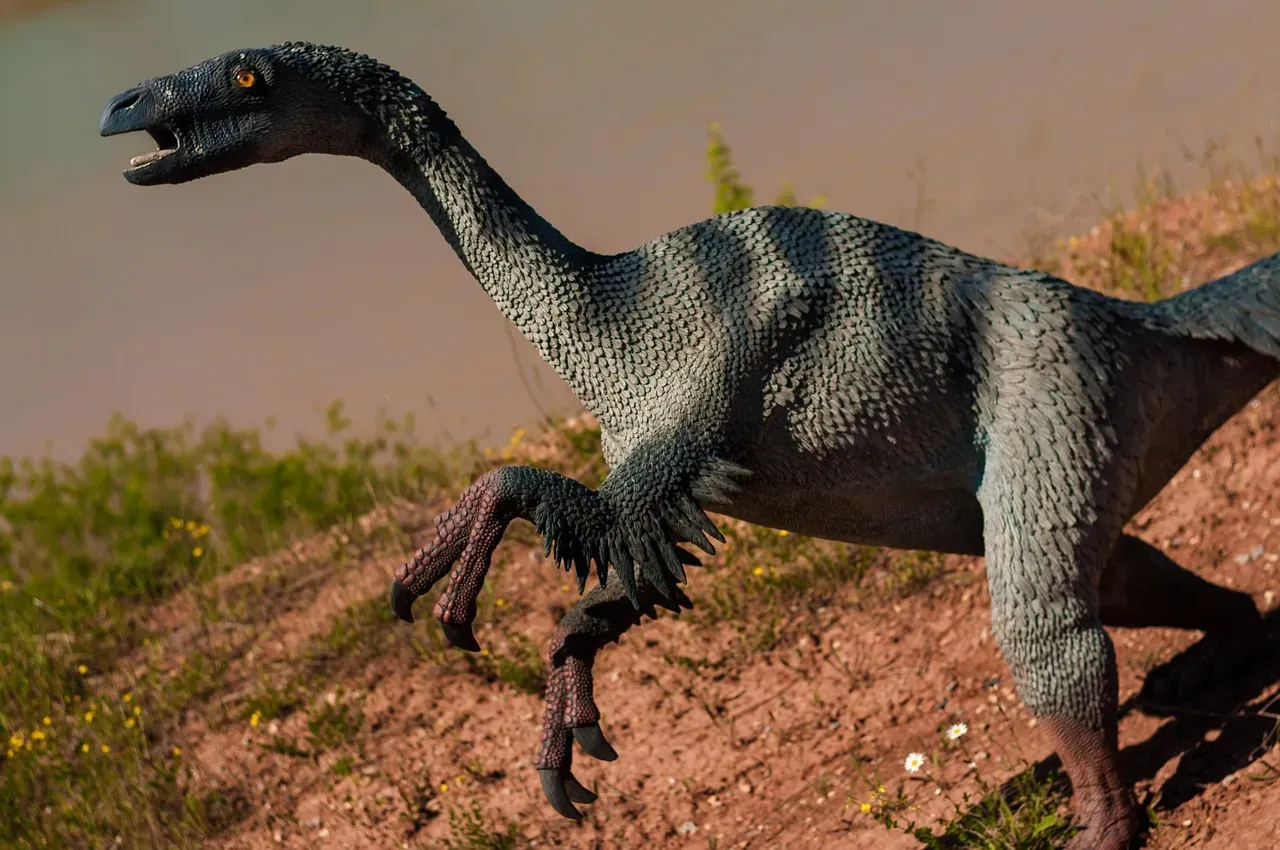
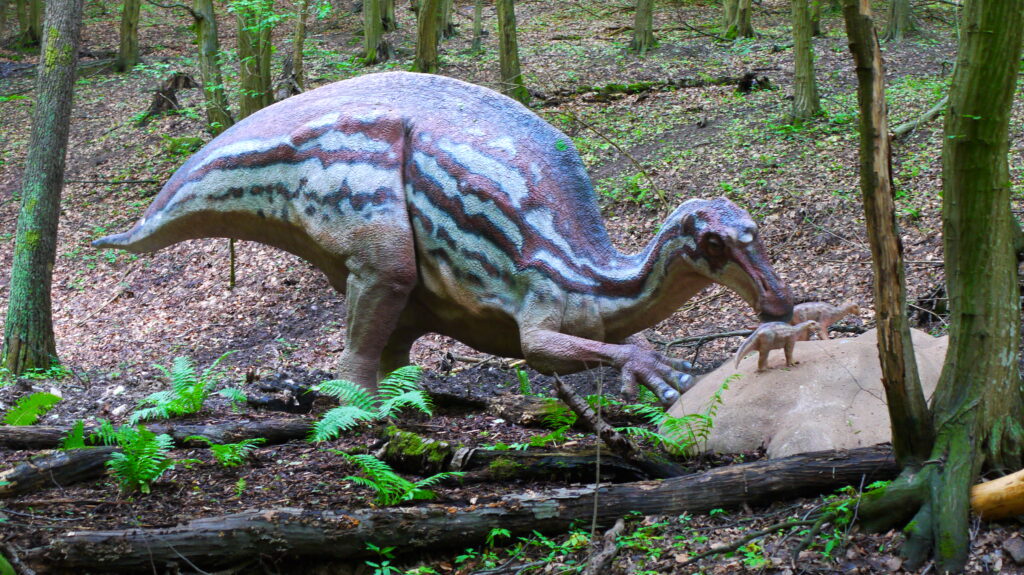
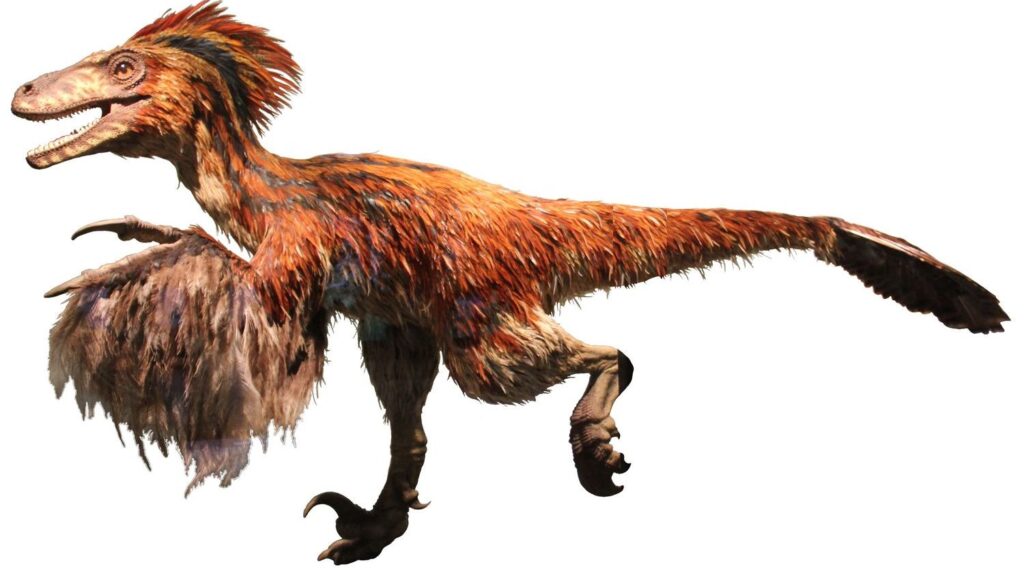
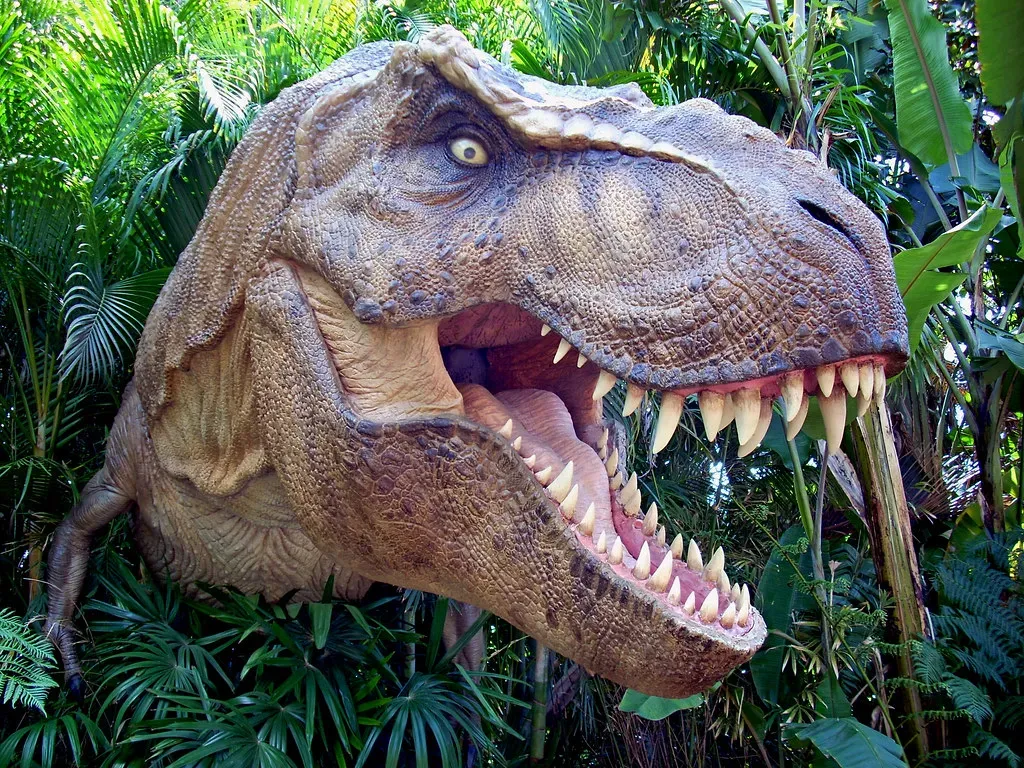
Modern birds descended from a group of two-legged dinosaurs known as theropods, whose members include the towering Tyrannosaurus rex and the smaller velociraptors. That alone should stop you in your tracks. The same family tree that produced a creature capable of snapping a car in half also gave us the sparrow outside your window.
Birds belong to the theropod group of dinosaurs that included T. rex. Theropods are all bipedal, and some of them share more bird-like features than others. This bipedalism, you might be surprised to learn, is actually one of the strongest clues. Birds inherit their bipedalism from theropods, explaining why they evolved flight using just their forelimbs, unlike bats or pterosaurs.
Archaeopteryx: The Fossil That Changed Everything
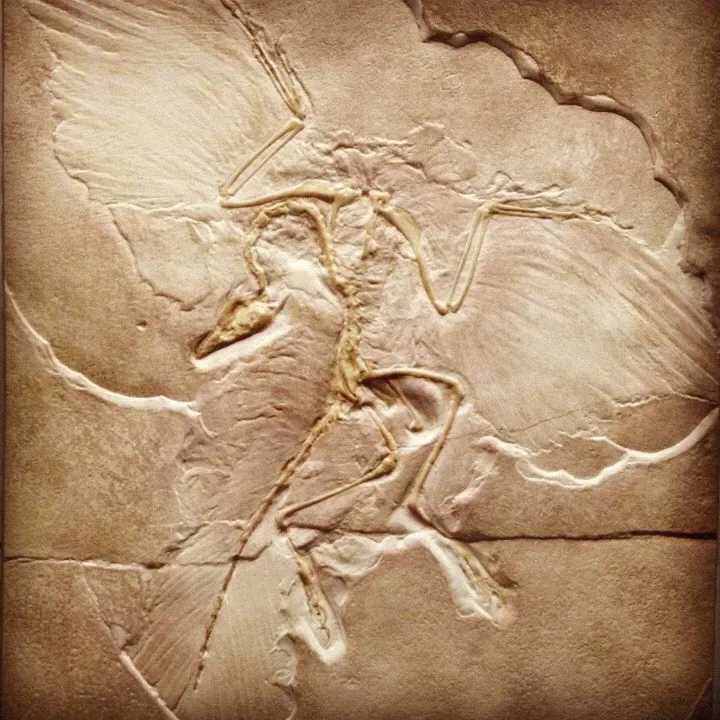
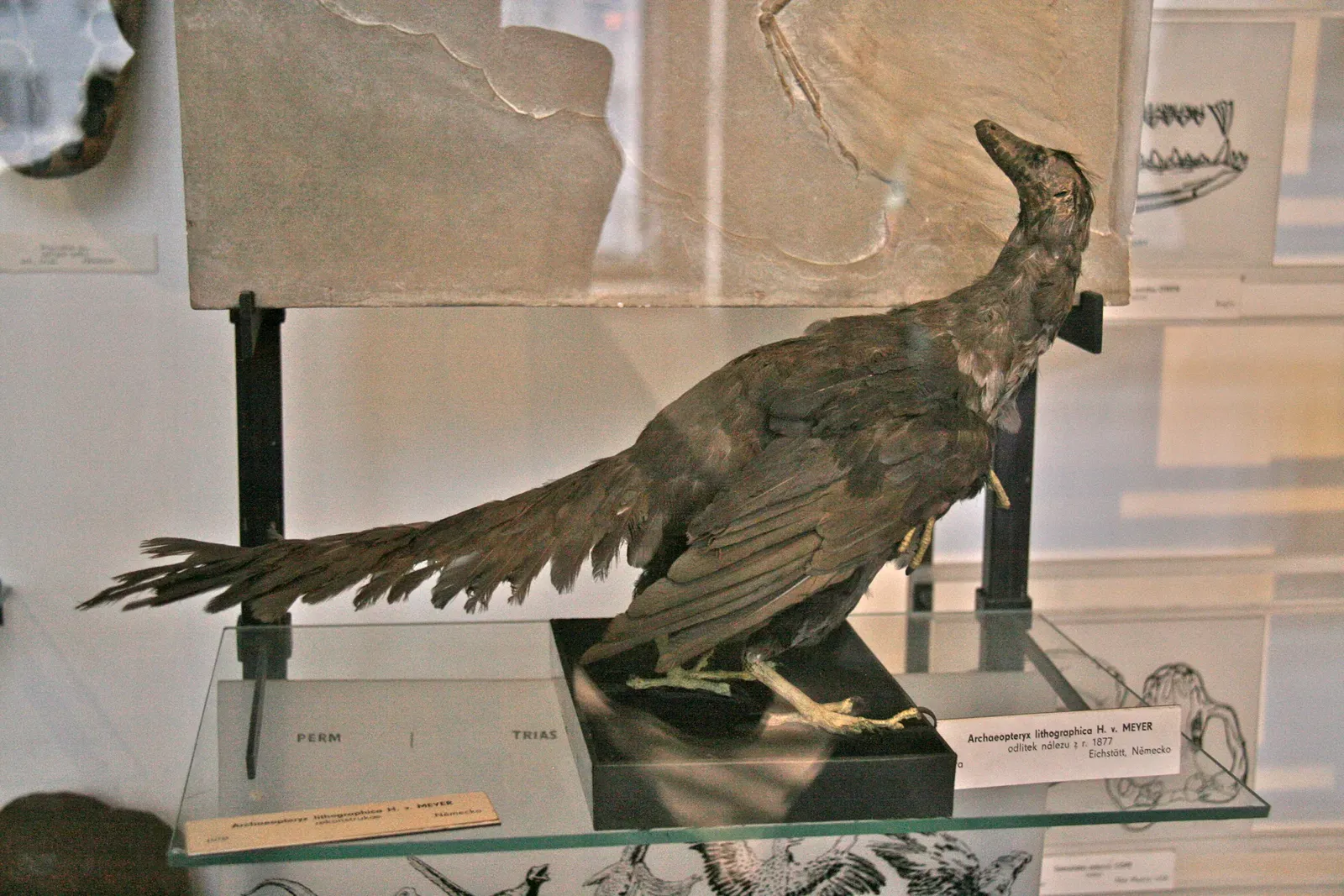
The earliest known bird, Archaeopteryx, emerged during the Late Jurassic period, around 150 million years ago, demonstrating both avian and dinosaur characteristics. This transitional species possessed feathers and the ability to fly, yet retained features like a toothed jaw and a long bony tail, linking it to its dinosaur ancestors. Honestly, it’s the kind of creature that would make your head spin if you stumbled across it today.
Archaeopteryx is a transitional fossil, with features clearly intermediate between those of non-avian theropod dinosaurs and birds. Discovered just two years after Darwin’s seminal Origin of Species, its discovery spurred the nascent debate between proponents of evolutionary biology and creationism. Only 14 Archaeopteryx fossils have been discovered. Most are housed in Germany, where they were recovered.
Feathers Before Flight: A Stunning Evolutionary Revelation
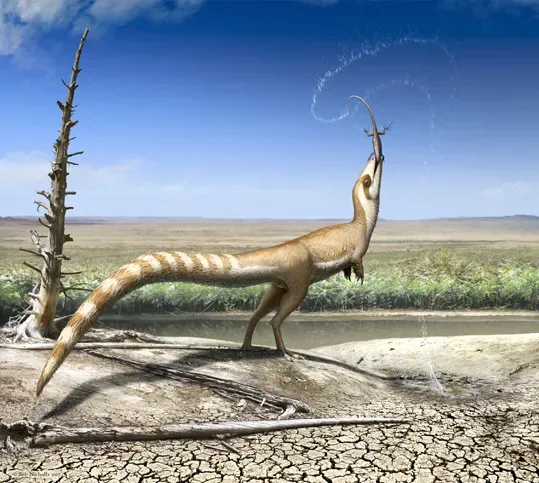
Feathers, once thought unique to birds, must have evolved in dinosaurs long before birds developed. Sophisticated new analyses of these fossils, which track structural changes and map how the specimens are related to each other, support the idea that avian features evolved over long stretches of time. Think of it like nature quietly prototyping for millions of years before the final product was ready.
Small theropods related to Compsognathus, such as Sinosauropteryx, probably evolved the first feathers. These short, hair-like feathers grew on their heads, necks, and bodies and provided insulation. The feathers seem to have had different color patterns as well, although whether these were for display, camouflage, species recognition, or another function is difficult to tell.
The Bone Deep Evidence: Hollow, Pneumatized, and Unmistakably Avian
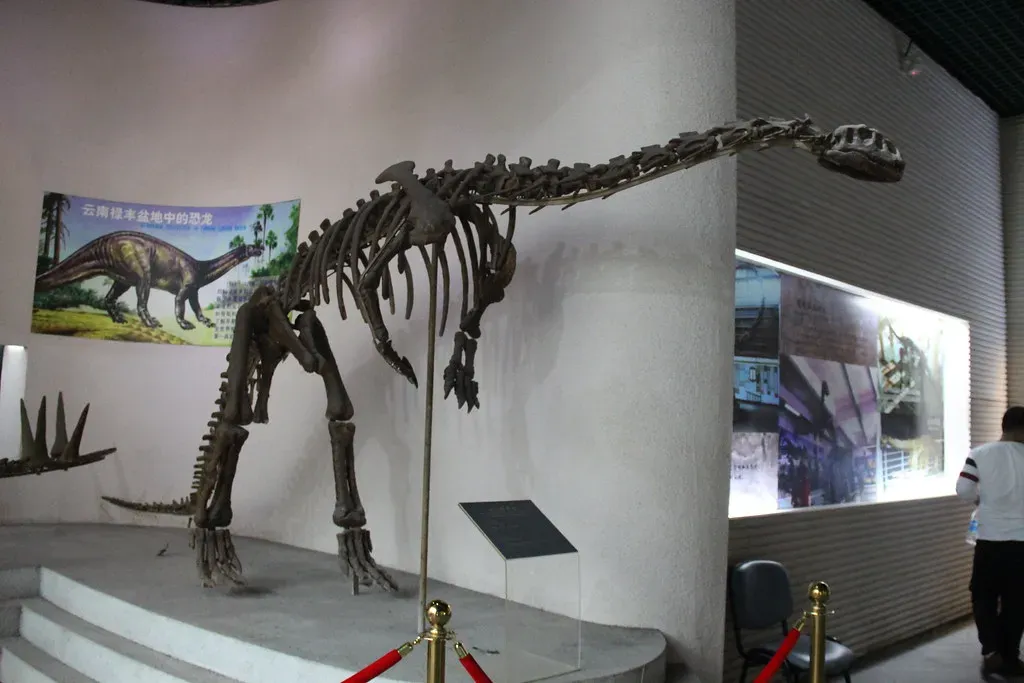
Fossil evidence demonstrates that birds and dinosaurs shared features such as hollow, pneumatized bones, gastroliths in the digestive system, nest-building, and brooding behaviors. These aren’t vague similarities. These are precise, detailed biological traits that only make evolutionary sense if you trace the lineage directly from one group to the other.
These early birds had already developed features we recognize today: feathers, lightweight hollow bones, and highly efficient respiratory systems. Many of these adaptations initially evolved for purposes other than flight, as feathers, for instance, likely first appeared for insulation or display. Here’s the thing, evolution rarely invents something for its ultimate purpose right away. It repurposes and retools.
Shrinking Giants: How Dinosaurs Became So Small
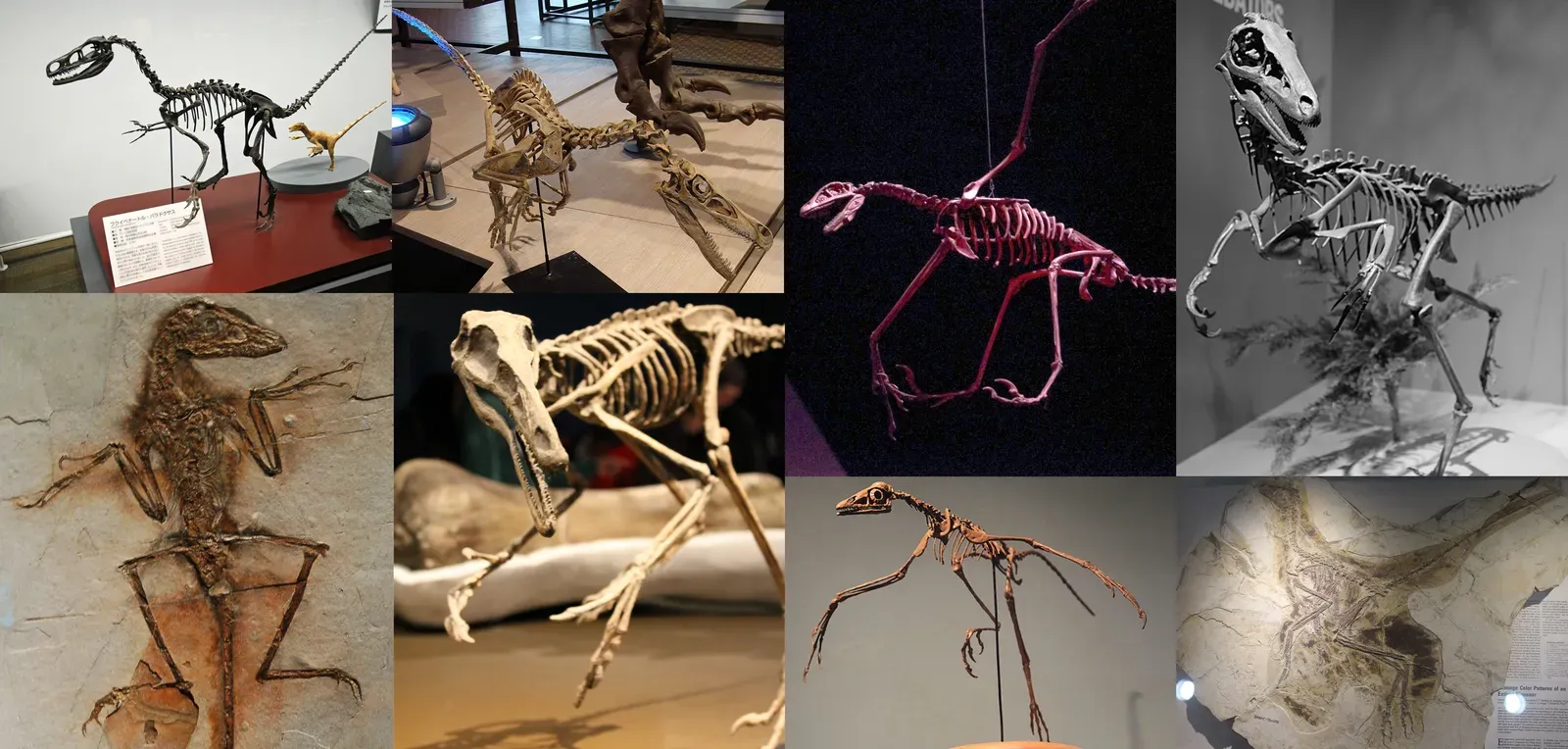
Though most people might name feathers or wings as a key characteristic distinguishing birds from dinosaurs, the group’s small stature is also extremely important. New research suggests that bird ancestors shrank fast, indicating that the diminutive size was an important and advantageous trait, quite possibly an essential component in bird evolution. It’s a bit like going from a freight truck to a sports car, and the redesign took tens of millions of years.
The theropods most closely related to avians generally weighed between 100 and 500 pounds, giants compared to most modern birds, and they had large snouts, big teeth, and not much between the ears. A velociraptor, for example, had a skull like a coyote’s and a brain roughly the size of a pigeon’s. That detail about Velociraptor’s brain being the size of a pigeon’s brain? I think that’s one of the most quietly poetic reversals in all of natural history.
The Wrist, the Wing, and the Walk: Anatomical Proof
Another line of evidence comes from changes in the digits of the dinosaurs leading to birds. The first theropod dinosaurs had hands with small fifth and fourth digits and a long second digit. As the evogram shows, in the theropod lineage that would eventually lead to birds, the fifth digit and then the fourth were completely lost. The wrist bones underlying the first and second digits consolidated and took on a semicircular form that allowed the hand to rotate sideways against the forearm. This eventually allowed birds’ wing joints to move in a way that creates thrust for flight.
Even more telling is the structure of the wrist and hand. In both birds and maniraptoran dinosaurs like Velociraptor, the semilunate carpal bone allows the folding motion essential for wing flapping. CT scans of dinosaur skulls show brain cavities remarkably similar to those of modern birds, especially in regions associated with vision and coordination, which are critical for flight.
Molecular Proof: What DNA Tells Us About Ancient Lineages
In 2005, paleontologist Mary Higby Schweitzer identified flexible blood vessels and collagen proteins in a Tyrannosaurus rex femur. Later analyses showed that these proteins were more closely related to those found in chickens than to reptiles like alligators, reinforcing the bird-dinosaur connection at the molecular level. When fossilized bone tissue starts resembling your Sunday roast chicken at the protein level, that’s not a coincidence.
Scientists reveal that another event 65 million years ago misled them about the true family history of birds. They discovered that a section of one chromosome spent millions of years frozen in time, and it refused to mix together with nearby DNA as it should have. This section, just roughly two percent of the bird genome, convinced scientists that most birds could be grouped into two major categories, with flamingos and doves as evolutionary cousins. It turns out that even bird DNA tried to deceive researchers, which only makes the story richer.
Surviving the Apocalypse: How Birds Made It Through the Mass Extinction
Approximately 66 million years ago, a catastrophic asteroid impact changed the course of life on Earth forever. In what became known as the Cretaceous-Paleogene extinction event, roughly three quarters of all species vanished, including the non-avian dinosaurs that had dominated terrestrial ecosystems for over 160 million years. Yet remarkably, one dinosaur lineage survived, the birds.
Birds possess a remarkable physiological trait that proved invaluable during the impact winter, which is endothermy, or the ability to maintain high body temperatures internally. This warm-blooded metabolism, combined with insulating feathers, allowed birds to function effectively even as global temperatures plummeted following the asteroid impact. The answer to their survival probably lies in a combination of things: their small size, the fact they can eat a lot of different foods, and their ability to fly.
The Living Dinosaurs Among Us: What This Means for Science Today
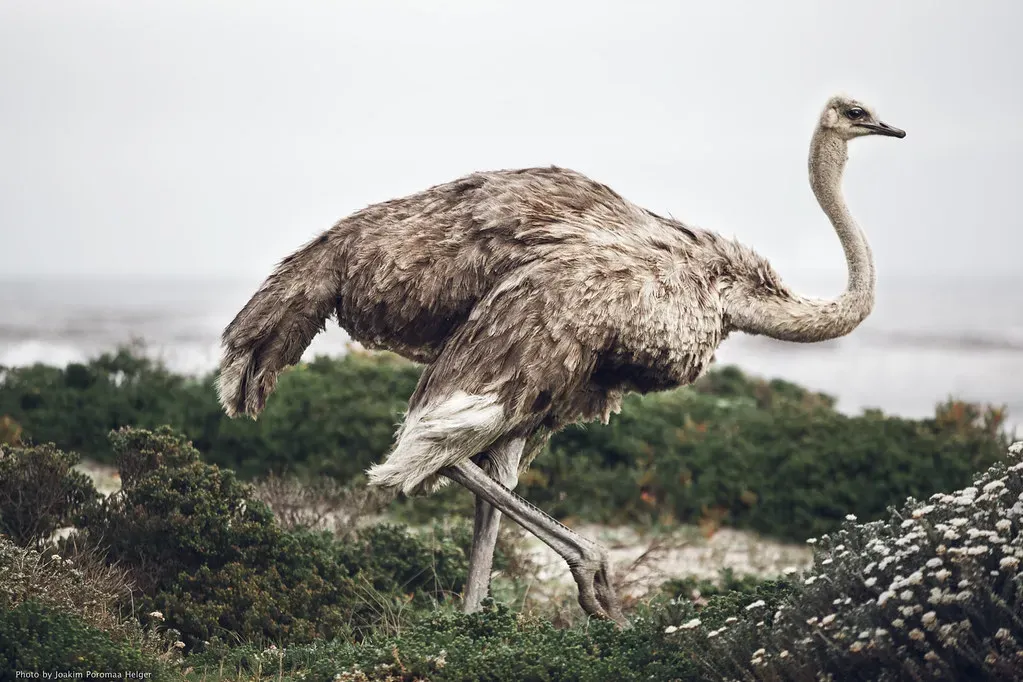
Among the most revolutionary insights emerging from 200 years of research on dinosaurs is that the clade Dinosauria is represented by approximately 11,000 living species of birds. Let that number settle. There are more species of living dinosaurs on Earth right now than most people realize, and most of them are singing in your garden.
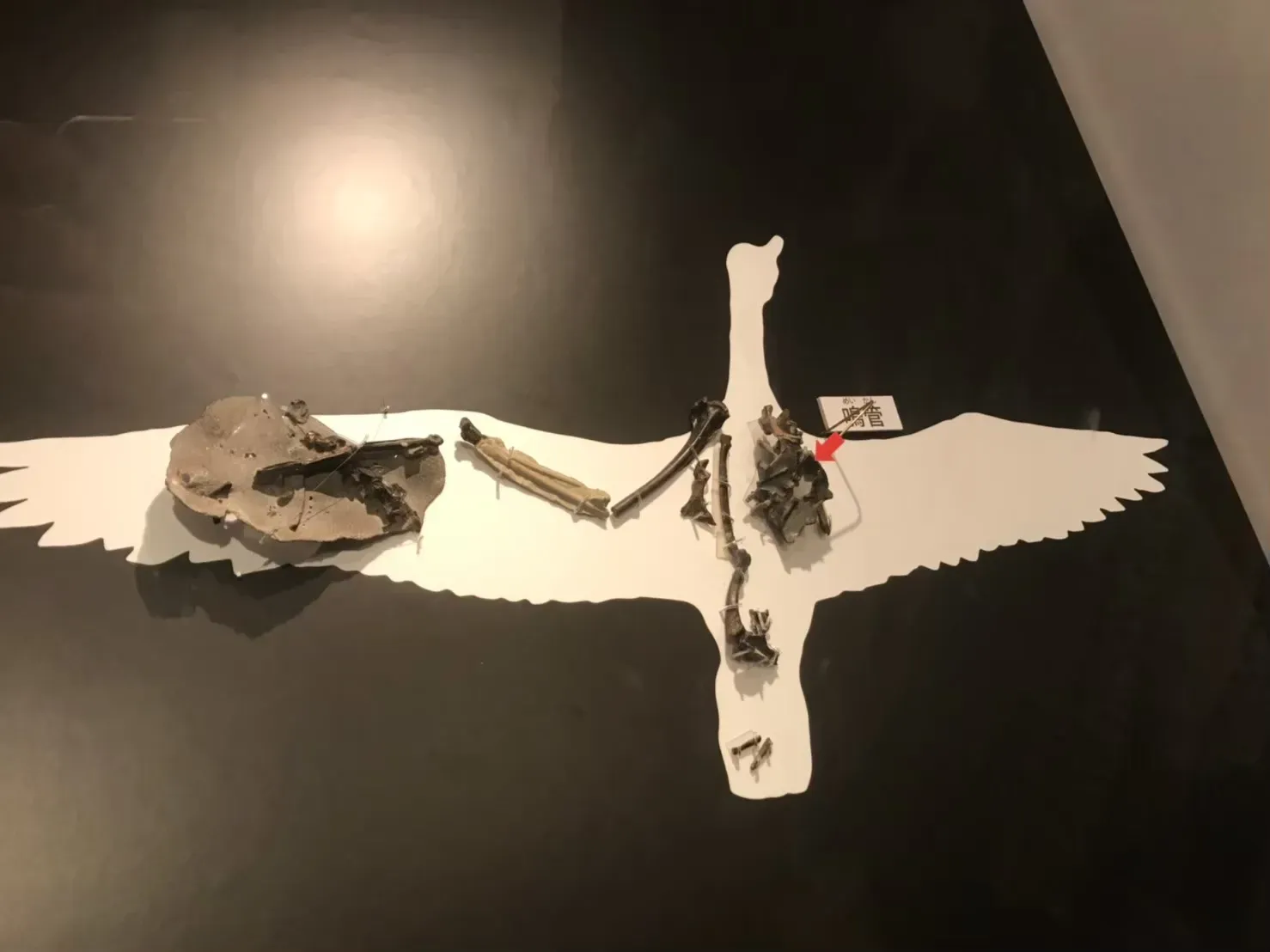
This connection also influences conservation. If we understand that every sparrow, hawk, or hummingbird carries the legacy of Velociraptor and T. rex, it adds profound significance to protecting avian diversity. Over 1,400 bird species are currently threatened with extinction, each representing a unique branch on the dinosaur family tree. A new study describing a fossil of a nearly complete and intact bird skull from Antarctica is shedding light on the early evolution of today’s birds and avian diversity at the end of the Age of Dinosaurs. Research is still accelerating, and there’s more to discover.
Conclusion: The Dinosaur Outside Your Window
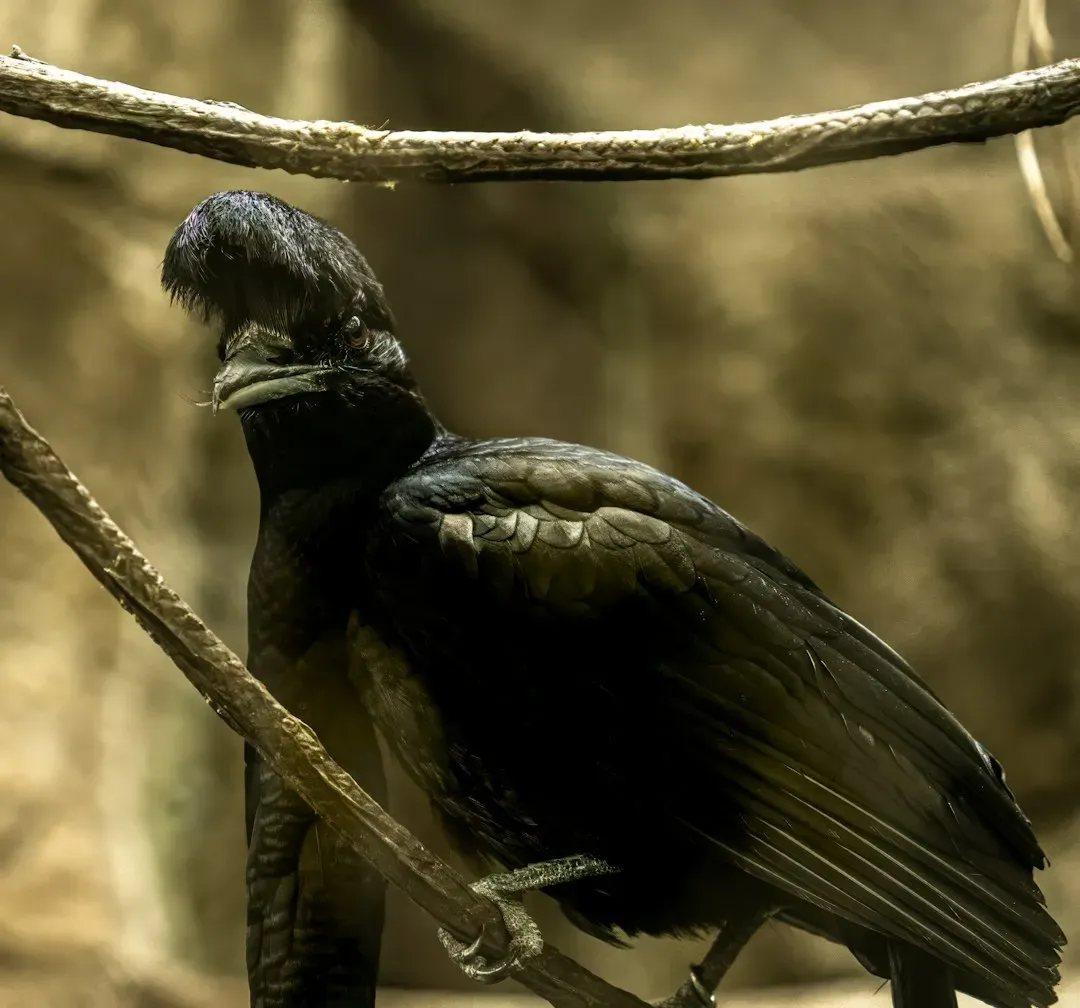
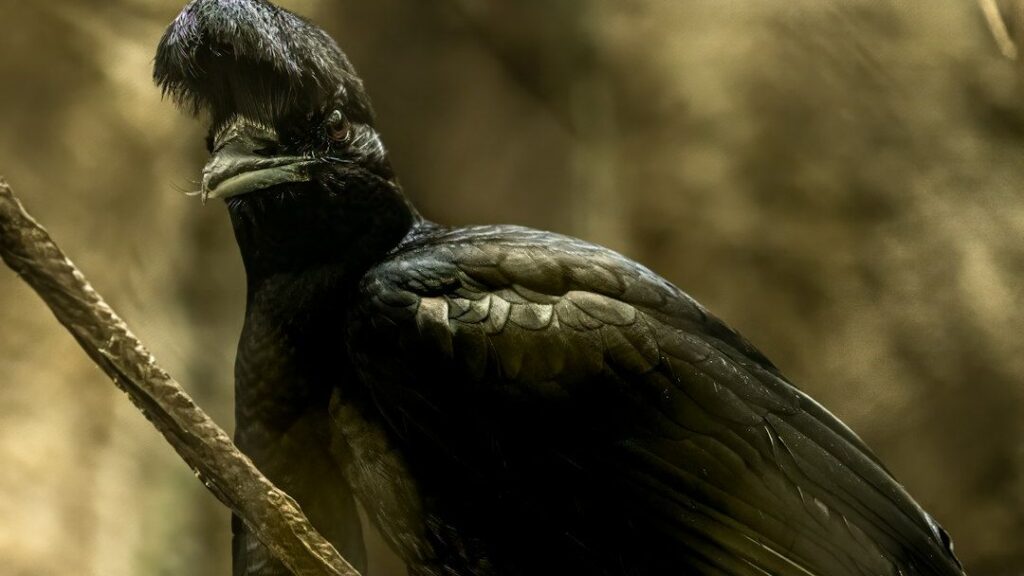
The next time a crow lands on your fence and tilts its head with that sharp, eerily intelligent gaze, remember what you’re looking at. It isn’t just a bird. It’s a survivor. A living piece of evolutionary history that traces back over 160 million years, through fire and catastrophe, through shrinking bodies and reshaping bones, all the way to a feathered theropod running through a Jurassic forest.
The evidence is overwhelming, layered, and consistent, spanning fossils, molecular biology, anatomy, and genomics. There isn’t a serious paleontologist or evolutionary biologist alive today who disputes the core truth: birds are direct descendants of theropod dinosaurs. The debate has shifted, as science tends to do, from whether to exactly how.
Honestly, I think that’s one of the most extraordinary things science has ever revealed to us, not through a telescope pointed at the stars, but through a magnifying glass focused on a pigeon. So the next time someone dismisses birds as mundane, you’ll know better. The real question worth sitting with is this: knowing that living dinosaurs surround us every single day, does that change the way you see the world? What do you think? Tell us in the comments.