Have you ever watched a pigeon strutting across a city sidewalk and wondered if something deeper connects it to ancient creatures that roamed the earth millions of years ago? It might sound wild, but what if that seemingly ordinary bird was actually carrying the genetic blueprint of towering predators long extinct? The relationship between birds and dinosaurs has fascinated scientists for over a century, sparking fierce debate and stunning revelations. Today, researchers are uncovering evidence that is nothing short of jaw dropping. From feathered fossils to molecular signatures, the clues suggest that the boundary between these two groups is far blurrier than most people imagine.
Let’s be real, when you think of dinosaurs, you probably picture massive reptilian beasts with scales, long tails, and terrifying roars. Yet the science tells a completely different story. So let’s dive in and explore why the sparrow outside your window might be more prehistoric than you ever thought possible.
The Feathered Revolution That Changed Everything
Since the 1990s, a flood of feathered dinosaur fossils has exploded onto the scientific scene, fundamentally transforming how paleontologists view the ancient world. The discovery of Sinosauropteryx prima in 1996 was among the most important fossil finds of the century, as it was the first non-avian dinosaur found with feather-like structures.
These weren’t just simple fuzz or random filaments. Researchers identified protofeathers, which were filamentous structures likely used for insulation, along with more complex branched filaments and early forms of vaned feathers with a central shaft and barbs. Think about it: dinosaurs sporting actual feathers, millions of years before birds supposedly appeared. Honestly, it’s hard to overstate how completely this shifted our understanding of dinosaur biology and appearance.
When DNA Tells Stories Millions of Years Old
Protein fragments from a 68 million year old T. rex bone most closely match samples from a chicken, providing further evidence of the evolutionary relationship between dinosaurs and birds. Let that sink in for a moment. Scientists actually managed to extract organic material from fossilized dinosaur remains and found it resembled modern poultry.
Chickens are actually direct descendants, and as a result, chicken DNA is surprisingly most closely related to dinosaur DNA. It’s remarkable when you consider the implications. The chicken was the first bird to have its genome sequenced, confirming that the chicken is currently the closest living relative to the T-Rex, establishing that chickens are descendants of meat-eating dinosaurs. The humble barnyard bird carries the genetic legacy of apex predators within every cell.
The Theropod Connection You Never Knew Existed
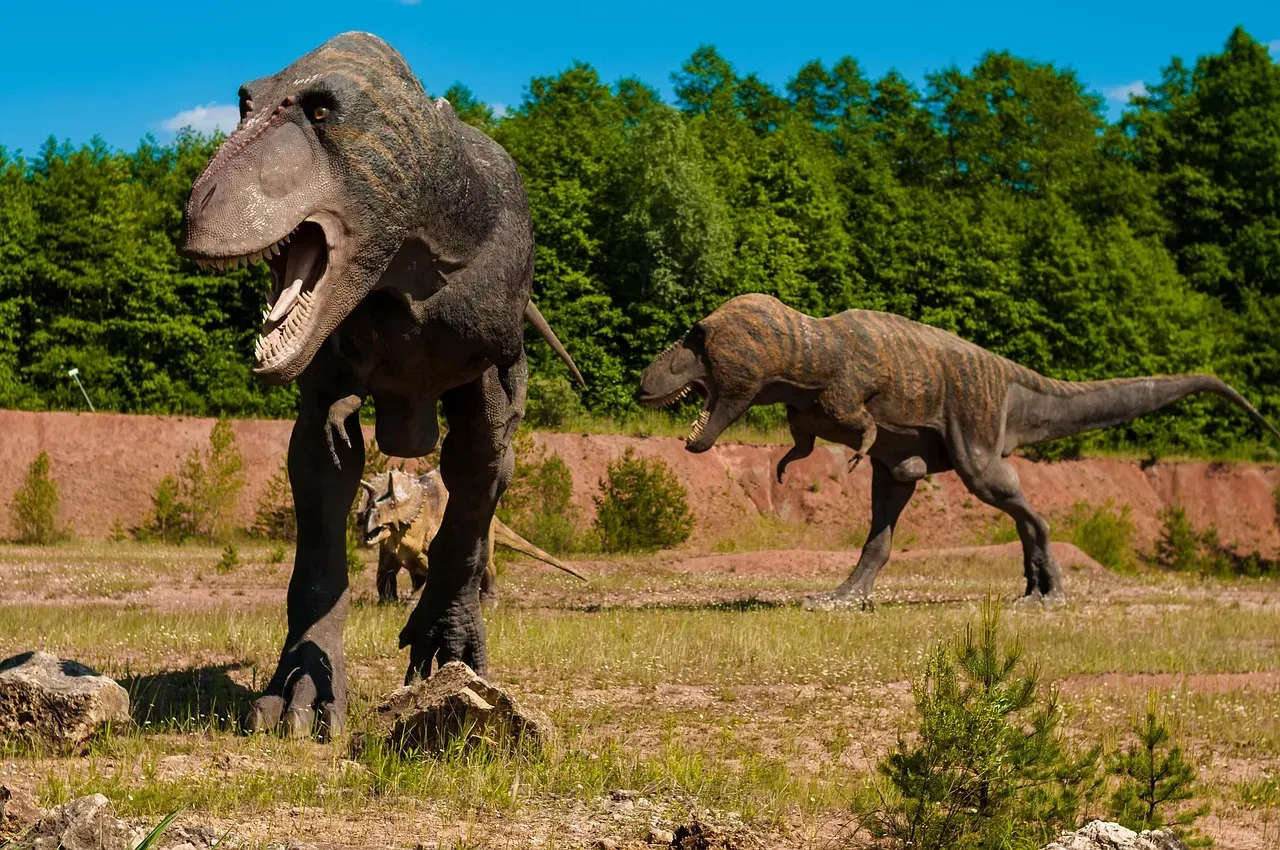
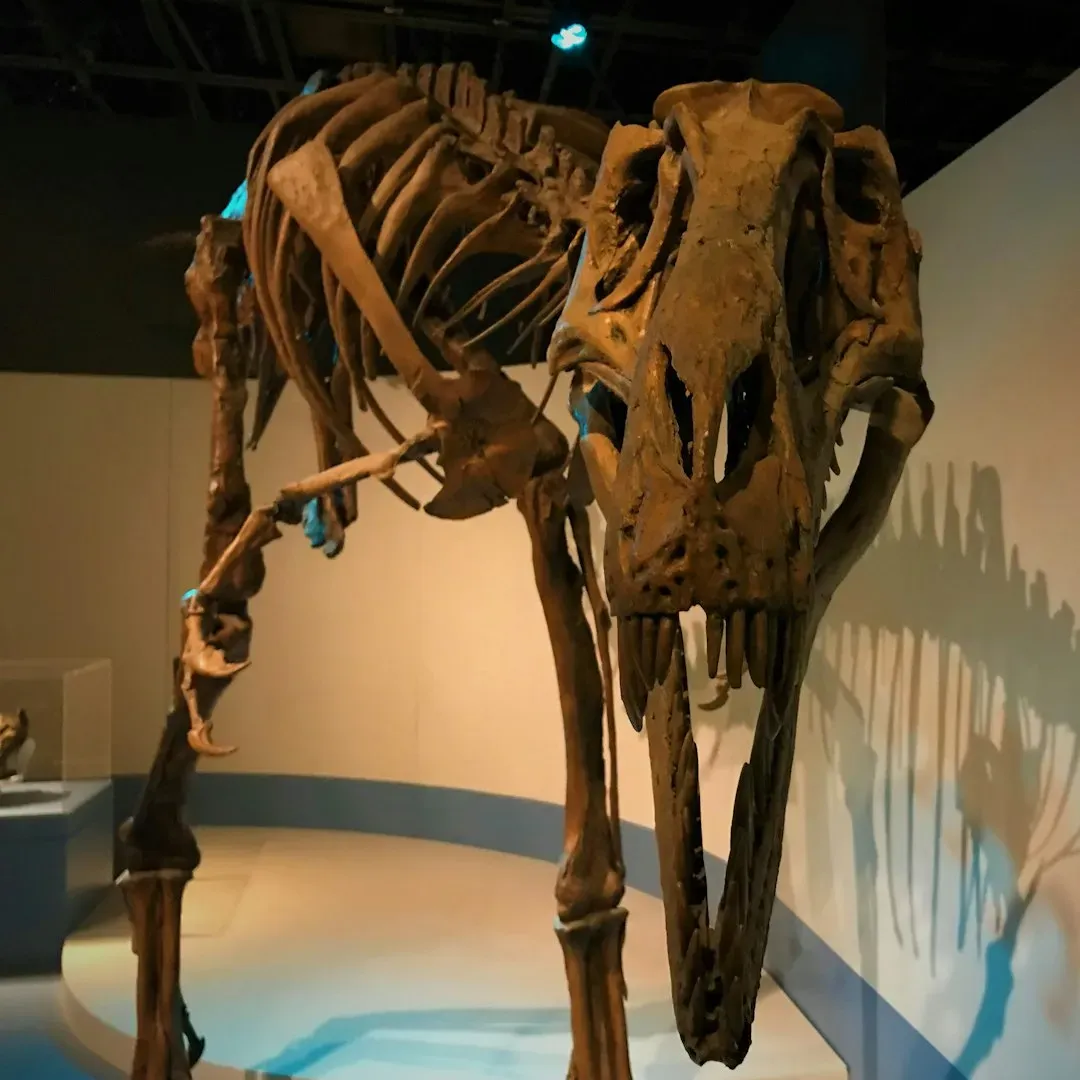
Modern birds descended from a group of two-legged dinosaurs known as theropods, whose members include the towering Tyrannosaurus rex and the smaller velociraptors. This family tree connection is more than just speculation based on appearance. Birds belong to the theropod group of dinosaurs that included T. rex, and theropods are all bipedal with some sharing more bird-like features than others.
Here’s the thing: theropods had characteristics we associate exclusively with birds today. Theropods, both extant and extinct, are characterized by hollow bones and three toes and claws on each limb. Scientists assumed that hollow bones evolved with flight to make flying easier, but studies have shown that Allosaurus, a fairly primitive theropod, also had hollow bones. The pieces of the puzzle were there long before birds took to the skies.
Archaeopteryx: The Creature That Bridged Two Worlds
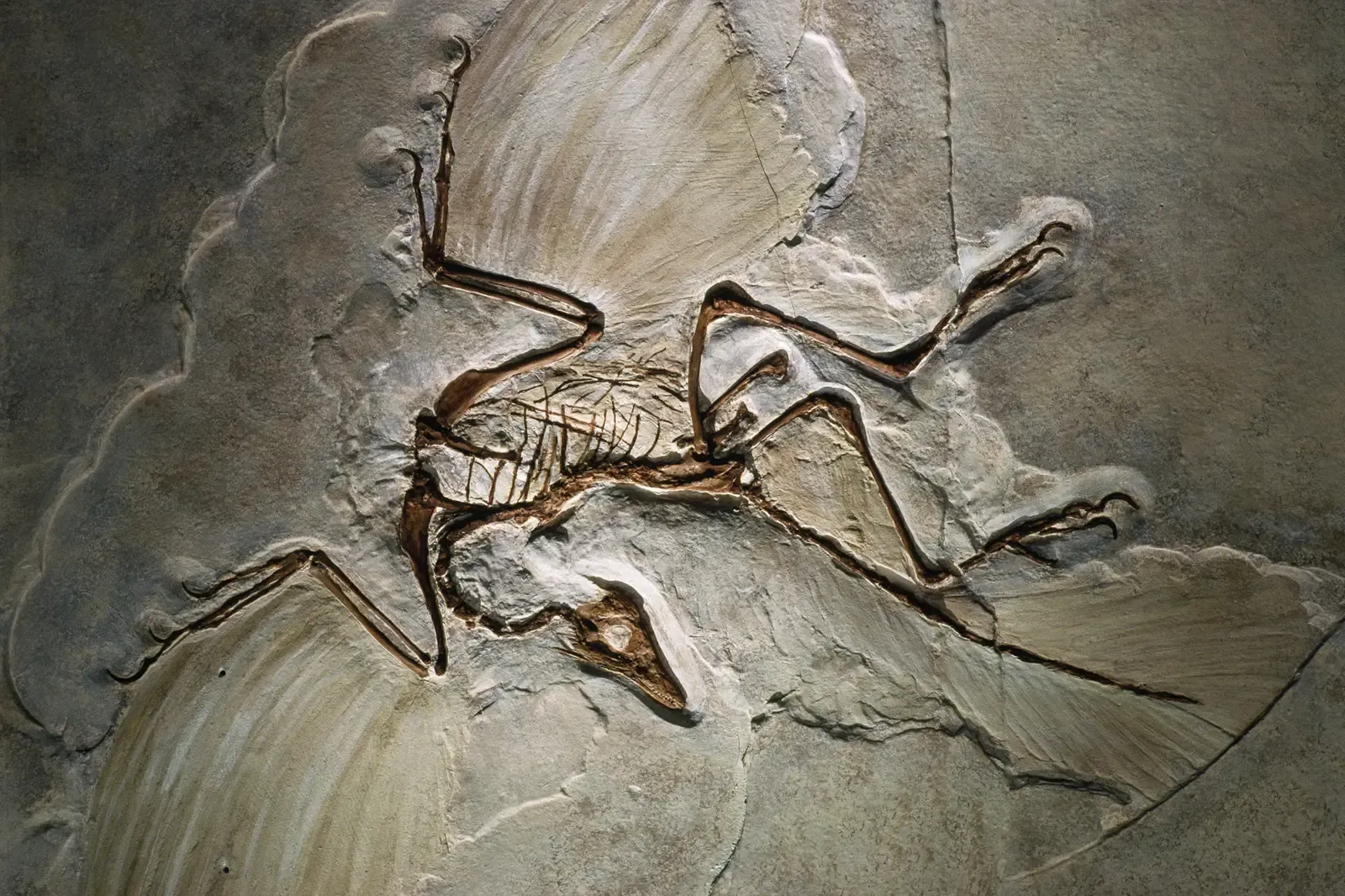
Archaeopteryx is a clear candidate for a transitional fossil between non-avian dinosaurs and avian dinosaurs, playing an important role in the study of the origin of birds and dinosaurs. Discovered back in 1861, just two years after Darwin published his revolutionary theory, this creature became an instant sensation. Archaeopteryx shared features with dromaeosaurids and troodontids: jaws with sharp teeth, three fingers with claws, a long bony tail, hyperextensible second toes, feathers, and various skeletal features.
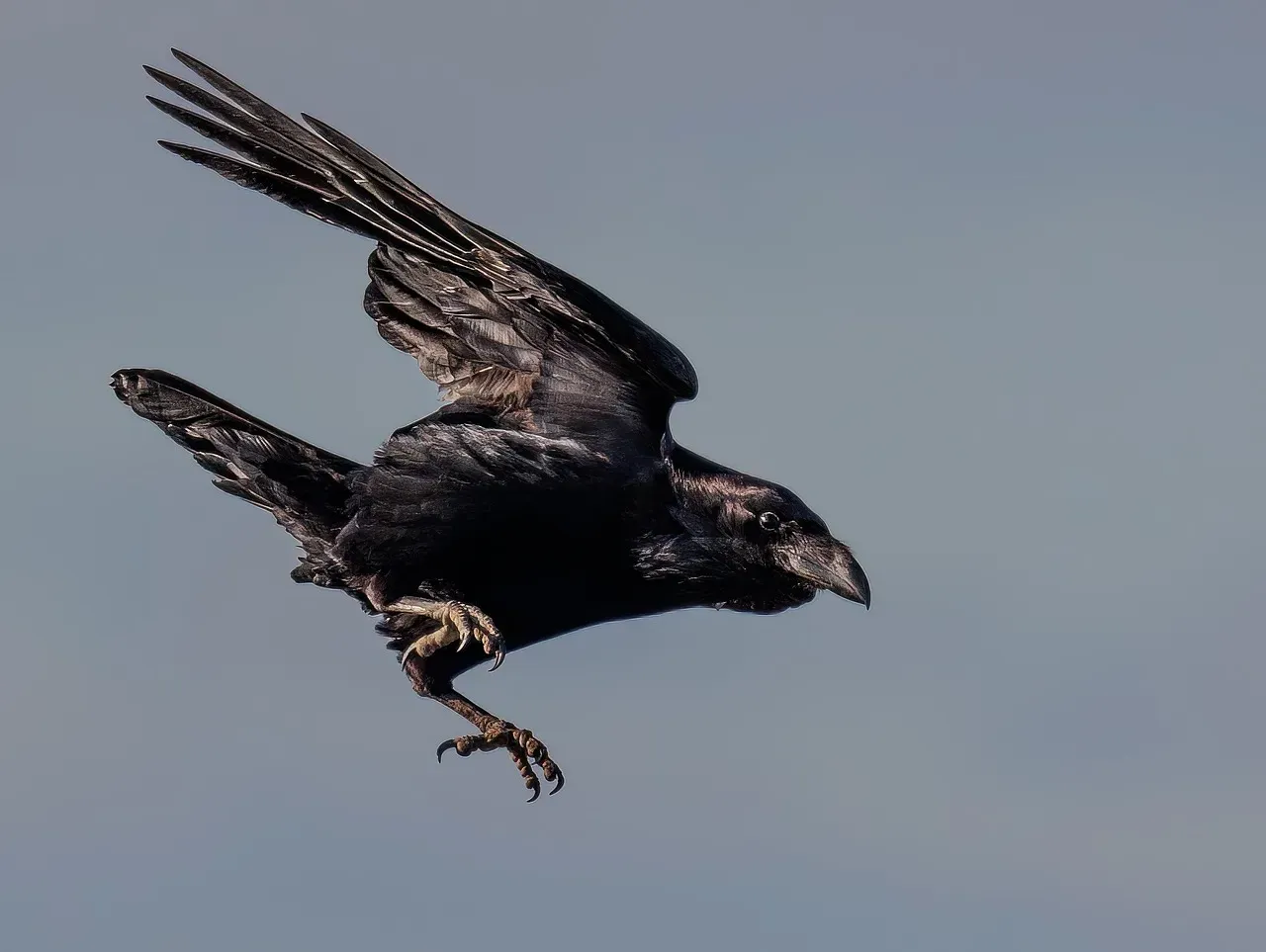
Imagine a creature roughly the size of a raven, sporting wings and feathers, but also possessing teeth and a lizard-like tail. Despite their small size and inferred ability to fly or glide, Archaeopteryx had more in common with other small Mesozoic dinosaurs than with modern birds. It was literally caught between two categories we use to organize the natural world. That’s what makes it so extraordinary.
Skeletal Secrets That Connect Past and Present
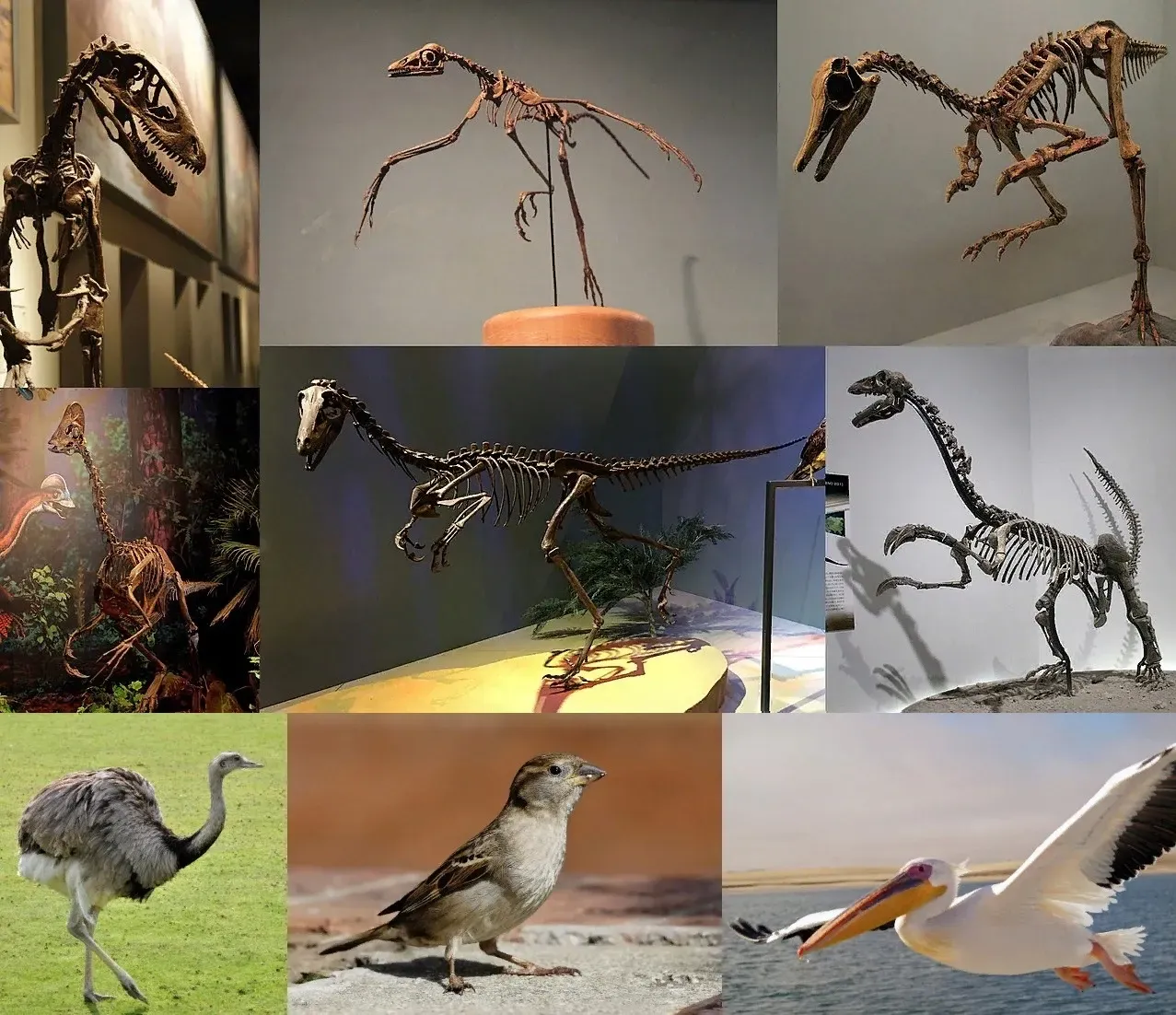
Multiple skeletal features shared by birds and dinosaurs represent important proof for paleontologists, with comparisons strengthening the case particularly for a theropod branch called Maniraptora, including similarities in skull, tooth build, neck, ribs, hip socket, pubis, wrist, arms, hand, shoulder structures, furcula, and breast bones. These aren’t just surface-level resemblances.
Fossil evidence demonstrates that birds and dinosaurs shared features such as hollow, pneumatized bones, gastroliths in the digestive system, nest-building, and brooding behaviors. Both share hollow bones, three-toed limbs, a backward-facing pubis bone, a large keeled sternum in more derived birds, and a furcula or wishbone, with the wishbone being particularly telling. Evolution rarely produces such specific, complex similarities by accident.
Fossil Discoveries That Shook the Scientific World
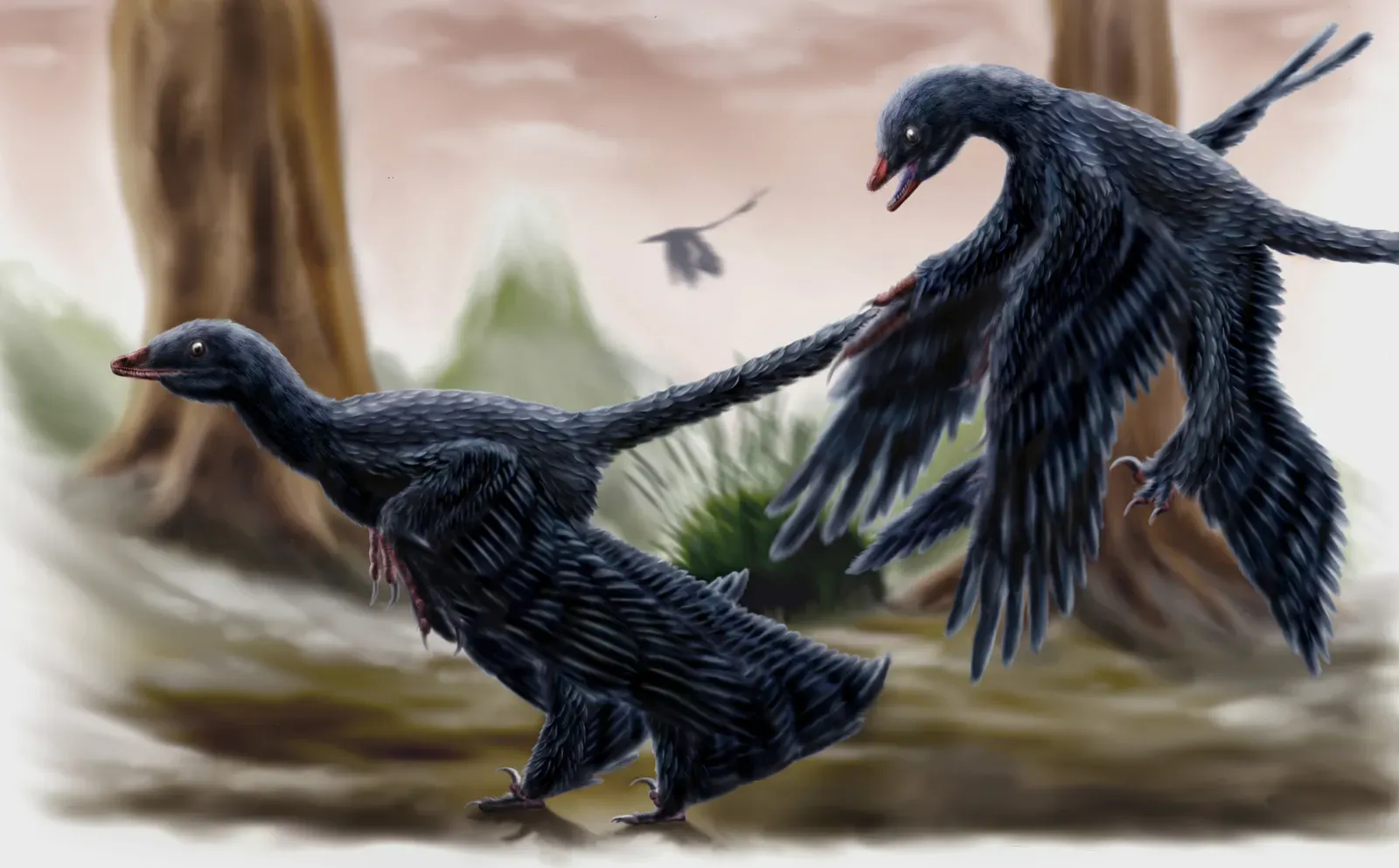
Feathered dinosaurs from Liaoning and elsewhere, taken together, provide the best glimpse at a major evolutionary transition in the fossil record. The richness of these discoveries is staggering. Fossils of more than thirty species of non-avian dinosaur with preserved feathers have been collected, including very small dinosaurs such as Microraptor and Anchiornis which have long, vaned arm and leg feathers forming wings.
Microraptor, a pigeon-sized dinosaur that lived around 120 million years ago, possessed long, pennaceous feathers on all four limbs, creating a four-winged appearance, and studies indicate it likely had iridescent black and blue plumage and could fly or glide. Each new fossil fills in another gap, making the evolutionary pathway from dinosaur to bird increasingly clear. The evidence keeps mounting, year after year.
Behavioral Echoes Across Millions of Years
Rare fossils give us glimpses of the behavior of bird-like dinosaurs, such as Mei long, a small, duck-sized bipedal dinosaur from the Cretaceous era found preserved in volcanic ash captured curled up in a sleeping position very similar to how many birds roost today. This wasn’t just about anatomy anymore. Scientists were discovering behavioral similarities that persisted across tens of millions of years.
Skeletons of oviraptorids and troodontids have been discovered on top of their clutches of eggs, and the fossils show evidence that these animals adopted a posture similar to that of brooding birds. Fossils of Oviraptor and Troodon show them curled protectively around clutches of eggs, like mother hens, and even behaviors like nesting, brooding, and vocalization have roots in dinosaur lineage. It’s honestly kind of touching to think about these ancient creatures caring for their young in ways birds still practice today.
How Evolution Pieced Together Flight Gradually
Birds evolved from theropod dinosaurs during the Jurassic, around 165 to 150 million years ago, and their classic small, lightweight, feathered, and winged body plan was pieced together gradually over tens of millions of years of evolution rather than in one burst of innovation. Flight didn’t just suddenly appear. Researchers tracked changes in skeletal properties over time and found there was no great jump that distinguished birds from other coelurosaurs, with classic bird features evolving one by one: first bipedal locomotion, then feathers, then a wishbone, then more complex feathers, then wings.
As birds evolved from theropod dinosaurs, many features were modified, and small theropods related to Compsognathus probably evolved the first feathers, which were short, hair-like, grew on their heads, necks, and bodies, and provided insulation. The process took millions of years, with feathers initially serving purposes like warmth and display before being co-opted for aerial locomotion. Nature doesn’t design from scratch; it tinkers with what already exists.
What This Means For Birds Living Among Us Today
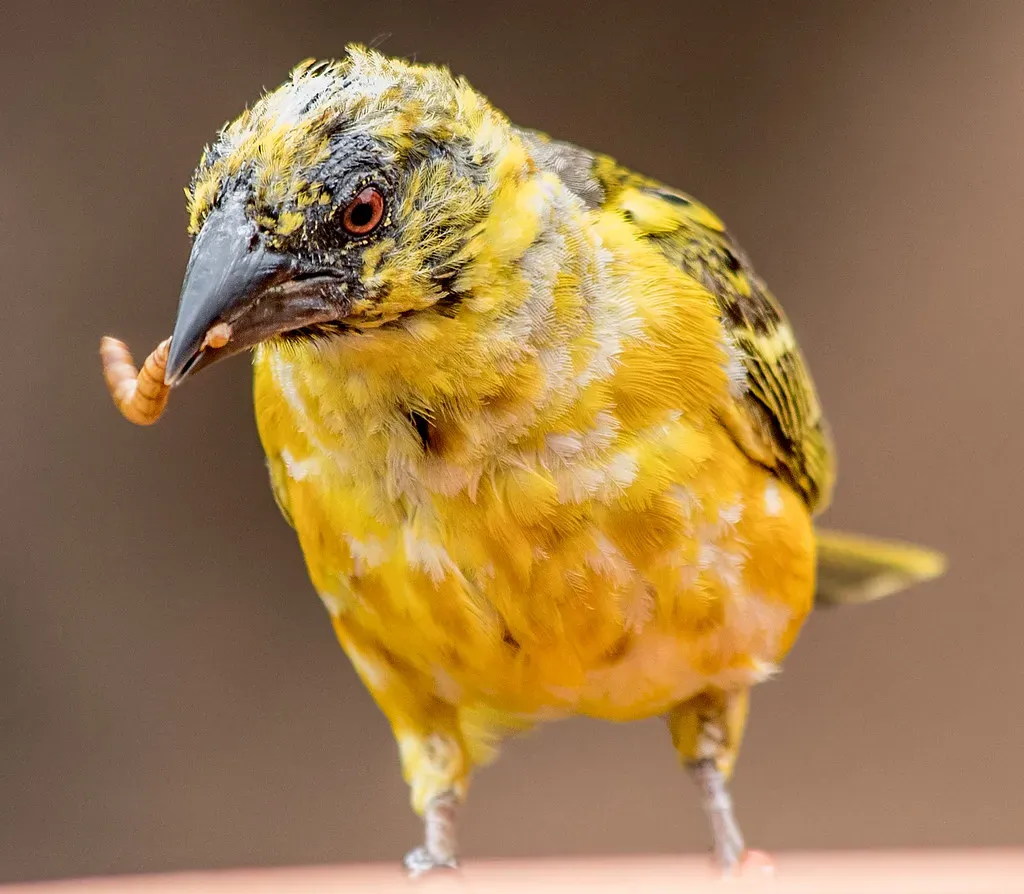
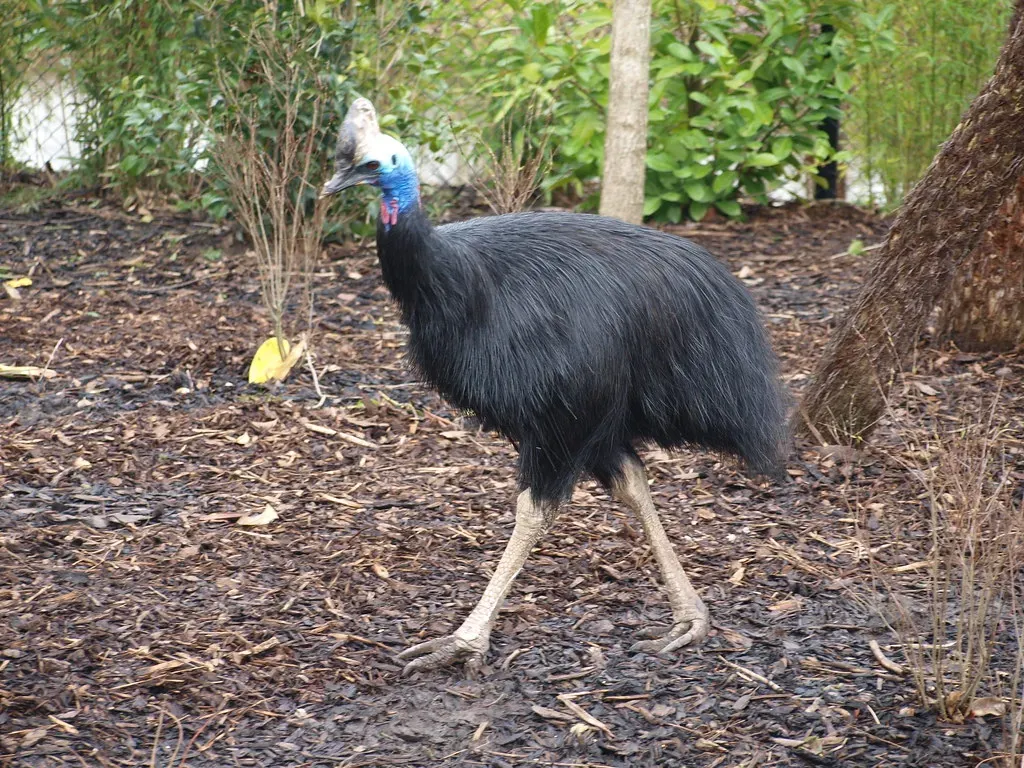
Birds that fill the world’s skies today are living dinosaurs, reminders of a distant and strange past, and decades of major new discoveries and studies have convinced researchers that there’s a direct link between modern bird species and theropod dinosaurs. There’s no longer really any doubt that birds are a type of dinosaur. This isn’t fringe science or wild speculation anymore; it’s the scientific consensus backed by mountains of evidence.
Scientists now agree that birds alive today are living dinosaurs, directly descended from theropods, and crocodiles are their next nearest relatives, followed by turtles, lizards and snakes. So every time you watch a hawk soaring overhead, a hummingbird hovering at a flower, or even a chicken pecking at the ground, you’re witnessing living proof of an evolutionary journey that spans hundreds of millions of years. These aren’t just descendants of dinosaurs; they ARE dinosaurs, adapted and evolved for a modern world.
The Debate Continues But The Evidence is Overwhelming
It’s worth noting that not every scientist immediately accepted this radical reclassification of birds. There have been challenges and alternative hypotheses proposed over the years. Yet due to the cogent evidence provided by comparative anatomy and phylogenetics, and the feathered dinosaur fossils from China, the idea that birds are derived dinosaurs remains widely supported among paleontologists.
The strength of the hypothesis that birds evolved within maniraptoran theropod dinosaurs is manifested by convergent results from diverse studies within multiple scientific disciplines, and today the theropod origin of birds is supported by evidence ranging from skeletal anatomy to molecular data. When different branches of science arrive at the same conclusion through independent methods, you’ve got something solid. The convergence of fossil evidence, genetic analysis, anatomical comparisons, and behavioral studies all point to the same astonishing truth.
So the next time someone asks whether modern birds could truly be living dinosaurs, the answer is a resounding yes. The evidence isn’t just startling; it’s transformative, reshaping our entire understanding of natural history and blurring the lines between ancient and modern, extinct and thriving. What do you think about sharing your backyard with descendants of Tyrannosaurus rex? Tell us in the comments.