Imagine opening your back door and calling for your pet dinosaur the way people now whistle for a dog. It sounds wild and a bit hilarious, but it also raises a serious scientific question: if some of the smaller dinosaurs had survived, could we have turned them into companions, herders, or even emotional-support animals by now? The idea has fueled books, memes, and endless online debates, yet beneath the pop‑culture noise there actually is a real evolutionary story to unpack.
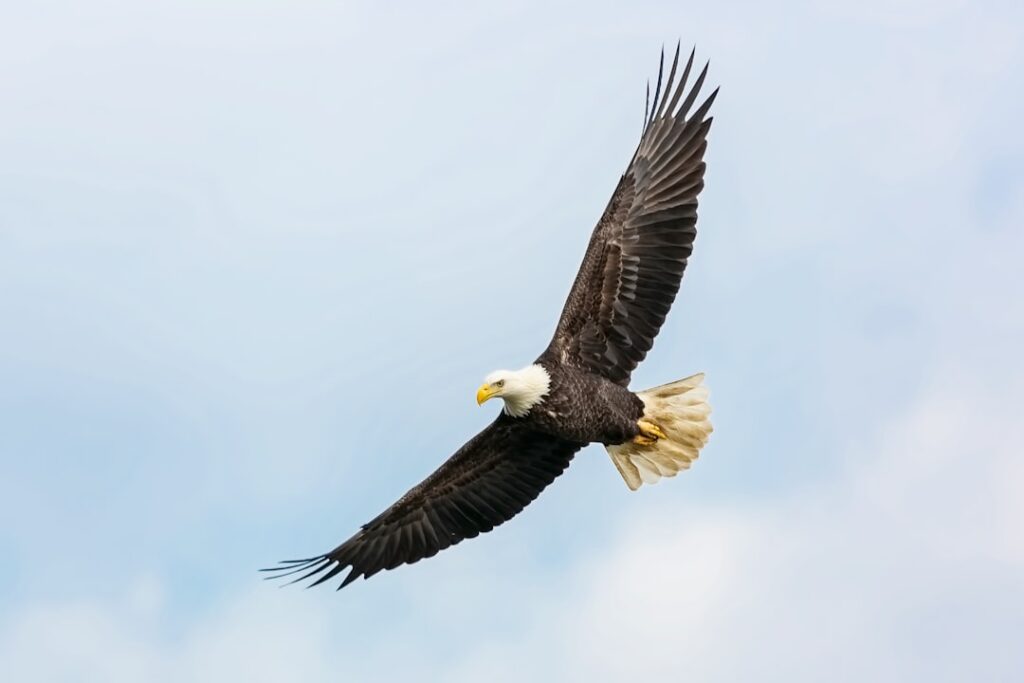
We already live with the descendants of dinosaurs: birds. Chickens, parrots, pigeons, and even that smug goose in your local park are all part of the dinosaur family tree. So the question is not simply whether dinosaurs could be domesticated, but which kinds might have had the right mix of brainpower, temperament, and biology to make the leap from wild predator or forager to beloved household “theropod.” Let’s dig into what science can really tell us, and where we’re probably just projecting our love of strange pets onto a prehistoric world.
What Does It Actually Take To Domesticate An Animal?
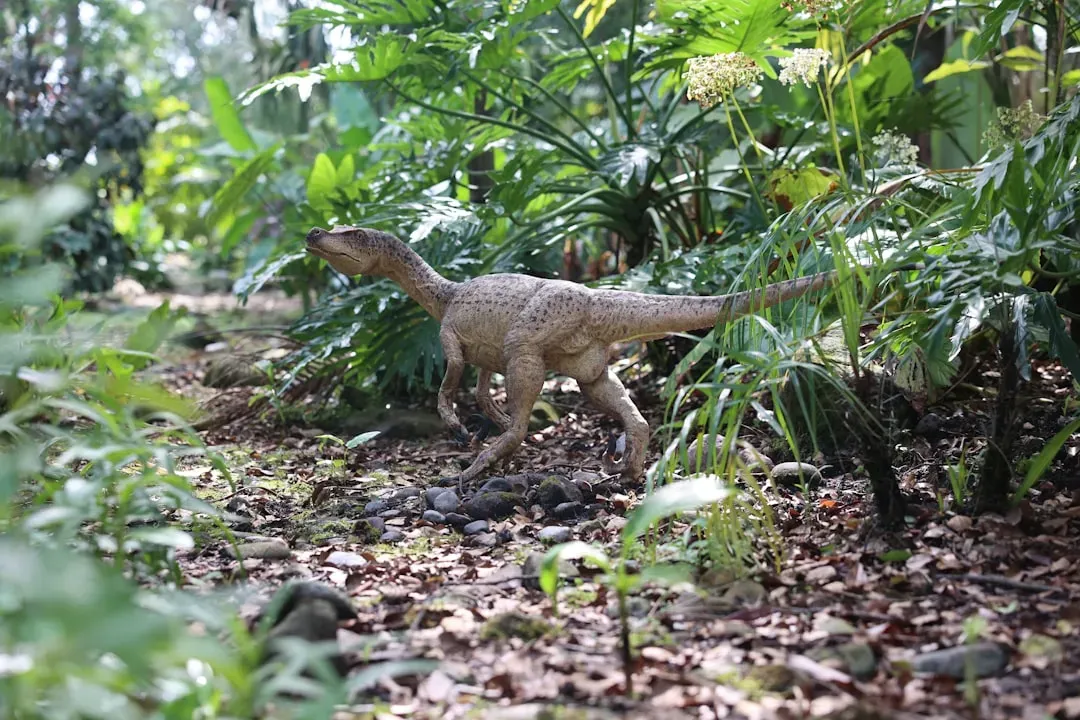
Before we start handing out tiny collars to velociraptors, it helps to be brutally clear about what domestication really is. Domestication is not the same thing as taming; it is a deep, multi‑generation partnership where humans deliberately or unintentionally shape a species’ genes to make it more useful and manageable. Dogs, cattle, and chickens did not just “get used to” people; their ancestors were the rare individuals whose behavior and biology worked unusually well around humans, and we kept breeding those traits over and over.
Most species, even smart ones, have never been domesticated because they fail one or more hidden tests. Successful domestic animals tend to eat flexible diets, live in social groups with clear hierarchies, breed readily in captivity, and tolerate crowding and human presence without constant panic. If an animal is too picky about food, too solitary, too aggressive, or too slow to reproduce, our ancestors usually gave up long before it became a “pet.” Any dinosaur we imagine living with today would have had to pass those same invisible exams.
Small Dinosaurs We Actually Know Something About
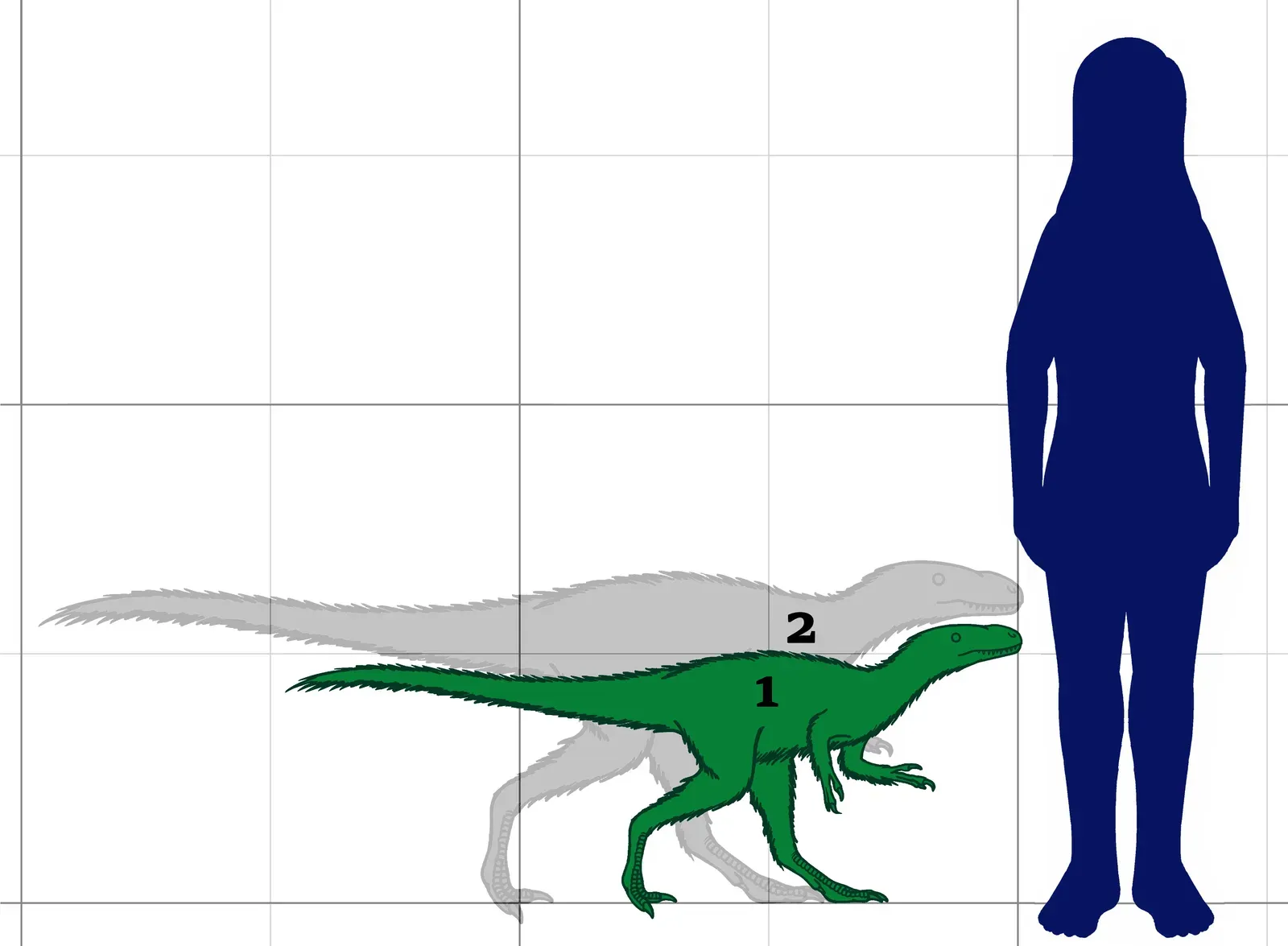
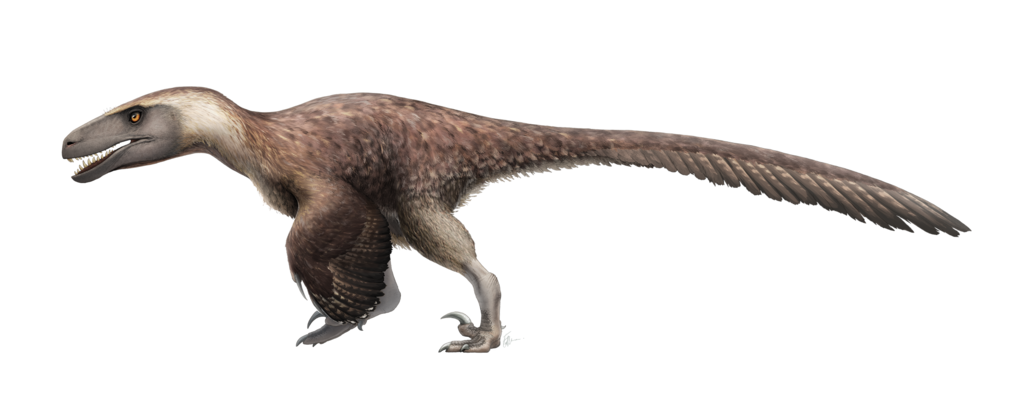
When people picture “small dinosaurs as pets,” they usually think of something terrier‑sized darting around the house. In reality, many of the famous small theropods were still bigger and meaner than most folks would want in a living room. Deinonychus, often confused with the movie version of Velociraptor, was roughly the size of a large dog but armed with serious claws and teeth; the real Velociraptor was closer to turkey‑sized, which is still not something you casually let climb onto your lap.
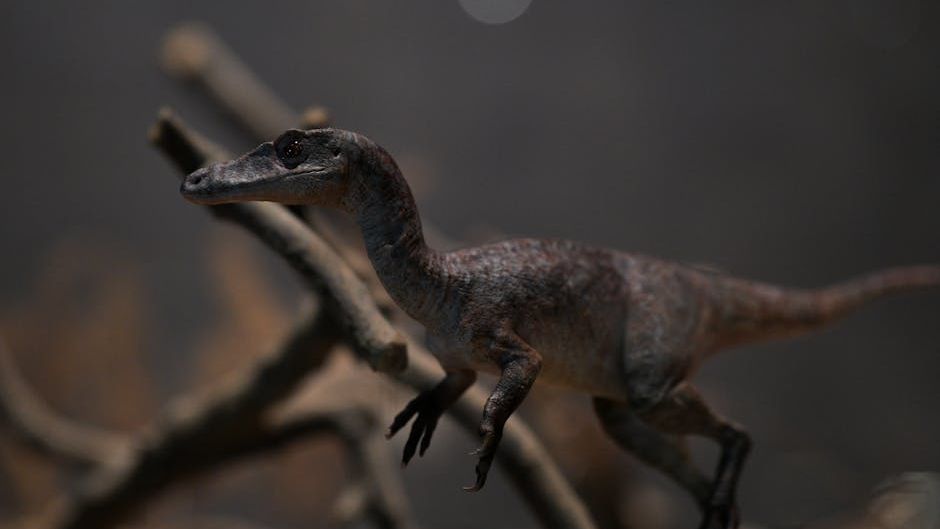
There were also genuinely tiny dinosaurs – some feathered, some more lizard‑like – that weighed as much as a housecat or a crow. The fossil record shows a variety of small herbivores, insect‑eaters, and opportunistic omnivores. We do not have complete behavior profiles (fossils are frustratingly quiet about personality), but bone structure, braincase size, and comparison with modern birds and reptiles let paleontologists make educated guesses about how these animals might have lived. Any speculation about dinosaur “pets” has to be rooted in that kind of cautious reconstruction rather than movie monsters.
Temperament: Would Any Dinosaurs Have Put Up With Us?
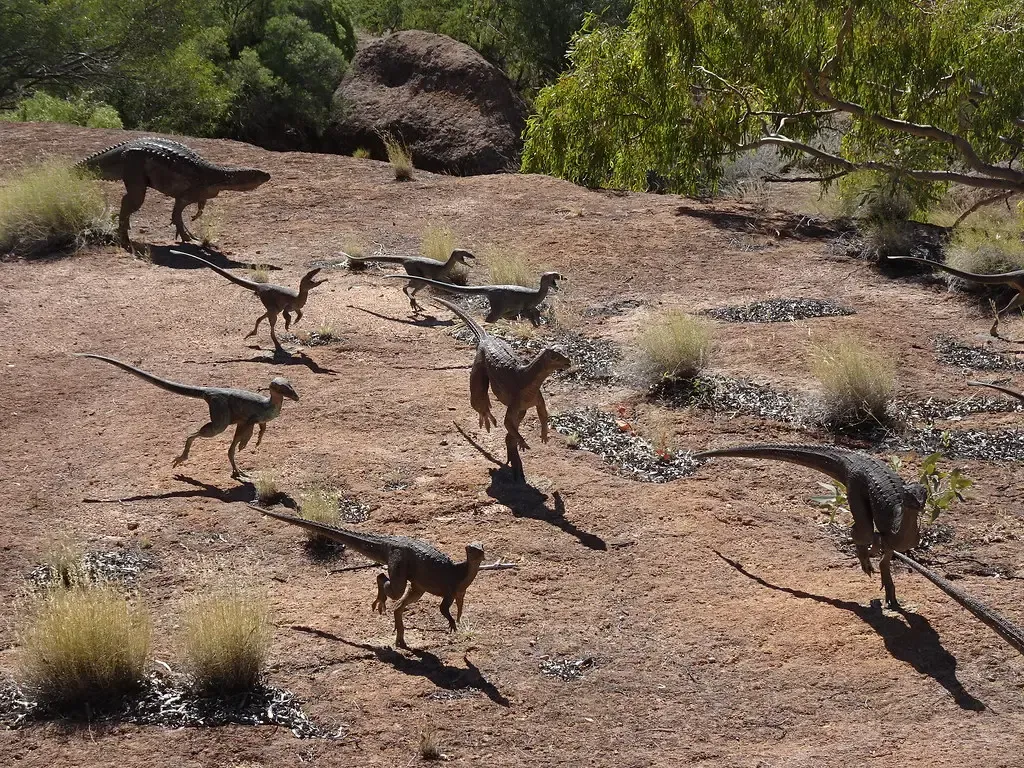
Here’s the cold shower: most dinosaurs were probably terrible candidates for the kind of easy companionship we expect from pets. Domestic dogs descend from wolves that already lived in relatively social packs, could cooperate, and had some tolerance for flexible roles and hierarchies. Many small theropods appear to have been agile, reactive predators or intense foragers, more like hawks or monitor lizards than like Labradors. Those are not exactly the personalities you want at a toddler’s birthday party.
That said, not all dinosaurs were likely raging nightmares. Some small herbivores and omnivores probably lived in groups, communicated with calls or displays, and navigated complex social rules, closer to how many birds or herd mammals behave today. If any dinosaurs had the raw temperament potential to become domestic partners, it would probably be these cooperative, group‑living species, not the lone, hyper‑focused ambush hunters. Even then, we are likely talking about animals that might wind up more like excitable geese or stubborn goats than endlessly patient golden retrievers.
Diet, Size, And The “Practicality Test”
Domestication has always been at least as much about economics as about affection. Humans generally invest in species whose care is practical: they do not eat impossibly specialized diets, they do not need vast hunting territories, and they give something back in food, labor, or companionship. Many small carnivorous dinosaurs, if transported into the modern world, would demand a constant supply of meat and space to burn off energy, which makes them look less like a family pet and more like a very needy, razor‑toothed liability.
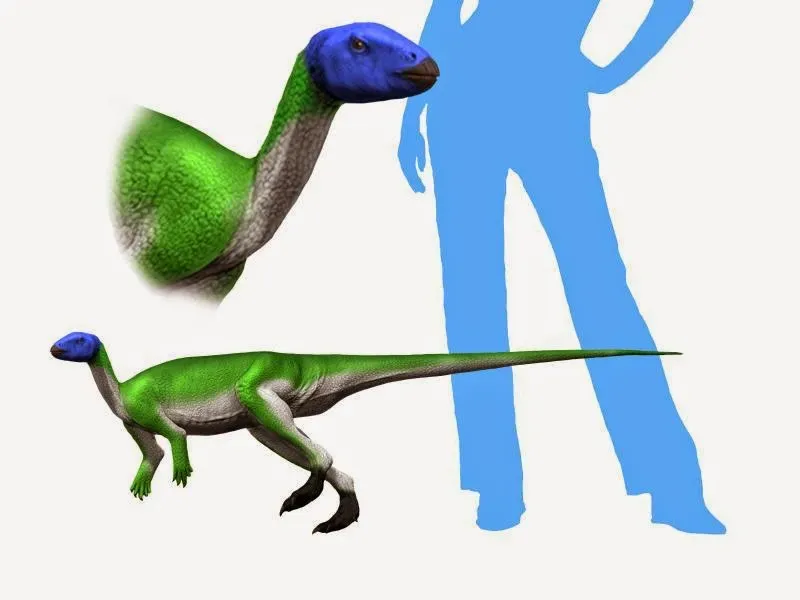
Smaller herbivorous or omnivorous dinosaurs, on the other hand, could have checked more of the “practical” boxes. If an animal can accept grains, tubers, fruits, and scraps, it fits much more easily into human settlements. Size matters too: something roughly in the range of a chicken, turkey, or medium dog is large enough to be useful or expressive, but small enough to restrain, house, and transport without heroic effort. The sweet spot for a hypothetical dinosaur companion is not the flashy mid‑sized predator, but the modest, low‑maintenance browser that eats what we have and does not destroy the furniture every time it gets startled.
Were Any Dinosaurs Smart Enough To Bond With Humans?
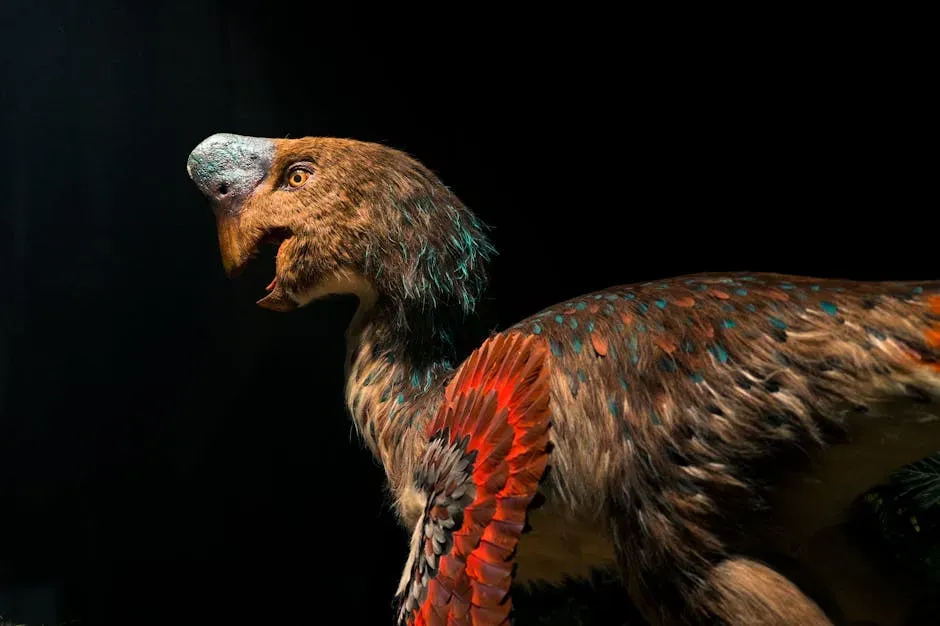
Intelligence and emotional complexity are part of what makes dogs, parrots, and even pigs feel like partners rather than just livestock. Some small theropod dinosaurs, especially the ones most closely related to birds, probably had relatively large brains for their body size and sensory worlds tuned for sight, movement, and social signals. If you have ever watched a crow solve a problem or a parrot deliberately tease a person, you have seen the kind of sharp, playful mind we might expect in those lineages.
But raw intelligence alone does not guarantee a cozy cross‑species bond. Octopuses are remarkably clever and curious, yet they have never been domesticated, partly because their life cycles and bodies simply do not fit human needs. Likewise, a small dinosaur with a bright, bird‑like brain might be perfectly capable of recognizing people, remembering routines, and even forming preferences for certain humans, but still be too reactive, too easily stressed, or too prone to territorial behavior to become widely kept “pets.” In reality, any truly domestic dinosaur would probably feel more like keeping a very smart, sometimes mischievous bird than a furry cuddle‑machine.
The Bird Factor: Our Only Real Dinosaur Pets
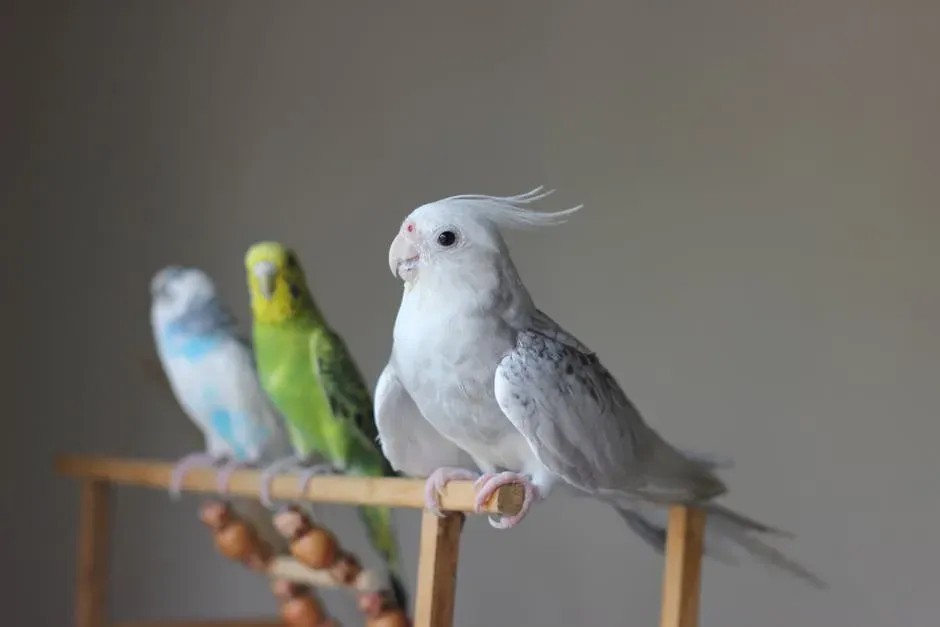
When we ask whether small dinosaurs could have been domesticated, we are already living with an important part of the answer every time we crack an egg or listen to a songbird. Chickens, ducks, turkeys, and several other bird species have been thoroughly domesticated for meat, eggs, feathers, or companionship. Their ancestors were wild dinosaurs that happened to have traits – group living, flexible diets, and workable temperaments – that lined up nicely with human needs and habits.
Even pet birds like budgies, cockatiels, and some parrots sit right on that dinosaur branch. They form social bonds, learn vocal patterns, and navigate household life in ways that feel surprisingly close to what many people casually imagine when they picture a “pet dinosaur.” The twist is that instead of scaly, Hollywood‑style creatures, our actual dinosaur pets are feathered, lightweight, and often much noisier than any movie raptor. So in a sense, the experiment has already happened, and the winners look a lot more like chickens than like mini‑T‑rexes.
Ethics And Safety: Just Because We Could, Should We?
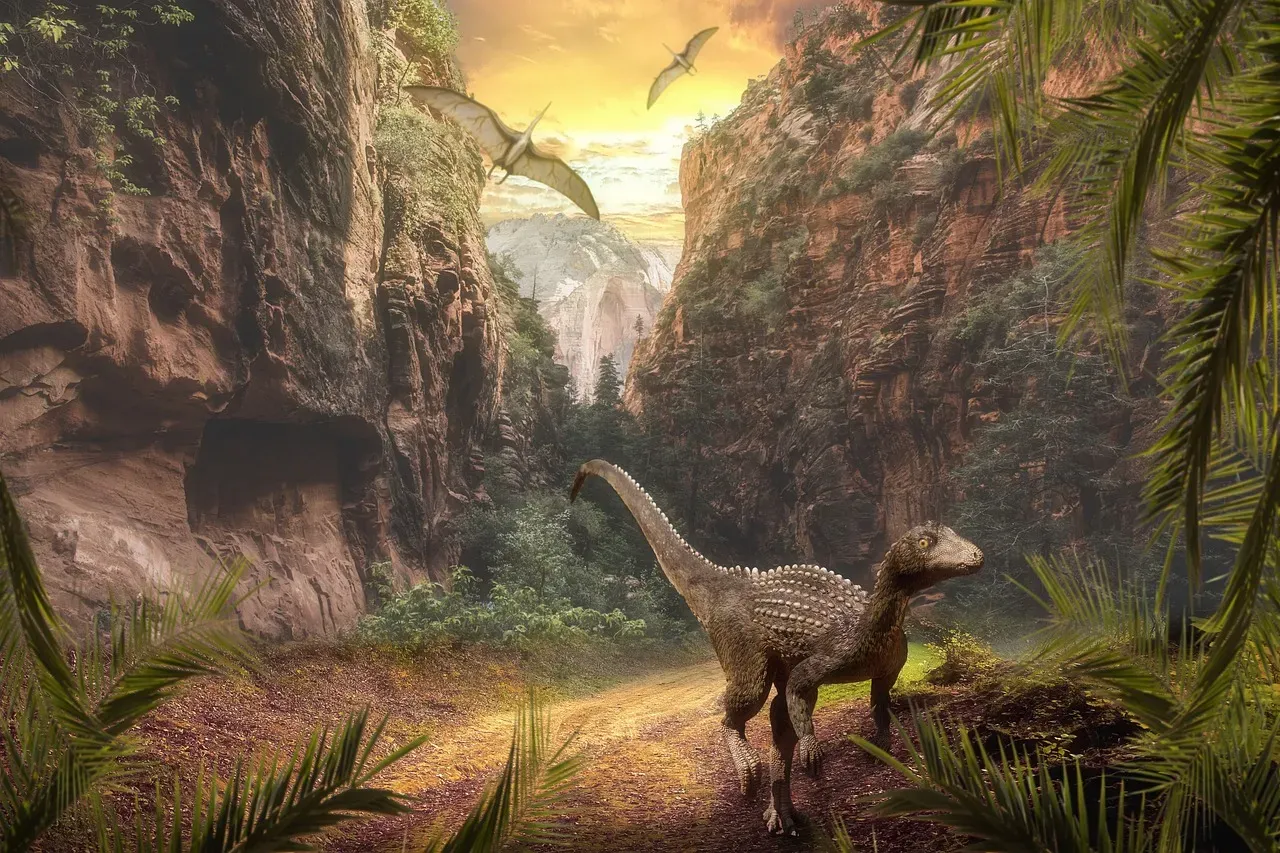
Let’s assume, for the sake of argument, that a small, semi‑herbivorous dinosaur species had survived and could, over many generations, be domesticated. Would it be a good idea? Modern debates over exotic pets, from big cats to large reptiles, suggest we should be cautious. Many animals suffer in captivity because their needs for space, social contact, or mental stimulation are far more intense than most owners can realistically provide, no matter how enthusiastic they are at the beginning.
On top of that, a dinosaur’s claws, beak, and movement style might pose consistent risks, even in a “domesticated” line. We already see this with large parrots, which can be loving and playful yet still capable of serious bites and long‑term stress if kept in poor conditions. If we discovered a new living dinosaur species today, my honest opinion is that responsible scientists and ethicists would argue strongly against pushing it into the pet trade. The more we learn about animal welfare, the less comfortable it feels to treat a complex, ancient lineage as a novelty item you can order for your backyard.
If We Could Start Over, What Might A “Pet Dinosaur” Actually Be Like?
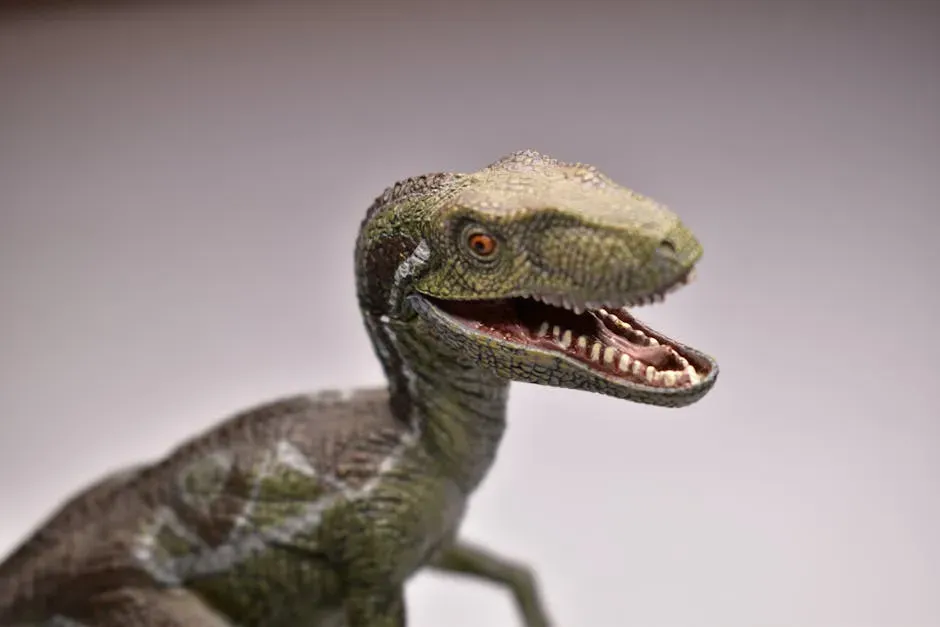
If humans and a small dinosaur species had shared the planet and coevolved for thousands of years, I suspect our “pet dinosaur” would surprise people raised on movie imagery. It would probably be feathered, with bright colors or patterns used in communication, and it might vocalize constantly – chirps, trills, honks, or whistles – rather than roaring. Its personality could feel like a mash‑up of a stubborn goat, a highly social goose, and a mischievous parrot: smart enough to learn routines and tricks, moody enough to throw the occasional tantrum, and bonded enough to treat its favorite human as part of the flock.
Daily life with such an animal might be less about cuddles on the couch and more about interactive games, structured training, and careful respect for its boundaries. Kids might grow up learning to read its feather posture or tail movements the way we now read a dog’s ears and tail. In that world, “walking the dinosaur” might mean managing a noisy, curious creature that wants to investigate everything, occasionally tries to chase a bicycle, and absolutely must be kept away from your shoes and houseplants if you value them at all.
Conclusion: My Take On The Dinosaur Pet Dream
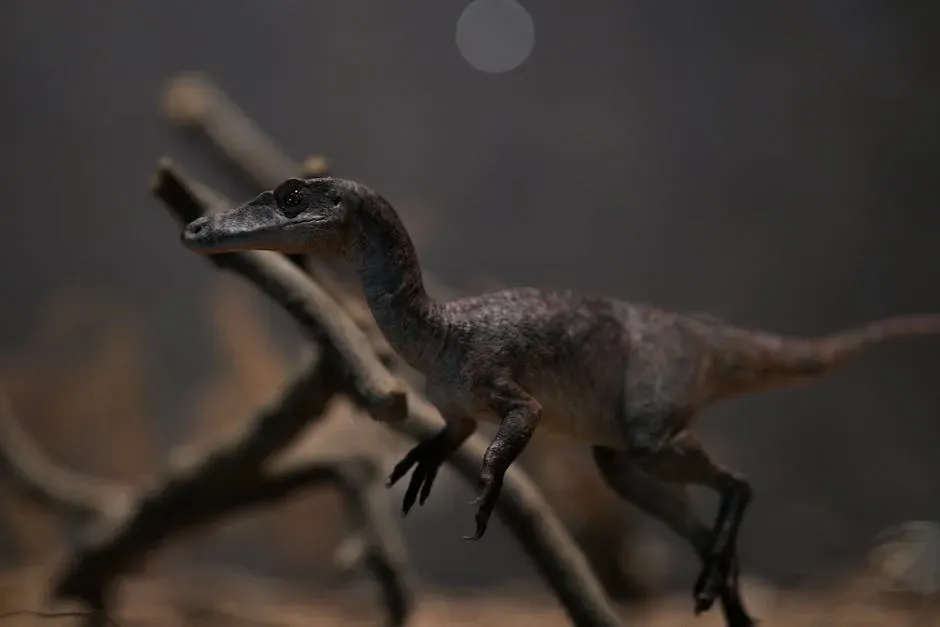
So, In a narrow, scientific sense, I think the answer is a cautious yes – for a few specific, bird‑like species that already had the right mix of social behavior, diet flexibility, and manageable size. In a broader, practical sense, though, the dream of a tiny, scaly raptor calmly sharing the sofa while you watch streaming shows is exactly that: a dream. Our real‑world experience with birds and exotic animals suggests any domesticated dinosaur would be high‑maintenance, noisy, occasionally dangerous, and ethically complicated to keep.
Personally, I find it more honest, and more interesting, to appreciate the dinosaurs we already live with instead of longing for Jurassic‑style pets that would probably make everyone miserable, including themselves. Chickens, parrots, and other birds are living proof that parts of the dinosaur world were tamable, but they also remind us that every domestication story comes with trade‑offs in welfare, freedom, and responsibility. Maybe the smarter question is not whether we could domesticate more dinosaurs, but whether we are doing right by the ones that already share our homes and farms. If a new dinosaur species walked out of the shadows tomorrow, would we deserve the privilege of living alongside it?