
The image of dinosaurs has evolved dramatically since their scientific discovery in the 19th century. From lumbering, cold-blooded reptiles to dynamic, diverse creatures that dominated Earth for over 165 million years, our understanding continues to expand with each new fossil discovery. Among the many questions paleontologists explore is whether some dinosaur species might have been nomadic, traveling vast distances in search of food, water, and breeding grounds—similar to modern migratory animals like wildebeest or caribou. While direct evidence of dinosaur migration remains challenging to confirm definitively, mounting indirect evidence suggests nomadic behavior may have been a crucial survival strategy for certain dinosaur species. This article explores the fascinating possibility that some dinosaurs were indeed the ancient world’s greatest wanderers.
The Challenge of Proving Dinosaur Migration
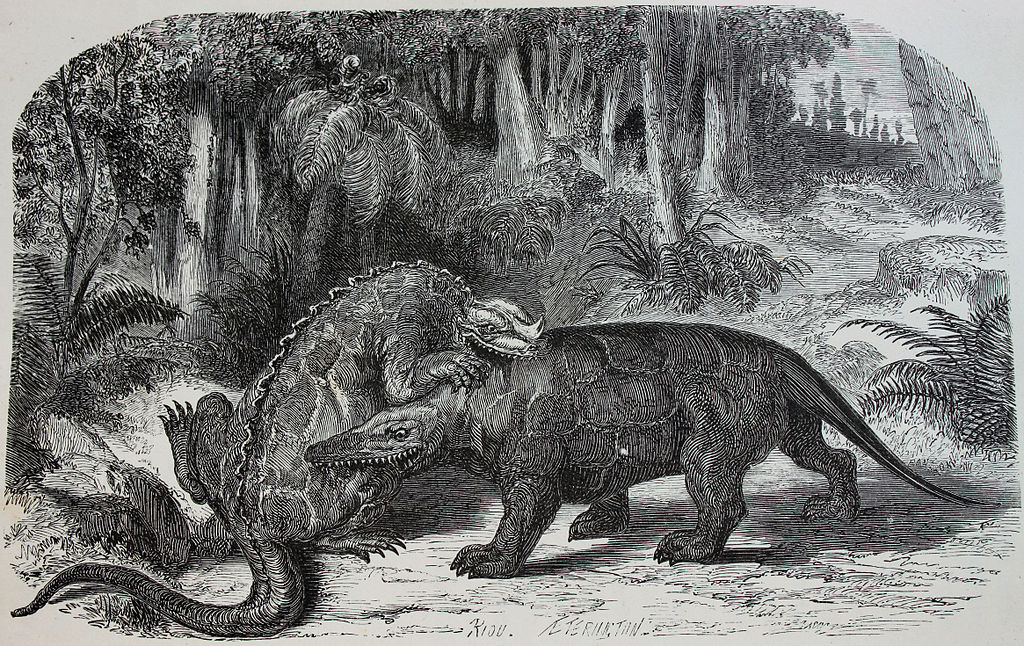
Unlike studies of modern animal migration, paleontologists face significant obstacles when investigating potential nomadic behaviors in dinosaurs. The fossil record, while invaluable, captures only fragments of ancient life—snapshots frozen in time rather than continuous movement patterns. Fossilization itself is an exceptionally rare process, requiring specific conditions that preserve only a tiny fraction of once-living organisms. The incomplete nature of this record makes tracking seasonal movements particularly challenging. Additionally, distinguishing between true migration (predictable, seasonal round-trip movements) and nomadic wandering (less predictable movement following resources) becomes even more difficult when examining species extinct for millions of years. Despite these challenges, scientists have developed innovative methods to detect potential migratory signals in the fossil record, including isotope analysis, growth ring studies, and population distribution mapping.
Environmental Pressures: The Driving Force Behind Migration

The Mesozoic Era (252-66 million years ago) witnessed dramatic seasonal variations and environmental pressures that could have necessitated migratory behaviors among dinosaur species. Many dinosaurs lived in environments with pronounced wet and dry seasons, creating cycles of resource abundance and scarcity. Large herbivorous dinosaurs, in particular, would have required enormous quantities of vegetation to sustain their massive bodies—amounts that might have been unavailable year-round in a single location. Seasonal temperature fluctuations, especially in higher latitudes where dinosaur fossils have been discovered, would have created additional pressure to relocate during colder months. Water availability, critical for all life, likely fluctuated dramatically across seasons and regions, potentially forcing dinosaurs to travel between water sources. These environmental pressures, similar to those driving modern animal migrations, provide a compelling theoretical foundation for dinosaur nomadism.
Evidence from Hadrosaur Herds: The Case for Migration
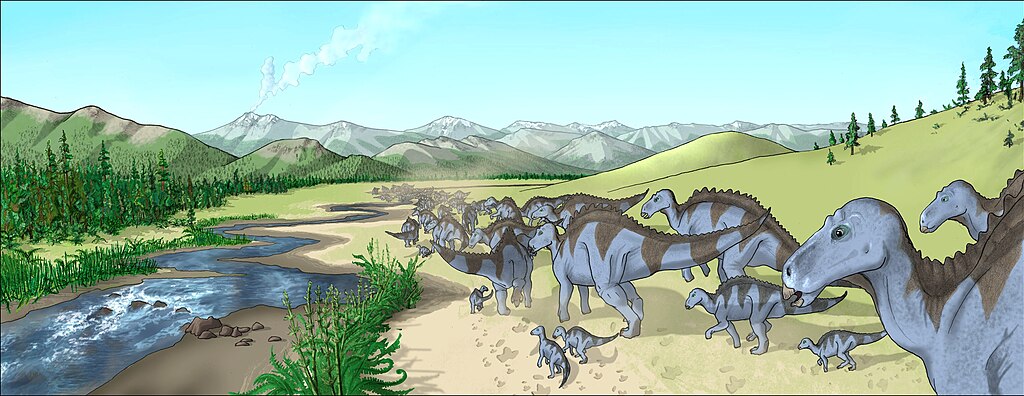
Hadrosaurs, the duck-billed dinosaurs, have provided some of the most compelling evidence for potential migratory behavior among dinosaurs. Multiple mass death assemblages of hadrosaurs have been discovered, suggesting these animals traveled in large herds—a behavior often associated with migratory species. A particularly notable case comes from the Two Medicine Formation in Montana, where paleontologists discovered a bone bed containing remains of Maiasaura, a hadrosaur species, with individuals of various ages. Growth ring analysis of these fossils revealed synchronized growth patterns consistent with seasonal stress, potentially indicating seasonal migrations. Isotopic studies of hadrosaur teeth have shown variations in oxygen and carbon isotopes that might reflect changing environments throughout an individual’s life. The discovery of hadrosaur trackways extending over considerable distances further supports the idea these dinosaurs moved across landscapes in coordinated groups, possibly engaging in seasonal migrations to follow resources or escape harsh conditions.
Sauropod Movements: Following the Food
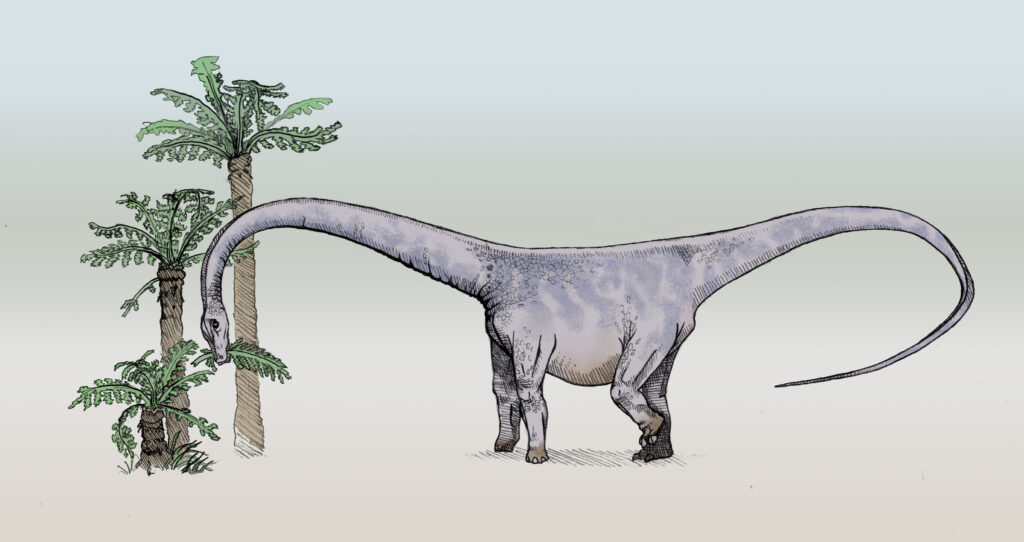
Sauropods, the long-necked giants that represent the largest land animals ever to exist, would have faced enormous feeding requirements that might have necessitated regular movement across landscapes. These massive herbivores, some weighing upwards of 70 tons, would have quickly depleted local vegetation, potentially forcing them to adopt nomadic behaviors to find new feeding grounds. Fossil evidence from multiple continents suggests sauropods inhabited diverse environments, from forests to more open landscapes, potentially indicating adaptability to changing resources. Trackway discoveries, such as those from the Morrison Formation in the western United States, show evidence of multiple sauropods moving in the same direction, possibly indicating group travel. Some paleontologists have proposed that rather than true migration, sauropods might have practiced “browse sweeping”—a nomadic feeding strategy where herds would move gradually across landscapes as they depleted vegetation, returning only after sufficient regrowth had occurred. The enormous size of adult sauropods would have also made them relatively resistant to predation during these journeys, allowing them to traverse even predator-rich territories with relative safety.
Isotope Analysis: Chemical Clues to Ancient Movements
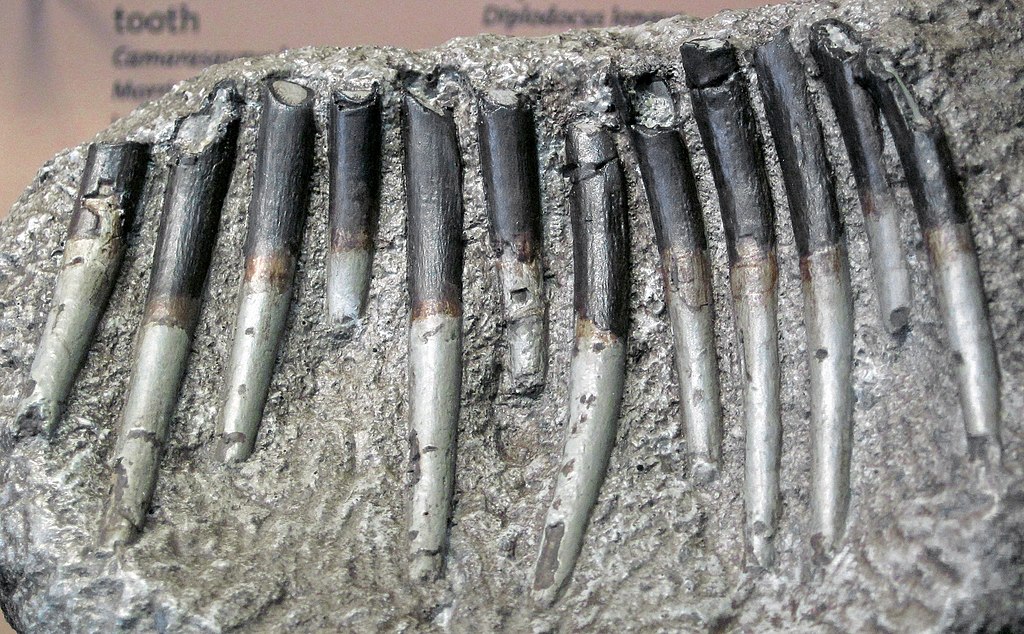
Modern paleontological techniques have revolutionized our ability to detect potential migratory behaviors in extinct species, with isotope analysis emerging as a particularly powerful tool. When animals consume food and water, they incorporate isotopes—variants of elements with different numbers of neutrons—into their growing tissues, creating a chemical record of their environmental conditions. Teeth, which grow incrementally and preserve well in the fossil record, can reveal changes in isotope ratios over time, potentially indicating movement between different environments. Studies of oxygen isotopes in dinosaur teeth have suggested some individuals experienced varying water sources throughout their lives, consistent with movement across different regions. Strontium isotope analysis, which reflects the underlying geology where an animal lived, has shown changes in some dinosaur specimens that suggest movement between distinct geographical areas. Carbon isotope patterns in some dinosaur teeth indicate seasonal dietary shifts that could reflect either changing local conditions or movement between different ecosystems. These chemical signals, while not definitive proof of migration, provide some of the strongest evidence available for dinosaur nomadism.
Seasonal Breeding and Nesting: Migration Motivators
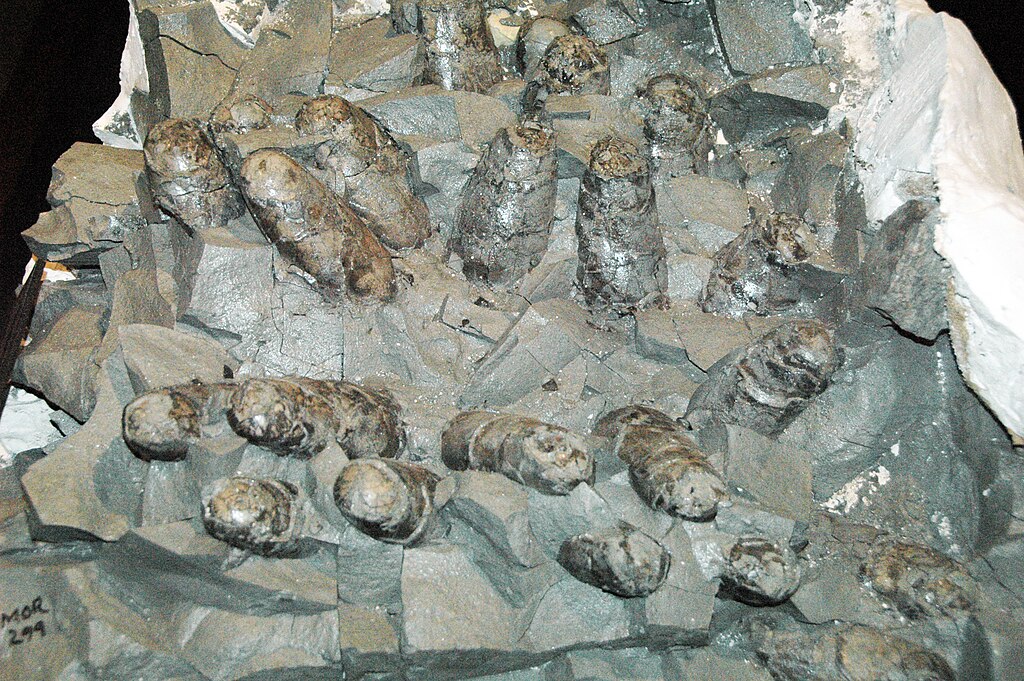
Reproduction may have been a powerful driver of seasonal movement among dinosaur species, similar to modern migratory birds that travel to specific breeding grounds. The discovery of massive nesting sites, such as those found in Egg Mountain, Montana, and in Patagonia, Argentina, suggests some dinosaur species gathered in specific locations to reproduce—potentially traveling considerable distances to reach these areas. The concentration of nests from the same species in designated areas, rather than being distributed randomly across landscapes, suggests purposeful gathering at preferred breeding sites. Some nesting grounds show evidence of repeated use over many years, indicating dinosaurs may have returned to the same locations across multiple breeding seasons. Careful examination of growth rings in dinosaur bones has revealed synchronized growth patterns within some populations, suggesting seasonal breeding tied to environmental cycles—a pattern often connected to migratory behavior in modern animals. These breeding adaptations would have provided evolutionary advantages, including better protection from predators through group defense and optimal conditions for offspring development.
Polar Dinosaurs: Seasonal Light and Dark
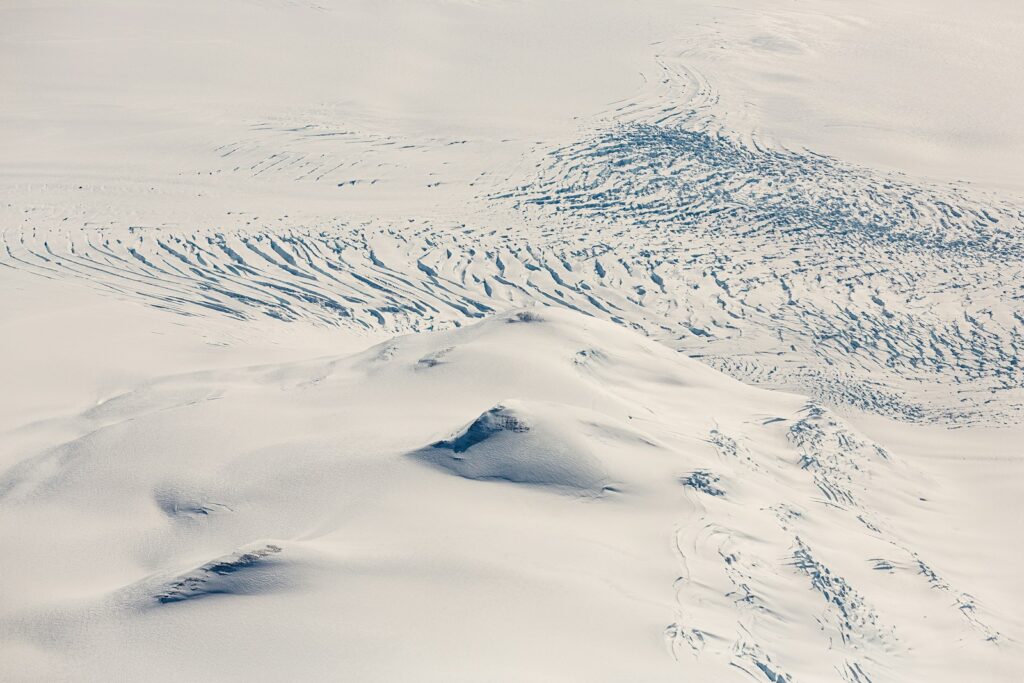
The discovery of dinosaur fossils in ancient polar regions presents a fascinating puzzle for paleontologists considering potential migratory behaviors. During the Mesozoic Era, Earth’s poles were significantly warmer than today but still experienced extreme seasonal variations in daylight, with months of continuous darkness during winter. Fossil evidence from Alaska, Antarctica, and ancient polar Australia has revealed diverse dinosaur communities living in these high-latitude regions, raising questions about how they survived the challenging seasonal conditions. Some paleontologists have proposed these polar dinosaurs might have migrated thousands of kilometers to avoid the darkness and cold of polar winters, similar to modern Arctic birds. Others suggest certain polar dinosaur species may have been permanent residents, having evolved special adaptations to survive the long polar nights, such as enhanced vision or seasonal dormancy. Evidence from growth rings in some polar dinosaur bones shows seasonal variation in growth rates, but doesn’t conclusively prove whether this resulted from migration or adaptation to local seasonal conditions. The debate continues, with both migratory and non-migratory hypotheses remaining plausible explanations for how dinosaurs thrived in these challenging polar environments.
Tracking Through Trackways: Reading Ancient Footprints
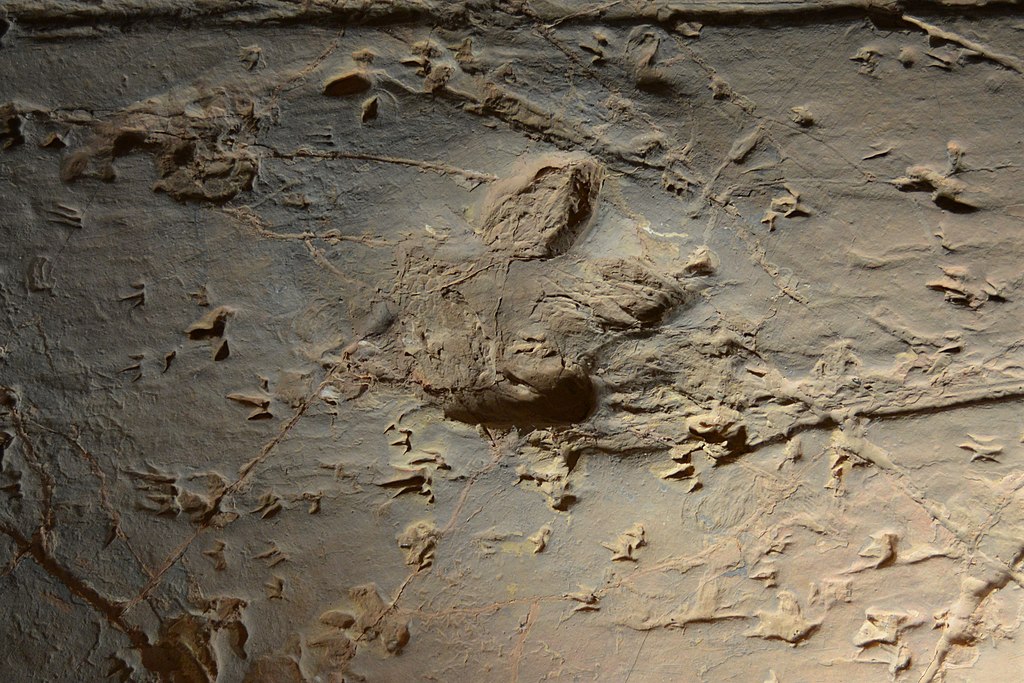
Dinosaur trackways—preserved footprints fossilized in ancient sediments—provide rare glimpses into dinosaur behavior, including potential evidence of group movement that might indicate migratory patterns. Unlike isolated bones, trackways capture a moment of activity, showing how dinosaurs moved across landscapes and interacted with one another. Multiple parallel trackways headed in the same direction suggest coordinated group movement, a behavior often associated with migrating species. Some extensive trackway sites, like those discovered in the western United States and Europe, show numerous individuals of the same species moving consistently in one direction, potentially capturing segments of longer journeys. Speed estimates calculated from trackway measurements indicate some dinosaurs maintained steady, purposeful paces consistent with long-distance travel rather than random wandering or feeding behavior. The distribution of trackways across ancient landscapes can help paleontologists reconstruct potential migration corridors and understand how geographic features might have influenced dinosaur movements. While no single trackway can prove migration conclusively, these fossilized footprints provide some of our most direct evidence of coordinated group movement among dinosaurs.
Climate Change and Dinosaur Adaptation
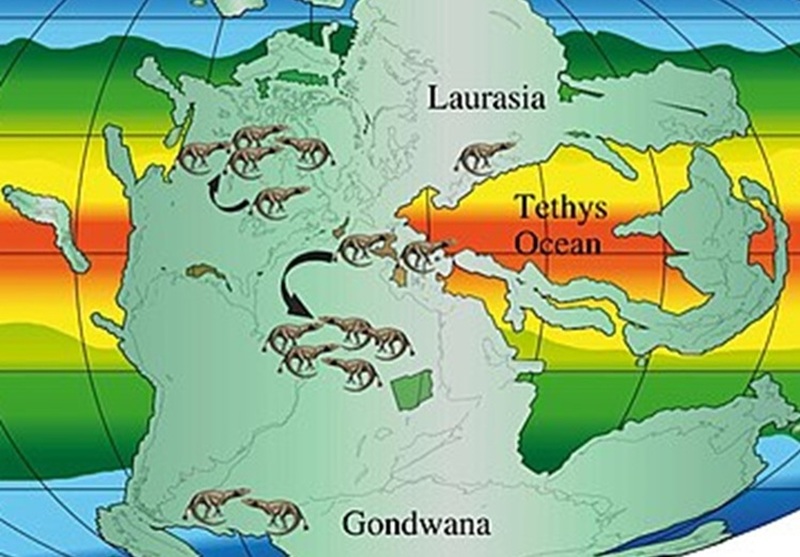
Throughout the Mesozoic Era, Earth experienced multiple periods of climate change that would have required dinosaurs to adapt their behaviors, potentially including the development of migratory or nomadic strategies. The supercontinent Pangaea began breaking apart during the dinosaur reign, creating new geographic barriers and environmental zones that would have influenced movement patterns. Evidence from ancient soil samples and plant fossils indicates some dinosaur habitats experienced pronounced seasonal variations in rainfall and temperature, creating potential “push factors” for seasonal movement. During certain periods, global cooling events may have intensified seasonal extremes, potentially making migration more necessary for dinosaur survival in some regions. The K-T extinction event that ultimately ended the non-avian dinosaur era was preceded by significant climate fluctuations associated with volcanic activity, which may have disrupted established migration patterns. Some paleontologists theorize that certain dinosaur lineages might have evolved increasingly sophisticated migratory behaviors as an adaptation to changing climatic conditions throughout their 165-million-year reign, potentially explaining some of their evolutionary success prior to their ultimate extinction.
Comparing to Modern Migratory Animals
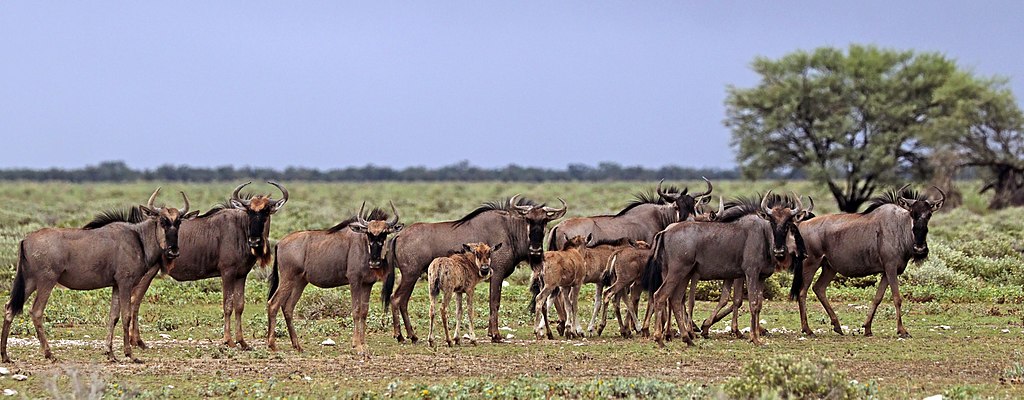
Modern animal migrations provide valuable frameworks for understanding potential dinosaur nomadism, offering insights into the biological imperatives and environmental factors that drive long-distance movement. Today’s most spectacular terrestrial migrations, such as the African wildebeest or North American caribou, involve large herbivores traveling in herds—a pattern that could parallel the behavior of herbivorous dinosaurs like hadrosaurs or sauropods. Many modern migratory species show adaptations for efficient long-distance travel, including energy-efficient locomotion and fat storage capabilities—features that might be detectable in certain dinosaur anatomies. Seasonal breeding is a common characteristic among migratory animals today, with movements often timed to ensure offspring are born when resources are most abundant—a pattern potentially mirrored in dinosaur nesting sites. Predator-prey relationships frequently influence migration patterns in modern ecosystems, with predators either following migratory prey or targeting vulnerable animals during migration events—dynamics that likely existed in dinosaur communities as well. While direct comparisons have limitations due to 66 million years of evolutionary separation, the fundamental ecological pressures driving migration remain similar across time, making modern analogues valuable reference points for understanding ancient movement patterns.
The Energy Economics of Dinosaur Movement
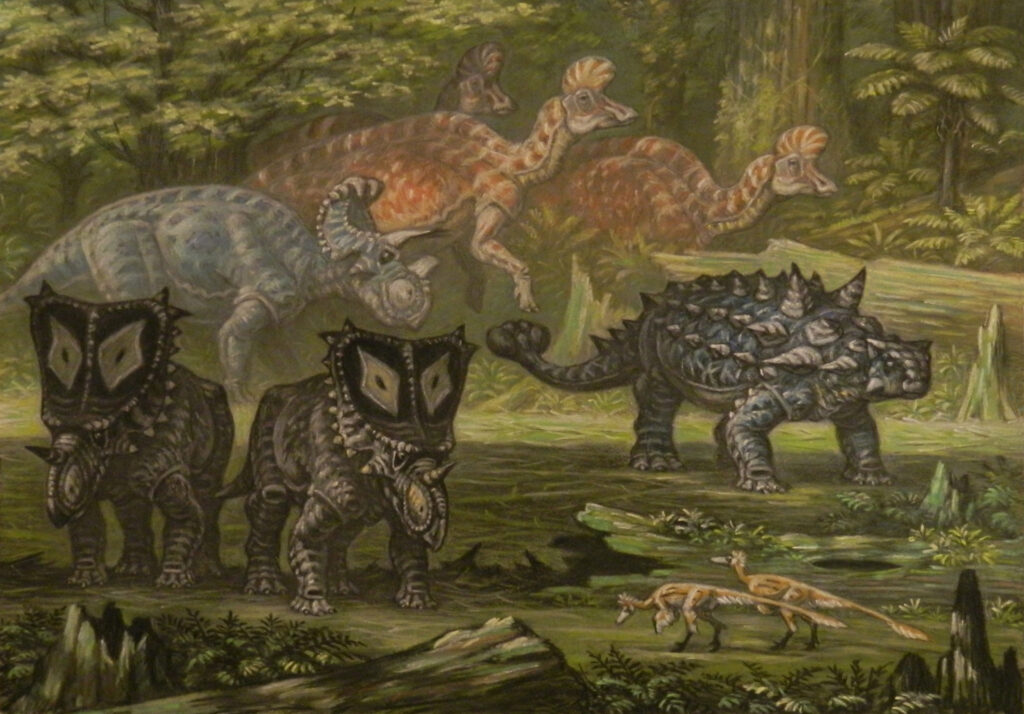
The metabolic cost of movement represents a critical factor in evaluating the feasibility of dinosaur migration, particularly for the largest species. Recent research into dinosaur physiology suggests many species possessed metabolic rates intermediate between modern reptiles and birds—their direct descendants—potentially providing sufficient energy for long-distance travel while avoiding the highest metabolic costs. Biomechanical studies of dinosaur locomotion indicate many species had energy-efficient walking gaits that would have made extended journeys metabolically feasible, especially when moving at steady, sustainable speeds. For massive sauropods, the energy economics actually favor continuous movement over stopping and starting, as the cost of acceleration represents a significant portion of locomotion energy expenditure. The high surface-area-to-volume ratio of many dinosaur body plans, particularly those with elaborate cooling structures like plates and sails, would have aided in thermoregulation during extended movement. Juvenile dinosaurs, with their smaller size and different proportions, might have faced greater challenges during migration, potentially explaining some mass mortality sites where younger individuals appear to have perished during difficult journeys. These energy considerations suggest that while migration would have required significant resources, it would have been physiologically possible for many dinosaur species, particularly if the nutritional benefits of reaching new feeding grounds outweighed the costs of travel.
Future Research: New Methods to Solve Ancient Mysteries

The question of dinosaur migration continues to inspire innovative research approaches that may provide more definitive answers in coming years. Advanced CT scanning and 3D modeling technologies now allow scientists to examine microscopic bone structures without damaging precious fossils, potentially revealing growth patterns associated with seasonal movement. Developments in ancient DNA recovery, while still unable to retrieve genetic material from non-avian dinosaurs, are improving our understanding of the evolution of migratory behaviors in their closest living relatives—birds. Multi-isotope analysis techniques continue to become more sensitive, potentially allowing researchers to detect even subtle changes in an animal’s environment that might indicate movement between regions. Machine learning algorithms applied to vast datasets of fossil distributions may reveal previously unrecognized patterns in dinosaur geographical presence that could indicate seasonal movements. Collaborative research incorporating geology, paleobotany, and paleoclimatology creates increasingly detailed reconstructions of ancient ecosystems, providing context for understanding potential dinosaur movements within these landscapes. While definitive proof of dinosaur migration may remain elusive, these advancing technologies and interdisciplinary approaches continue to bring us closer to understanding the movement patterns of these magnificent ancient creatures.
Conclusion: Wanderers of the Mesozoic
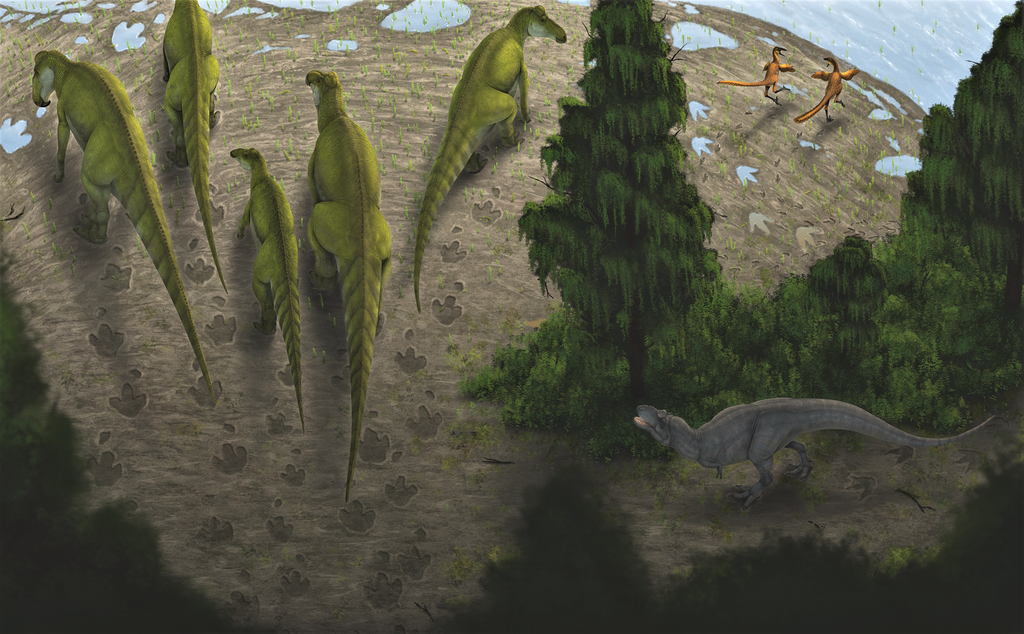
While conclusive evidence of dinosaur migration remains challenging to establish, the cumulative weight of multiple lines of evidence—isotope studies, growth patterns, mass assemblages, trackways, and ecological considerations—strongly suggests some dinosaur species engaged in nomadic or migratory behaviors. These ancient journeys would have varied tremendously across different dinosaur groups, influenced by body size, metabolic needs, reproductive strategies, and environmental pressures. The possibility that massive herds of hadrosaurs or sauropods once traversed ancient landscapes, following seasonal resources in predictable patterns, adds another fascinating dimension to our understanding of dinosaur behavior. As research techniques continue to advance, we may eventually confirm which specific dinosaur species undertook these epic journeys and map their ancient migration routes across the continents of the Mesozoic world. Until then, the image of dinosaurs as potential wanderers—moving with purpose across ancient landscapes in response to the eternal rhythms of seasons—remains one of the most compelling aspects of these extraordinary animals that continue to capture our imagination across the vast gulf of time.


