You’ve probably imagined that everything on Earth worth discovering has already been catalogued, photographed, and neatly filed away in some museum archive. Here’s the thing, though. Scientists continue to stumble upon entire ecosystems that have been thriving undetected for millions of years, tucked away in places so extreme they seem lifted straight from science fiction.
Picture this: isolated ancient forests at the bottom of giant sinkholes, creatures living beneath Antarctic ice for nearly two million years, and bizarre organisms tunneling through desert rocks in ways we still can’t fully explain. What’s fascinating about these discoveries is that they’re not happening on some distant planet. They’re right here beneath your feet, hidden in the deepest caves, sealed under glaciers, or concealed within underwater lava tubes. Let’s dive into these hidden worlds that challenge everything you thought you knew about life on this planet.
The Subterranean Deep Biosphere That Dwarfs Surface Life
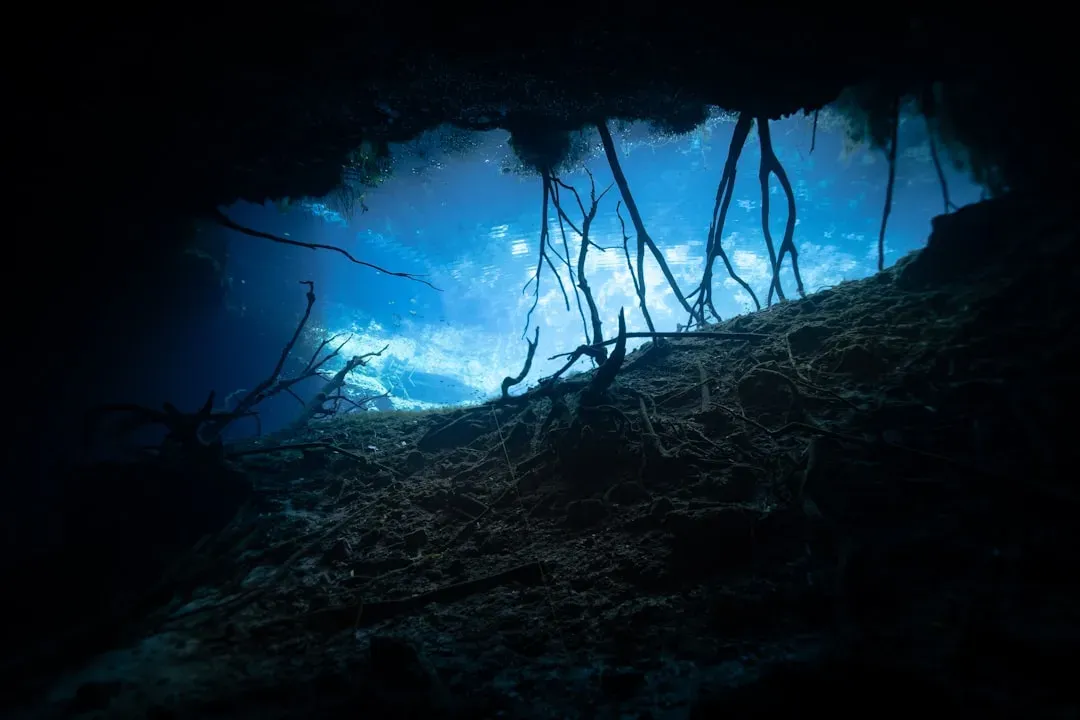
Deep beneath your feet exists what scientists call Earth’s “deep biosphere,” a mysterious network of underground ecosystems housing millions of undiscovered species of microbial life that have evolved in conditions of dirt, darkness, and daunting pressure since the planet’s birth. It’s hard to wrap your head around this, but the sheer biomass of carbon-based life lurking below our feet utterly dwarfs the amount of life roaming the Earth’s surface.
Researchers have drilled miles into the seafloor and sampled microbiomes from mines and boreholes at hundreds of sites worldwide, revealing that the world’s deep biosphere spans roughly 500 million cubic miles and houses about 70 percent of all bacteria and archaea on the planet. Think about that for a second. The vast majority of bacterial life isn’t where you’d expect it to be. Scientists estimate that up to 70 percent of Earth’s bacteria and archaea may live in this deep subsurface realm, surviving in tiny cracks within rocks, metabolizing incredibly slowly – sometimes dividing only once every thousand years – and deriving energy from minerals rather than sunlight.
China’s Giant Sinkholes Harbor Ancient Isolated Forests
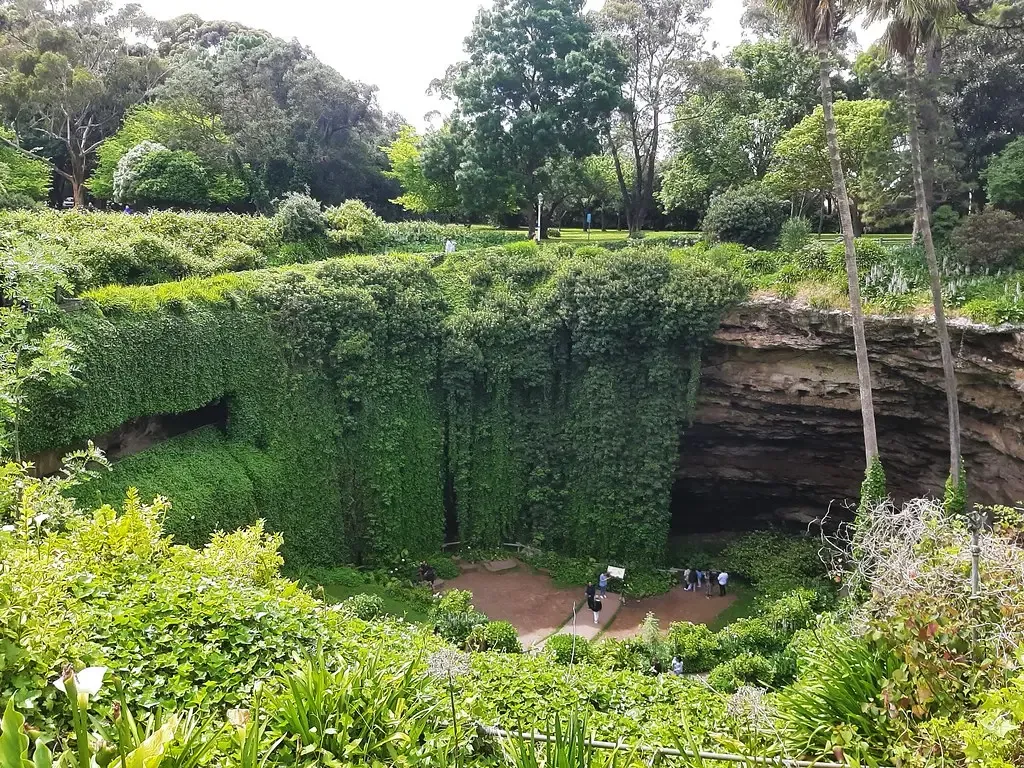
Deep within southwestern China, giant sinkholes called “tiankeng” shelter ancient forests untouched by time, with some spanning over 1,000 feet across and housing dense, thriving forests at their base. When a Chinese cave exploration team descended into a previously unexplored sinkhole in Guangxi in 2022, they discovered towering trees reaching 131 feet into the sky and dense undergrowth so thick it reached their shoulders.
These sinkholes preserve ancient ecosystems, creating biological time capsules where some of the deepest sinkholes contain forests that have remained isolated for thousands of years, shielding them from human interference and environmental changes. What makes these places so tantalizing for researchers is the real possibility of undiscovered life. Such discoveries suggest that China’s tiankeng could hold hidden species of plants and animals, offering new insights into evolution, biodiversity, and ancient ecosystems, with these environments remaining largely unexplored.
Mysterious Rock Tunnels Point to Unknown Ancient Organisms
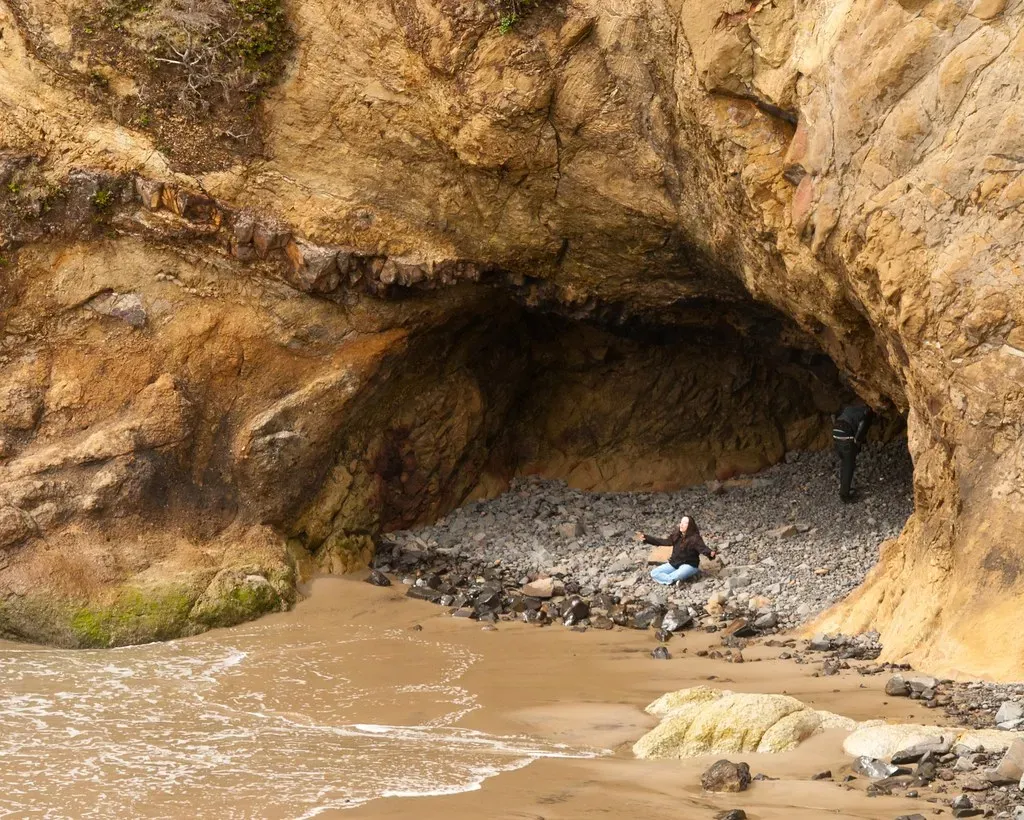
Here’s something that’ll make you pause. Recently, a geologist came across what looked like tiny burrows in marble and limestone in the deserts of Namibia, Oman, and Saudi Arabia, and while nothing was crawling in there anymore, the research team investigated further and found biological material inside. The really strange part? Nobody knows what created them.
The burrows were too wide to have been made by only one organism at a time and showed growth rings, suggesting they were formed by colonies of microbes that left behind calcium carbonate dust, a common excretion from microbes that live in these types of rocks. However, no fossilized organisms have yet been found – just evidence of their existence, though the chemical composition of rock samples from inside the burrows showed that whatever made them had to have been alive. Whether these mysterious organisms still exist somewhere or went extinct eons ago remains unknown.
Hidden Life Beneath Hydrothermal Vents Stuns Researchers
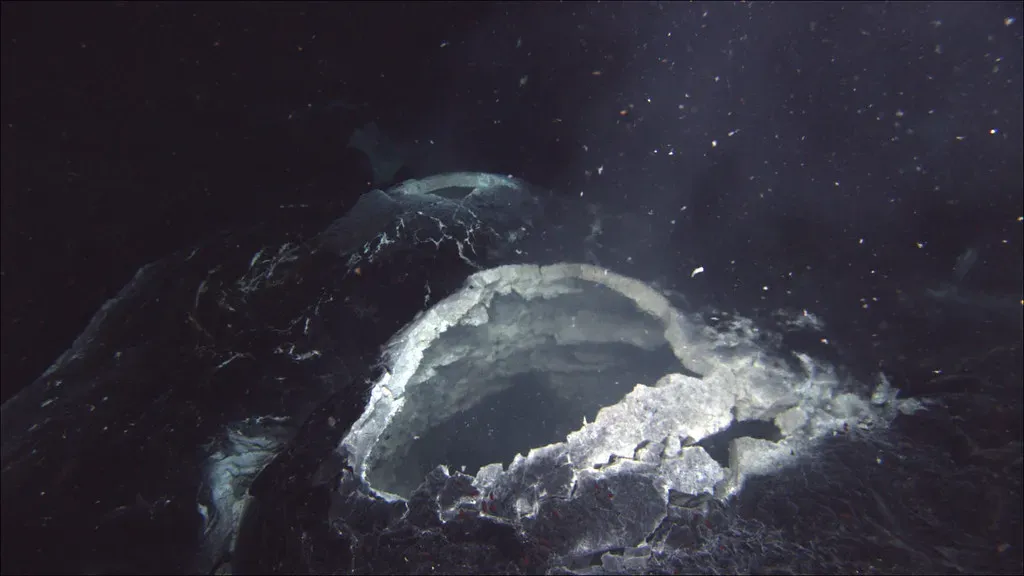
You’d think scientists had thoroughly explored hydrothermal vents after five decades of study. Not even close. It was largely thought that the only life forms that could survive beneath these vents would be microbes and viruses, but understanding of these habitats took an about-turn when a curious underwater robot disturbed volcanic slabs to reveal a surprisingly diverse ecosystem beneath.
Using a remotely operated vehicle, researchers were able to flip over portions of the seafloor, revealing caves connected to hydrothermal vents that were teeming with life, including giant tube worms and other fascinating creatures. The discovery suggests a strong connection and interaction between the ecosystems of the seafloor and its underworld, allowing for the possibility of life thriving in unexpected places beneath the ocean floor. Honestly, what else is down there that we haven’t accidentally stumbled upon yet?
Antarctica’s Frozen Ecosystem Isolated for Nearly Two Million Years
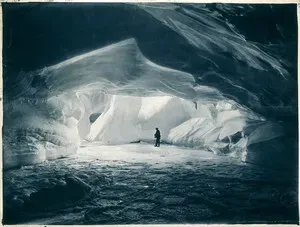
Scientists have found life in an ecosystem trapped underneath a glacier in Antarctica for nearly 2 million years, with microbes surviving the dark, oxygen-free waters by drawing energy from sulfur and iron. This isn’t just some bacterial soup either. The organisms use sulfate as a catalyst to “breathe” with ferric iron and metabolize the limited amounts of organic matter trapped with them years ago, and lab experiments have suggested this might be possible, but it has never been observed in a natural environment.
The lost world beneath the ice may hold remnants of that ancient time – possibly frozen microbes, unknown species, or preserved organic material that could reveal Earth’s evolutionary history. What gets really interesting is the implication for life beyond Earth. Jupiter’s moon Europa and Saturn’s moon Enceladus, both of which have icy crusts covering subsurface oceans, could harbor similar ecosystems, and if life has persisted in Antarctica’s extreme, isolated conditions for millions of years, the same might be true beyond Earth.
Cave Ecosystems Support Species Unlike Anything on the Surface
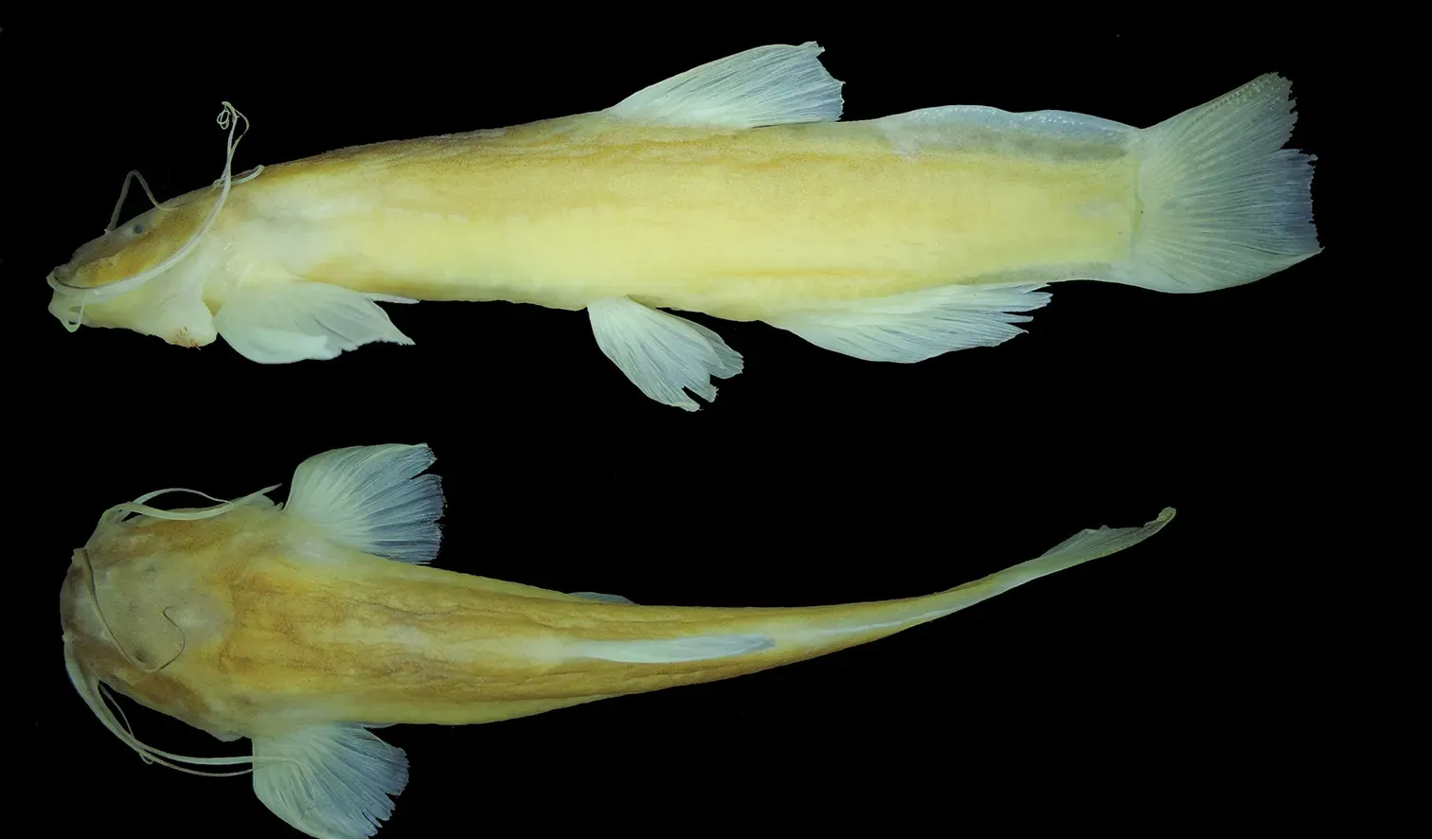
Far from the austere, sparsely populated ecosystems often conjured in the imagination, caves host some of the most mysterious and biodiverse natural systems in the world, though subterranean environments remain the least explored terrestrial habitats. The creatures that inhabit these spaces have evolved bizarre adaptations you won’t find anywhere else.
Species living in the deep zone have fully adapted to life in complete darkness, often displaying noticeable physical adaptations like cavefish, and these permanent cave residents cannot leave their specific underground habitats, making them endemic to a single cave. One biologist diving solo in the eastern mountains of Mexico in a cave connected to a thermal spring came across a blind catfish behaving so oddly he thought it might be sick, but it turned out to be a new species of cave catfish that had never been seen before. Let’s be real – if that’s happened once, how many other cave species are we completely unaware of?
Recent Discoveries Show Prehistoric Species Are Still Being Uncovered
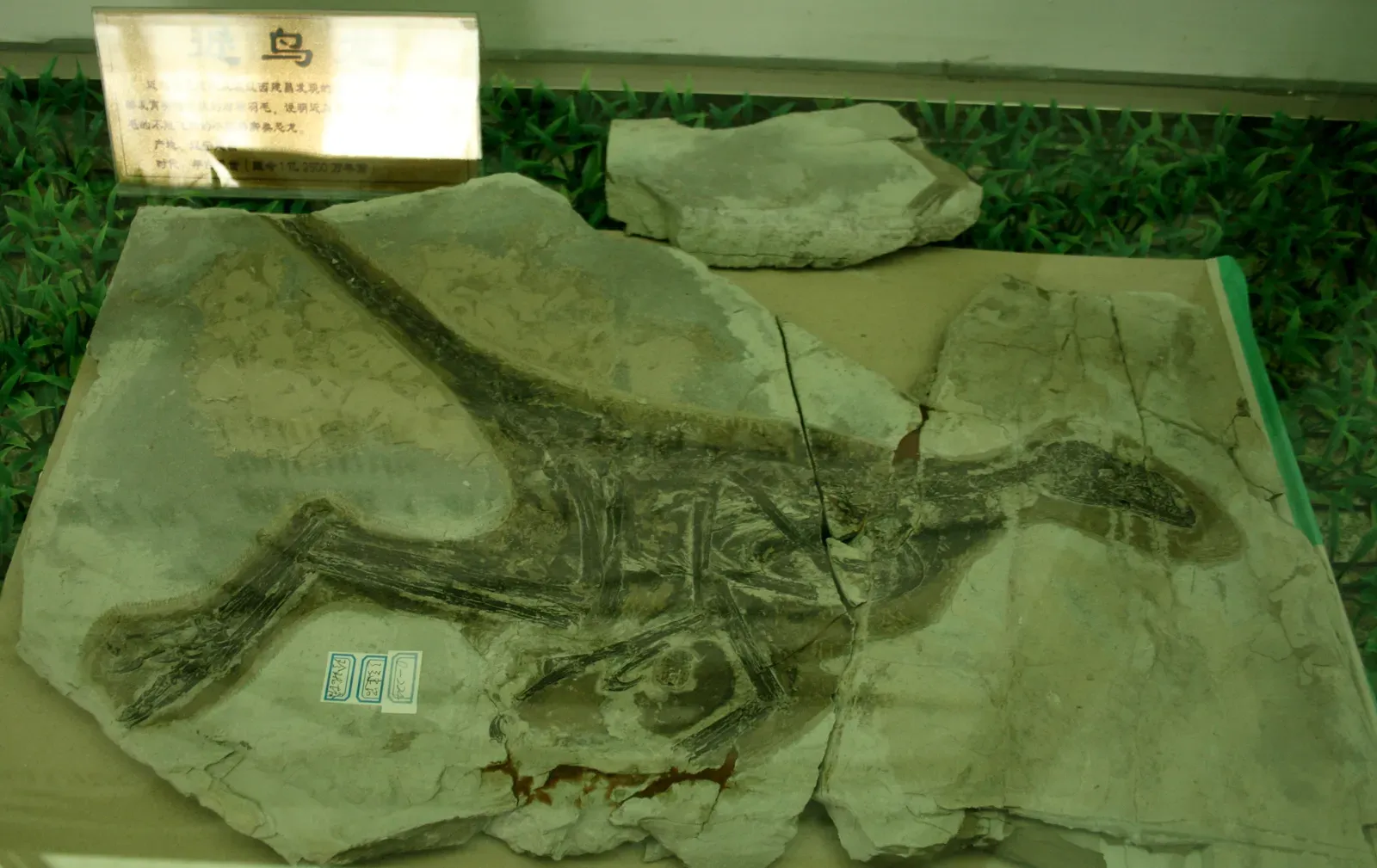
More than 70 new species were described in 2025 by researchers at the American Museum of Natural History, from fruit flies that bite to a tiny mouse opossum and a feathered dinosaur preserved with the remains of its last meal. What’s remarkable is that some of these species resulted from recent fieldwork and modern collecting expeditions, while others were uncovered by revisiting specimens preserved in museum collections for decades, awaiting new technologies and fresh scientific insight.
Every geological formation of the right age and type has the potential to contain an entire menagerie of unseen dinosaurs from small to large to enormous, and a 2006 study estimated that paleontologists had found less than 30 percent of all non-avian dinosaurs. The oceans are even more mysterious. Fathoms deep, teeming with life and hard to explore, the ocean has yet to give up all its secrets, with scientists estimating that two-thirds of marine life has yet to be discovered.
Conclusion
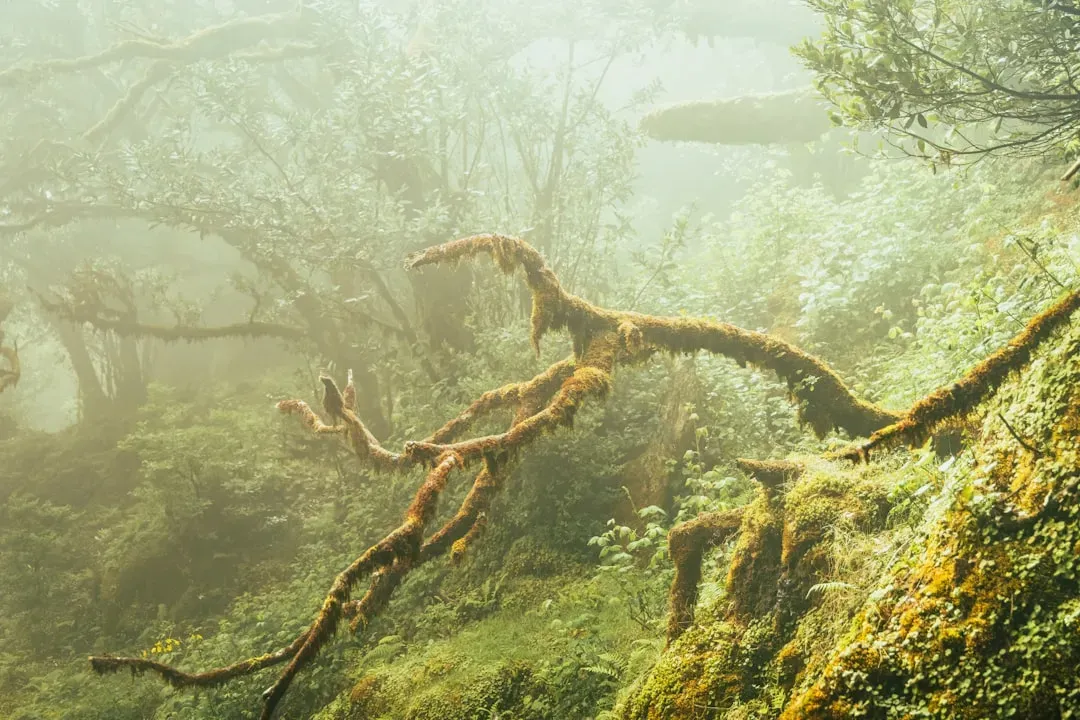
Here’s what should keep you up at night in the best possible way: we’re barely scratching the surface of what exists on this planet. These long-lost prehistoric ecosystems aren’t just relics of Earth’s past. They’re active, thriving communities that have survived in isolation through unimaginable stretches of time, adapting to conditions that would obliterate most life forms in moments.
From microbes beneath Antarctic glaciers to forests hidden in Chinese sinkholes, from mysterious rock-boring organisms to creatures dwelling in total darkness beneath hydrothermal vents, our planet continues to reveal secrets that rewrite what we thought we knew about life’s resilience and diversity. Each discovery raises more questions than it answers. What other ecosystems are hidden in places we haven’t thought to look? What bizarre adaptations have evolved in isolation that could revolutionize our understanding of biology?
The most humbling part? With up to 70 percent of Earth’s bacteria living in the deep subsurface and two-thirds of marine life still undiscovered, we’re living on a planet we’ve only begun to explore. These hidden worlds aren’t just scientifically fascinating – they’re reminders that nature’s capacity for survival exceeds our wildest imagination. What do you think is still out there, waiting to be discovered?