You’ve probably grown up believing that Tyrannosaurus rex was the undisputed king of the dinosaurs. The massive jaws, those tiny arms, the bone-crushing power. It’s hard to shake that image once it’s planted in your mind.
Yet what if everything you thought you knew about the Cretaceous period’s top predator was a bit off? What if the true apex hunter was something far stranger, far more specialized, and arguably even larger than the legendary T. rex itself? Let’s be honest, the idea that T. rex might not have been the ultimate ruler sounds almost heretical. Still, when you dig into the fossil record and the latest discoveries from 2026, a very different picture starts to emerge.
The Mysterious Predator from North Africa
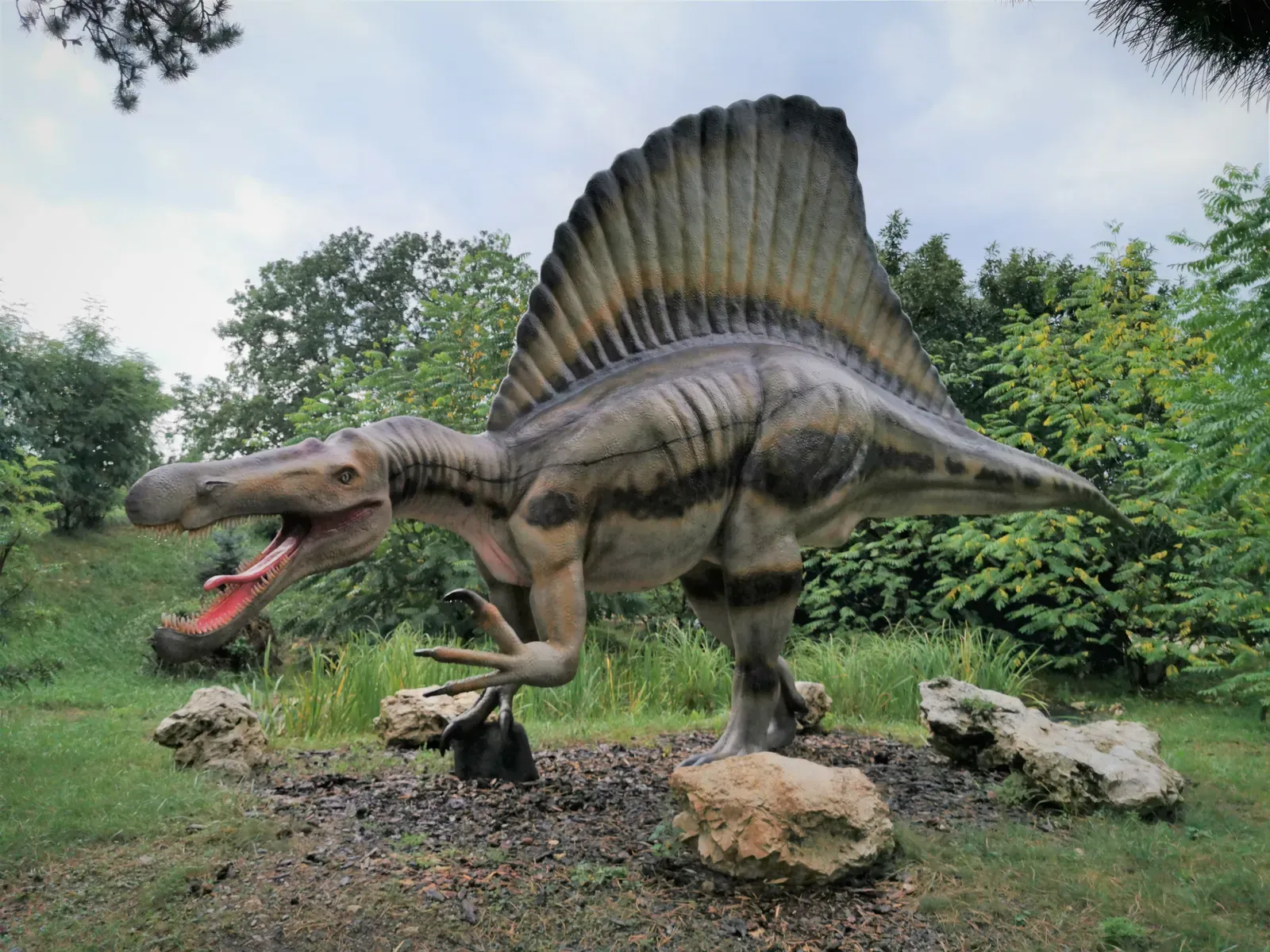
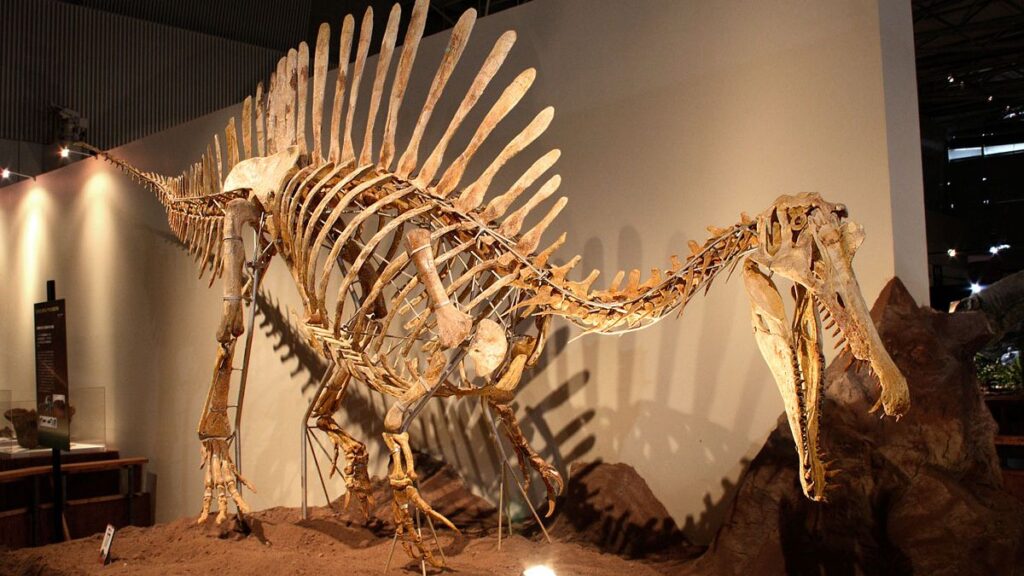
Spinosaurus lived in what is now North Africa during the Cenomanian stage of the Late Cretaceous period, approximately 100 to 94 million years ago. This creature wasn’t your typical land-based hunter. Recent estimates suggest Spinosaurus reached lengths of 14 meters and weighed around 7.4 metric tonnes.
To put that in perspective, imagine an animal longer than a school bus with a massive sail running down its back. At least one species, Spinosaurus aegyptiacus, grew as large or larger than Tyrannosaurus rex. The sheer scale of this animal makes you wonder why it doesn’t dominate popular culture the same way T. rex does.
A Tragic Loss and Rediscovery
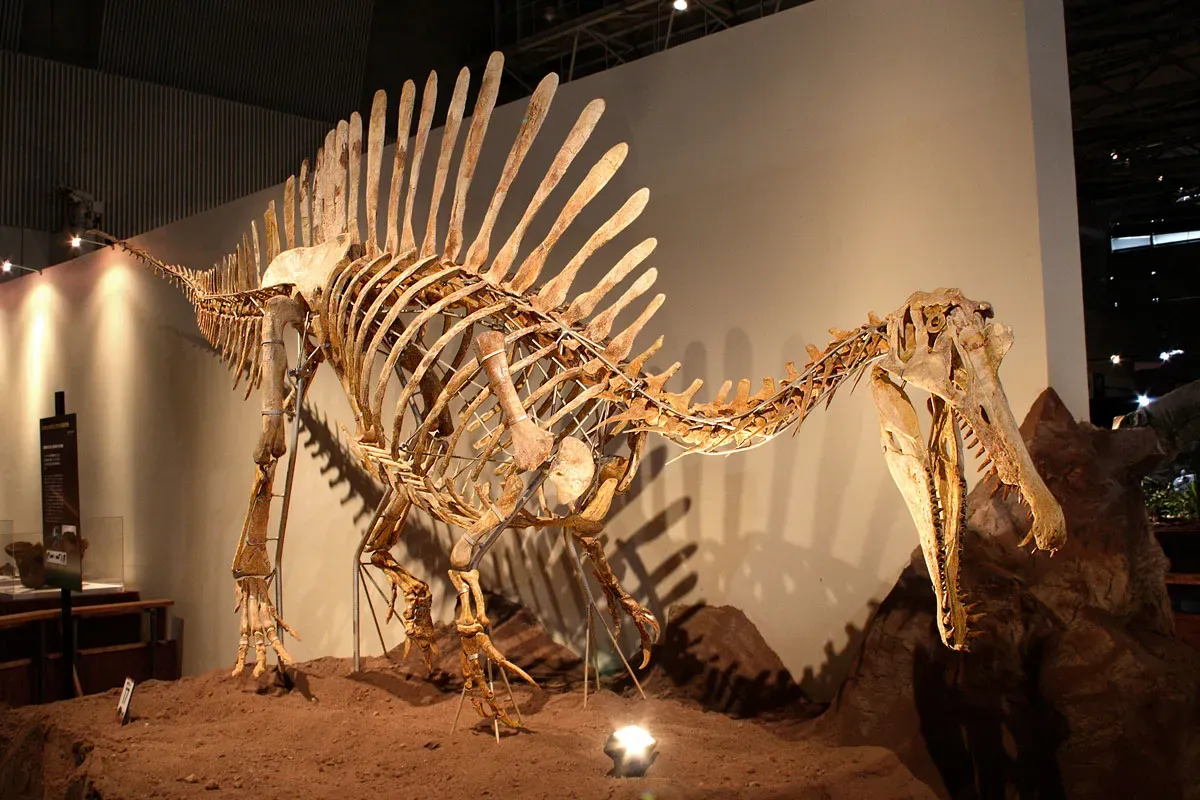
The story of Spinosaurus began in 1912 with a partial skeleton discovered in Egypt, described by paleontologist Ernst Stromer, and the unique specimen was tragically destroyed in a WWII bombing raid in 1944. For decades, scientists had to rely entirely on Stromer’s detailed drawings and notes.
It’s hard to say for sure, but this devastating loss set back our understanding of this creature by generations. In the 21st century, new fossils from Morocco’s Kem Kem Beds revolutionized our understanding, and a 2020 discovery showed it possessed a long, flexible, paddle-like tail. These findings changed everything we thought we knew about large theropods.
An Aquatic Lifestyle Unlike Any Other Giant Predator
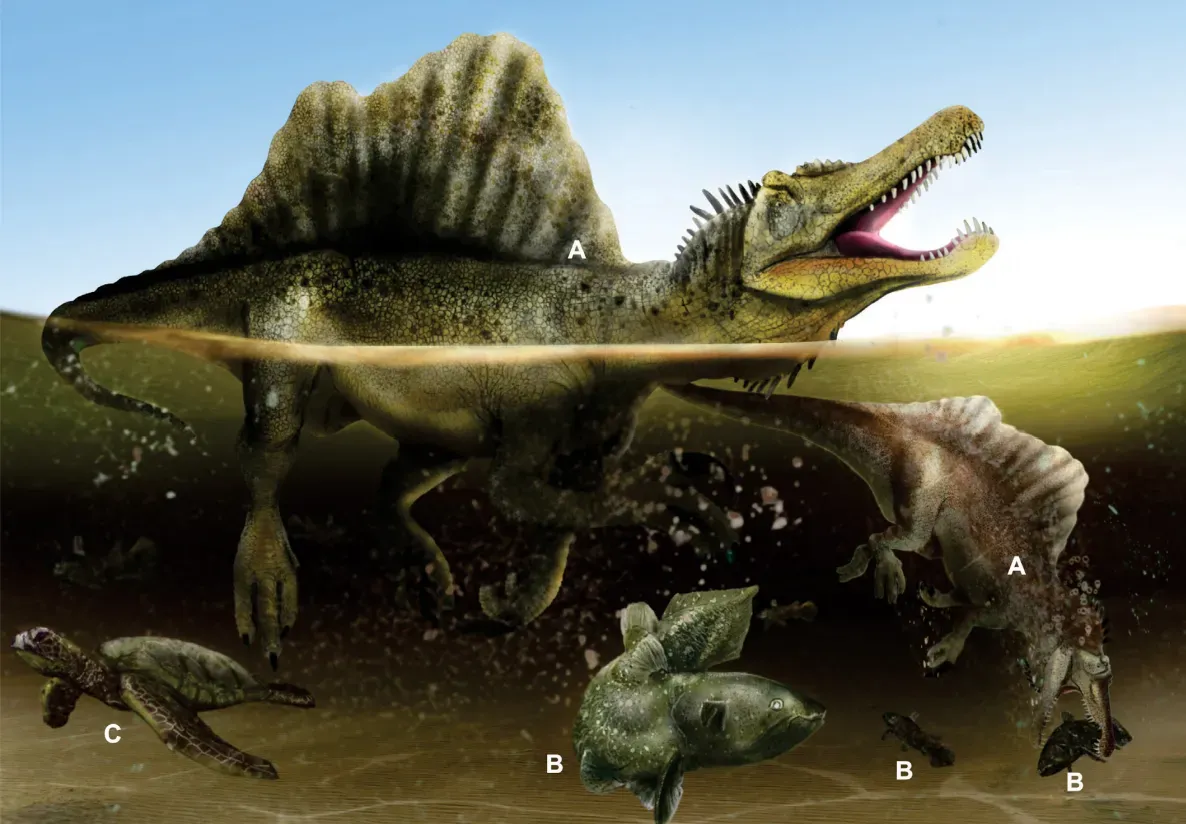
Here’s where things get really interesting. Spinosaurus being semi or perhaps even fully aquatic, with other large theropods having a more traditional lifestyle, is thought to explain niche partitioning. Think about that for a moment. You’re looking at a massive carnivore that spent significant time in water, hunting fish with its crocodile-like snout.
The idea of an aquatic Spinosaurus is strongly supported by its anatomy, with its crocodile-like snout and conical teeth perfect for catching fish, and a 2022 study revealed it had extremely dense bones similar to modern diving animals like penguins and manatees. However, the lifestyle debate continues to rage among scientists. Results found that both Spinosaurus and Suchomimus would have been unstable when swimming at the surface and far too buoyant to dive and fully submerge.
The Forgotten Rivals Before T. Rex
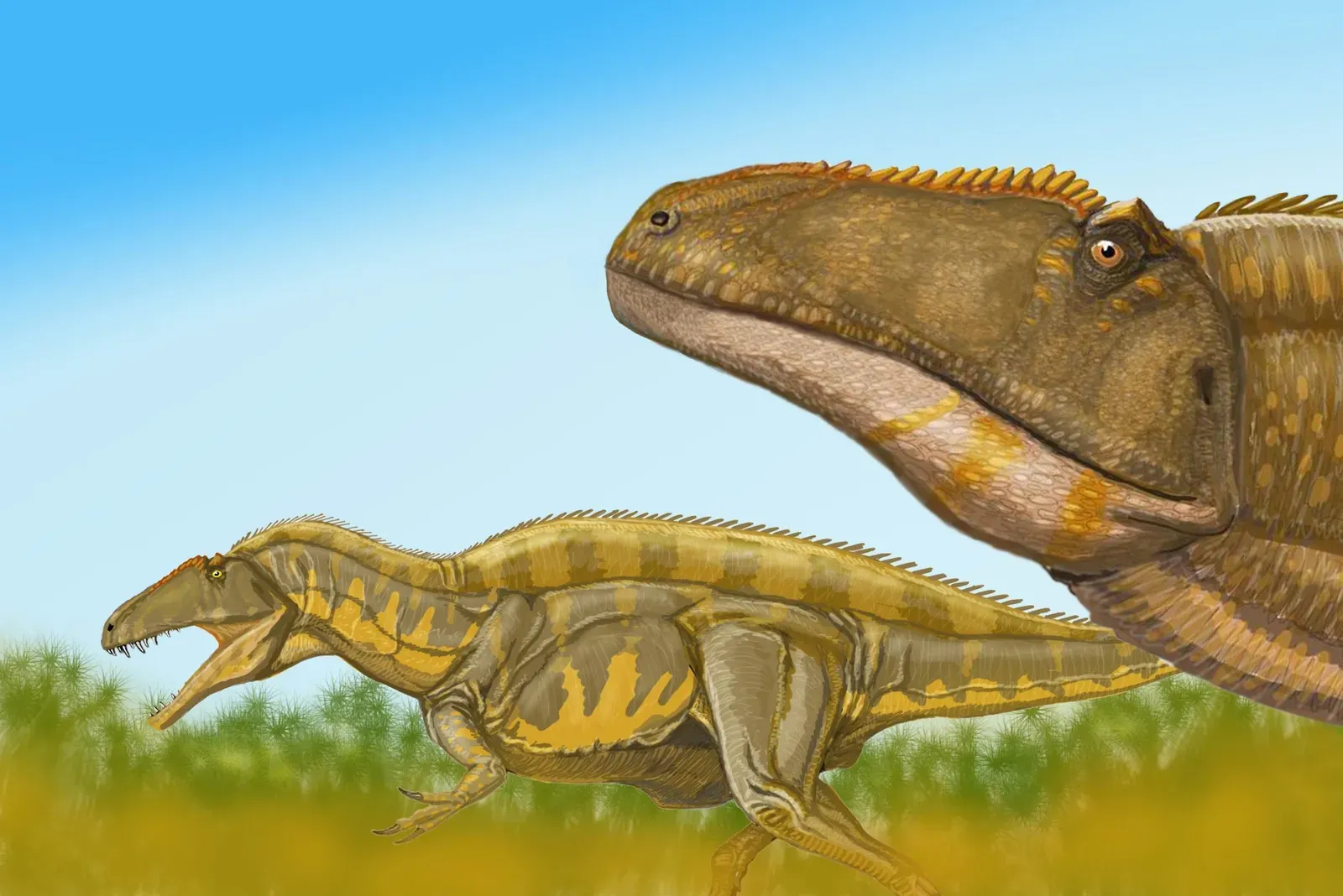
Allosauroid theropods were a diverse and widespread radiation of Jurassic-Cretaceous megapredators, achieving some of the largest body sizes among theropod dinosaurs and dominating terrestrial ecosystems until a faunal turnover redefined apex predator guild occupancy. For millions of years, different predators held the crown.
Alpha predators during the Cretaceous included Acrocanthosaurus atokensis, Siats meekerorum, Lythronax argestes, and Tyrannosaurus rex, and they superseded each other in the changing environment. Siats meekerorum, a giant new North American allosauroid from the Late Cretaceous, demonstrated that this clade co-occurred with and competitively excluded smaller tyrannosaurs. The evolutionary race for dominance was far more complex than most people realize.
The South American Challengers
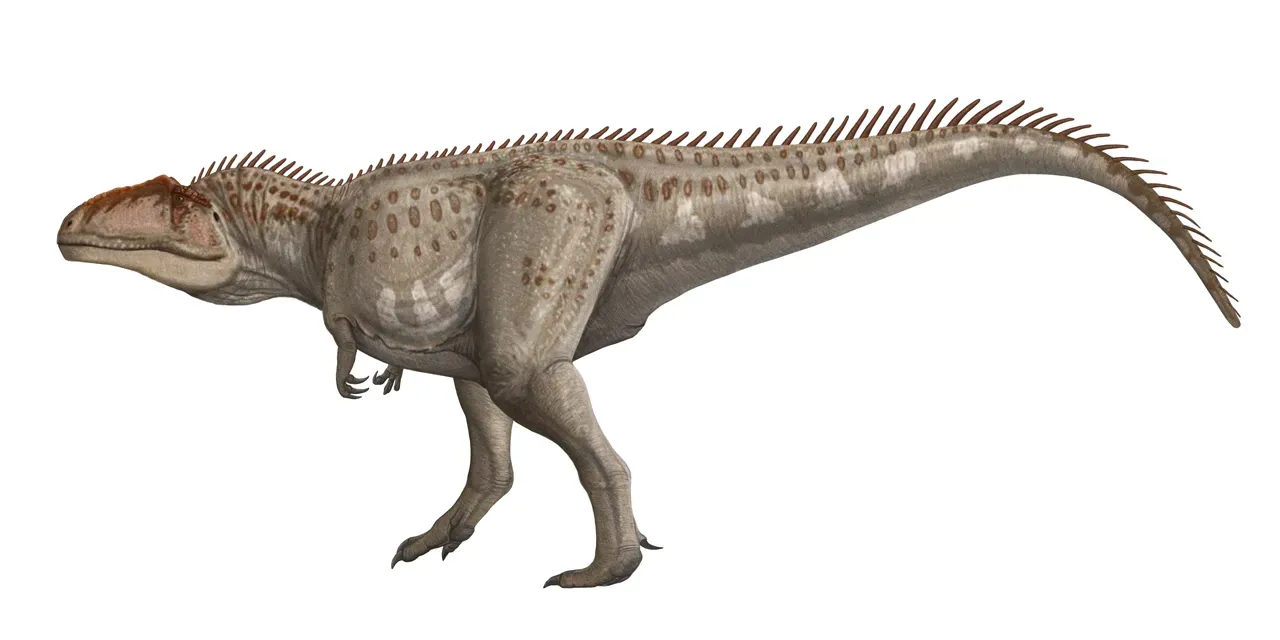
North America wasn’t the only continent hosting massive predators. Giganotosaurus lived in what is now Argentina during the early Cenomanian age of the Late Cretaceous period, approximately 99.6 to 95 million years ago. Fragmentary remains suggest Giganotosaurus was at least 41 feet in length.
Giganotosaurus is thought to have been larger than T. rex, making it one of the largest known land predators of pre-history. Yet unlike T. rex’s bone-crushing bite, Giganotosaurus relied more on precision and its sheer size to overpower its prey. The hunting strategies varied wildly between these apex predators, each perfectly adapted to their specific environment and prey.
Recent Discoveries Reshaping Our Understanding
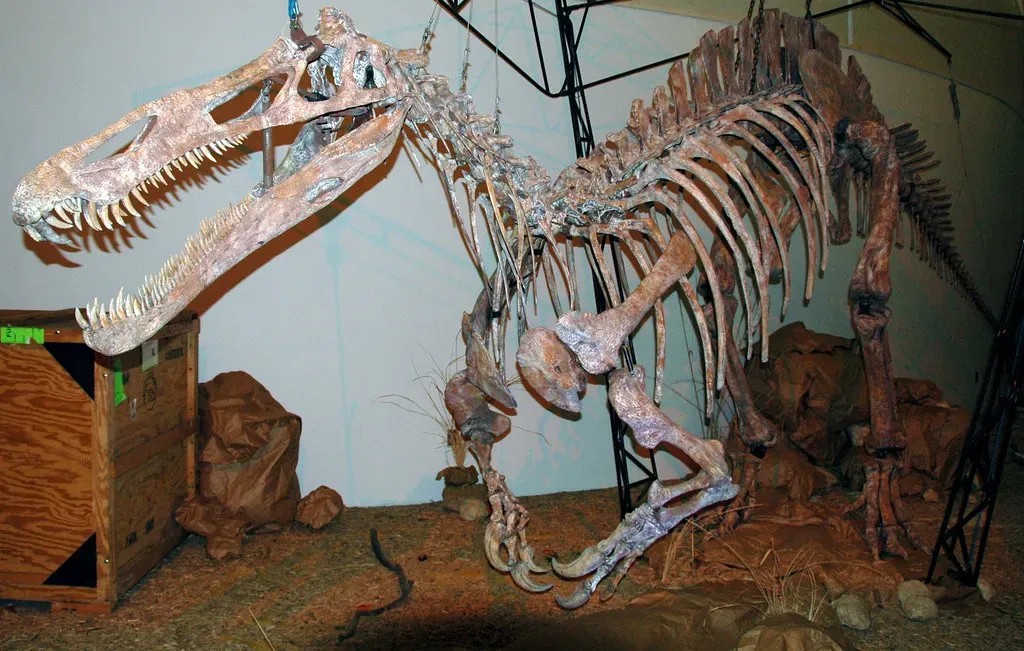
The year 2025 brought remarkable new insights. Rauhut, Canudo & Castanera in 2025 revised fossil material originally attributed to Camarillasaurus cirugedae and interpreted it as a spinosaurine spinosaurid. A 2025 phylogenetic analysis by Thai paleontologist Adun Samathi found evidence that there are two morphotypes of spinosaurine ilia in the Kem Kem Beds.
These findings suggest the diversity of spinosaurids was even greater than previously thought. Paleontologist Rodrigo Vargas Pêgas noted in 2025 that the badly damaged remains of Oxalaia were recovered, and publication for the recovered items is in preparation. Every new fossil fragment adds another piece to this complex puzzle.
Why Size Alone Doesn’t Determine the King
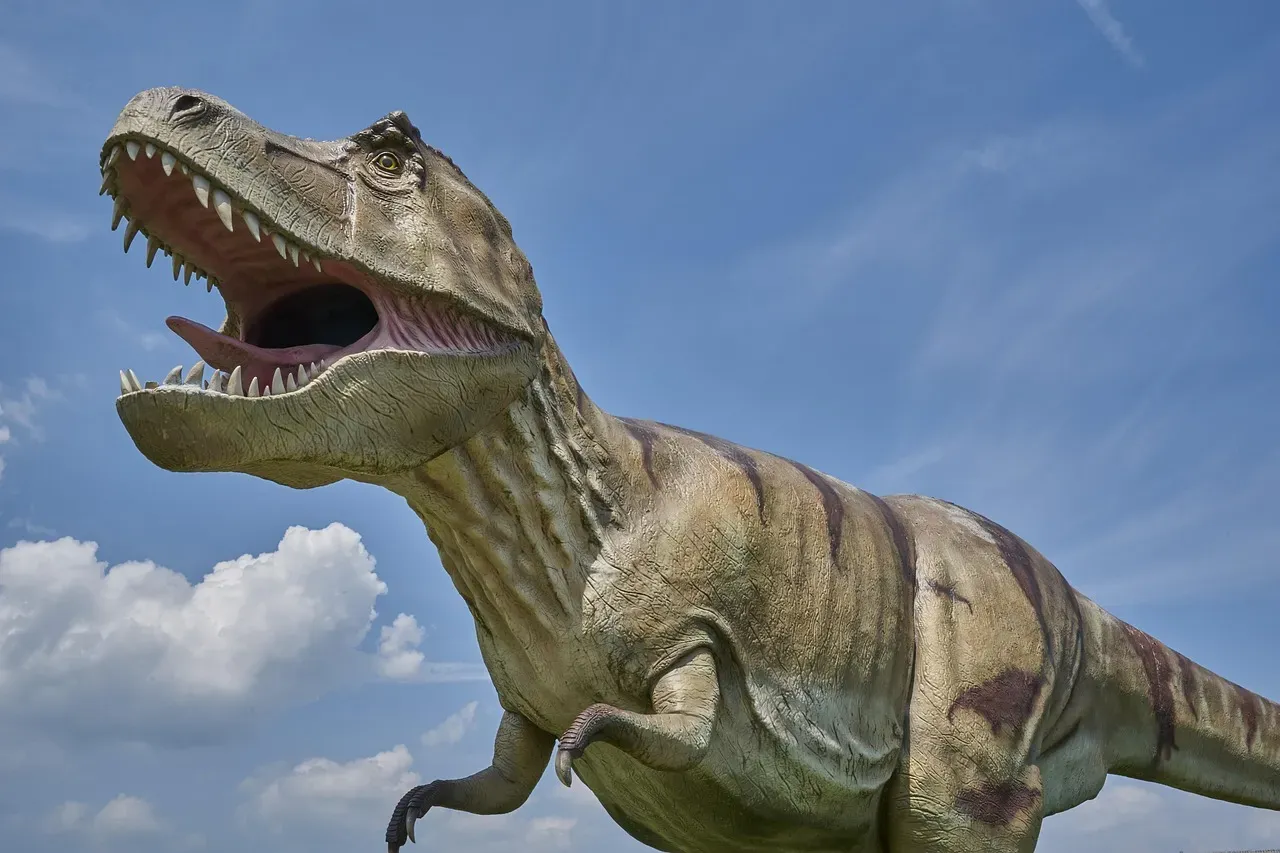
Let’s be real about something. Raw size doesn’t automatically make you the apex predator. Although some other theropods might have rivaled or exceeded Tyrannosaurus in size, it is still among the largest known land predators, with its estimated bite force being the largest among all terrestrial animals.
Adults of T. rex could exceed 12 meters in length and weighed in at over 7000 kilograms, arguably the heaviest theropod ever known, and Tyrannosaurus had little competition. Still, dominance in one region doesn’t mean global supremacy. The mid-Cretaceous Kem Kem beds of Morocco contains an overabundance of giant theropod dinosaurs, including Spinosaurus and Carcharodontosaurus, and compared to modern ecosystems, predators are overrepresented in the mid-Cretaceous of North Africa.
The Verdict on the True King
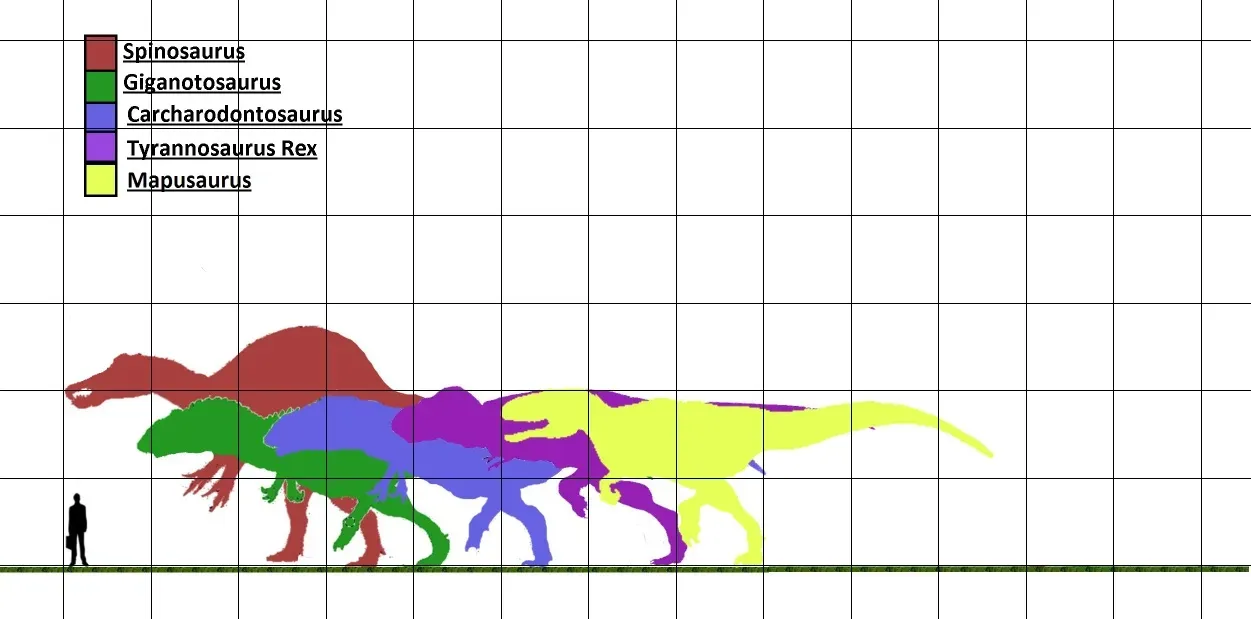
Honestly, declaring a single “king” of the Cretaceous might be missing the point entirely. Different predators dominated different continents, different time periods, and different ecological niches. Sereno noted that these newly discovered theropods from South America and Africa competed with Tyrannosaurus as the largest predators.
Spinosaurus represents something extraordinary in the fossil record. A semi-aquatic giant that challenged everything scientists thought they knew about large theropods. T. rex ruled North America during the final chapter of the dinosaur age, but was it truly the ultimate king? The evidence suggests the crown should probably be shared. What makes a predator dominant changes depending on where and when you’re looking.
The debate will continue as new fossils emerge from remote dig sites around the world. Each discovery has the potential to shift our understanding once again. Which ancient predator do you think truly deserves the title? Tell us in the comments.