Imagine standing in a park and hearing the distant boom of something enormous approaching. Not a truck. Not a helicopter. A dinosaur. It sounds insane, right? Yet the question of whether science could one day resurrect these ancient giants has quietly moved from movie theater fantasy into actual laboratory debate. And in 2026, the gap between fiction and reality is both more fascinating and more complicated than most people realize.
Researchers across genetics, paleontology, and synthetic biology are pushing boundaries that would have seemed laughable just two decades ago. Some of what they’re discovering genuinely surprises even the most skeptical scientists. So before you picture a T. rex stomping through your city, let’s dig into what the science actually says. Let’s dive in.
The DNA Problem: Why Fossils Won’t Save You
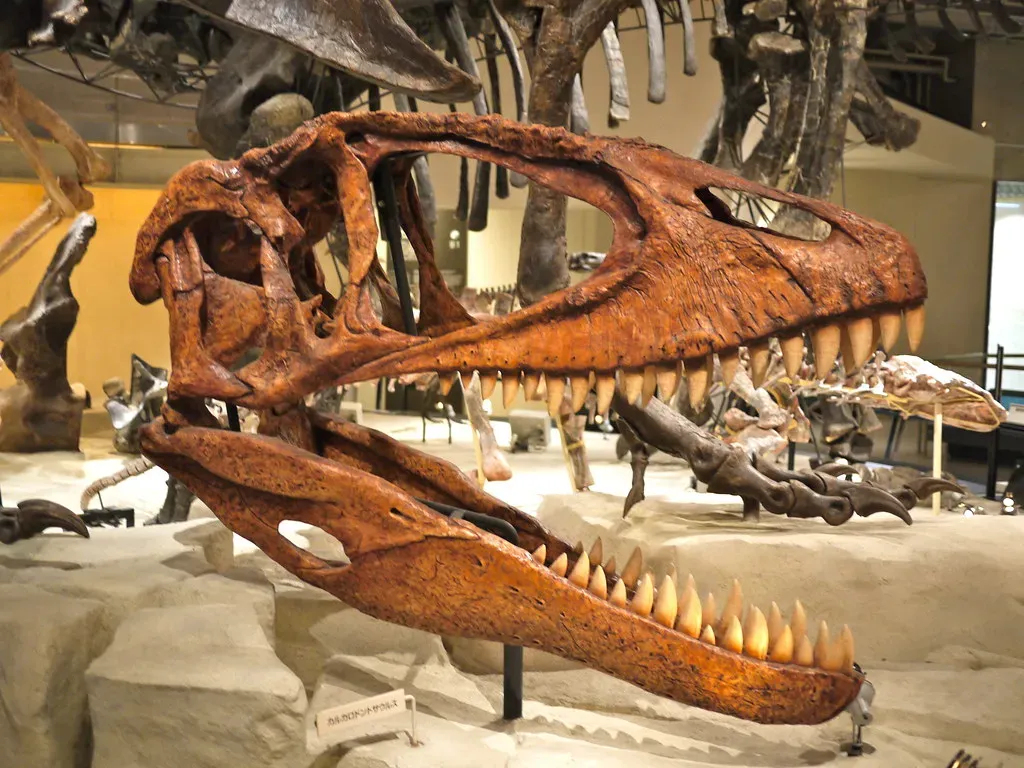
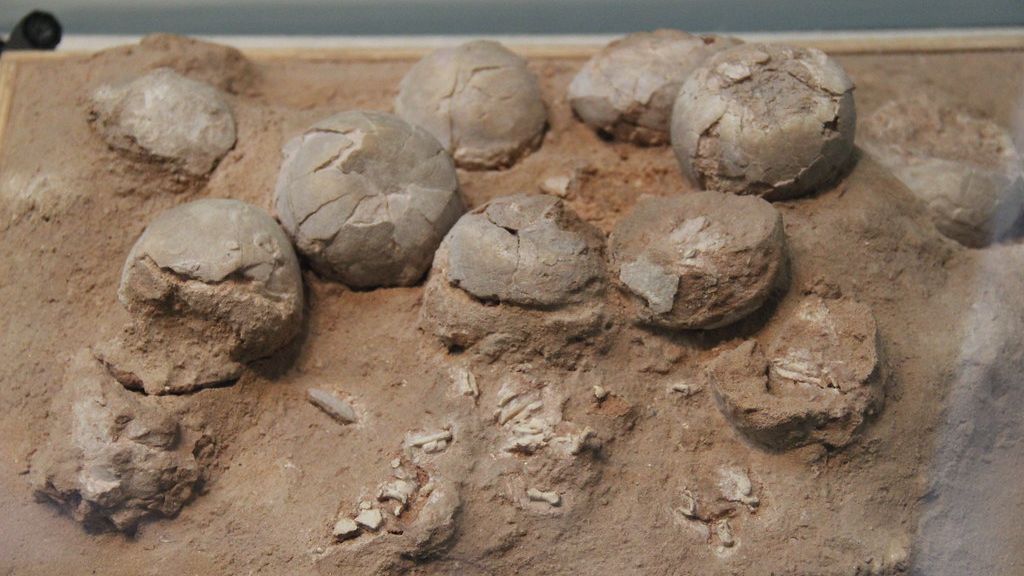
Here’s the thing that stops most dinner table conversations cold. Even with modern technology, there’s simply no way to bring dinosaurs back from the dead, because there is no DNA in dinosaur remains. Dinosaur remains are rocks, and rocks don’t have DNA. It’s a brutal but honest reality check.
DNA has a measurable half-life of approximately 521 years, meaning half of the DNA bonds in a sample break down every 521 years regardless of preservation conditions. After about 6.8 million years, virtually no readable DNA remains, which is a devastating fact considering dinosaurs went extinct approximately 65 million years ago. Think of it like trying to read a book that got wet, dried, burned, submerged, and then sat in a drawer for millions of years. There’s simply nothing left to read.
Amber and Mosquitoes: Was Jurassic Park Onto Something?
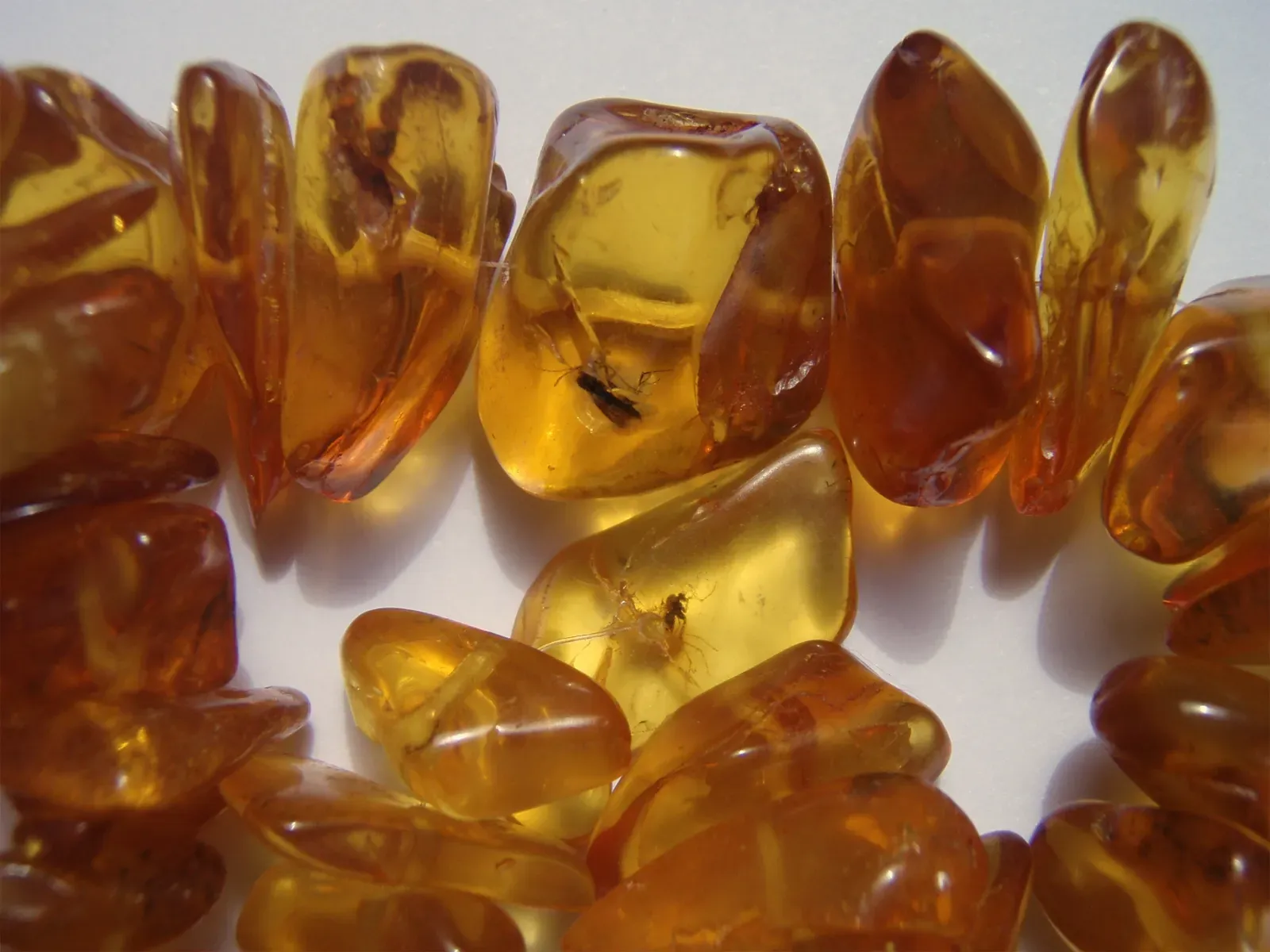
The classic concept for dinosaur resurrection starts with a DNA-filled mosquito that has been preserved in amber for millions of years. It’s a gorgeous idea, cinematic and poetic. Unfortunately, it collapses quickly under scientific scrutiny.
Scientists confirm that we do have mosquitoes and biting flies from the time of the dinosaurs and they do preserve in amber. The problem is that when amber preserves things, it tends to preserve the husk, not the soft tissues. So you don’t get blood preserved inside mosquitoes in amber. Honestly, that’s a bit like finding an old perfume bottle, but all the scent has vanished. The container survives. The contents do not.
Soft Tissue Discoveries: A Tantalizing Clue or False Hope?
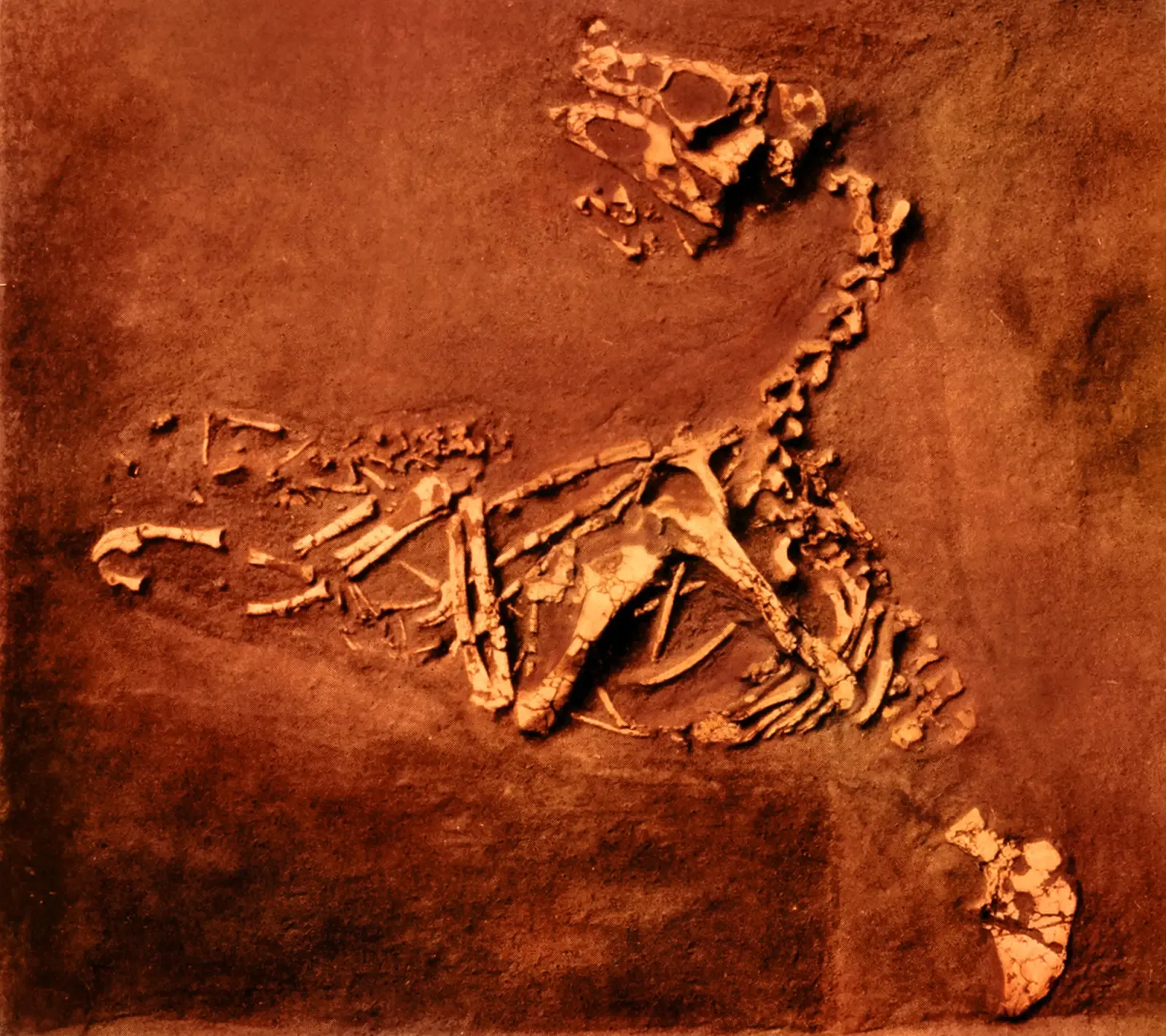
In 2005, paleontologist Dr. Mary Schweitzer made headlines when she discovered soft tissue preserved within a 68-million-year-old Tyrannosaurus rex thigh bone. This remarkable finding showed that some organic materials could survive far longer than previously thought possible, and the discovery included what appeared to be blood vessels, bone cells, and potentially other soft tissues. These findings sparked hope that perhaps dinosaur DNA might be recovered.
However, the excitement was short-lived. Subsequent analysis revealed that what survived weren’t the original biological materials but rather degraded remnants preserved through a process called mineralization. The original organic molecules had been replaced by minerals while maintaining their shape, similar to how petrified wood forms. Still fascinating science. Just not a ticket back to the Cretaceous period.
The Chickenosaurus Project: Reverse-Engineering a Dinosaur
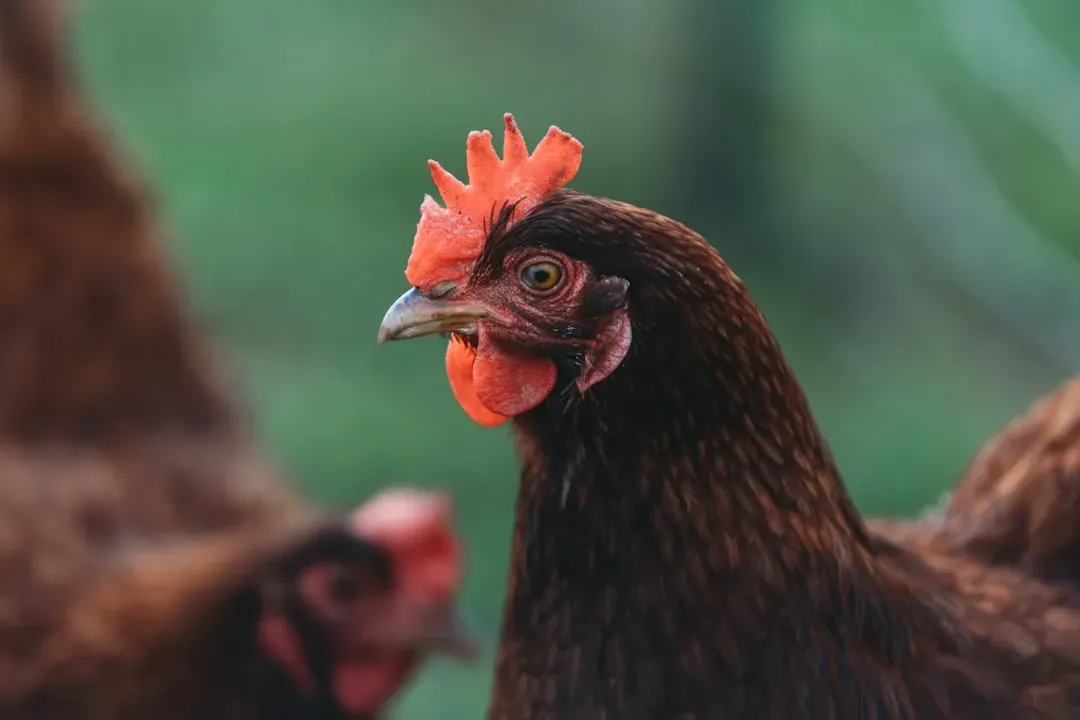
Now things start getting genuinely wild. So it looks like cloning a dinosaur is off the table, but an alternate way to recreate the extinct animals would be to reverse-engineer one. This involves starting with a living animal and working backwards towards ancient reptiles, attempting to reverse at least 66 million years of evolution. The leading candidate for that living starting point? A humble chicken.
Jack Horner, the real-life paleontologist who inspired the main character in Jurassic Park, isn’t interested in extracting DNA from amber. Instead, he’s pioneering a revolutionary approach called “reverse evolution” or “atavism activation.” The Chickenosaurus project aims to reactivate dormant genes in chicken embryos to restore dinosaur-like features such as teeth, tails, and arm-like forelimbs. It sounds strange, almost comically ambitious. Yet researchers have already made real progress.
CRISPR Technology: The Molecular Scissors Changing Everything
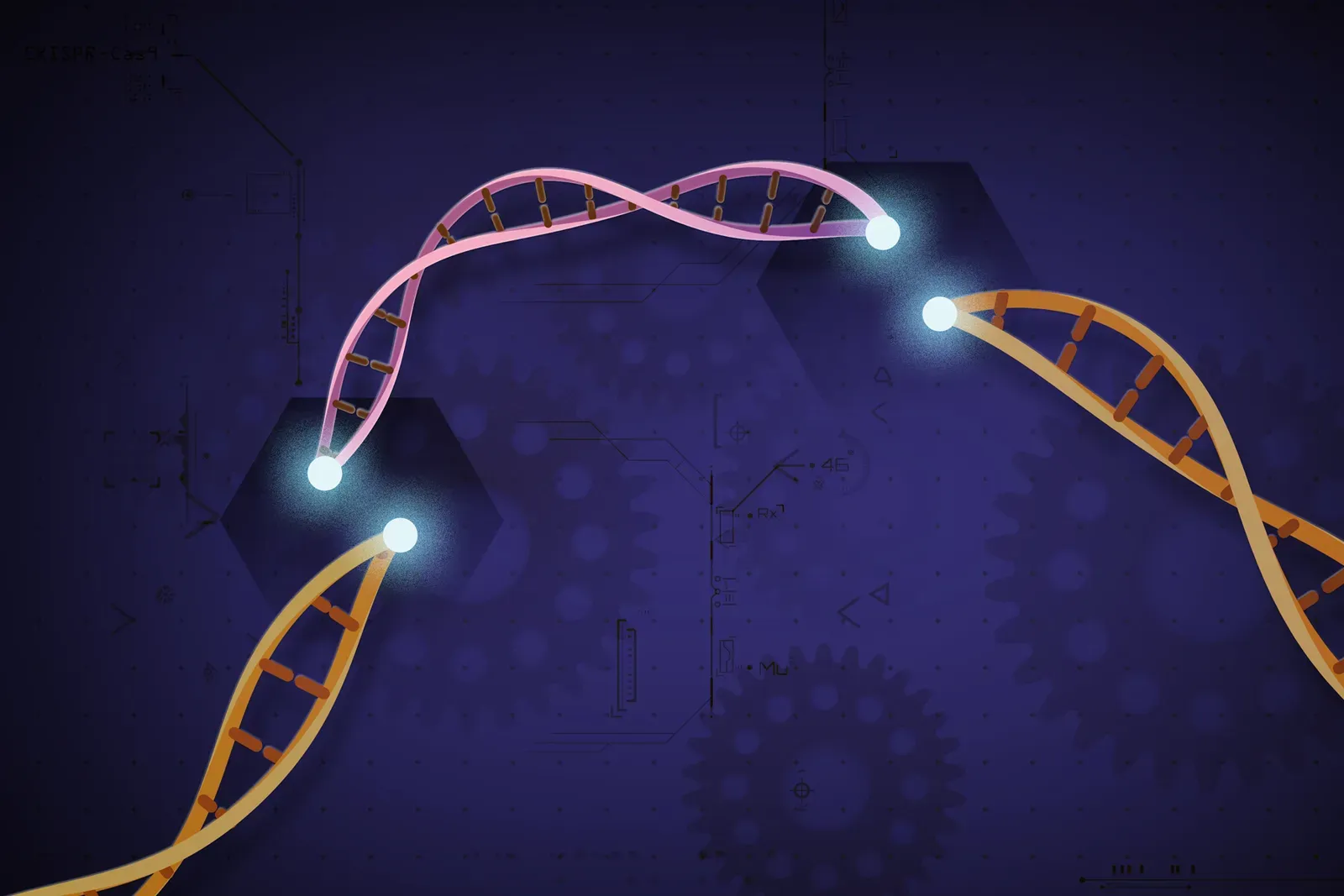
CRISPR works like molecular scissors, guided by RNA to cut DNA at specific locations. This allows researchers to delete unwanted genes, correct mutations, or insert new genetic sequences with unprecedented precision and efficiency. For dinosaur-related research, CRISPR offers the ability to systematically modify bird genomes to express ancestral traits. Rather than waiting for traditional breeding methods, scientists can directly edit the genetic code to activate dormant dinosaur characteristics.
In 2015, a team led by paleontologist Bhart-Anjan Bhullar and developmental biologist Arhat Abzhanov successfully manipulated chicken embryos to develop dinosaur-like snouts instead of beaks. By identifying the specific genetic changes that led to beak development in birds, they were able to inhibit those pathways, resulting in embryos with more dinosaur-like facial structures. It’s not a dinosaur. Yet. Think of it as turning back one page in an enormously long book, but at least you’ve confirmed the book can be opened.
Birds Are Dinosaurs: The Living Proof Right Outside Your Window

Birds aren’t just the closest living relatives of dinosaurs, they are dinosaurs. The term “dinosaur” defines a very large group of animals with a huge diversity of traits that all descended from a common ancestor and ruled the world for many millions of years. So technically, every time you see a pigeon waddling around a park fountain, you’re looking at a living dinosaur. Deeply unimpressive, perhaps. But biologically correct.
Modern genetic analysis has revealed that birds retain many dormant dinosaur genes, locked away in their DNA like a prehistoric time capsule waiting to be reopened. Ancient animals could be resurrected through the genomes of their modern-day descendants. For instance, the DNA of birds could be “de-evolved” to resemble the DNA of dinosaurs. The information is still there, in a sense, just switched off. The question is whether scientists can flip those switches back on in a meaningful and controlled way.
The Bigger Technical Barriers Nobody Talks About
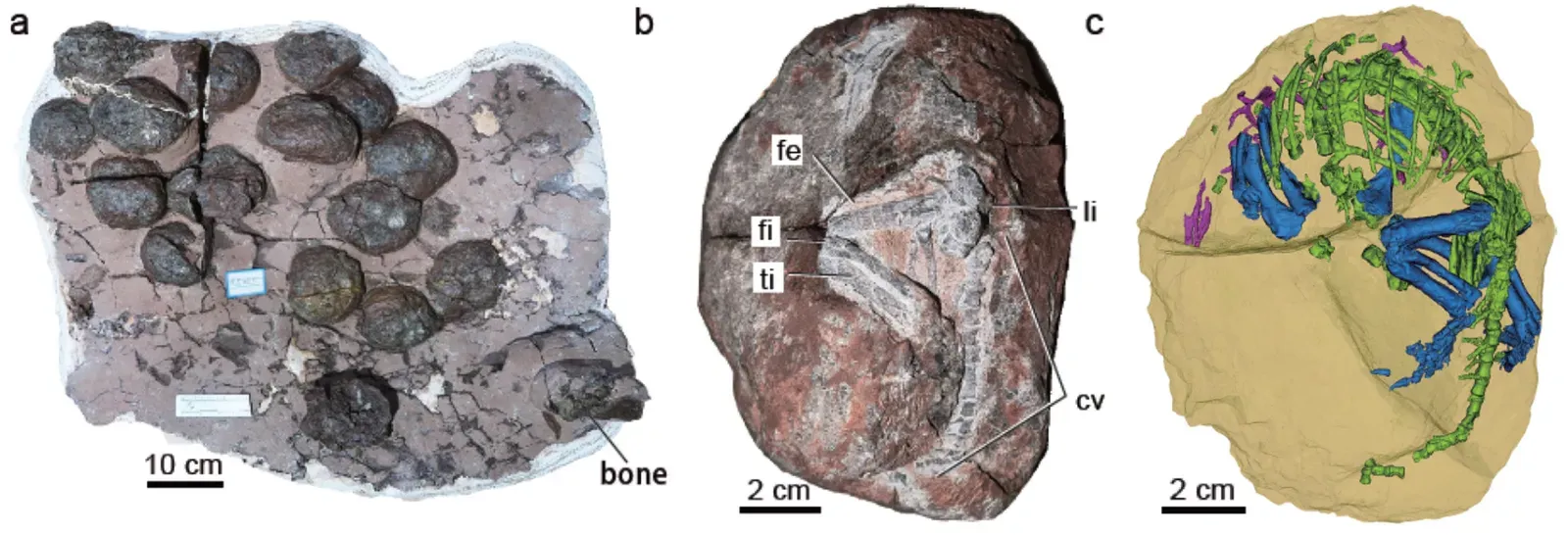
Even if you somehow assembled a complete dinosaur genome, you wouldn’t be done. Not even close. Scientists would need to recreate the precise conditions required for dinosaur embryonic development, including egg composition, temperature cycles, and atmospheric conditions that remain largely unknown. It’s a bit like baking a complicated cake with no recipe, no oven, and no idea what the ingredients even taste like.
Modern animals depend on complex communities of microorganisms for proper development and function. The microbiome that dinosaurs relied upon is extinct and would need to be reconstructed or substituted. Beyond the genetic code itself, the expression of genes is also controlled by epigenetic factors that don’t fossilize at all. Every one of these layers adds a new level of complexity that makes the challenge feel almost impossibly layered. It’s not just one problem. It’s dozens stacked on top of each other.
The Ethical Minefield: Should We, Even If We Could?
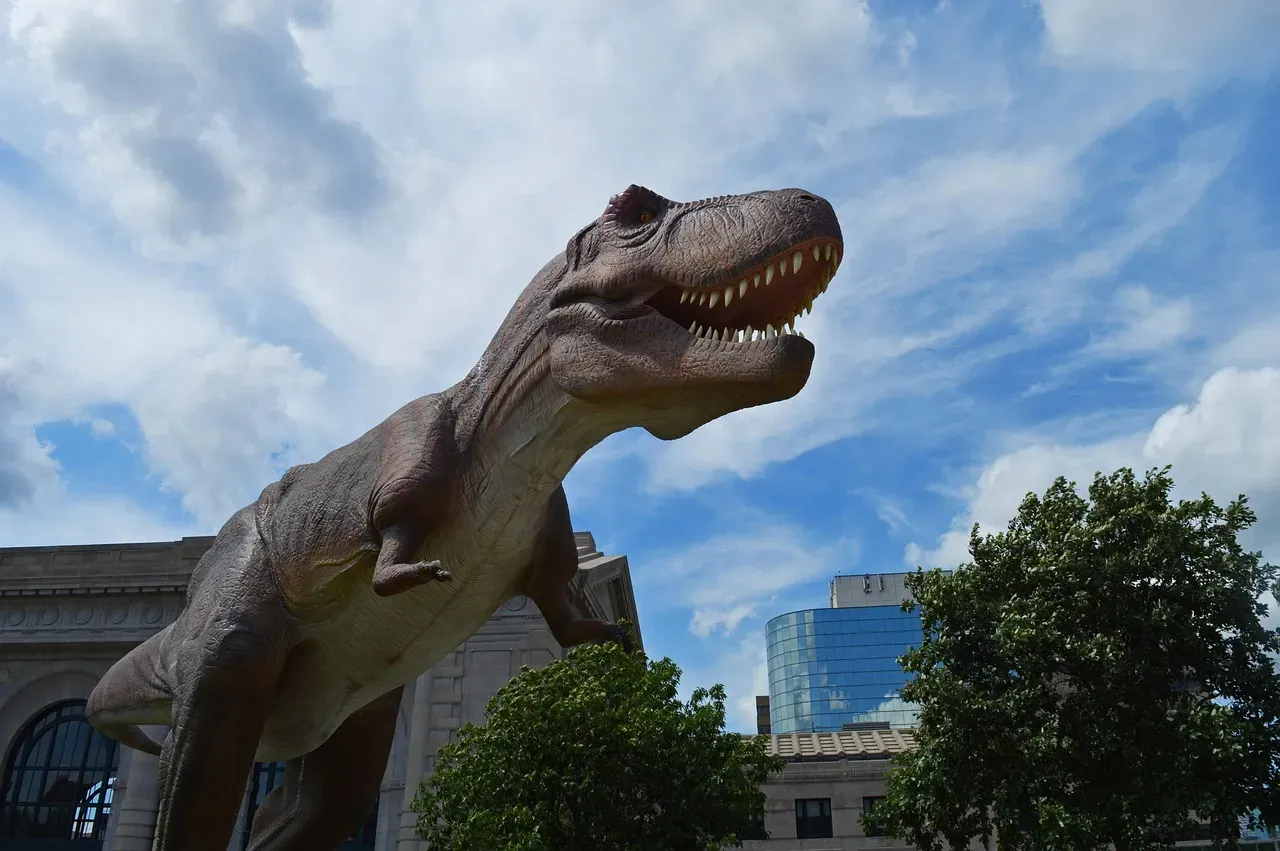
Let’s be real for a second. Even if science somehow solved every technical obstacle, a whole other conversation begins. The successful creation of a dinosaur would present significant ecological concerns. Introducing a species that vanished millions of years ago into a modern ecosystem would likely disrupt the delicate balance of life, potentially leading to unforeseen consequences. Finding a suitable habitat and ensuring the dinosaur’s survival without impacting existing species would be a massive undertaking.
Overall, research respondents indicated de-extinction was more likely to induce hazards than benefits. Reasons for this viewpoint included a “moral hazard” argument, suggesting conservation policies could be undermined if society perceives that species need less protection because they can be revived later. In other words, the belief that extinction is reversible could actually encourage more reckless treatment of the species still alive today. That’s a troubling trade-off, and one that shouldn’t be brushed aside in the excitement of genetic possibility.
Conclusion: A Dream Worth Dreaming, But Carefully
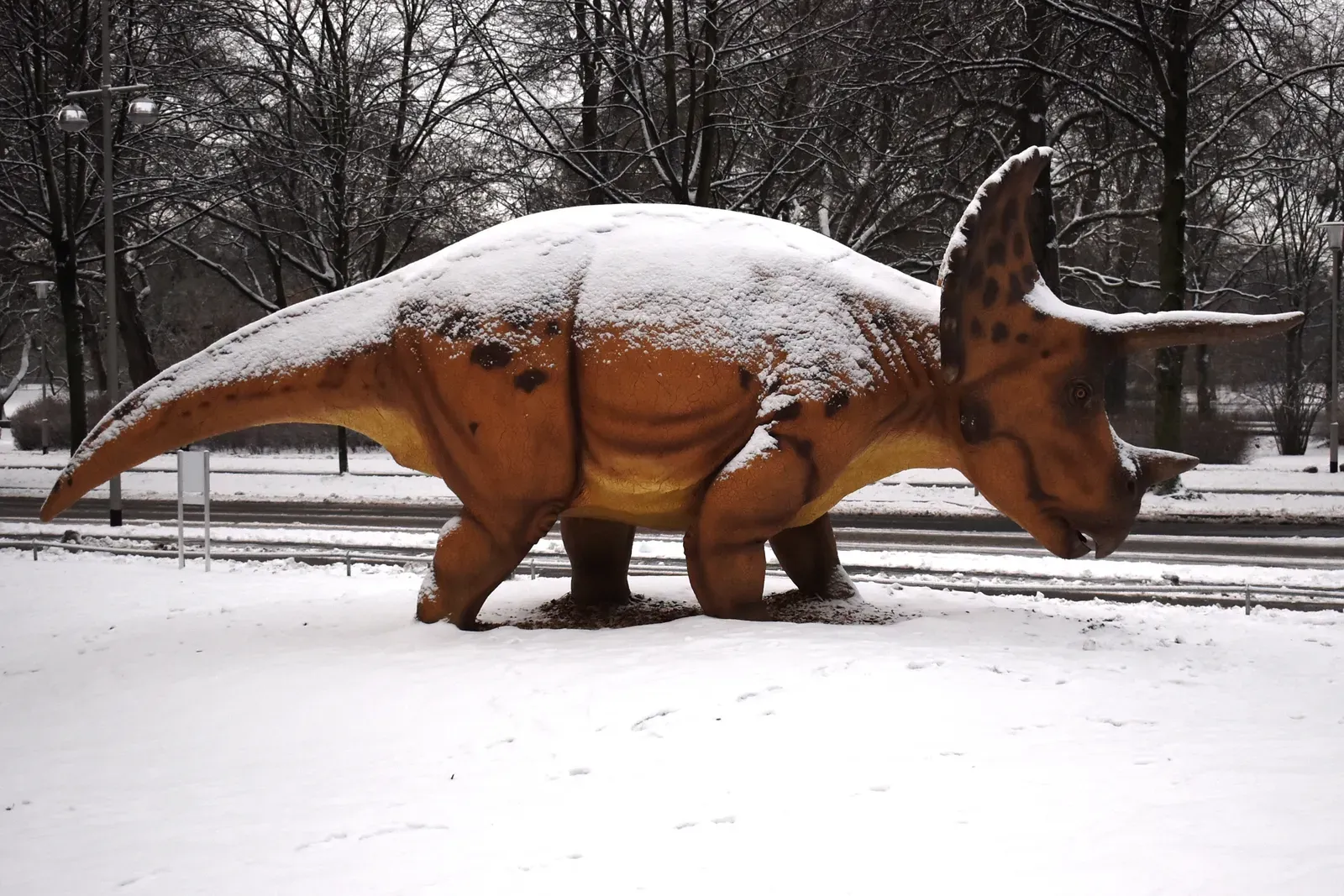
So, could you ever share a planet with a living, breathing Triceratops? Based on everything science currently tells us, the honest answer is almost certainly no. While the idea of resurrecting dinosaurs may sound like a thrilling adventure, the current scientific limitations make it unfeasible. Unlike the dodo and woolly mammoth, dinosaurs have been extinct for millions of years, leaving no living relatives or viable DNA samples to work with.
Yet the journey toward that impossible dream is producing real, meaningful science. The potential implications extend far beyond bringing back dinosaurs. Understanding the genetic basis for specific traits can inform studies on evolution, disease, and even human health. Asking the unanswerable question, it turns out, produces surprisingly useful answers along the way. The dinosaurs may be gone forever, but our obsession with them keeps pushing science forward in ways nobody fully predicted.
In science, the most powerful ideas are often the ones that seem ridiculous at first. The question isn’t always whether we can, but whether the pursuit itself makes us smarter, more careful, and more responsible with the living world we already have. What do you think, would you want dinosaurs back if it were truly possible? Drop your thoughts in the comments.