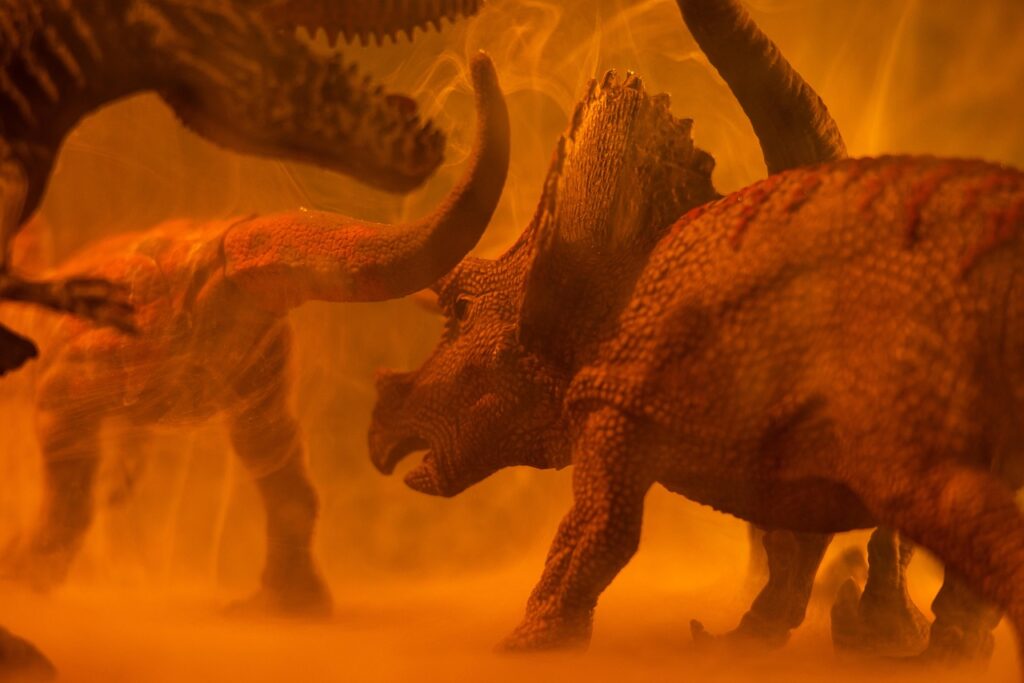
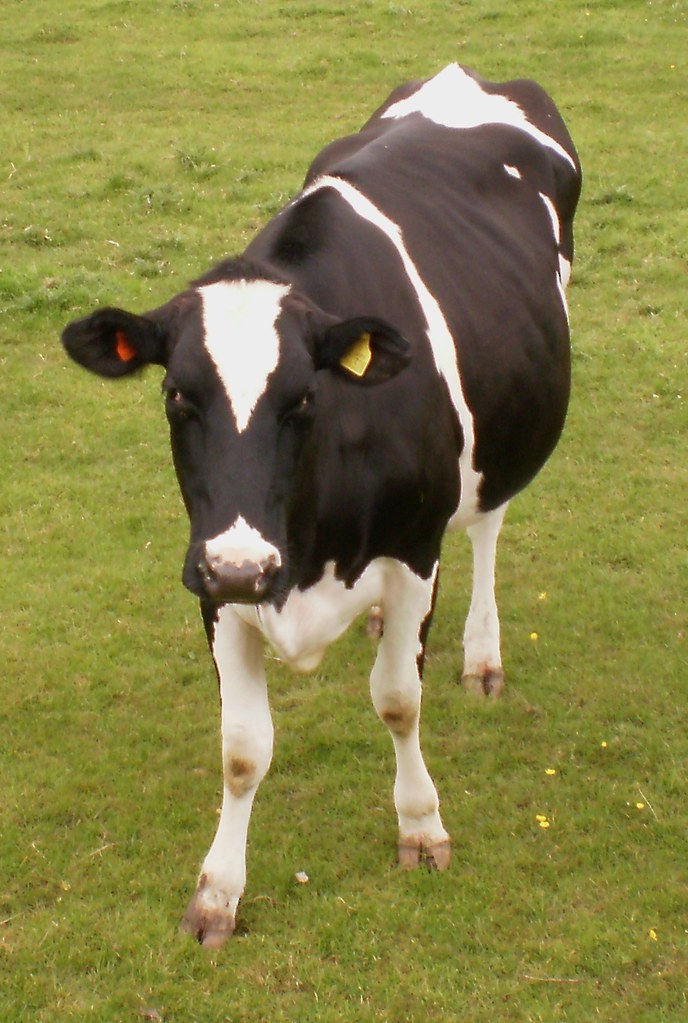
Picture this: you’re standing in a vast meadow, watching a herd of Holstein cows peacefully grazing. Now imagine that same scene, but instead of black and white cattle, massive three-horned beasts with bony frills towering over their heads dominate the landscape. This isn’t science fiction—it’s a glimpse into what Earth looked like 68 million years ago when Triceratops roamed the planet. These ancient titans and today’s docile dairy cows share more than you might think, yet their differences reveal fascinating secrets about evolution, survival, and the incredible diversity of herbivorous life.
The Evolutionary Timeline That Separates Giants
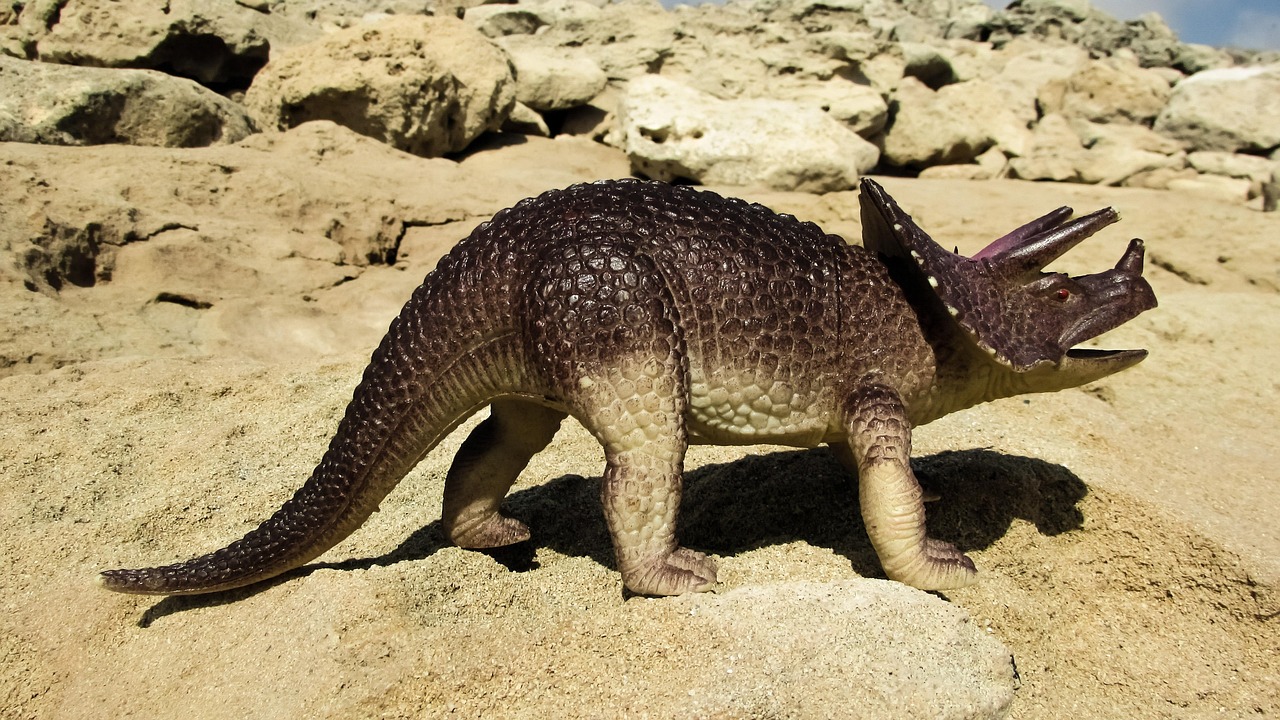
The gap between Triceratops and modern cows spans an almost incomprehensible 68 million years. During the late Cretaceous period, these horned dinosaurs ruled the ancient landscapes of what we now call North America. Their reign ended abruptly with the asteroid impact that wiped out non-avian dinosaurs, clearing the evolutionary stage for mammals to flourish.
Modern cattle, scientifically known as Bos taurus, emerged much later through a complex evolutionary journey. Their ancestors began diverging from other mammals around 95 million years ago, but the cattle we recognize today only appeared through human domestication about 10,000 years ago. This massive time difference means these herbivores evolved completely different strategies for survival in vastly different worlds.
Size Matters: Comparing Prehistoric and Modern Proportions
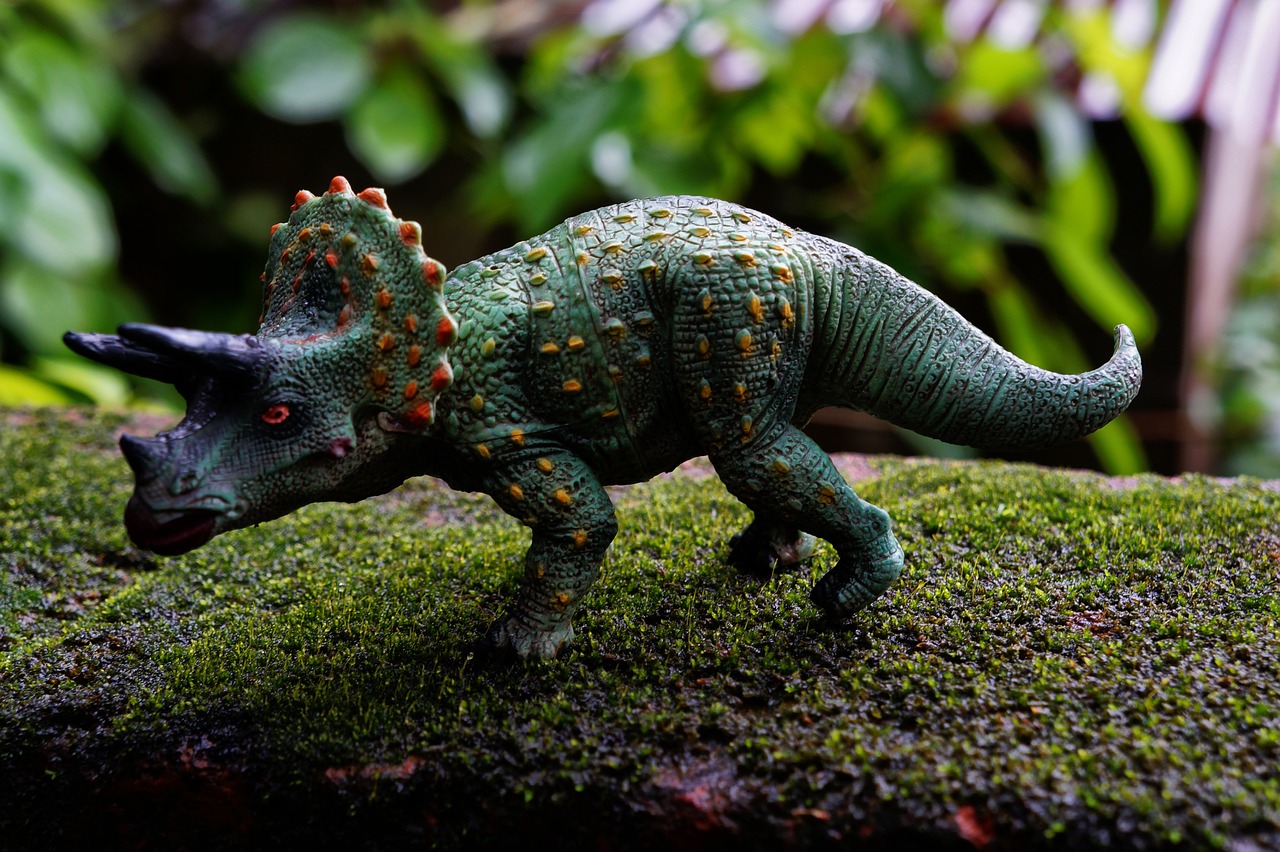
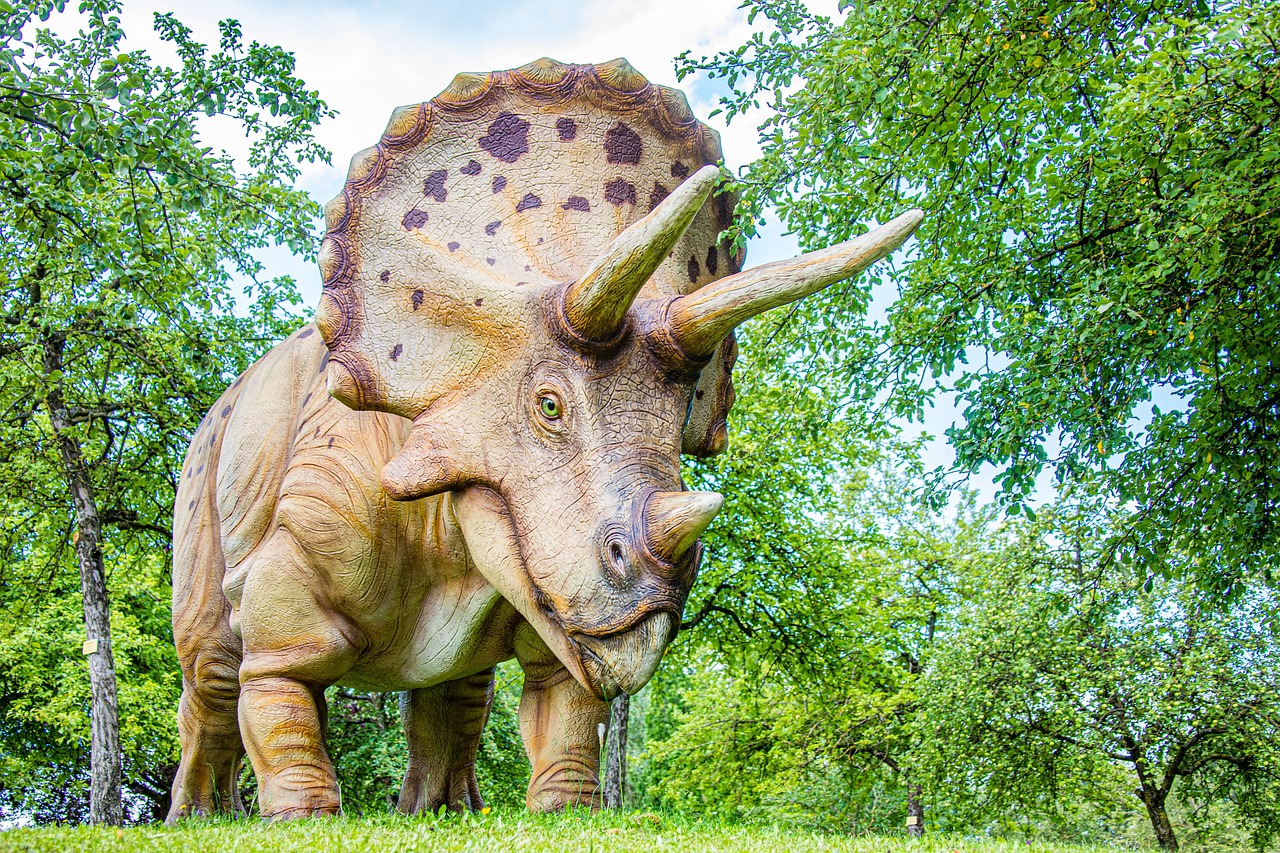
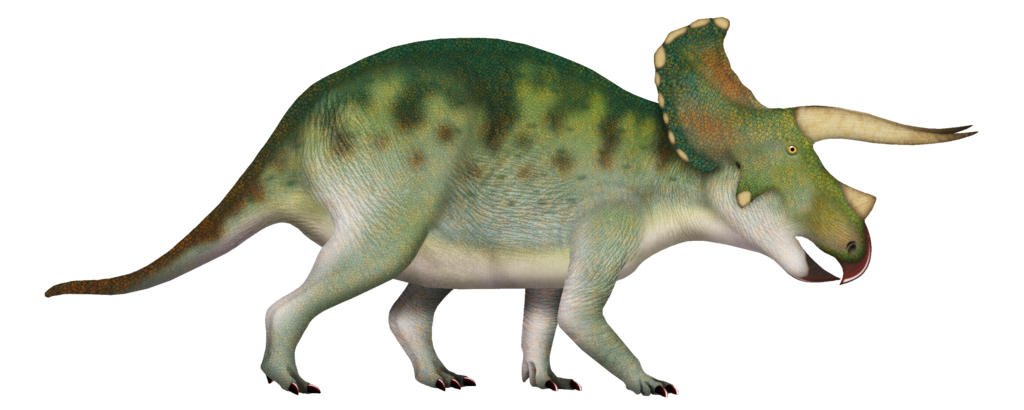
When it comes to sheer physical presence, Triceratops dwarfed even the largest modern cattle breeds. An adult Triceratops stretched up to 30 feet in length and weighed between 6 to 12 tons, making them roughly the size of a large elephant. Their massive skulls alone measured up to 10 feet long, with that iconic bony frill extending even further behind their heads.
In contrast, a typical dairy cow weighs between 1,400 to 1,800 pounds—less than a single ton. Even the largest cattle breeds, like the massive Chianina bulls, rarely exceed 3,500 pounds. This means you could fit approximately six to eight modern cows into the weight of one average Triceratops, highlighting just how enormous these ancient herbivores truly were.
Digestive Strategies: Ancient vs. Modern Plant Processing
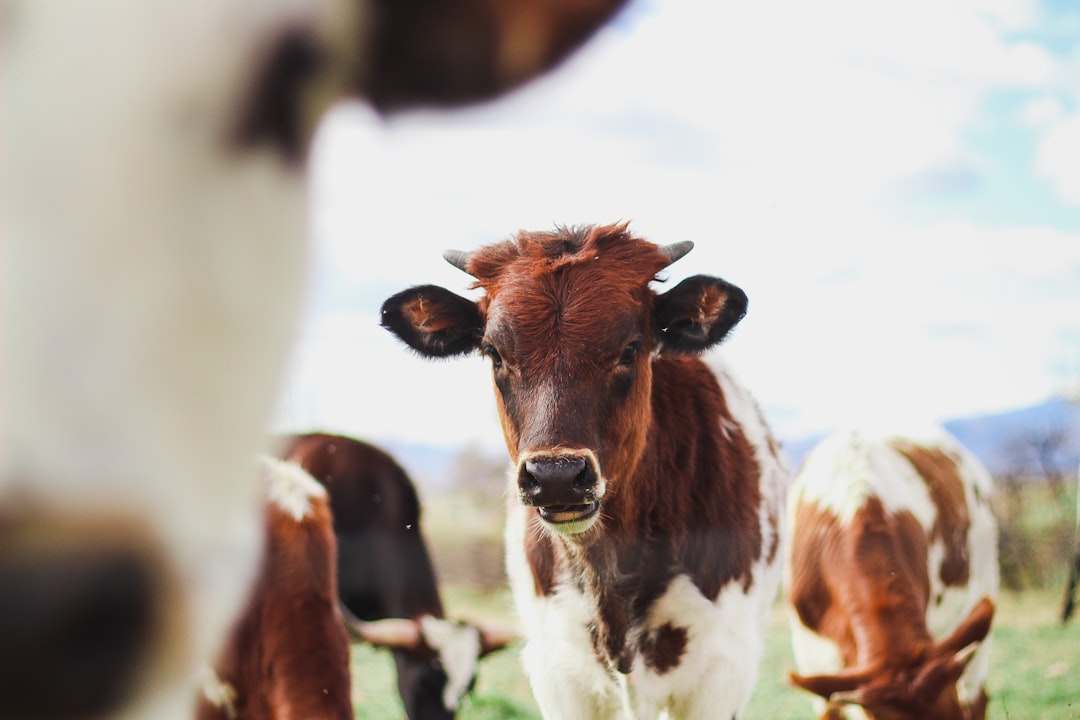
Both Triceratops and modern cows faced the same fundamental challenge: extracting nutrition from tough, fibrous plant material. However, their approaches differed dramatically due to their evolutionary heritage. Triceratops possessed a powerful beak-like mouth designed for slicing through vegetation, followed by batteries of small teeth that worked like living scissors to process plant matter.
Modern cows employ a completely different strategy through rumination—the famous “chewing cud” process. Their four-chambered stomach system allows them to ferment tough grasses and cellulose with the help of beneficial bacteria. This process is so efficient that cows can extract nutrients from plants that would be completely indigestible to humans, converting simple grass into protein-rich milk and meat.
Defensive Weapons: Horns Across the Ages
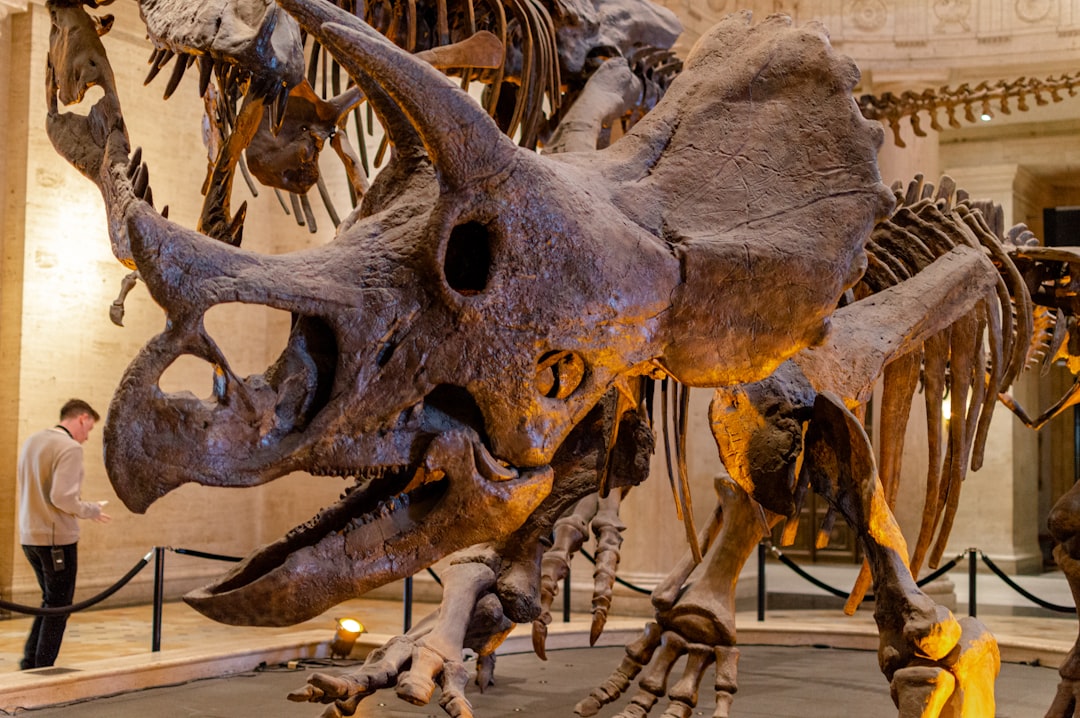
The most striking similarity between these herbivores lies in their impressive horns, though their purposes and construction differ significantly. Triceratops sported three formidable horns—two long ones above the eyes and a shorter one on the nose—along with their massive bony frill. These weren’t just for show; they were sophisticated weapons designed to fend off predators like Tyrannosaurus rex.
Modern cattle horns serve similar defensive purposes but operate on a much smaller scale. These keratin-covered bone projections can still inflict serious damage on predators or rivals. Interestingly, many modern cattle breeds have been selectively bred to be polled (naturally hornless), showing how human intervention has shaped these animals’ defensive capabilities over thousands of years.
Social Structures: Herd Mentality Then and Now
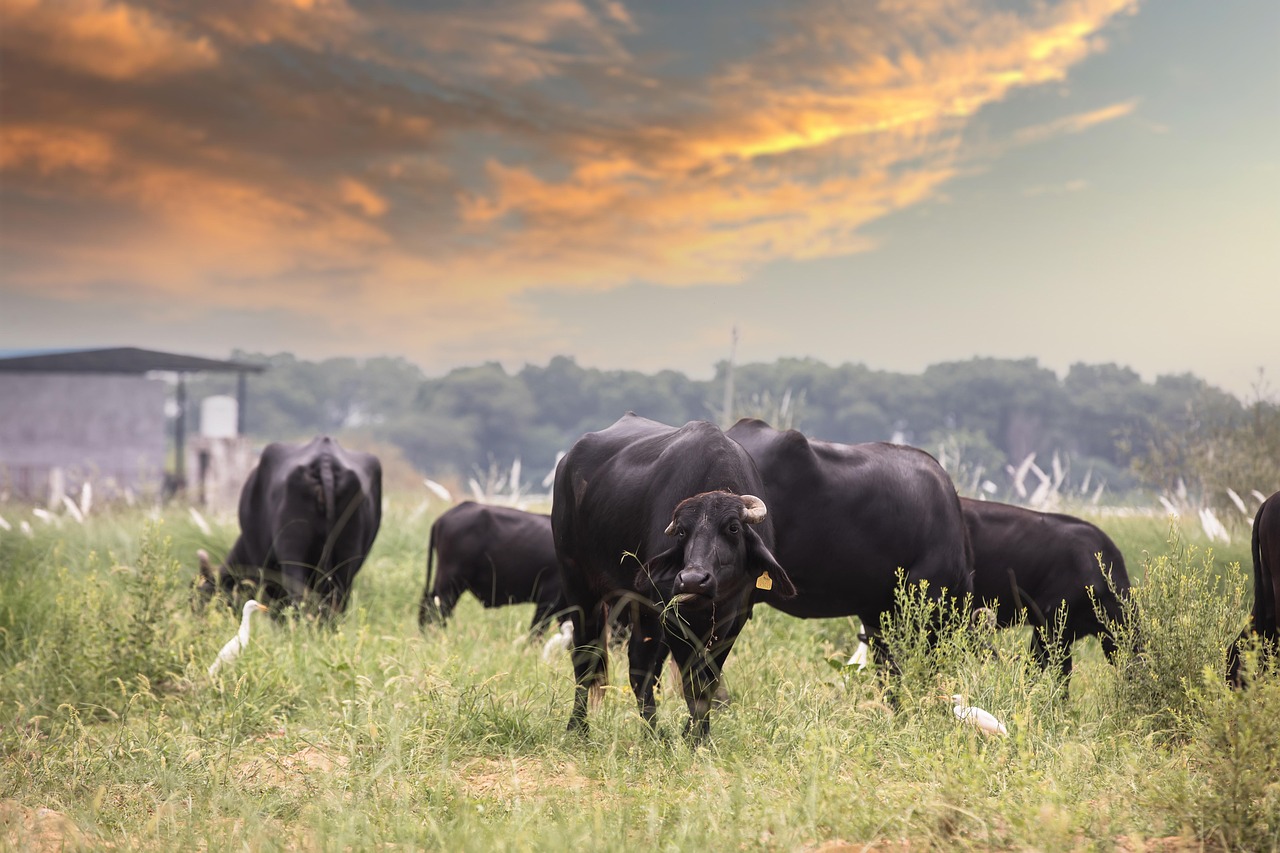
Evidence suggests that Triceratops lived in herds, much like modern cattle do today. Fossil discoveries have revealed bone beds containing multiple individuals, indicating these massive herbivores traveled together for protection and resource sharing. Living in groups provided crucial advantages when facing the apex predators of their time.
Modern cows exhibit sophisticated social behaviors that likely mirror some ancient patterns. They form hierarchies within herds, communicate through various vocalizations, and show remarkable loyalty to their social groups. Young calves stay close to their mothers, while adults maintain complex relationships that can last for years—behavioral patterns that may have roots stretching back millions of years.
Environmental Adaptations: Climate and Habitat Preferences
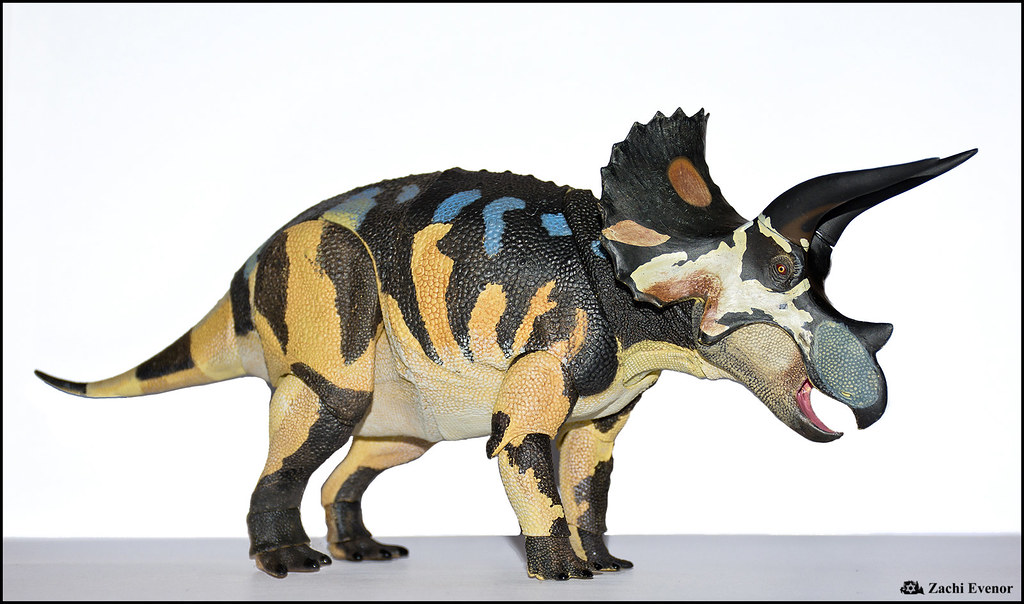
Triceratops thrived in the warm, humid climate of the late Cretaceous period, when sea levels were higher and much of North America was covered by vast inland seas. They inhabited lush coastal plains filled with ferns, cycads, and early flowering plants. Their massive size and robust build were perfectly suited for this tropical environment.
Modern cattle have proven remarkably adaptable to diverse climates and environments worldwide. From the frigid highlands of Tibet to the scorching deserts of Australia, different cattle breeds have evolved specific traits to handle extreme conditions. This adaptability has made them one of the most successful large herbivores on Earth, though their success is largely tied to human management and protection.
Feeding Behaviors: Grazing Patterns and Food Preferences
The feeding strategies of these herbivores reveal fascinating insights into their respective ecosystems. Triceratops were likely browsers and grazers, using their powerful beaks to strip leaves from trees and slice through tough vegetation. Their teeth were continuously replaced throughout their lives, similar to modern sharks, ensuring they always had sharp cutting surfaces.
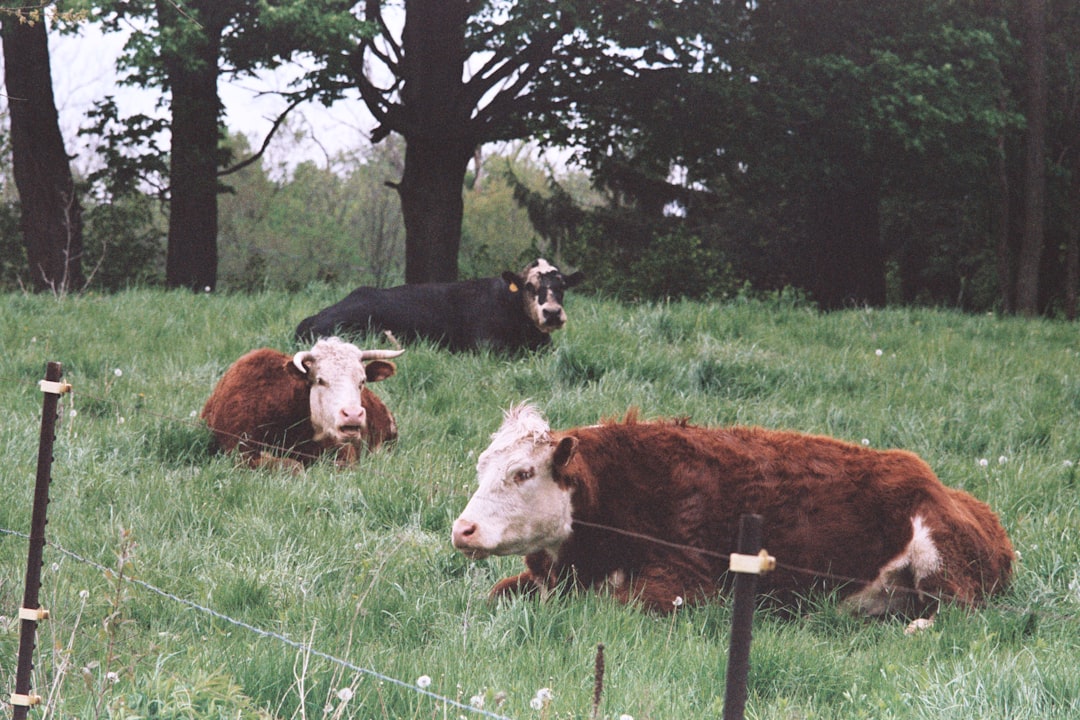
Modern cows are primarily grazers, spending 6-8 hours daily methodically consuming grasses. Their feeding behavior is almost meditative—they use their long tongues to wrap around grass stems and tear them off with their lower teeth. This patient, systematic approach to feeding has made them incredibly efficient at converting marginal grasslands into valuable nutrition.
Reproductive Strategies: Ancient vs. Modern Parenting
While direct evidence of Triceratops parenting behavior is limited, scientists believe these dinosaurs laid eggs in nests, similar to their modern bird relatives. Fossilized eggs attributed to ceratopsians suggest they may have provided some parental care, though the extent remains debated among paleontologists.
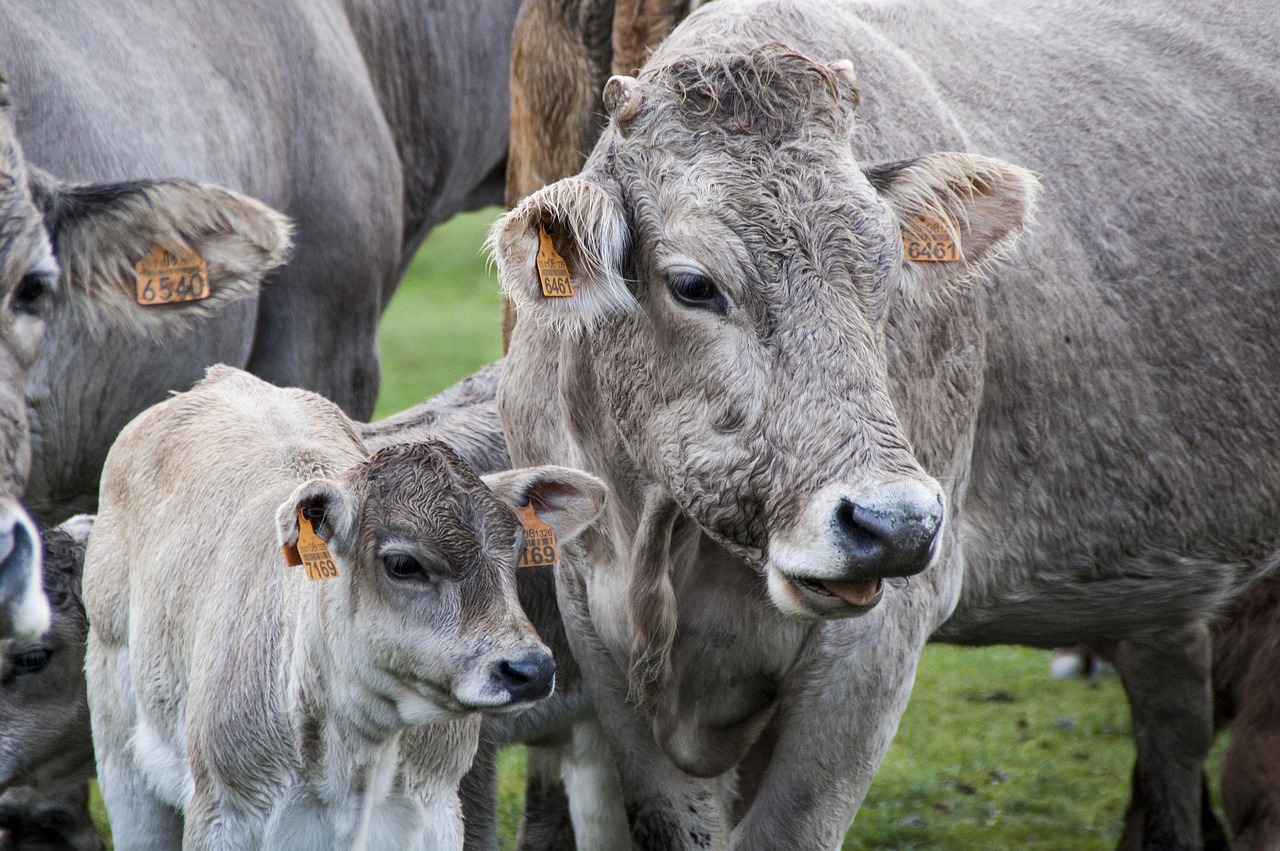
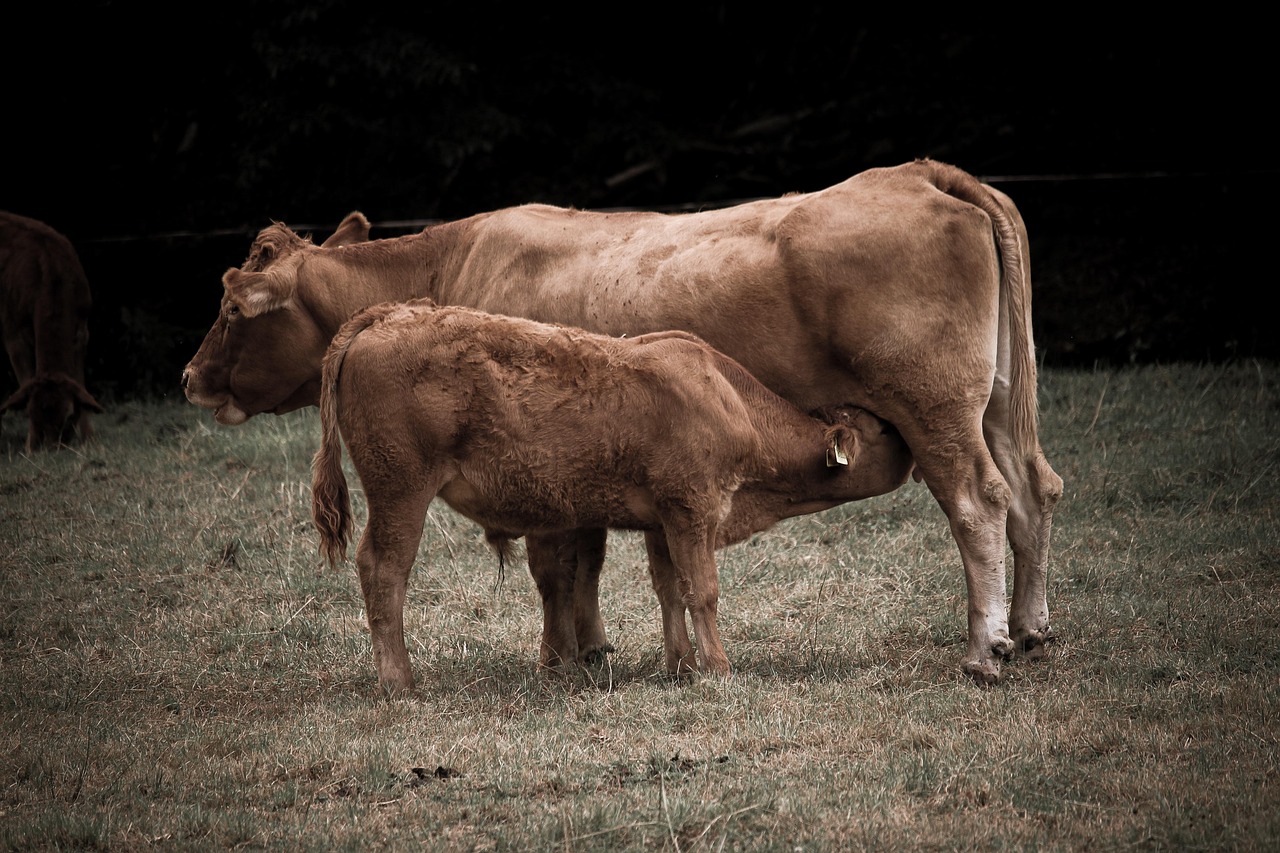
Modern cattle demonstrate sophisticated maternal behaviors that ensure calf survival. Cows form strong bonds with their offspring, nursing them for months and teaching them essential survival skills. The gestation period of about nine months typically produces one calf per birth, representing a significant investment in each offspring’s success—a strategy that has served herbivores well across evolutionary time.
Predator Pressure: Facing Ancient and Modern Threats
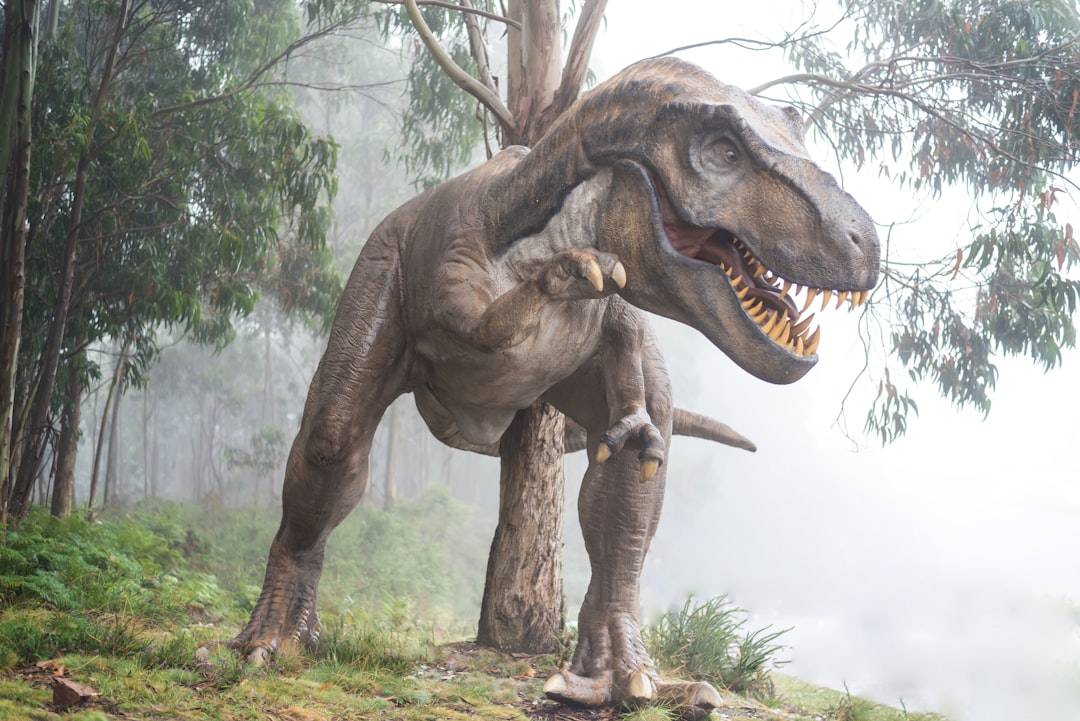
Triceratops faced some of the most formidable predators in Earth’s history, including the mighty Tyrannosaurus rex and packs of smaller but equally dangerous theropods. Their elaborate defensive features—horns, frills, and sheer size—evolved as direct responses to these constant threats. Fossil evidence even shows healed wounds from predator attacks, proving these were real battles for survival.
Modern cattle face relatively few natural predators, thanks largely to human protection and habitat management. Wild predators like wolves, bears, and large cats can threaten calves or isolated individuals, but the primary threats to modern cattle are diseases, parasites, and environmental challenges rather than being hunted for food.
Brain Power: Intelligence and Cognitive Abilities
Triceratops possessed relatively small brains compared to their massive bodies, but this doesn’t necessarily indicate low intelligence. Their brain-to-body ratio was similar to modern reptiles, and they likely possessed enough cognitive ability to navigate complex social structures and recognize potential threats. Recent research suggests dinosaurs may have been more intelligent than previously thought.
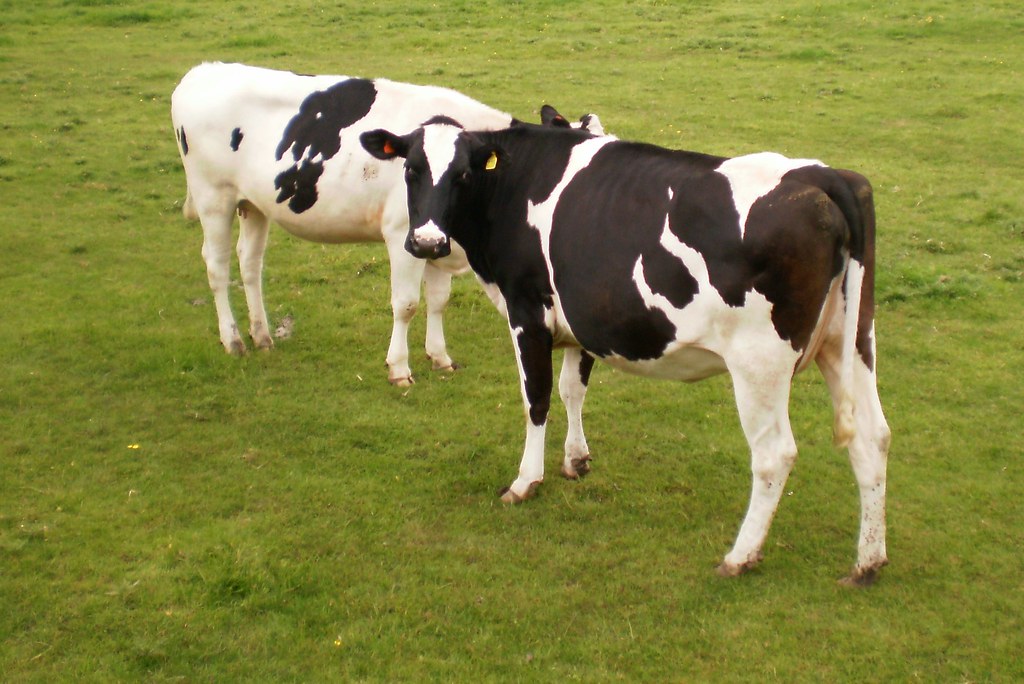
Modern cattle display surprising intelligence that often goes unrecognized. They can learn complex routines, recognize individual humans, and even solve simple problems. Cows have excellent memories and can remember positive or negative experiences for years. Their emotional intelligence includes forming friendships, showing empathy, and even displaying curiosity about their environment.
Bone Structure: Engineering Marvels of Different Eras
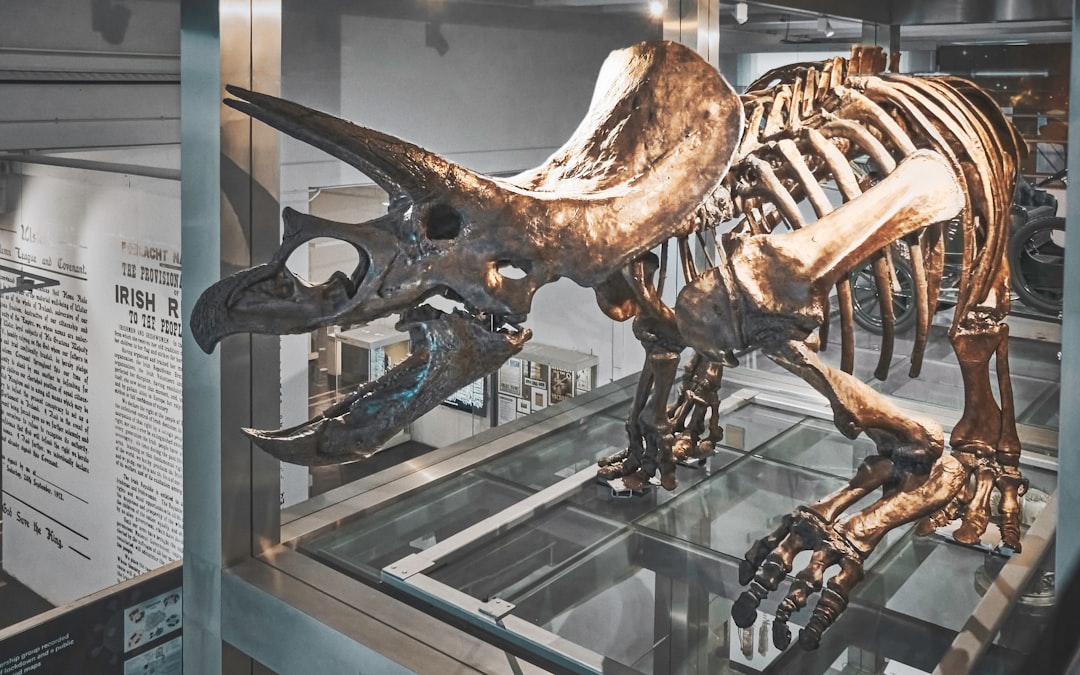
The skeletal architecture of Triceratops represents one of nature’s most impressive engineering feats. Their bones were dense and massive, designed to support enormous weight while providing anchor points for powerful muscles. The famous frill wasn’t just decorative—it served as a crucial attachment site for jaw muscles that generated tremendous bite force.
Modern cattle bones are marvels of efficiency, designed for endurance rather than sheer power. Their leg bones are long and relatively lightweight, perfect for covering vast distances while grazing. The skull structure supports their complex chewing apparatus, while their spine is engineered to support their body weight during long periods of standing and walking.
Metabolic Differences: Energy Management Across Time
The metabolic debate surrounding dinosaurs continues to evolve, but evidence suggests Triceratops may have had a metabolism somewhere between cold-blooded reptiles and warm-blooded mammals. This intermediate state would have allowed them to maintain activity levels while managing the enormous energy costs of their massive bodies.
Modern cattle are warm-blooded mammals with high metabolic rates that require consistent food intake. They convert roughly 10% of their food energy into body mass, making them relatively efficient at transforming plant material into protein. Their metabolism is fine-tuned for constant grazing and milk production, processes that require significant energy expenditure throughout their lives.
Communication Methods: Ancient Signals and Modern Moos
While we can’t hear the sounds Triceratops made, their skull structure suggests they were capable of producing various vocalizations. The large air passages in their skulls could have amplified sounds, possibly allowing for long-distance communication within herds. Some scientists theorize that their frills may have been used for visual displays, much like peacock feathers.
Modern cattle possess a rich vocabulary of sounds, from the familiar “moo” to subtle grunts and bellows that convey different meanings. Mother cows and calves can recognize each other’s calls across great distances, while different vocalizations signal everything from distress to contentment. Their communication also includes body language, with tail position and ear placement conveying important social information.
Survival Legacies: What Each Species Teaches Us
The extinction of Triceratops and their dinosaur contemporaries teaches us about the fragility of even the most successful species. Despite their impressive adaptations and millions of years of evolutionary refinement, they couldn’t survive the catastrophic environmental changes that ended the Cretaceous period. Their fossils now serve as windows into ancient ecosystems and evolutionary processes.
Modern cattle represent a different kind of evolutionary success story—one intertwined with human civilization. Their survival and proliferation demonstrate the power of partnership between species, though this relationship also raises questions about genetic diversity and long-term sustainability. As we face modern environmental challenges, both ancient and contemporary herbivores offer valuable lessons about adaptation, resilience, and the delicate balance of ecosystems.
Conclusion
The comparison between Triceratops and modern cows reveals evolution’s remarkable creativity in solving similar problems across vast periods. While these herbivores lived in completely different worlds, their shared challenges of finding food, avoiding predators, and raising young created parallel solutions that echo across millions of years. Triceratops evolved magnificent horns and armor-like frills, while cows developed sophisticated digestive systems and social bonds. Both species mastered the art of extracting life from plants, though their methods differed dramatically. Perhaps most remarkably, both found success through community living in herds that provided protection, knowledge, and survival advantages that no individual could achieve alone. What other evolutionary parallels might we discover as we continue uncovering the secrets of both ancient and modern life?