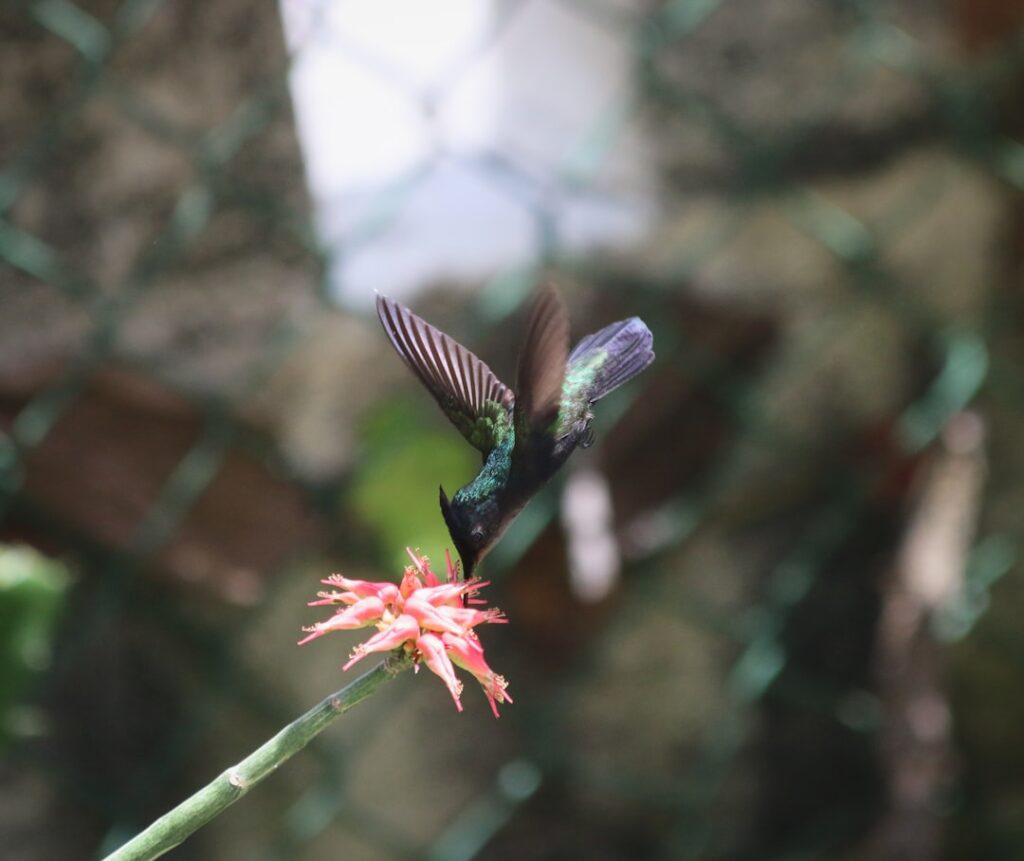
Sanctuary caregivers harvest native flowers and leaves weekly to support possums’ transition from care to the wild.
Stimulating Natural Instincts Through Enrichment
Stimulating Natural Instincts Through Enrichment (Image Credits: Flickr)
Wildlife enrichment emerged as a vital practice in animal care facilities. Keepers recognized that standard diets alone failed to prepare captive animals for freedom. For possums, fresh native plants addressed this gap effectively.
These offerings went beyond mere sustenance. They taught young animals to identify safe wild foods. Natural foraging behaviors strengthened, while physical health improved alongside mental sharpness. Volunteers observed possums engaging more actively, reducing stress in their enclosures.
Designing Gardens for Optimal Nutrition
Sanctuaries planted dense gardens tailored to possum preferences. Eucalypts formed the backbone, joined by acacia, hakea, and kunzea. Flowering species like grevillea and bottlebrush provided nectar-rich treats throughout seasons.
Variety proved essential to maintain interest. Caregivers rotated mixed bouquets into aviaries, sparking immediate curiosity. Such diversity mirrored the unpredictable bounty of natural habitats, honing selective feeding skills.
- Eucalypts: Staple browse for mature possums.
- Acacia and hakea: Tough leaves building jaw strength.
- Grevillea flowers: Energy-packed pollen sources.
- Bottlebrush: Fruits encouraging extended foraging sessions.
- Kunzea: Foliage for scent-based exploration.
Regional Flora for Release Readiness
In the Perth Hills, marri and jarrah trees dominated local forests. Sanctuaries prioritized these species for animals nearing release. Familiarity with their canopies ensured confident treetop navigation post-freedom.
Younger, weaned possums received gentler introductions. Rose flowers and tender leaf tips eased the shift to leaf-eating. Though not native, these softened textures prevented early discouragement, paving the way for harder wild fare.
Long-Term Impact on Wild Populations
Natural foods ranked as the top priority in release protocols. Hand-reared possums faced steep survival odds without foraging proficiency. Enrichment bridged this divide, equipping them to thrive amid forest challenges.
Gardens extended benefits outward. Native plant cultivation sustained wild possums visiting sanctuary grounds. This approach fostered broader conservation, linking captive care to ecosystem health.
Key Takeaways
- Native plants deliver nutrition while teaching wild foraging.
- Varied offerings combat boredom and build skills.
- Local species like marri and jarrah ensure seamless releases.
Enrichment practices like these underscore a simple truth: thoughtful preparation saves lives in the wild. How can communities contribute to such efforts? Share your thoughts in the comments.