Paleontologists have decoded the fur colors of mammals that shared the Earth with dinosaurs during the Mesozoic era. Analysis of preserved melanosomes – tiny pigment organelles – in exceptionally fossilized hairs showed these creatures possessed dark brown pelage without variation or patterns. The discovery challenges assumptions about ancient mammal appearances and underscores their likely nocturnal existence.
Nocturnal Shadows Come to Life
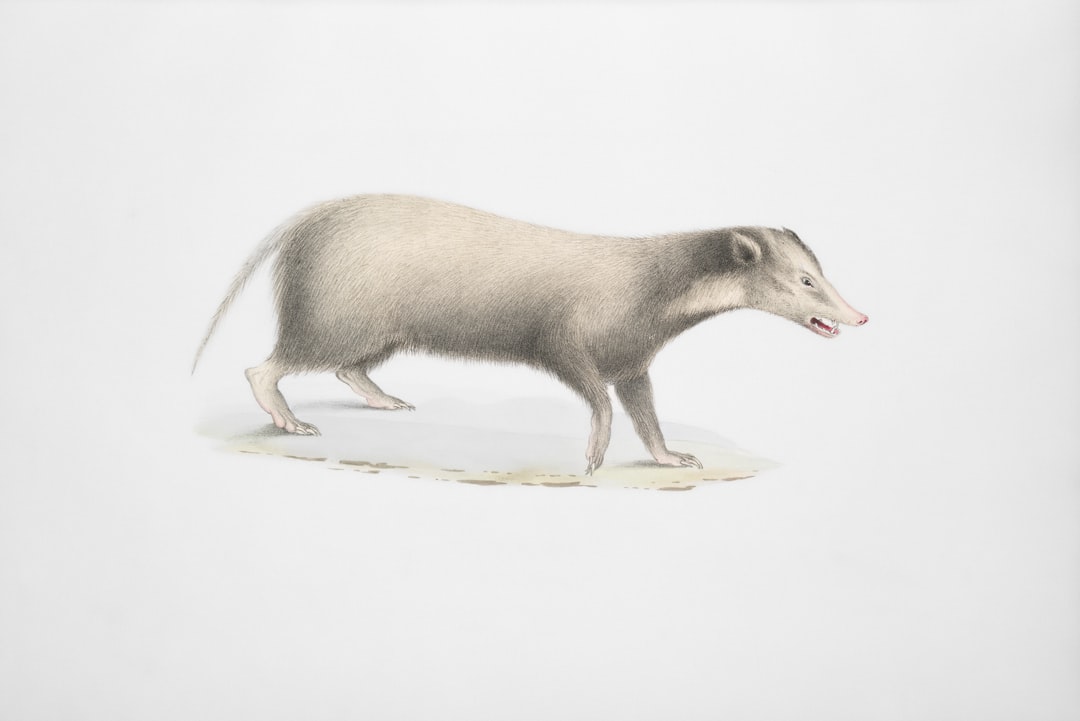
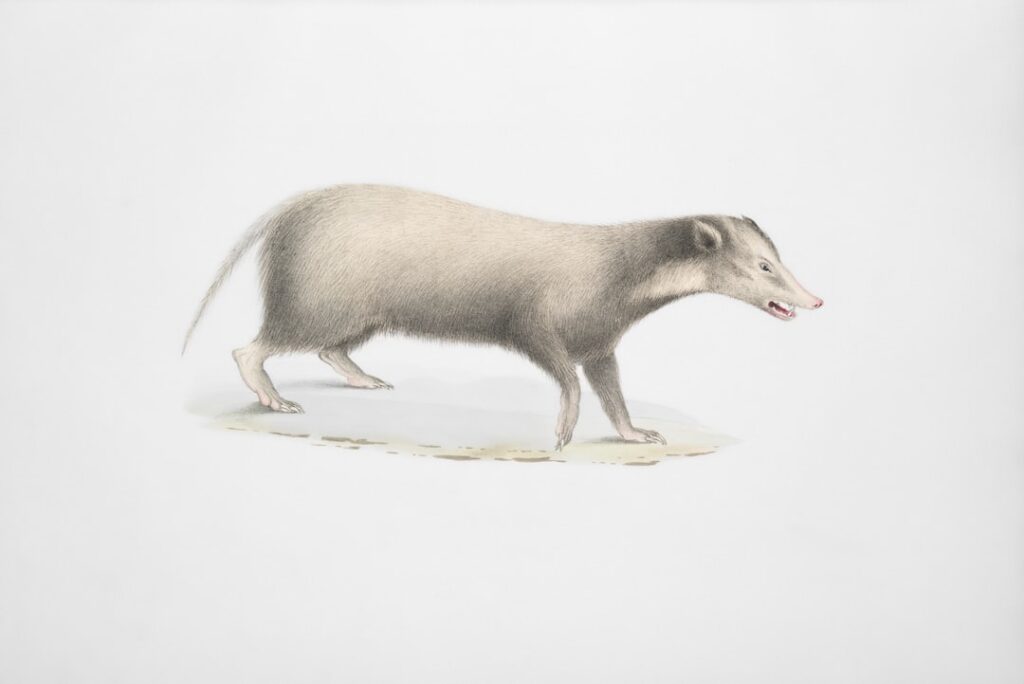
Nocturnal Shadows Come to Life (Image Credits: Unsplash)
Six remarkably preserved fossils from northeastern China’s Yanliao and Jehol biotas offered the first clear glimpse into Mesozoic mammal coloration. Researchers examined melanosomes using scanning electron microscopy and built a predictive model from modern counterparts. The results stunned: every specimen displayed consistent, low-variability melanosomes that pointed to eumelanin-dominated dark brown hues.
These ancient mammals spanned diverse lifestyles – gliders, burrowers, climbers, and ground-dwellers – yet shared the same muted tone. Unlike the iridescent feathers of feathered dinosaurs, which boasted highly varied melanosome shapes, mammal hairs remained stubbornly uniform. This uniformity suggested adaptation to dim environments where blending in proved essential for survival.
The Fossils That Spilled the Secrets
The study centered on specimens dating from the Middle Jurassic to the Lower Cretaceous, roughly 158 to 165 million years old. A newly described species, Arboroharamiya fuscus, stood out as an arboreal glider weighing about 156 grams. Other examples included Megaconus mammaliaformis, a terrestrial form, and Vilevolodon diplomylos, another glider, alongside unnamed docodontans and an early eutherian.
Each fossil preserved hair impressions or three-dimensional melanosome molds. Scientists measured thousands of these structures: for instance, 760 from A. fuscus alone. Oval shapes with aspect ratios under 2 dominated, clustering at the larger end of modern ranges – lengths around 500 nanometers, widths near 400.
- Arboroharamiya fuscus: Late Jurassic, arboreal glider.
- Megaconus mammaliaformis: Middle Jurassic, terrestrial.
- Vilevolodon diplomylos: Upper Jurassic, arboreal glider.
- Docodontan SDUST-V0006: Upper Jurassic, terrestrial.
- Docodontan SDUST-V0007: Upper Jurassic, fossorial burrower.
- Eutherian SDUST-V0008: Lower Cretaceous, scansorial climber.
From Microscope to Color Palette
To interpret these findings, the team first cataloged melanosomes from hairs of 116 living mammals, totaling 2,615 organelles. Spectrophotometry linked shapes to colors: spherical forms yielded brighter reds and yellows, while elongated ones produced dull blacks and browns. Fossil melanosomes fell squarely in the dark category, confirmed by X-ray fluorescence detecting copper (tied to eumelanin) but no zinc (pheomelanin for lighter shades).
Reconstructed reflectance spectra mirrored those of modern nocturnal species like moles, mice, and bats. No evidence emerged of stripes, spots, or countershading. Dr. Neil Adams of the Natural History Museum noted, “As far as I’m aware, this is the first study which uses them to work out the colour and pattern of Mesozoic mammals.”
The high melanin density likely served multiple roles beyond hue. It strengthened hairs against abrasion and aided thermoregulation in cool nights. Yet the primary driver appeared ecological: crypsis in low-light forests teeming with daytime predators.
Survival in a Dinosaur World
Dark, uniform fur aligned perfectly with a nocturnal niche. Mesozoic mammals, often shrew-sized, dodged larger diurnal hunters by foraging under cover of darkness. Enhanced senses – acute smell, hearing, and touch – complemented their shadowy pelage.
Authors concluded that “most small Mesozoic mammaliaforms were likely nocturnal,” a strategy that buffered them through the Cretaceous-Paleogene extinction 66 million years ago. Post-event, survivors radiated into daylight realms, evolving brighter palettes via sexual selection and new diets.
| Fossil | Age (Ma) | Ecomorphotype |
|---|---|---|
| A. fuscus | 158.58 | Arboreal glider |
| M. mammaliaformis | Middle Jurassic | Terrestrial |
| V. diplomylos | Upper Jurassic | Arboreal glider |
| Docodontan V0006 | Upper Jurassic | Terrestrial |
A Burst of Color After Darkness
Modern mammals flaunt reds, purples, and patterns absent in their ancestors. This explosion tied to post-extinction opportunities: warmer climates, abundant food, and vacant niches. Diurnal species like squirrels developed vivid displays, while nocturnal ones retained drab tones.
The study hints at broader applications. Future work on Late Cretaceous fossils could clarify if color hints emerged before the asteroid strike. For now, it cements Mesozoic mammals as masters of stealth.
This window into ancient fur reframes mammal origins as tales of endurance in obscurity. Dark coats not only concealed but conserved energy for a precarious existence. As one researcher observed, the findings highlight “an interesting result, given their range of different lifestyles.”
Key Takeaways
- Mesozoic mammaliaforms across habitats had uniform dark brown fur for camouflage and thermoregulation.
- Melanosome analysis of six fossils contrasted sharply with diverse dinosaur pigments.
- Color diversity in mammals surged after dinosaur extinction, enabling new ecological roles.
These revelations invite reflection on how extinction reshaped life’s palette. What role did color play in your favorite mammal’s evolution? Share your thoughts in the comments.