Amazon rainforest – A burst of iridescent wings glides through the canopy during daylight hours, prompting observers to label it a butterfly, yet such sightings frequently belong to moths.
Moths Dominate in Numbers and Variety
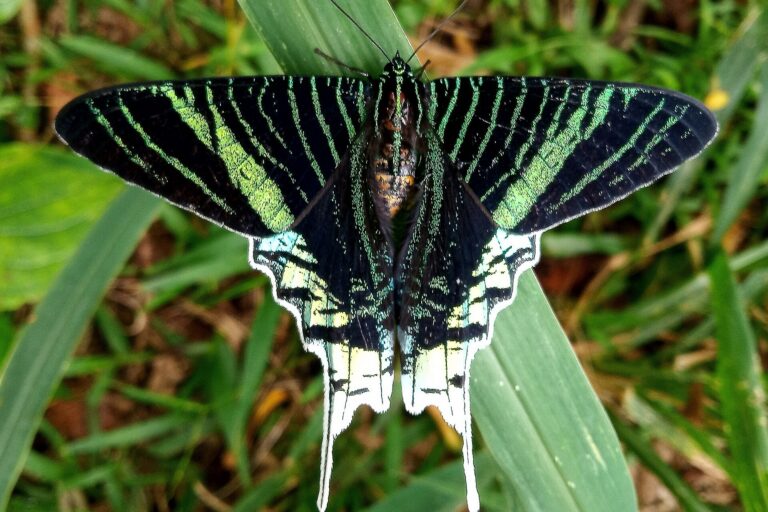
Moths Dominate in Numbers and Variety (Image Credits: Imgs.mongabay.com)
Experts estimate around 18,000 butterfly species exist worldwide. Moths, however, claim a much larger share with more than 160,000 known species. This vast disparity underscores moths’ evolutionary success across diverse habitats. Scientists continue to discover new species, particularly in tropical regions. The sheer volume highlights moths as the true heavyweights among Lepidoptera.
These insects thrive in environments from arid deserts to humid forests. Their adaptability fuels proliferation. Butterflies represent a smaller, more specialized subset. Moths’ dominance shapes ecosystems worldwide.
Debunking Persistent Stereotypes
Many view moths as drab creatures confined to nighttime flights, a notion that overlooks reality. Colorful specimens abound, especially among day-active species. Antennae differences often fuel confusion: butterflies typically feature clubbed tips, while moths display feathery or tapered ones. Still, appearances deceive in broad daylight.
Resting postures add to mix-ups. Butterflies hold wings upright, moths spread them wide. Exceptions abound, blurring lines further. Public perceptions stem from familiarity with common backyard moths. Tropical diversity challenges these views entirely.
Vibrant Day-Flyers of the Amazon
The Amazon hosts striking diurnal moths that rival any butterfly in splendor. Green-banded urania (Urania leilus) dazzles with metallic blue, green, and gold wings, often migrating in massive swarms across the jungle. This species feeds on specific vines and rests along riverbanks. Dioptinae subfamily members, prevalent in Neotropical forests, evolved daytime habits independently. Their bold patterns serve camouflage and warning functions.
Observers in Peru and Ecuador report waves of these insects creating living tapestries in the air. Such displays occur regularly, not just during migrations. Local vines provide essential nectar and host plants. These moths underscore the rainforest’s insect richness.
| Feature | Butterflies | Moths |
|---|---|---|
| Global Species Count | ~18,000 | ~160,000 |
| Typical Activity | Diurnal | Nocturnal (many diurnal) |
| Color Palette | Vibrant | Often vibrant in tropics |
Ecological Significance and Observation Tips
Moths pollinate night-blooming flowers, complementing butterflies’ daytime roles. In the Amazon, diurnal species contribute to broader networks. Their migrations signal healthy ecosystems. Conservation efforts increasingly recognize moths’ value alongside butterflies.
Spot them near rivers or flowering vines during morning hours. Binoculars reveal subtle scale iridescence. Patience yields rewarding encounters. These insects invite closer inspection beyond surface judgments.
Key Takeaways
- Moths vastly outnumber butterflies, with over 160,000 species globally.
- Many Amazon moths fly by day and boast vivid colors like metallic blues and greens.
- Antennae and resting posture offer reliable identification clues amid similarities.
Moths reveal nature’s complexity, proving beauty transcends labels. Next time a winged jewel appears in daylight, consider its true identity. What encounters have you witnessed? Share in the comments.