Dubai – Colossal Biosciences turned heads at the World Governments Summit with the launch of its groundbreaking bio vaults initiative. Founder and CEO Ben Lamm described bringing back extinct species as “the most exciting thing in 2026,” pairing revival efforts with urgent preservation strategies. The company targets prehistoric megafauna like the woolly mammoth and dire wolf while confronting the sixth mass extinction. These developments aim to avert the potential loss of up to 50 percent of global biodiversity by 2050.
Launch Sparks Global Interest
Launch Sparks Global Interest (Image Credits: Pexels)
Ben Lamm’s proclamation at the summit captured immediate attention from world leaders. “I think the most exciting thing in 2026 is bringing back extinct species and also protecting them through bio vaults, which we’re launching here at the World Governments Summit,” he stated. Attendees from Malaysia and Africa approached him afterward, seeking ways to apply the technologies to their own endangered species. The event highlighted Colossal’s role as the world’s first de-extinction and species preservation company.
This dual focus resonated strongly. Lamm emphasized that public awareness of the extinction crisis remains low, yet humanity accelerates the sixth mass extinction. The summit provided the ideal platform, drawing policymakers eager for innovative solutions.
BioVaults: A High-Tech Ark for Tomorrow
Colossal announced plans for the world’s largest genetic biovault at Dubai’s Museum of the Future on February 3, 2026. The facility will store biological samples from more than 10,000 species in freezers reaching -320°F, complete with an on-site lab and digital library for global researchers. Partnerships with 75 organizations will gather samples from wild populations worldwide.
Set to open in 2027, the vault initially targets the 100 most at-risk species. It serves both preservation and de-extinction goals, ensuring DNA backups even if populations vanish from the wild. Lamm noted, “The world urgently needs a true backup plan.” An educational component invites visitors, including children, to observe the science firsthand.
- Snow leopard
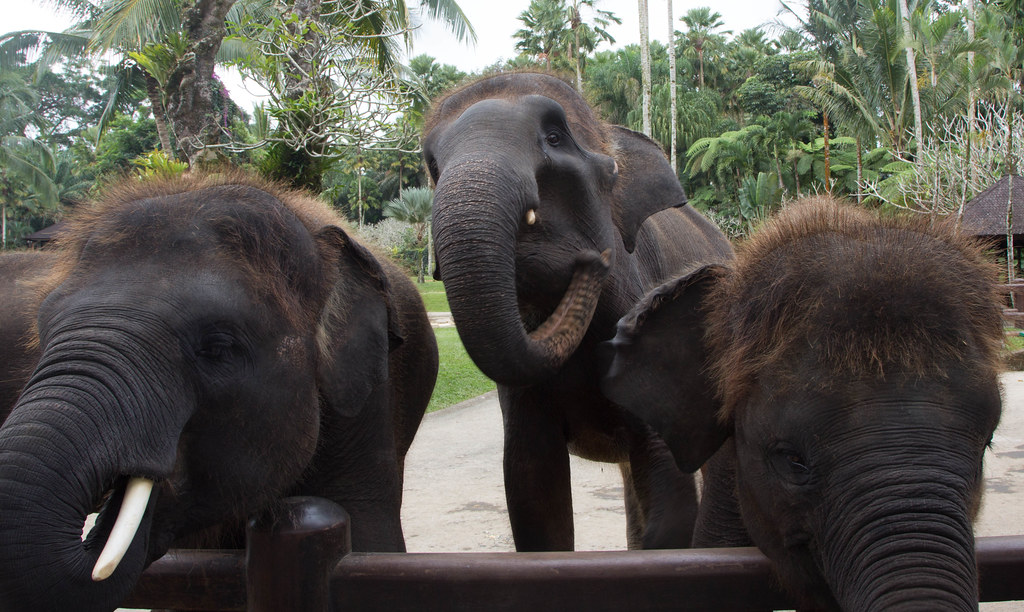
- Savanna elephant
- Great white shark
- White rhino
Proof in the Lab: Woolly Mouse and Dire Wolf Revivals
Colossal demonstrated tangible progress with the world’s first woolly mouse, engineered in 2025 by inserting mammoth traits into mice. The rodents now sport dense, curly, golden-brown coats suited for cold adaptation, validating multiplex genome editing techniques. This step paves the way for larger-scale mammoth de-extinction.
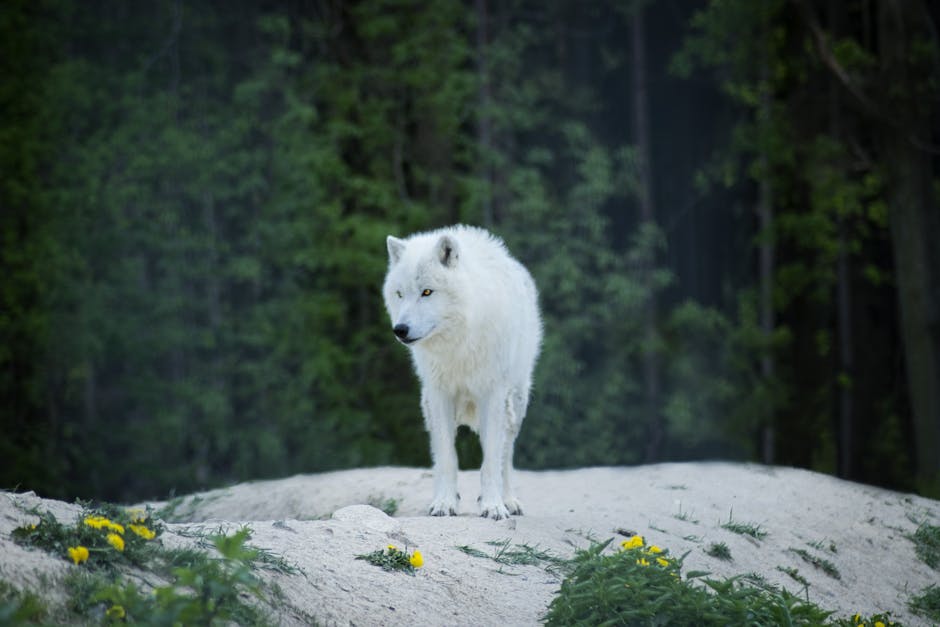
The company also revived dire wolf traits using DNA from a 73,000-year-old skull and a 13,000-year-old tooth. Pups like Remus, Romulus, and Khaleesi exhibit the predator’s distinct genetics, intelligence, and physical features after 12,000 years of extinction. These achievements showcase gene editing’s power to restore lost diversity, with no plans for wild release but focus on tool development for conservation.
Tackling the Extinction Crisis Head-On
Lamm warned that up to 50 percent of biodiversity could vanish by 2050 without intervention. Bio vaults form a critical “extinction toolkit,” preserving lesser-known species alongside charismatic megafauna. Colossal links this work to climate change mitigation, arguing that robust ecosystems aid carbon sequestration and resilience.
The company’s projects extend beyond mammoths and wolves to include the dodo bird. By combining de-extinction tech with vaults, Colossal addresses both immediate threats and long-term recovery. Global expansion plans include additional BioVaults to create a distributed network.
Key Takeaways
- BioVaults target 10,000+ species, starting with 100 at-risk animals for preservation and potential revival.
- Woolly mouse proves mammoth trait engineering; dire wolf pups restore ancient genetics.
- Amid sixth mass extinction, these efforts aim to prevent 50% biodiversity loss by 2050.
Colossal Biosciences bridges yesterday’s losses with tomorrow’s safeguards, offering hope in a precarious era. As genetic arks rise, the prospect of restored ecosystems grows nearer. What do you think about blending de-extinction with preservation? Tell us in the comments.