Picture yourself standing in a dense forest millions of years ago. The ground trembles slightly. Through the trees, you spot a massive horned creature grazing peacefully, its body covered in bony plates and spikes jutting from its shoulders. In the distance, a predator watches and waits. This scene played out countless times during the Mesozoic Era, when survival wasn’t guaranteed and every day meant facing down some of the most dangerous carnivores ever to walk the Earth.
How did plant-eating dinosaurs survive in such a brutal world? It’s a question that’s fascinated scientists for generations. These weren’t passive victims waiting to become lunch. Far from it. They evolved an astonishing arsenal of defensive strategies that would make modern military engineers jealous. Let’s be real, when you’re up against something like Tyrannosaurus rex with its bone-crushing jaws, you’d better have a Plan B. Or C. Or maybe the whole alphabet.
The Living Fortresses: Body Armor That Could Stop a Predator
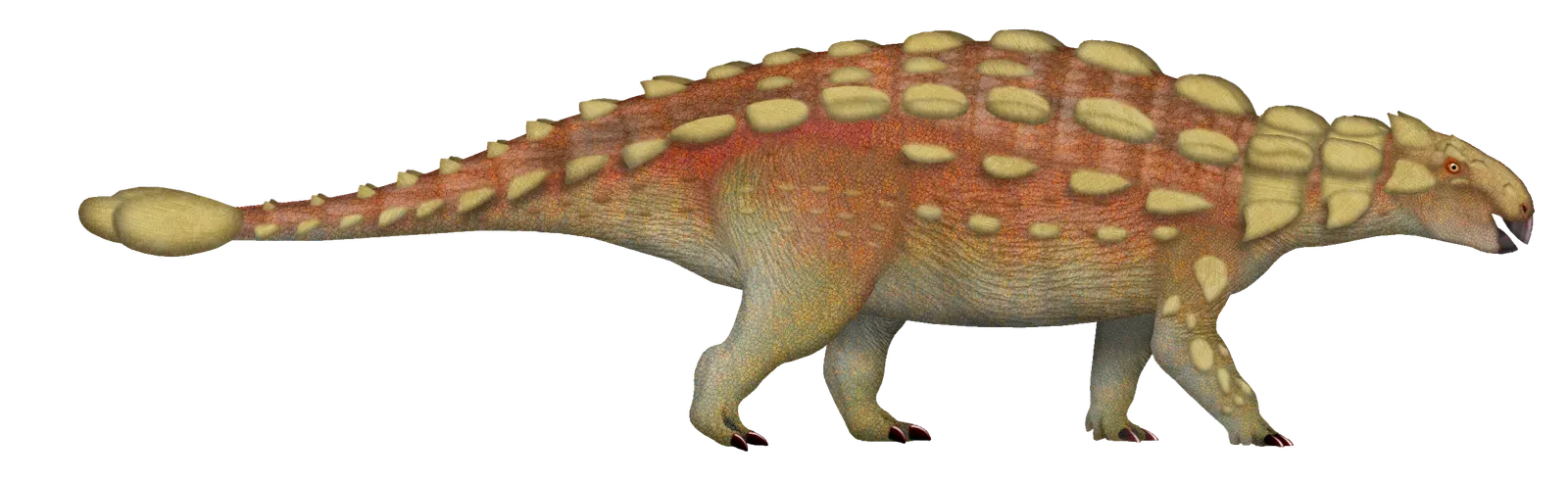
Ankylosaurus lived around 70 to 66 million years ago and was equipped with a large tail club capable of defending itself against carnivorous theropods like Tyrannosaurus rex. Think about that for a second. This heavily armored dinosaur reached up to 8 meters long and its body was covered in thick, bony plates called osteoderms, which were embedded in its skin and provided protection from predators.
Recent calculations suggest that nodosaurs could likely handle over 125,000 joules of energy per square meter, similar to the force of a high-speed car crash, leading researchers to describe them as wearing a bulletproof vest over plate armor. That’s not just impressive defensive engineering. That’s prehistoric tank warfare. These osteoderms consisted of large, interlocking structures that provided extensive protection to the thoracic region while being arranged to maximize coverage and maintain flexibility for breathing and movement.
Spikes and Plates: When Defense Becomes Offense
A dinosaur that roamed modern-day Morocco more than 165 million years ago had a neck covered in three-foot long spikes, a weapon on its tail and bony body armor. The recently discovered Spicomellus represents something extraordinary in dinosaur evolution. The largest spikes on this dinosaur measured 87 centimeters long and emerged from a bone collar around its neck, though they would probably have been even longer when alive, and this collar was unlike anything seen in other ankylosaurs.
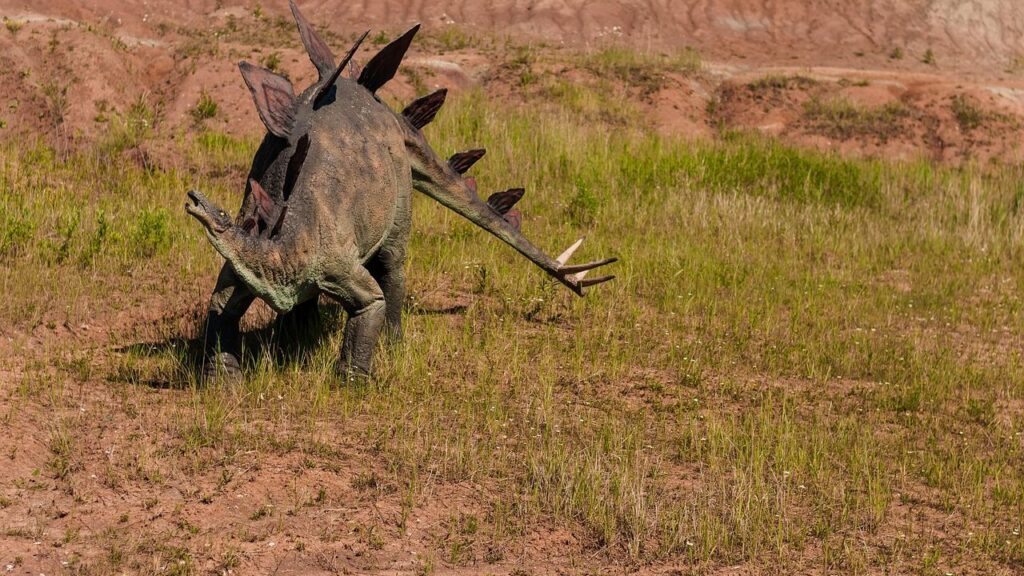
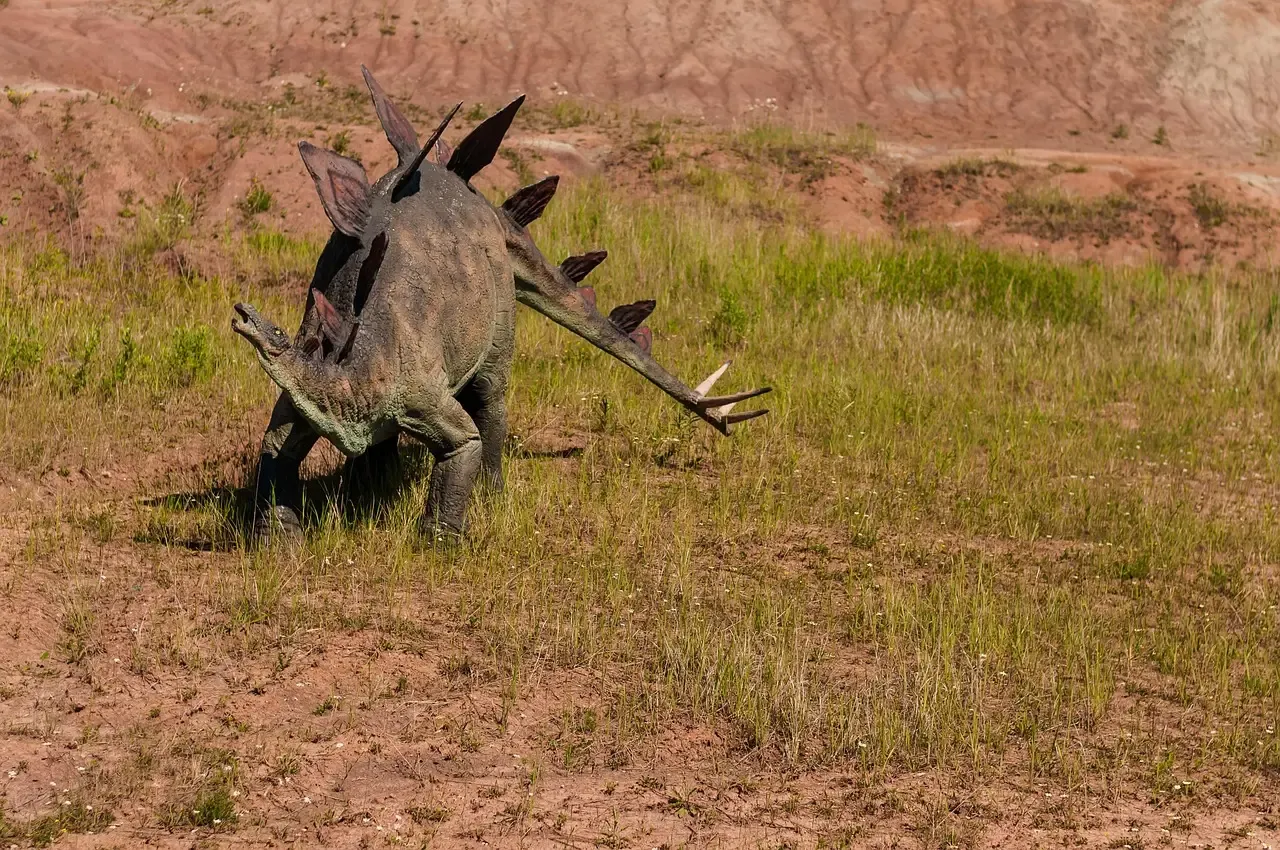
Stegosaurus used its tail for protection with flexible, spiked tails that had four spikes which likely caused considerable damage to any hunter, and one swing from their powerful tail would make a predator back off or face further damage. Scientists have even found fossil evidence suggesting these tail spikes could deliver fatal blows. Here’s the thing: these weren’t just defensive accessories for show. They were legitimate weapons that could turn the tables on an attacker.
The Tail Club: Nature’s Sledgehammer
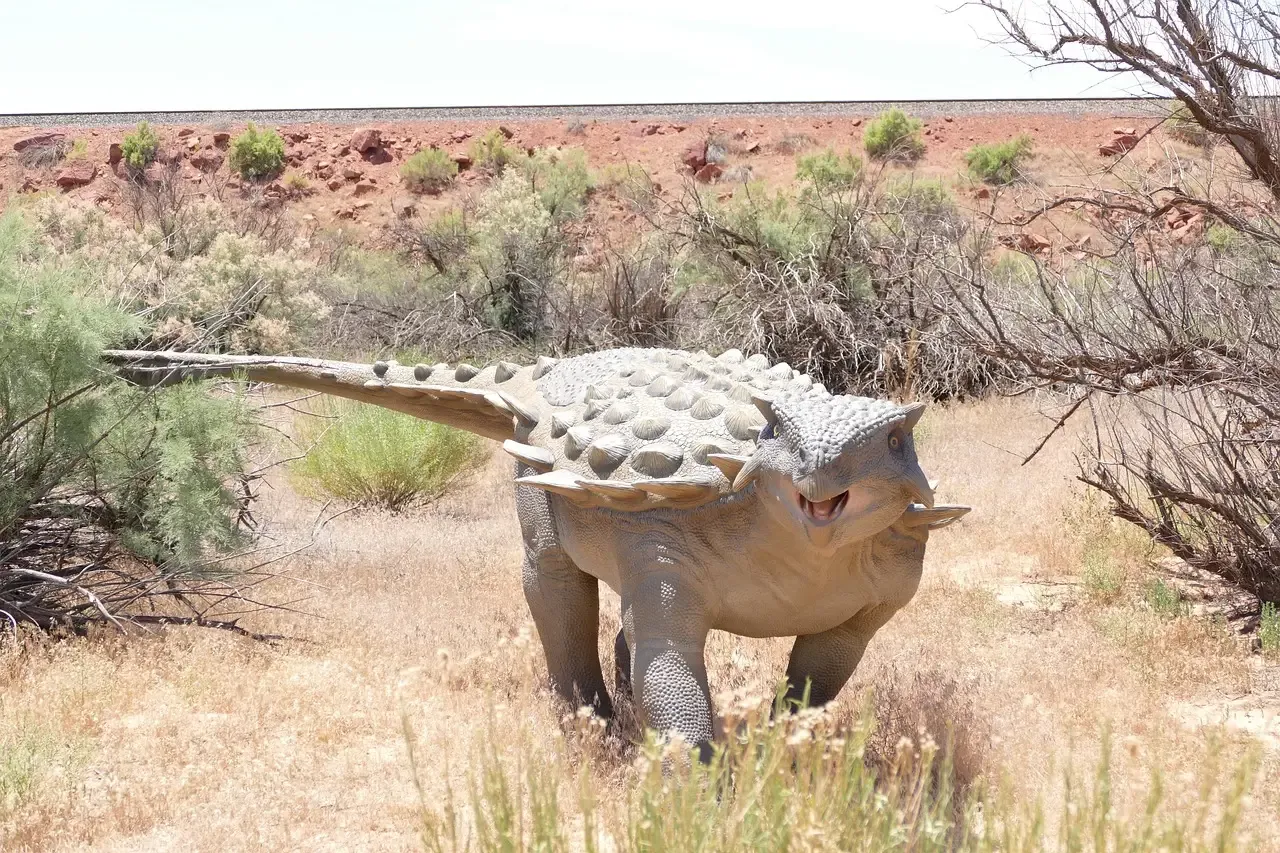
Ankylosaur tails measured up to 10 feet long with rows of sharp spikes along the sides, and the tail’s tip was fortified with bony structures creating a club that could swing with the force of a sledgehammer. Honestly, it’s hard to imagine how devastating this would be in combat. The ability to swing the tail club with substantial force was deemed a critical defensive adaptation particularly effective against large theropod predators, with Ankylosaurus’s larger and more compact tail club likely used to yield significant impact forces primarily for defense.
A study revealed spikes on one ankylosaur’s flanks that were broken and healed while the animal was still alive, with researchers believing the injuries were caused when another ankylosaur slammed its tail club into the dinosaur. This suggests these weapons weren’t just for predators. They were used in territorial disputes and maybe even mating competitions. Nature can be brutal, even among herbivores.
Horns as the Ultimate Deterrent
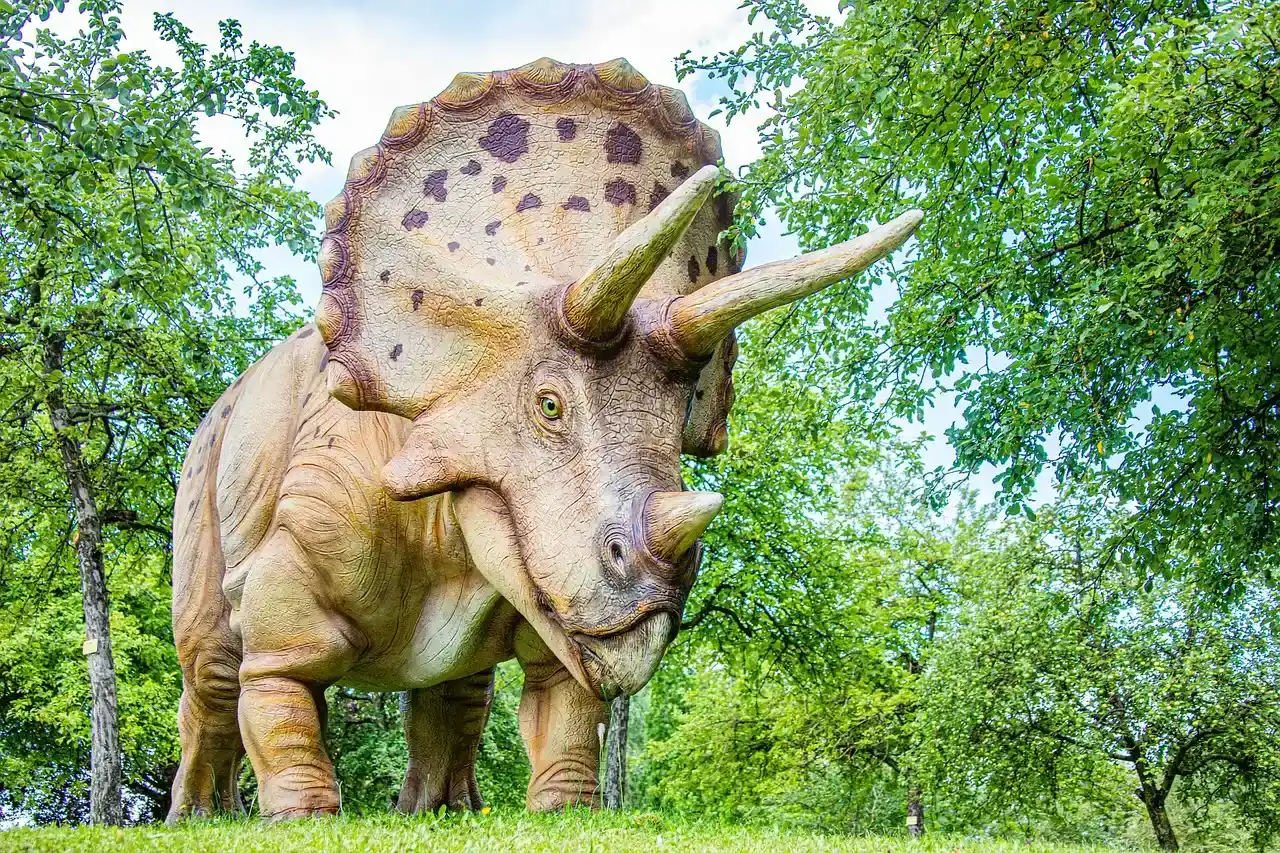
Triceratops had a skull making up nearly a third of its total body length as one of the most formidable natural defenses of any plant-eating dinosaur, with brow horns reaching up to a meter long possibly used in battles with rivals or against Tyrannosaurus, and unlike other herbivorous dinosaurs that relied purely on size or speed, Triceratops may have been capable of delivering fatal wounds to attackers. That’s not a defensive posture. That’s an offensive capability.
Many dinosaurs had horns but Triceratops was among the most iconic horned herbivores, and some ceratopsians like Kosmoceratops richardsoni had 15 horns that were huge, durable, and sometimes incredibly sharp. Multiple horns offered versatility in defense. You couldn’t approach these animals from any angle without facing potential impalement. Horns would protect them from predators planning an attack, with these plant-eating dinosaurs having quite a bit in common with modern rhinoceroses as they likely lived in herds and had one of their three horns at the tip of their nose.
Whip-Like Tails: The Sonic Boom Defense
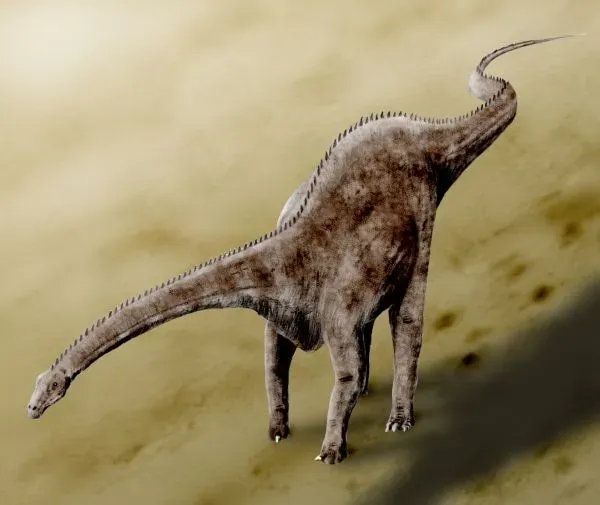
Heavy and lumbering sauropods such as Diplodocus could inflict stinging blows on attackers with their tapered whip-like tails as their main form of defense, with the ends made up of narrow cylinder-shaped bones designed to lash out sharply, and the mere sound of the tail cracking may have scared away a predator. Let that sink in for a moment. These dinosaurs potentially created sonic booms with their tails.
A 1997 biomechanics study suggested that Apatosaurus and other sauropods really could crack their tails like whips. An Apatosaurus tail weighing more than 3,000 pounds is roughly 3 feet wide at its base and gradually tapers to the width of a human thumb, with simulations showing a wave traveling down such a tail could reach speeds of 1,300 miles per hour and generate a boom at an estimated 200 decibels rivaling a massive naval gun. That’s louder than a jet engine at close range. Imagine being a predator and hearing that crack echo through the forest.
Speed and Agility: Outrunning Death
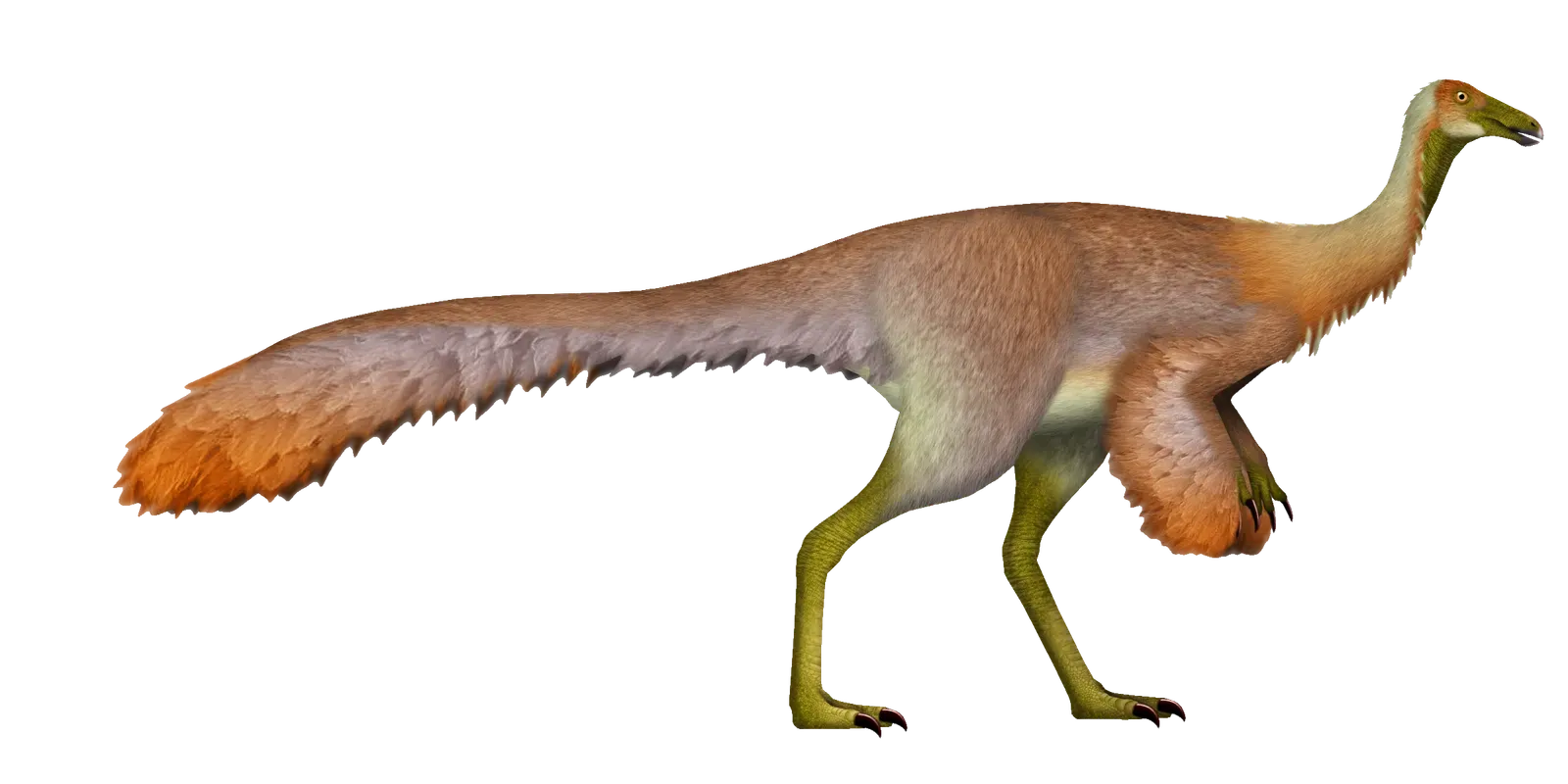
By measuring their legs and comparing their shape to modern animals, experts estimated that Gallimimus reached speeds of 56 kph, almost as fast as a racehorse and certainly speedy enough to evade capture by a larger predator such as Tyrannosaurus. Not every dinosaur needed armor when you had legs like that. Speed was perhaps the most elegant defense mechanism because it required no direct confrontation.
For dinosaurs whose only defense was size, it was a good idea to grow quickly, and that’s exactly what Hypacrosaurus did, reaching its towering size in record time and growing much faster than the predators that hunted it. This represents a fascinating evolutionary arms race. Hypacrosaurus grew two to four times faster than the predators that hunted it, meaning even though Albertosaurus would eventually outsize its prey, it was only half-sized by the time its quarry was fully grown. Talk about a growth spurt strategy.
Safety in Numbers: The Herd Defense Strategy
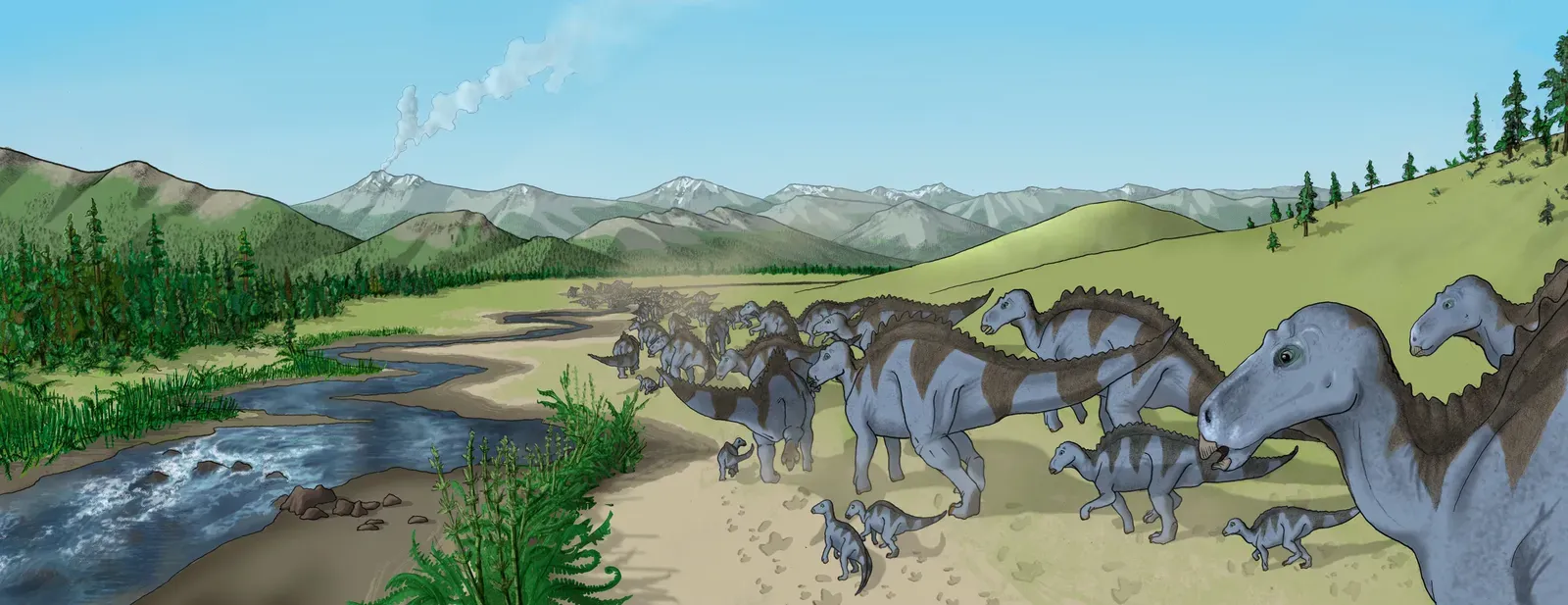
Group protection strategies were particularly important for herbivorous dinosaurs, with many traveling in herds or packs allowing for safety in numbers, and this cooperative defense behavior provided multiple pairs of eyes to keep a lookout for predators while increasing their collective ability to deter or evade threats. There’s strength in numbers, and dinosaurs knew it millions of years before humans figured it out.
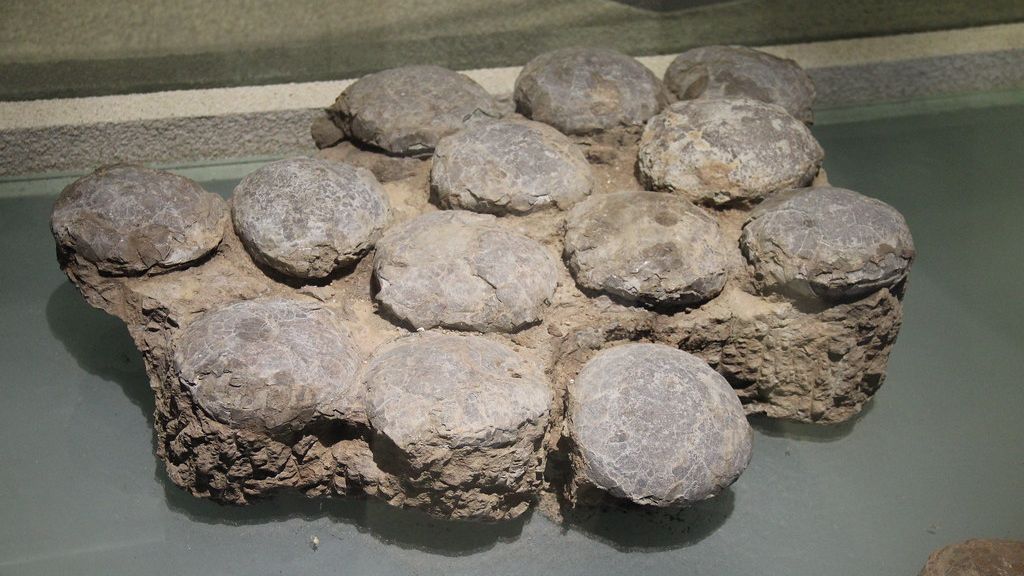
The discovery of herding behavior in dinosaurs sheds new light on their migration patterns and defensive strategies, as living in herds allowed dinosaurs to better defend themselves against predators and avoid being targeted individually, with collective migration helping them take advantage of favorable seasonal conditions and find suitable nesting sites. Think about wildebeest migrations in Africa today. Now scale that up to creatures weighing several tons. Trackways of hundreds or even thousands of herbivores indicate that duck-billed hadrosaurs may have moved in great herds, and sauropod tracks document that these animals traveled in groups composed of several different species.
Camouflage and Stealth: Hiding in Plain Sight
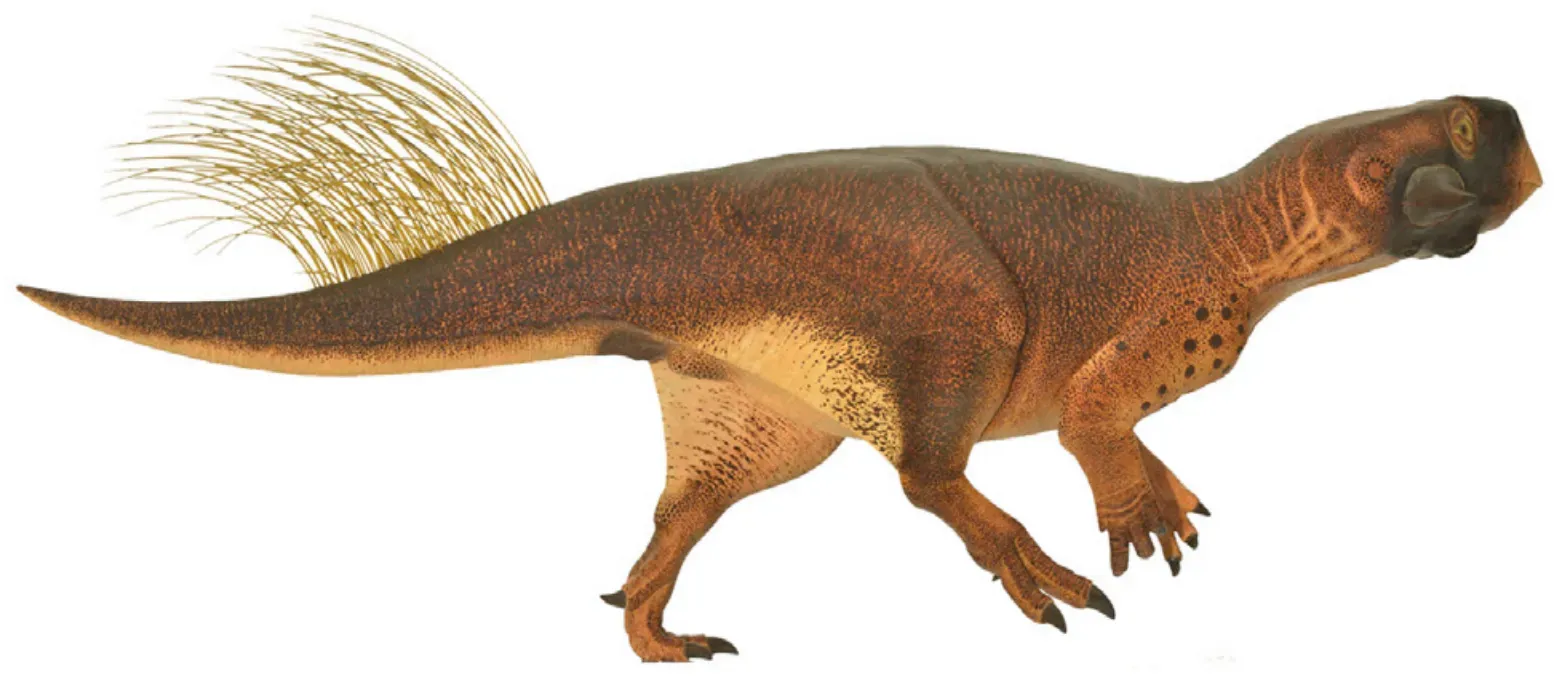
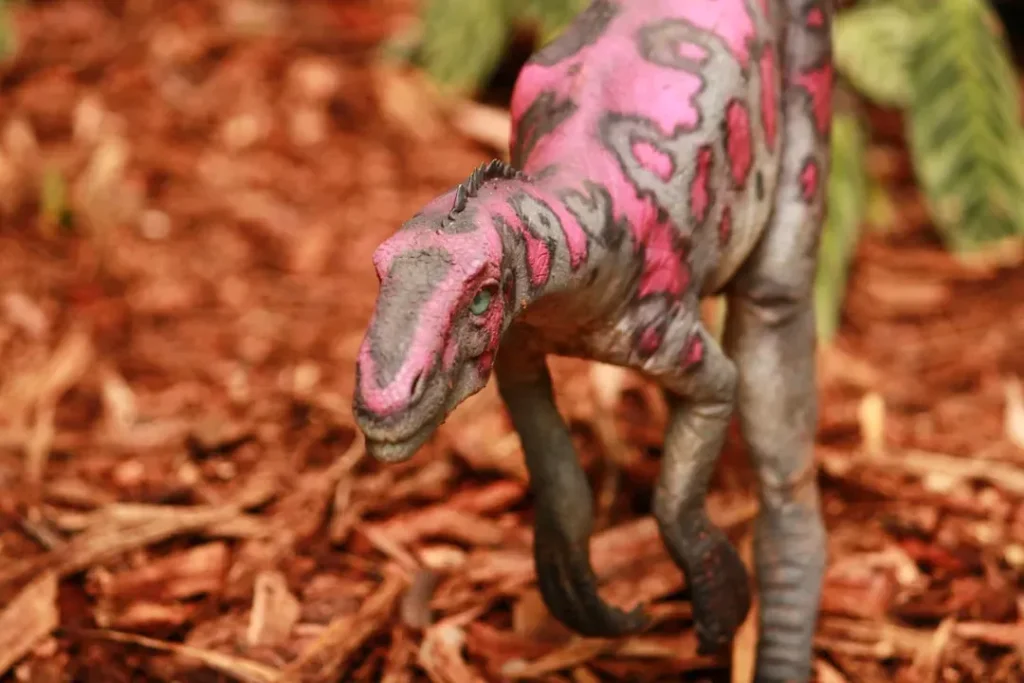
One defense strategy employed by dinosaurs was the use of camouflage and mimicry, as by blending into their surroundings or mimicking other dangerous animals, certain dinosaurs were able to avoid detection and increase their chances of survival. Sometimes the best defense is simply not being seen. Well-preserved fossils of dinosaur skin are rare and do not show the color of the skin, but patterns and color help modern reptiles hide from their enemies, so it seems certain dinosaurs would also have used color to blend in with their surroundings.
Some dinosaurs may have utilized defensive posturing to avoid being spotted by predators, which could involve crouching down or freezing in place to blend in even more effectively, and by remaining still and blending seamlessly into their surroundings, these dinosaurs minimized the chances of attracting predator attention. It’s remarkable how many modern animal behaviors have ancient dinosaur parallels. The more we learn, the more we realize these creatures were far more sophisticated than early paleontologists imagined.
Conclusion: A Symphony of Survival Strategies
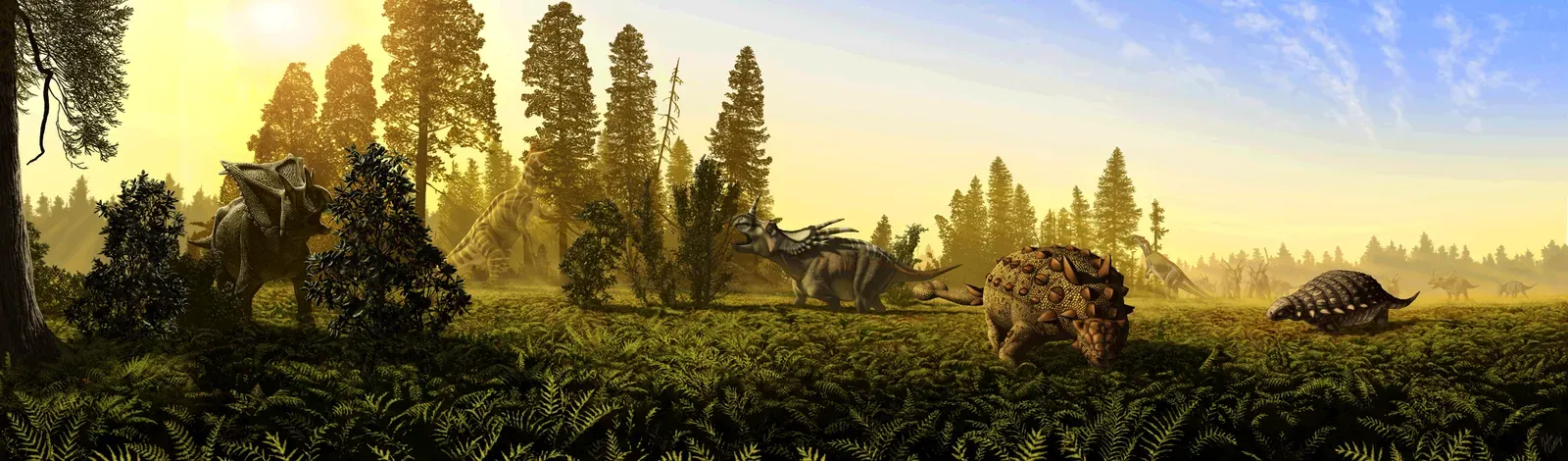
The prehistoric world was no place for the unprepared. Every herbivorous dinosaur that survived to adulthood did so because evolution equipped it with remarkable defensive capabilities. From the tank-like armor of Ankylosaurus to the supersonic tail whips of Diplodocus, from the formidable horns of Triceratops to the simple but effective strategy of running faster than your pursuer, dinosaurs developed an incredible diversity of survival mechanisms.
What’s truly fascinating is how these defenses required a delicate evolutionary balance. Armor provided protection but added weight. Speed offered escape but required vulnerable lightweight bodies. Herding brought safety but also attracted more attention. Each species found its niche, its particular combination of traits that allowed it to coexist with some of the most fearsome predators ever to walk the Earth.
These ancient defense strategies remind us that survival has always been about adaptation, innovation, and sometimes just pure determination. The next time you see a dinosaur skeleton in a museum, look beyond the bones. Try to imagine the living, breathing animal that once used every trick in the evolutionary playbook just to see another sunrise. What do you think was the most effective defense strategy? Would you have bet on armor or speed?