Everyone knows the story. A massive asteroid slammed into Earth around 66 million years ago, and the dinosaurs were gone in a geological blink. Case closed, right? Well, not exactly. While the Chicxulub impact certainly played a starring role in this ancient catastrophe, the science behind dinosaur extinction is far more nuanced than a single Hollywood-style space rock scenario.
What most people don’t realize is that scientists have been debating alternative theories for decades, some of which sound like pure science fiction. From exploding stars to gradual ecological collapse, these lesser-known hypotheses reveal just how complex the end-Cretaceous extinction really was. Let’s dive into the theories that never made it to your high school textbook.
The Deccan Traps Volcanic Eruptions: Earth’s Pressure Cooker
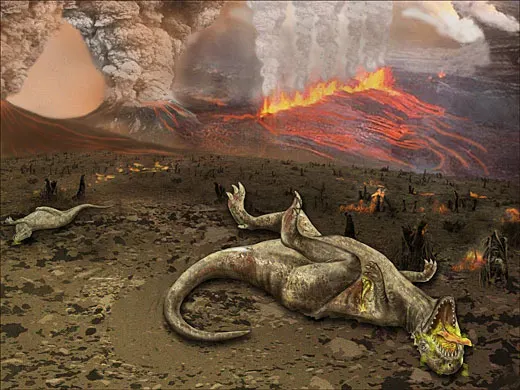
Roughly 66 million years ago in western India, massive volcanic eruptions created what we now call the Deccan Traps, a huge plateau formed when molten lava solidified into rock. These volcanic layers exceed two kilometers thick in some areas, making this the second-largest volcanic eruption ever on land. Think about that for a moment. We’re talking about lava flows that could bury entire mountain ranges.
Volcanic activity of this magnitude would have spewed huge amounts of carbon dioxide into the atmosphere, causing greenhouse warming, while eruptions also caused levels of toxic gases like sulfur and chlorine to rise, resulting in acid rain. Recent climate models show that while volcanism caused a temporary cold period, the effects had already worn off thousands of years before the meteorite impacted, and scientists therefore conclude that the meteorite impact was the ultimate cause of the dinosaur extinction. Still, the volcanic activity likely weakened ecosystems long before the asteroid delivered the final blow.
Multiple Comet Showers: Death From Above, Again and Again
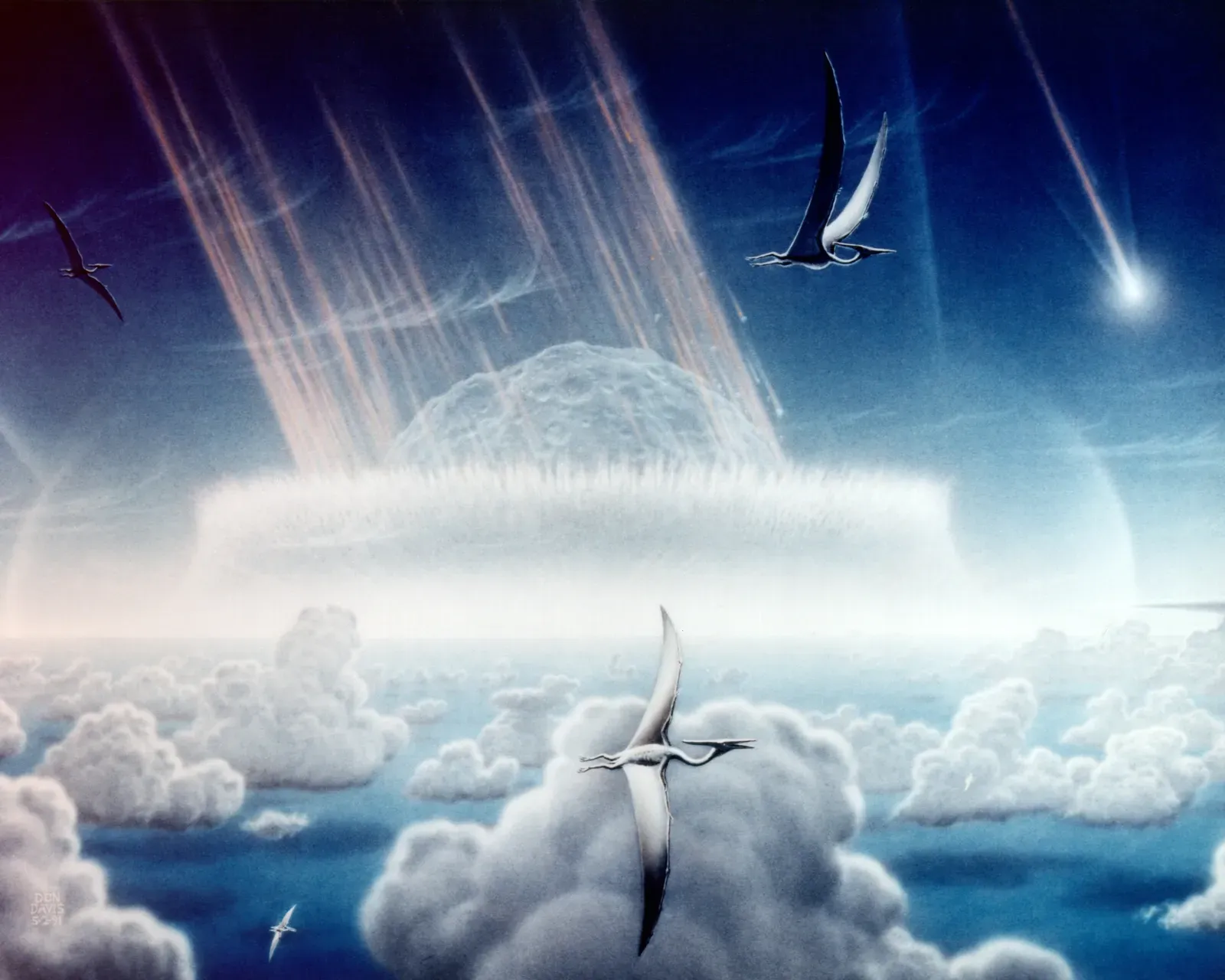
Extinction of the dinosaurs may have occurred as a result of many comet impacts over one to three million years, a group of scientists has theorized. Instead of one dramatic impact, imagine a slow-motion cosmic bombardment stretching across millennia. This theory suggests Earth got pummeled repeatedly, each strike chipping away at the planet’s biodiversity.
A major comet shower involving a billion comets would result in about 20 comets striking Earth over a period ranging from one to three million years. Their studies indicated that such an event would cause stepwise extinctions over a period of time. The appeal of this hypothesis is that it explains why some fossil records show gradual decline rather than sudden disappearance. However, finding evidence for multiple impact craters from the same timeframe has proven challenging, leaving this theory in the realm of intriguing possibility rather than confirmed fact.
Falling Sea Levels: When the Oceans Retreated
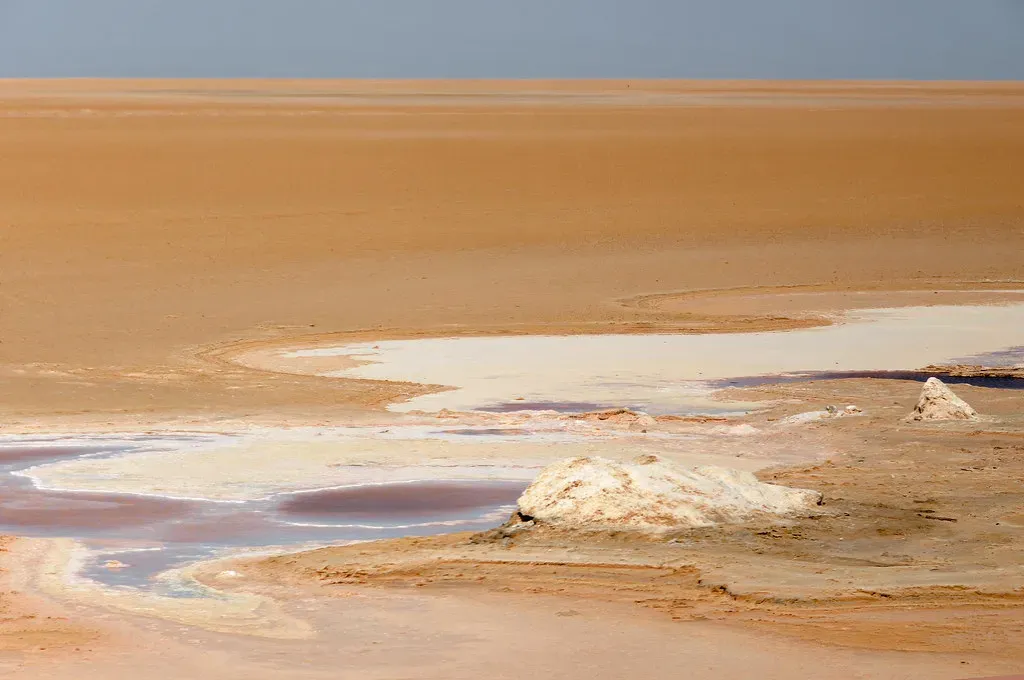
There is clear evidence that sea levels fell in the final stage of the Cretaceous by more than at any other time in the Mesozoic era. You might not think dropping ocean levels would matter much to giant land reptiles, but the ripple effects were devastating. The loss of these seas greatly altered habitats, removing coastal plains that ten million years before had been host to diverse communities, while continental runoff now had longer distances to travel before reaching oceans.
The regression would have caused climate changes, partly by disrupting winds and ocean currents and partly by reducing the Earth’s albedo and increasing global temperatures. Shallow seas that once covered vast stretches of continents simply dried up. Marine ecosystems collapsed, and the resulting climate shifts stressed terrestrial environments. However, sea level fall as a cause of the extinction event is contradicted by other evidence. It seems this factor contributed to the extinction but couldn’t have been the sole culprit.
Supernova Radiation: Cosmic Death Rays
Here’s where things get cosmic. A nearby supernova explosion might produce climatic effects so drastic as to cause the extinction of many animals, including the dinosaurs. Almost ten years before the iridium discovery, physicist Wallace Tucker and paleontologist Dale Russell had proposed that a supernova at the end of the Cretaceous had caused the extinction of dinosaurs. The theory hinges on a dying star exploding close enough to Earth to bathe the planet in harmful radiation.
A 1968 paper proposed that an acute dose of radiation killed organisms directly through radiation poisoning, while earlier paleontologist Otto Schindewolf believed that supernova radiation would bathe organisms and cause a lethal spike in mutations. The Alvarez team even tested for plutonium in boundary layers to support this hypothesis. But double-checking their results led to disappointment: their first sample had been contaminated by an experiment in a nearby lab, and there was no plutonium in the sample at all. Without concrete evidence, the supernova theory faded into the background.
Climate Cooling and Warming Cycles: Temperature Tantrums
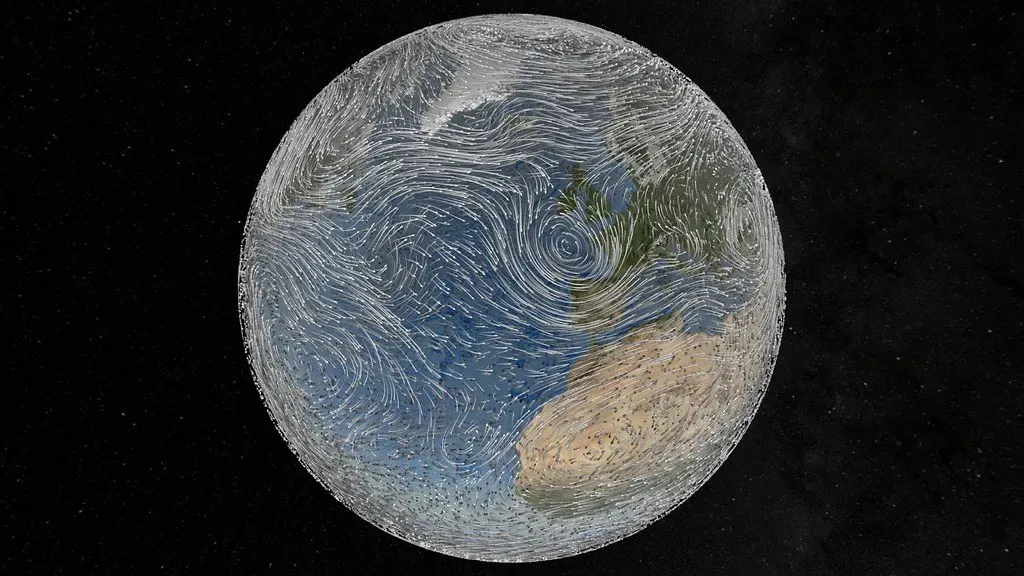
The global mean temperature experienced a long-term decline during the latest Cretaceous, though multiple short-term warming intervals were also found in marine records during this period. Dinosaurs had thrived for millions of years in relatively stable, warm climates. Sudden shifts would have been catastrophic for creatures adapted to tropical conditions.
Analysis indicates a correlation between the abundance of dinosaur fossils and climatic changes, with the presence of dinosaur fossils gradually declining as precipitation and temperature increased. Research demonstrates that climatic conditions were almost certainly unstable, with repeated volcanic winters that could have lasted decades prior to the extinction, and this instability would have made life difficult for all plants and animals. The climate was essentially having a nervous breakdown, and dinosaurs couldn’t keep up with the rapid changes.
Competition With Flowering Plants: A Botanical Revolution

Flowering plants exploded in diversity during the Cretaceous period, fundamentally reshaping terrestrial ecosystems. Novel ecological interactions with rapidly expanding clades like flowering plants have been proposed as possible factors in dinosaur extinction. While this sounds almost absurd at first, consider the cascading effects. New plant types meant different food sources, altered habitats, and shifts in the entire ecological balance.
The model estimates a strong negative correlation with dinosaur speciation and a strong positive correlation between dinosaur extinction and angiosperm diversity, but both are not significant. One way ecosystems may have been able to support more diverse faunas could have been due to the evolution and subsequent radiation of flowering plants, and researchers suggest a combination of the vacuum left by extinction and reorganization of the environment likely catalyzed by flowering plants gave smaller mammals greater access to resources. Ironically, the plants thrived while the dinosaurs faltered.
Declining Biodiversity Before Impact: Already on the Decline
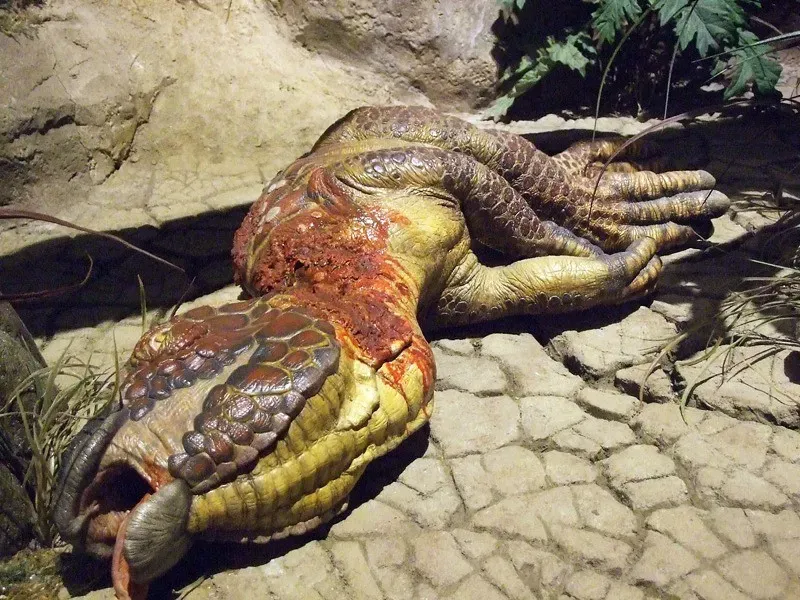
Six major dinosaur families were already in decline in the preceding 10 million years, possibly due to global cooling and competition among herbivores. This challenges the popular narrative of dinosaurs thriving until the asteroid suddenly ended their reign. The fossil record suggests something more sobering: they were slowly losing ground long before the final catastrophe.
Identifying causal mechanisms for the demise of dinosaurs is challenging because there are so many possibilities in the Cretaceous, including the continued breakup of supercontinents, intense volcanism, climate change, fluctuations in sea levels, and novel ecological interactions. The dinosaur decline could be explained by the combined effect of interaction with large herbivores and a shift in geographic richness partitioning, which restructured trophic networks and made dinosaurs more sensitive to end-Cretaceous environmental changes. They were vulnerable, stressed, and primed for extinction when the asteroid finally hit.
Mammalian Competition and Egg Predation: The Rise of the Small
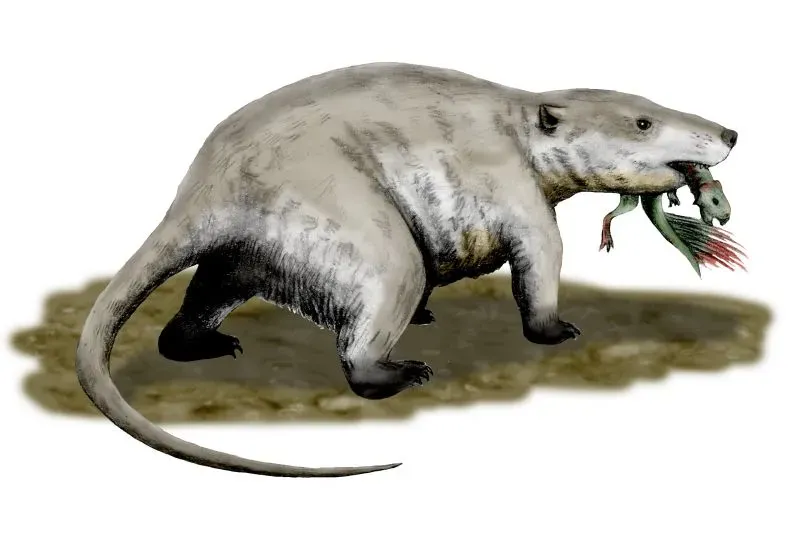
Early mammals coexisted with dinosaurs for over 150 million years, but something shifted near the end. Some researchers proposed that mammals ate dinosaur eggs at an unsustainable rate, gradually reducing populations. Dinosaurs coexisted with mammals for over 150 million years, so there’s no reason to think that mammals would have suddenly caused dinosaurs to go extinct. The evidence just doesn’t support mammals as a primary cause.
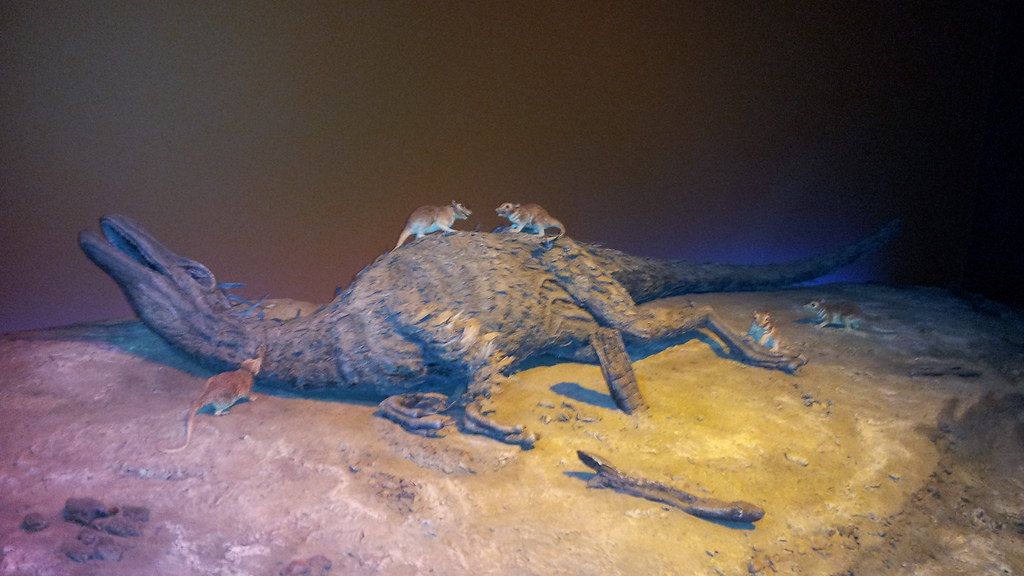
Fossil evidence has confirmed that dinosaurs, snakes and even mammals preyed on dinosaur eggs and infants, but never at a rate that could have caused mass extinction. After the extinction, mammals evolved to fill the niches left vacant by the dinosaurs, though some research indicates that mammals did not explosively diversify across the boundary despite the ecological niches made available. The mammals were opportunists, not assassins. They survived and eventually thrived, but they didn’t orchestrate the dinosaurs’ demise.
Disease and Pandemic Theories: Prehistoric Plagues
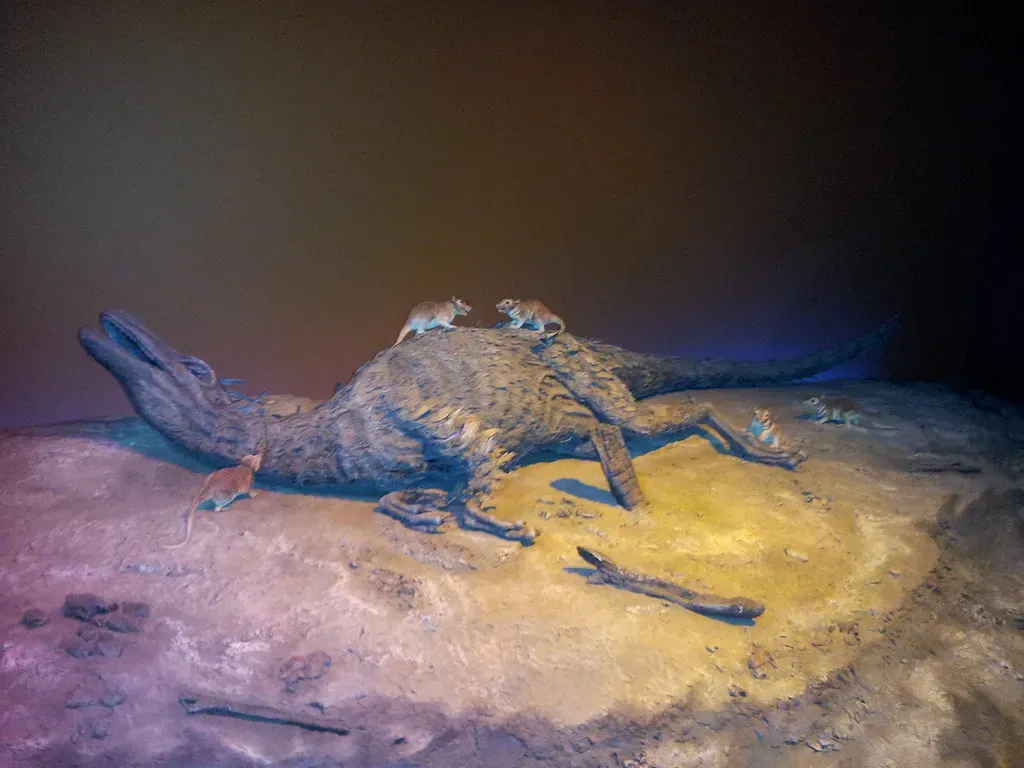
Other ideas for dinosaur extinction included epidemics of disease. A study by Oregon State University showed that 65 million year old mosquitos carried malaria, which may have killed off populations in their droves. Imagine a global pandemic sweeping through dinosaur populations, weakened by environmental stress and unable to develop immunity fast enough.
The challenge with disease theories is proving them. Soft tissue rarely fossilizes, making it nearly impossible to find direct evidence of ancient infections. Some scientists believed a great plague decimated the dinosaur population and then spread to the animals that feasted on their carcasses, while starvation was another possibility since large dinosaurs required vast amounts of food. Disease alone probably couldn’t have caused worldwide extinction, but combined with other stressors, it might have pushed already struggling populations over the edge.
Continental Drift and Habitat Fragmentation: A Shifting World
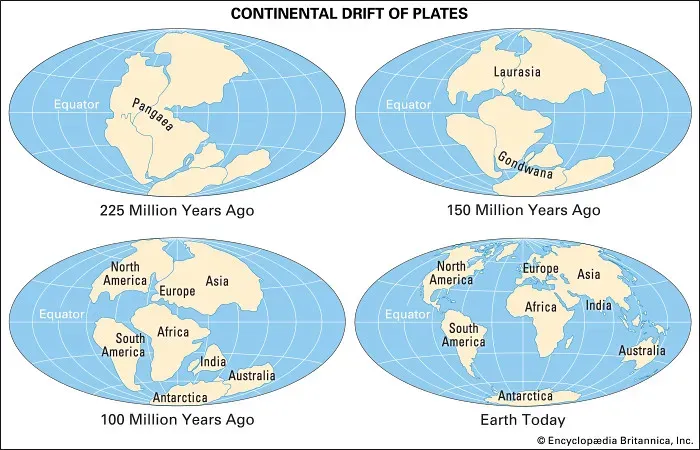
Tectonic plate movements caused a major rearrangement of the world’s landmasses, particularly during the latter part of the Cretaceous, and the climatic changes resulting from such continental drift could have caused a gradual deterioration of habitats favourable to dinosaurs. The Earth itself was transforming beneath their feet, literally. Continents that were once connected split apart, isolating populations and disrupting migration routes.
The continued breakup of the supercontinents Laurasia and Gondwana has been proposed as a possible factor in dinosaur extinction. Geographic isolation prevents gene flow between populations, making species less adaptable to change. When Pangaea fragmented, dinosaurs found themselves in increasingly smaller, disconnected habitats. This would have reduced genetic diversity and made entire populations vulnerable to local disasters that once would have been survivable. The world was literally falling apart around them, one tectonic shift at a time.
Conclusion: A Perfect Storm of Catastrophes
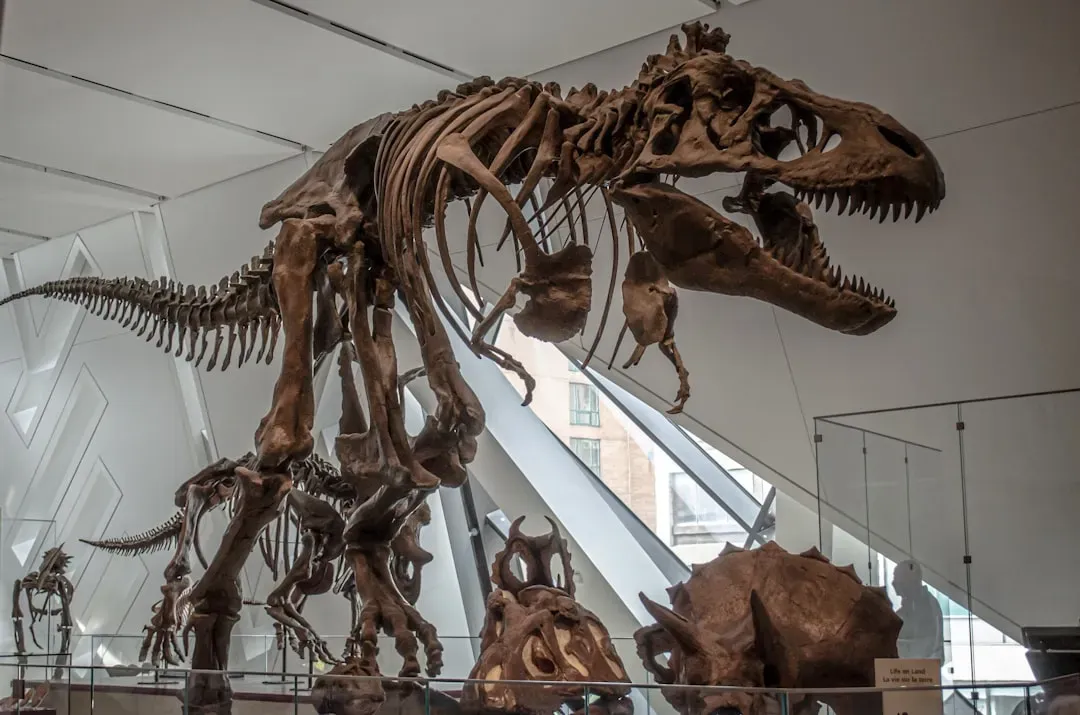
So what really killed the dinosaurs? Honestly, it was probably all of the above working in terrible concert. The asteroid impact gets top billing because it was dramatic and left undeniable evidence, but the truth is messier. Dinosaurs were already stressed by volcanic eruptions, climate instability, falling sea levels, and ecological upheaval when that space rock sealed their fate.
Science rarely offers simple answers, and mass extinction events are no exception. The dinosaurs didn’t fall to a single blow but rather to a combination of cosmic bad luck and planetary turmoil. The story that is emerging is that perhaps both volcanism and impact might have been involved, perhaps the end of the dinosaurs was caused by a one-two punch.
Next time someone confidently tells you the asteroid killed the dinosaurs, you can smile knowingly and tell them the real story is far stranger. What do you think contributed most to their extinction? The debate continues, even in 2026.