When you think about what dinosaurs ate millions of years ago, you probably imagine giant herbivores munching on ferns or fearsome predators tearing into fresh meat. That mental picture isn’t wrong, but it’s far from the complete story.
The reality of dinosaur dining habits was so much stranger and more fascinating than most of us learned in school. Scientists piecing together clues from fossilized droppings, stomach contents, and ancient tooth wear have uncovered some genuinely unexpected food choices. From decomposing wood to crustaceans hiding in logs, the menu of the Mesozoic Era was surprisingly diverse. Let’s dive into the most jaw-dropping discoveries about what these ancient creatures actually ate.
Rotting Wood Was a Delicacy for Some Giants
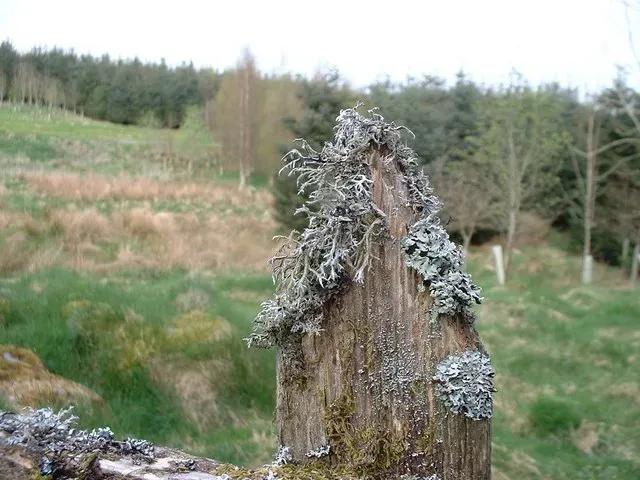
Here’s something that sounds absolutely bizarre at first. Large herbivorous dinosaurs like hadrosaurs deliberately consumed rotting wood, even though the wood itself offered no nutrition; however, the decomposing material contained fungi and invertebrates that provided essential nutrients. Think about it this way: these massive creatures were essentially eating nature’s compost pile, and it worked brilliantly for them.
Fossilized feces from the Kaiparowits Formation revealed multi-liter coprolites primarily composed of fungally degraded conifer wood, with thick fragments of crustacean cuticle scattered throughout, suggesting dinosaurs consumed sizeable crustaceans sheltering in rotting logs. The protein boost from those little crustaceans hiding in the decaying wood was like finding a bonus meal inside another meal. Smart strategy, honestly.
Crustaceans Were on the Menu for Herbivores
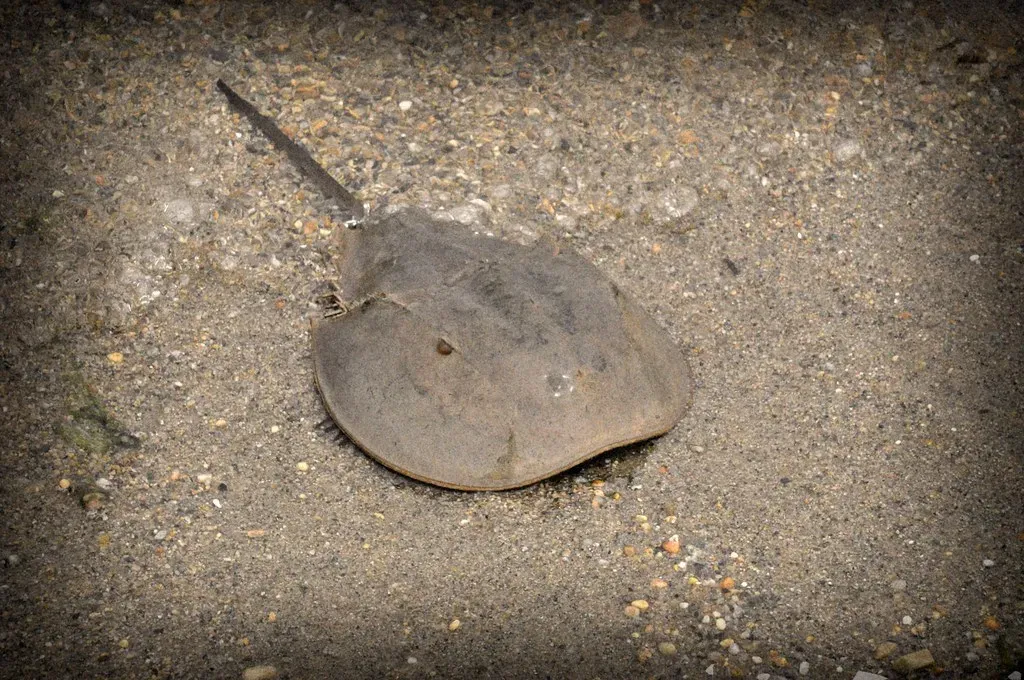
Even plant-eating dinosaurs consumed insects, fish, and crustaceans, showing that herbivorous dinosaurs mixed up their diets significantly. This completely challenges what we thought about strict dietary categories. I mean, we tend to label animals as either plant eaters or meat eaters, right?
Recent discoveries show that this flexibility gave dinosaurs an evolutionary advantage. Hadrosaurs, thought to be strict plant-eaters, had crustacean shells discovered in their fossilized droppings, suggesting they supplemented their diet with small animals to obtain essential nutrients. These duck-billed giants weren’t picky when it came to getting the nutrition they needed to survive.
Stones Were a Regular Part of the Diet
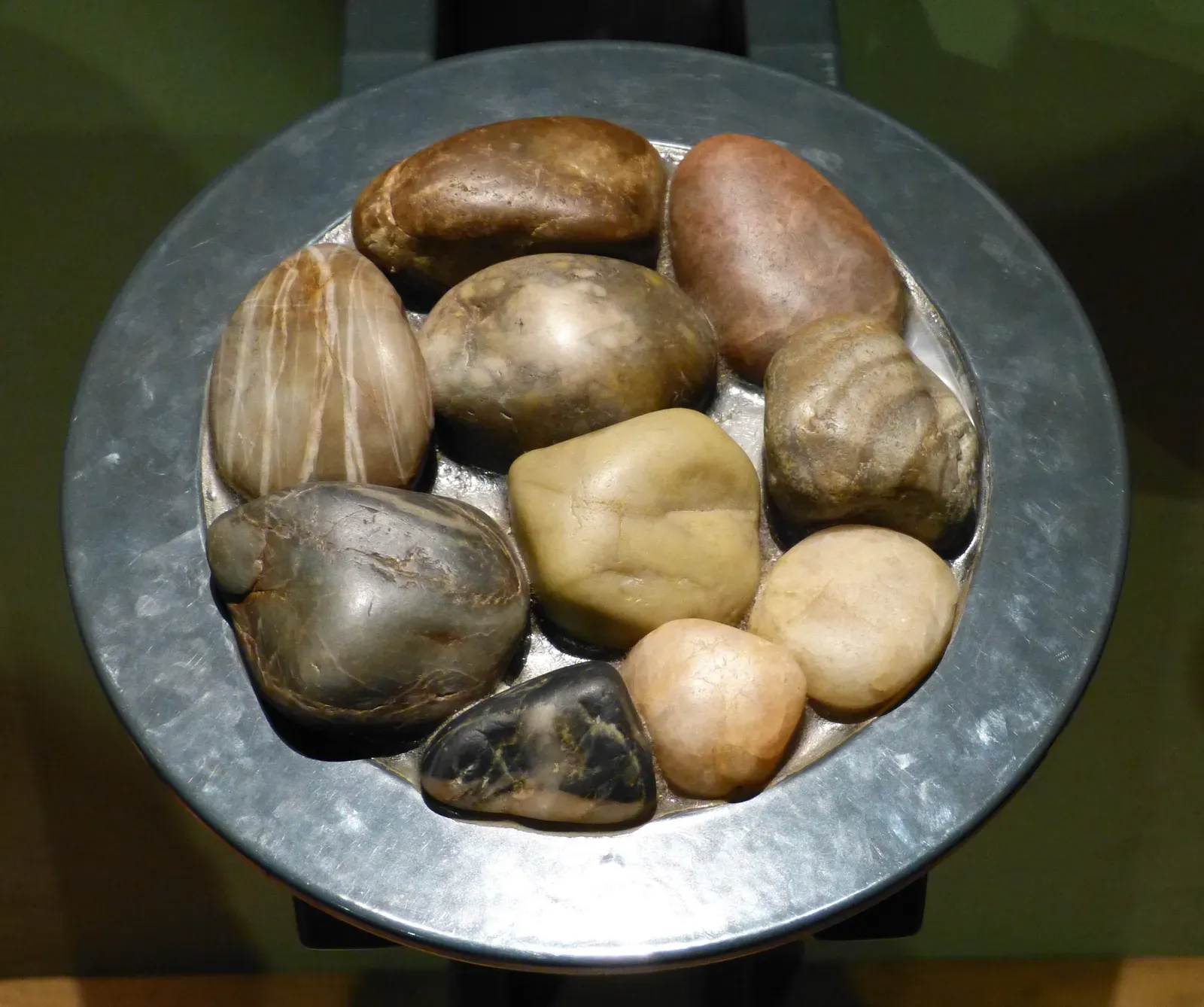
You might think swallowing rocks sounds like a mistake, but for many dinosaurs it was absolutely intentional. Some dinosaurs deliberately swallowed rocks called gastroliths to help grind up plant fibers in their guts. Modern birds do the exact same thing today, which makes sense since they’re the living descendants of dinosaurs.
The presence of gastroliths in dinosaur fossils suggests these animals had complex digestive systems, potentially with gizzard-like organs, supported by the presence of gastroliths in modern birds. These stomach stones acted like an internal food processor, breaking down tough vegetation that would otherwise be impossible to digest. Pretty clever biological engineering if you ask me.
Fish Were a Staple for Some Carnivores
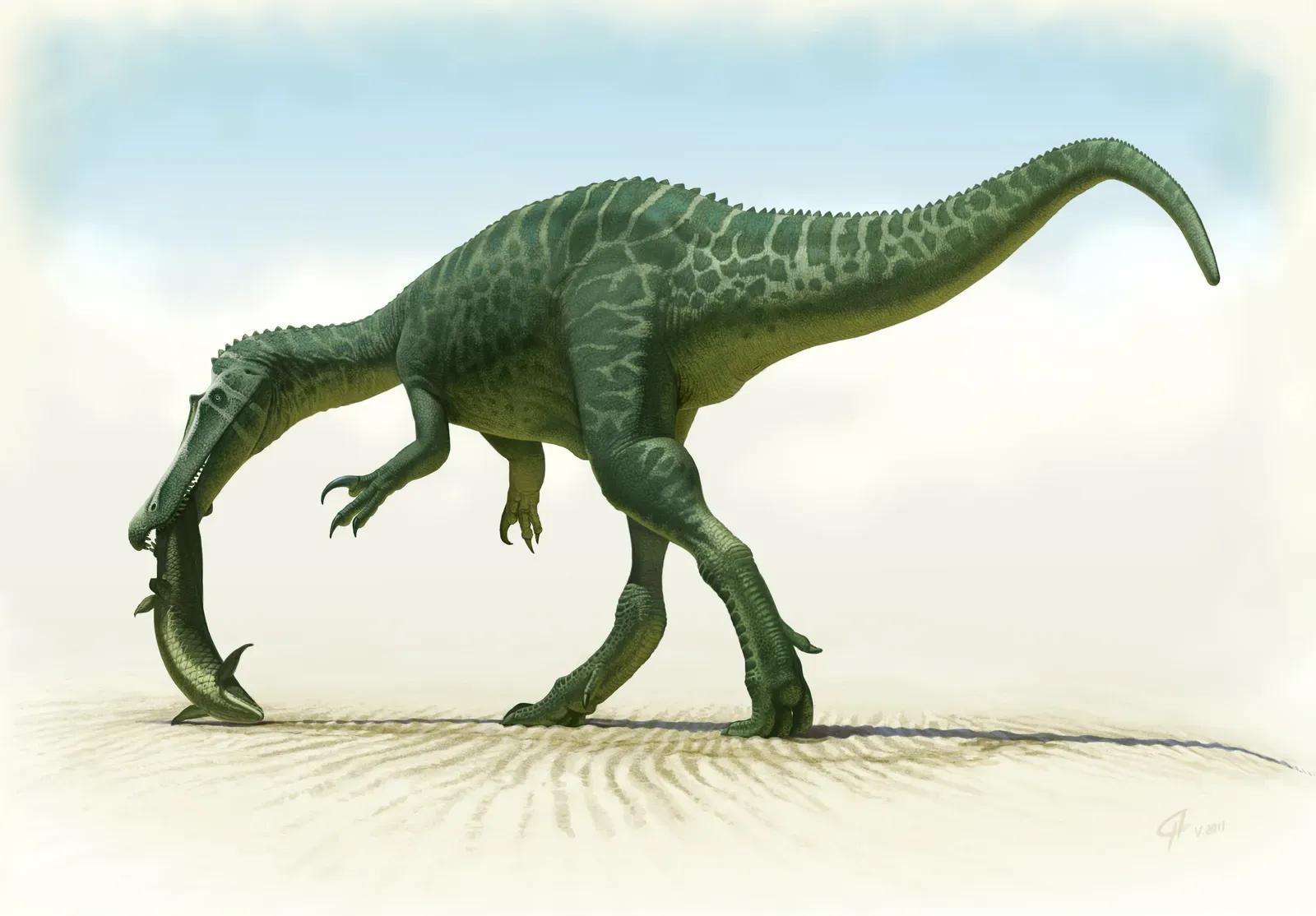
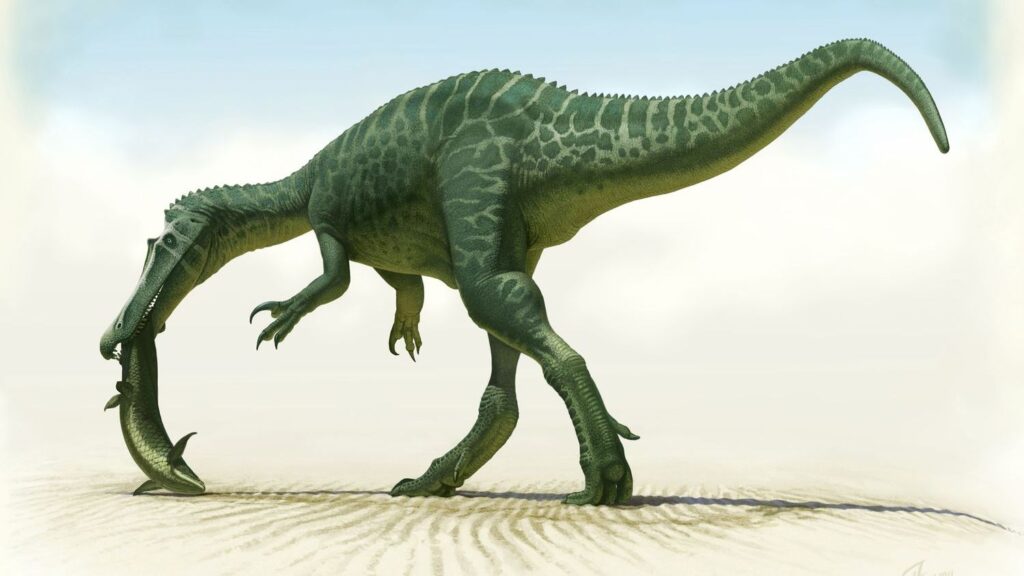
Baryonyx had fish scales found in its stomach contents, making it one of the few dinosaurs with direct evidence of consuming fish. This discovery was genuinely exciting for paleontologists because it showed specialization in diet that went beyond the typical predator image.
Fish was one of the main food sources for dinosaurs including Baryonyx and Suchomimus, with evidence suggesting Spinosaurus could have been a good swimmer with paddle-like feet resembling those of waterbirds. These aquatic hunters were basically the crocodiles of their time, lurking near water sources and snatching fish with specially adapted snouts and teeth.
Early Mammals Were Occasional Snacks
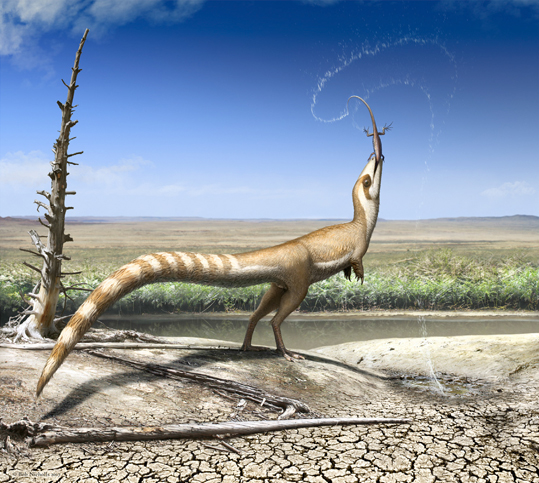
Some dinosaurs ate lizards, turtles, eggs, or early mammals. These tiny furry creatures that scurried around the feet of giants occasionally ended up as meals. Sinosauropteryx, a bird-like dinosaur, is the only dinosaur whose stomach contained parts of a small, unidentified mammal.
This fossil evidence gives us a window into the food chain dynamics of ancient ecosystems. The early mammals of the Mesozoic Era had to be constantly vigilant, knowing that even smaller predatory dinosaurs viewed them as convenient protein sources. It’s hard to say for sure, but this predation pressure probably shaped early mammal evolution in significant ways.
Plant Parts Were Carefully Selected
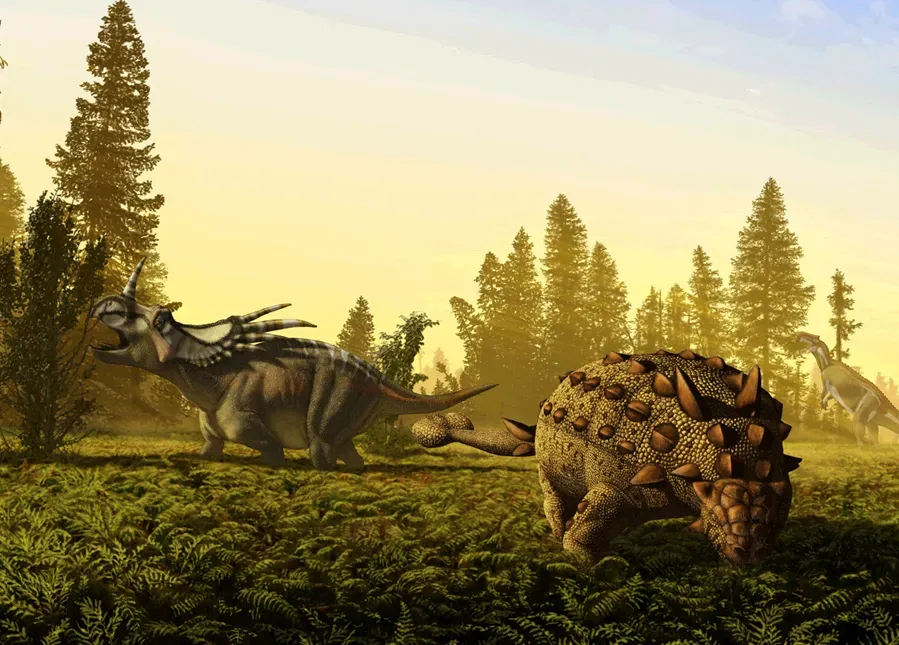
Not all herbivores ate the same vegetation, even when standing next to each other. Camptosaurus preferred softer, more nutritious plant parts like leaves and buds, while Camarasaurus ate mostly conifers with a preference for woody tissues, and Diplodocus consumed a mixed diet including soft ferns and tougher plant parts. This dietary partitioning meant multiple species could coexist without competing directly.
When researchers examined tooth enamel, they discovered calcium isotopes reflecting the range of foods dinosaurs ate, with different plant types and discrete parts of trees having unique chemical signatures. Think of it like a prehistoric grocery store where everyone shopped different aisles to avoid the crowds.
Eggs and Plants Made Omnivores Flexible
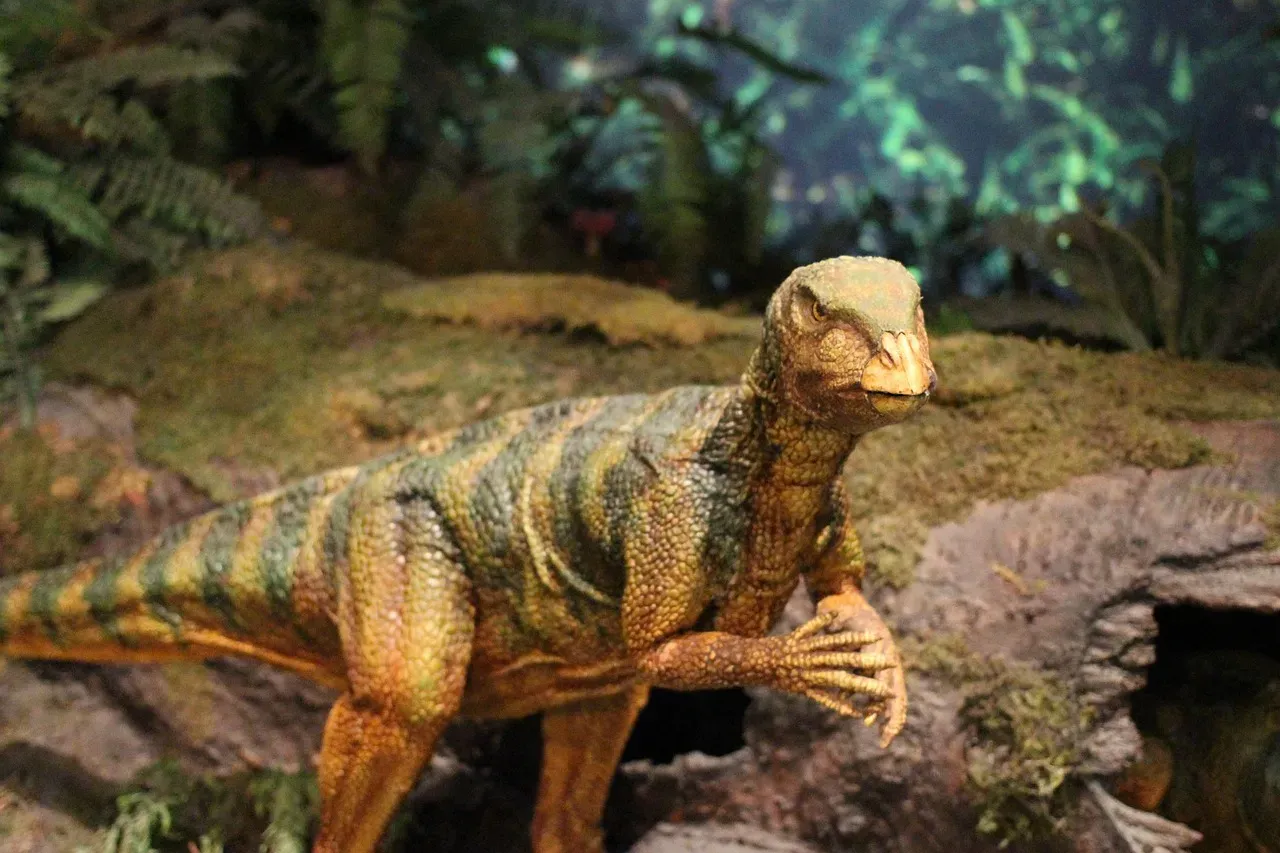
Omnivores like Ornithomimus and Oviraptor ate plants, eggs, insects, and other varied foods. These dinosaurs had the ultimate survival advantage because they could adapt their diet based on seasonal availability. When plant food was scarce, they could hunt. When prey was hard to find, they’d switch to vegetation.
Omnivores such as Oviraptor ate both plants and meat, with food choices including small insects, plants, dinosaur eggs, small mammals, lizards, and in some cases other small dinosaurs. This dietary flexibility likely contributed to their success across different environments and changing climatic conditions throughout the Mesozoic Era.
Cannibalism May Have Occurred in Desperate Times
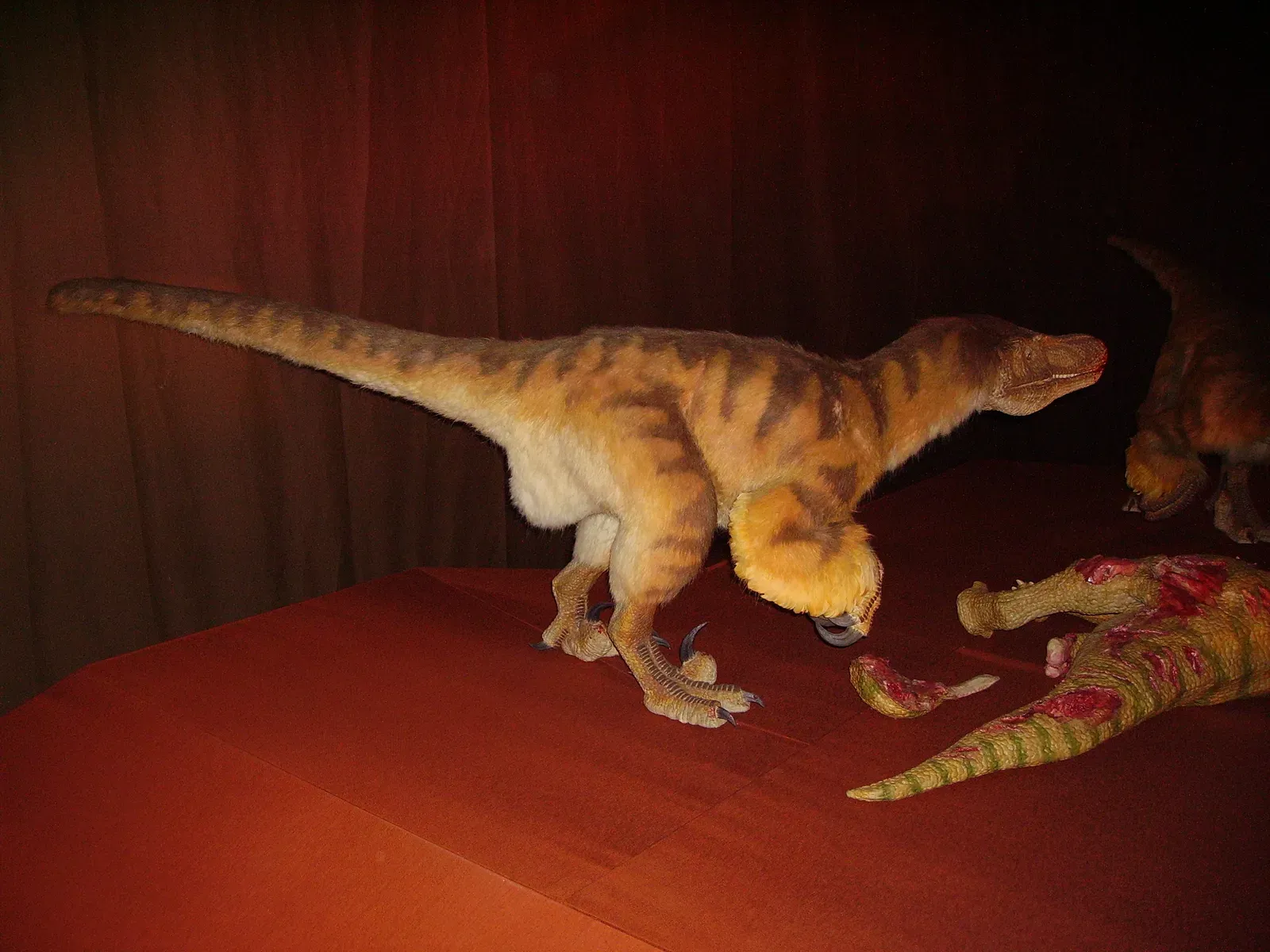
Some dinosaurs may have been cannibals, with evidence suggesting they fed on their own kind. This is honestly one of the most unsettling discoveries in paleontology. A few dinosaurs, including Coelophysis, have been found with small fossilized animals within their fossils, giving information about their diet.
Let’s be real: cannibalism in the animal kingdom isn’t as rare as we’d like to think. Modern reptiles occasionally consume their own species under stress or food scarcity. The same pressures probably drove some dinosaurs to make similar choices during harsh environmental conditions or territorial disputes. It paints a darker, more complex picture of survival during the age of dinosaurs than the simplified stories we usually hear.
Conclusion
The dietary habits of dinosaurs were far more sophisticated and varied than the simple carnivore-herbivore divide we learned about as kids. From strategically consuming rotting wood packed with nutrients to carefully selecting specific plant parts based on nutritional content, these ancient creatures displayed remarkable adaptability. The evidence from fossilized stomach contents, coprolites, and tooth wear reveals animals that were opportunistic, specialized, and surprisingly flexible in their food choices.
What strikes me most is how these discoveries keep reshaping our understanding of prehistoric life. Each new fossil finding adds another layer to the story of how dinosaurs thrived for over 165 million years across vastly different environments. Did you expect dinosaurs to be such adventurous eaters? What surprised you most about their prehistoric menu?