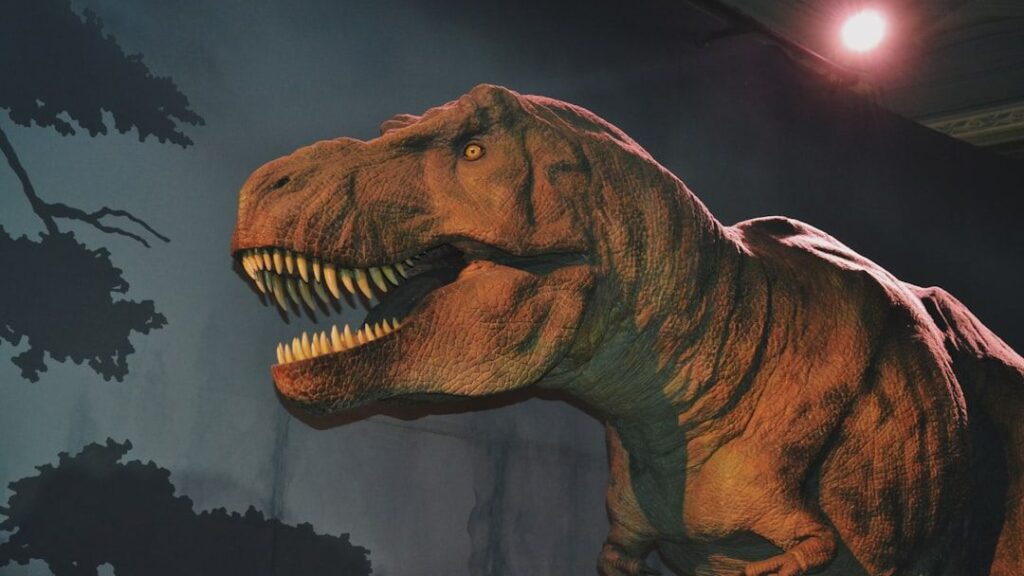
Close your eyes for a moment and picture a Tyrannosaurus rex. Chances are, you hear it before you see it – that earth-shaking, glass-rattling roar that Hollywood has been selling you since 1993. But here is the thing: that sound almost certainly never existed. Not even close.
The real acoustic world of dinosaurs was far stranger, far more nuanced, and honestly far more fascinating than any blockbuster has ever dared to show you. Scientists are now piecing together a prehistoric soundscape using fossils, modern biology, computer modeling, and a whole lot of creative detective work. Be surprised by what the evidence is beginning to reveal.
Why Everything You Know About Dinosaur Roars Is Probably Wrong
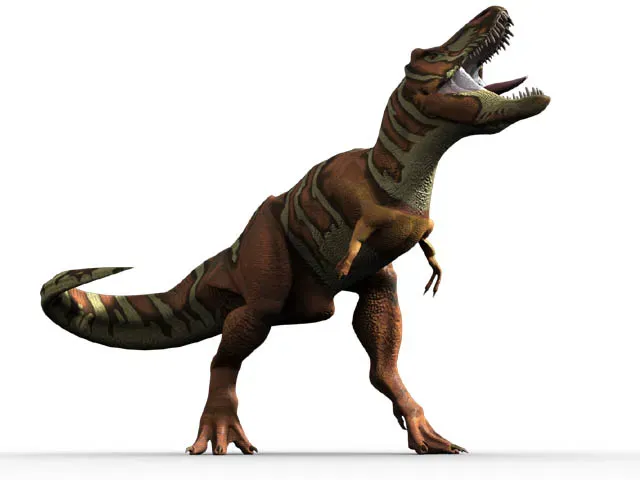
Let’s be real – the roaring dinosaurs of Jurassic Park were a brilliant piece of filmmaking, but they were not science. The sounds used to build those iconic dinosaur calls included crocodilian growls, lion roars, whale blowhole sounds, hawing donkeys, neighing horses, growling tortoises, whistling dolphins, howler monkeys, oinking pigs, and even chirping birds. Everything but an actual dinosaur, in other words.
Evidence suggests that dinosaur vocalizations were not likely to have sounded like roars at all. Think of it this way: the roar you associate with a T. rex works beautifully for mammals, because mammals have the vocal anatomy to produce it. Dinosaurs were built very differently, and the science increasingly suggests their soundscape was something else entirely.
Considering that the respiratory system and larynx of dinosaurs was different from that of mammals, most were likely incapable of making comparable noises. This means that dinosaurs were likely not roaring and bellowing at each other the way you see in movies. That is a genuinely shocking rewrite of how most of us imagine the Mesozoic Era.
The Science of Listening to Bones: How Researchers Decode Ancient Sounds
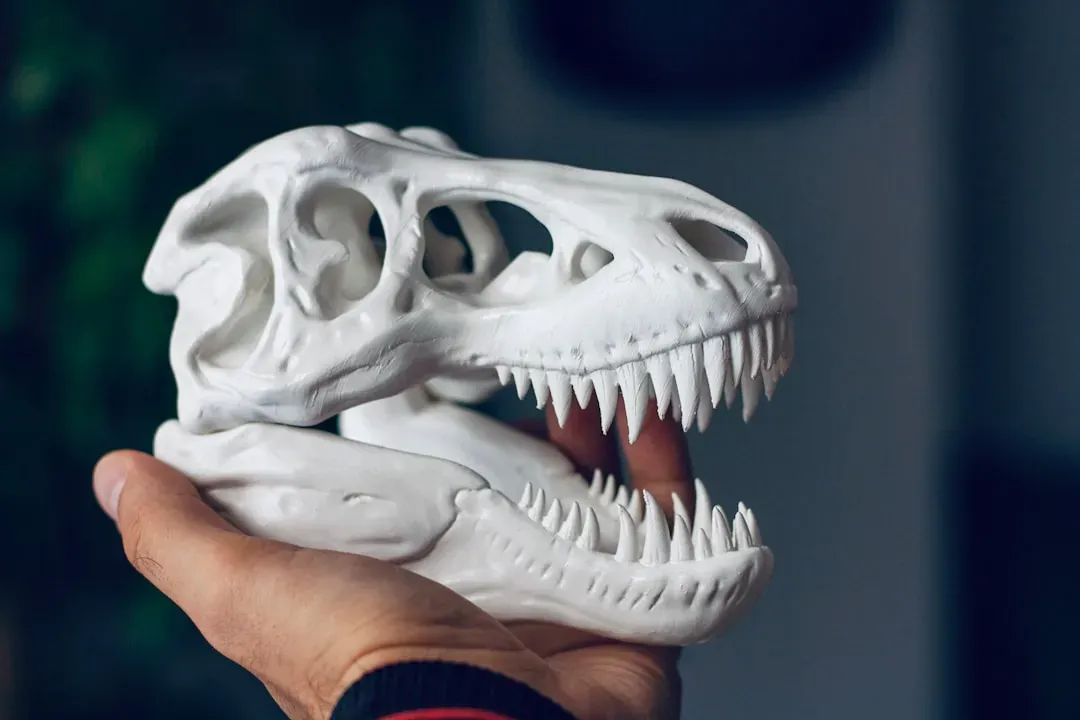
Reconstructing dinosaur vocalizations requires a multidisciplinary approach. Paleontologists analyze fossilized bones and soft tissues, while biologists study the vocal mechanisms of extant animals. Acoustic modeling further refines these inferences by simulating how sound would have traveled through ancient environments. It is a bit like being handed a broken instrument and being asked to figure out what song it once played.
The process begins with the study of fossilized skeletal structures, particularly the larynx, trachea, and skull, which provide clues about the size and shape of vocal organs. The syrinx in birds, a complex vocal organ, has been used as a reference point for theropod dinosaurs, their closest living relatives. By comparing these structures, scientists can infer the range of sounds dinosaurs might have produced, from deep roars to high-pitched calls.
Advances in technology have revolutionized how scientists approach the challenge of reconstructing dinosaur vocalizations. Computer modeling and simulation tools now allow researchers to create digital models of dinosaur vocal tracts based on fossil evidence and comparative anatomy. These models can then be used to simulate sound production using principles of physics and acoustics. In many ways, it is where paleontology meets audio engineering, and the results are genuinely mind-blowing.
The Parasaurolophus: Nature’s Original Trombone Player
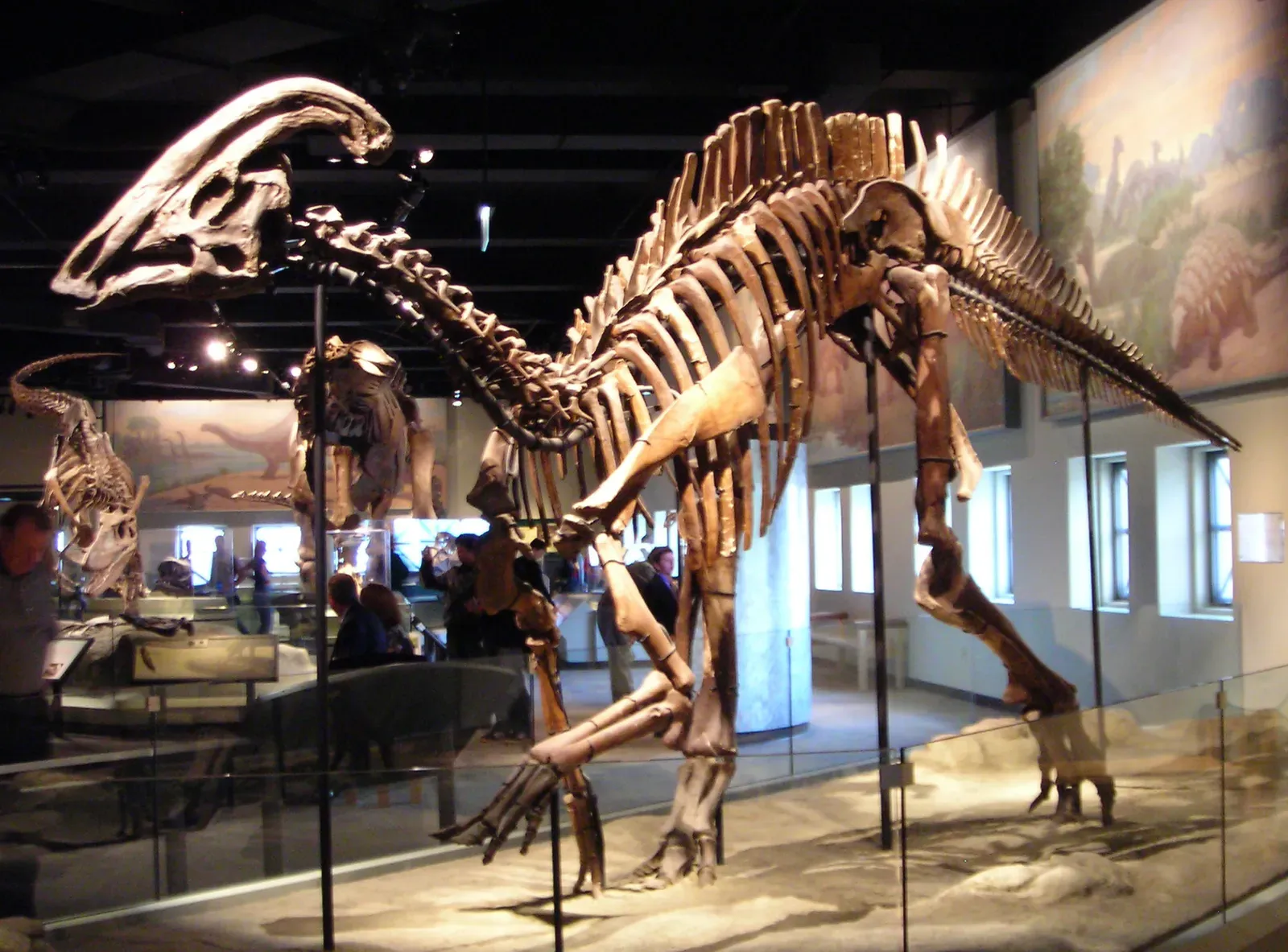
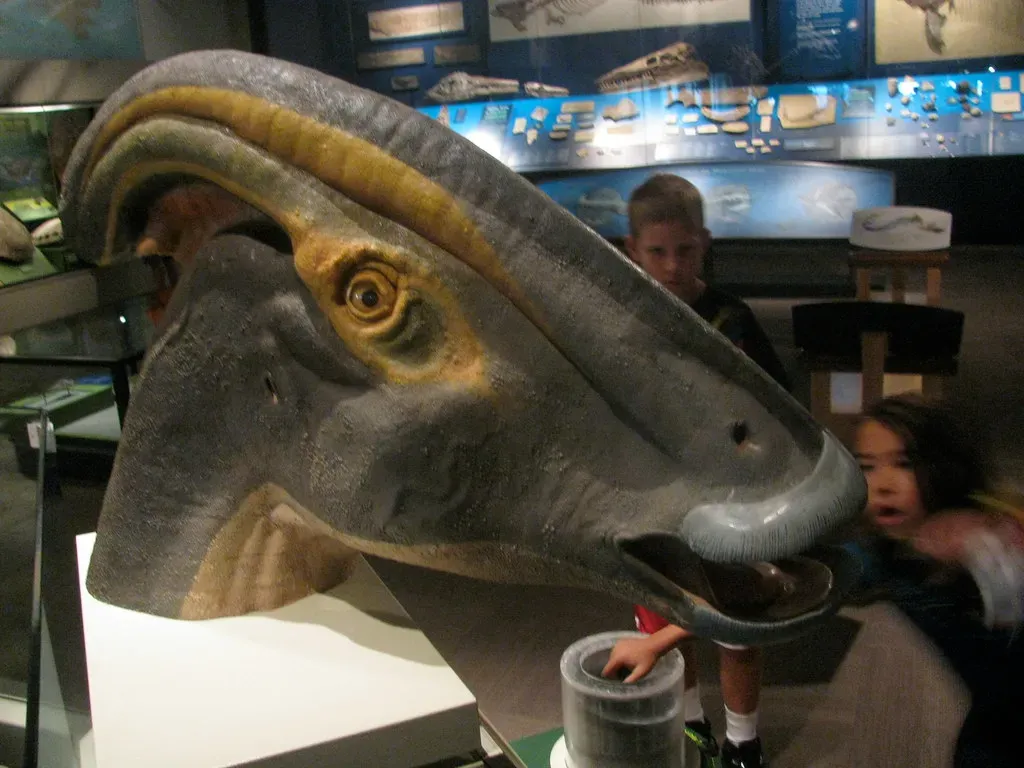
If you had to pick one dinosaur that science knows the most about acoustically, the Parasaurolophus wins by a landslide. The Parasaurolophus is a duck-billed dinosaur with a unique crest that lived 70 to 80 million years ago. It stood around 16 feet tall and is estimated to have weighed 6,000 to 8,000 pounds. That crest on its head was not decorative. It was essentially a built-in musical instrument.
Many scientists have believed the crest, containing a labyrinth of air cavities and shaped something like a trombone, might have been used to produce distinctive sounds. As expected, based on the structure of the crest, the dinosaur apparently emitted a resonating low-frequency rumbling sound that can change in pitch. Low. Resonant. Variable in pitch. That is genuinely more sophisticated than a simple roar.
Each Parasaurolophus probably had a voice that was distinctive enough to not only distinguish it from other dinosaurs, but from other Parasaurolophuses. Think about what that means: individual voice recognition, potentially 75 million years ago. Science keeps finding ways to make these creatures more impressive, not less.
Building the “Linophone”: Modern Scientists Recreate a Prehistoric Instrument
In a move that sounds more like art project than hard science, researchers at New York University took a bold step toward actually hearing what the Parasaurolophus sounded like. To understand the acoustic properties of the Parasaurolophus crest, researcher Hongjun Lin created a physical model that mirrored this structure. This model consisted of tubes arranged in a way that resembled the hollow chambers within the actual crest. The model was delicately suspended by cotton threads, and a small speaker was used to introduce sound vibrations, while a microphone was positioned to capture the resulting frequencies.
Lin’s initial results indicate that the Parasaurolophus’ crest was used for resonance, similar to the crests of birds we see today. The mathematical model is still in progress, but Lin hopes it will be useful for studying animals with similar vocal structures. You have to love the ambition here – a researcher essentially building a prehistoric musical instrument from scratch in order to let a 75-million-year-old creature finally speak again.
Closed-Mouth Communication: The Booming Secret of Big Dinosaurs
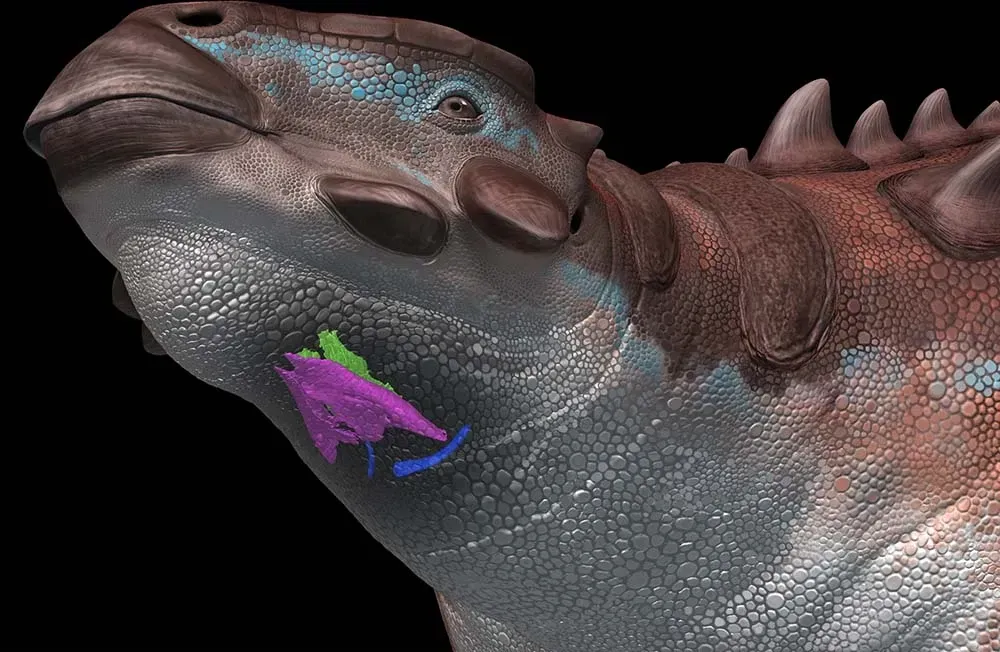
Here is something that might genuinely surprise you: many large dinosaurs probably never even opened their mouths to make their most important sounds. Dinosaurs may have made closed-mouth noises, much like the booms and hoots that some birds make today, according to a study published in July 2016 in the journal Evolution. “Closed-mouth vocalizations are sounds that are emitted through the skin in the neck area while the beak is kept closed.” Imagine a massive creature, silent-looking, and yet producing a rumble you could feel in your chest from a hundred meters away.
The scientists found that these hoots evolved at least 16 times in Archosaurs, a group that includes birds, dinosaurs and crocodiles. That kind of repeated, independent evolution tells you something important: closed-mouth low-frequency sound production is a genuinely powerful survival tool. Interestingly, only animals with a relatively large body size use closed-mouth vocalization behavior, and since dinosaurs are members of the Archosaur group and many had large body sizes, it is likely that some dinosaurs made closed-mouthed vocalizations in a manner similar to birds today.
What Were They Actually Saying? Decoding the Meaning Behind the Noise
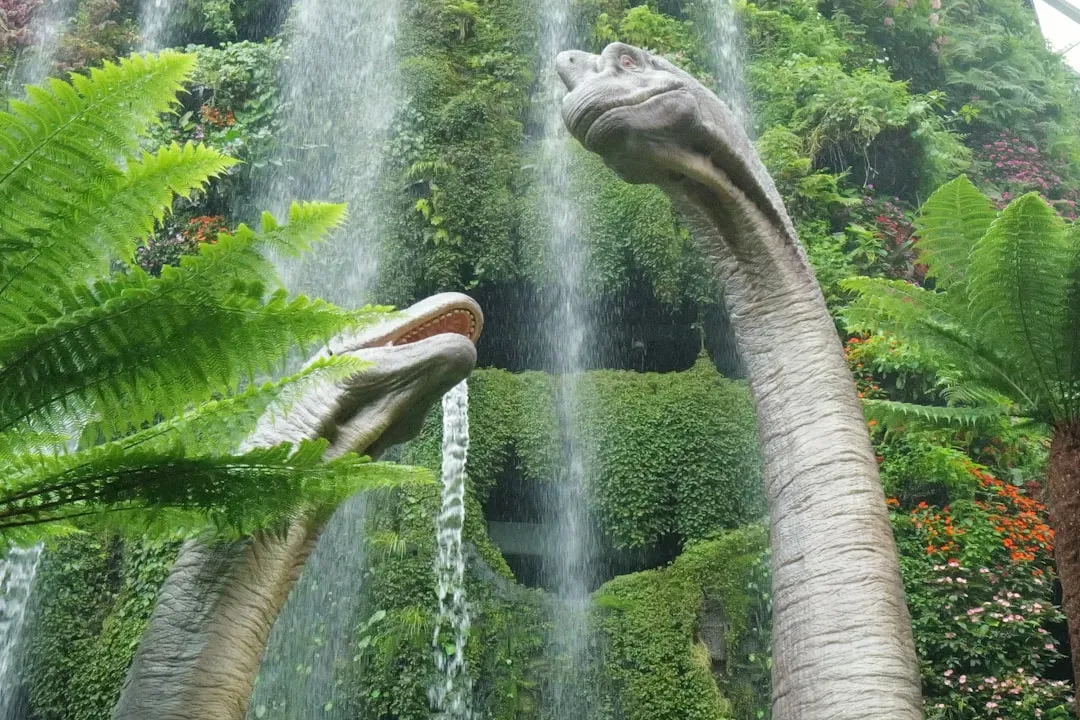
Sound without purpose is just noise. So what were dinosaurs actually communicating? Certain vocalizations may have served as territorial calls to establish dominance or as mating songs to attract potential mates. That puts dinosaur communication in the same broad category as wolves howling at boundaries and songbirds defending their patches every spring morning – fundamentally familiar, even across 66 million years of separation.
Similar to modern birds, dinosaurs likely employed a variety of vocalizations during mating season, from low-frequency rumbles to high-pitched chirps, each species with its unique “love song.” It is hard not to find that touching in a strange way. The idea that some 10-ton plant-eater had its own specific mating call, tuned over millions of years of evolution to appeal to exactly the right potential partner, makes the prehistoric world feel unexpectedly intimate.
Herd-living dinosaurs like Triceratops may have used low-frequency calls to maintain group cohesion over long distances, while solitary predators like Velociraptor might have employed sharper, more localized sounds for hunting coordination. Social structure likely shaped sound, much like it does in every animal community alive today.
Beyond Sound: When Feathers, Frills, and Tails Did the Talking
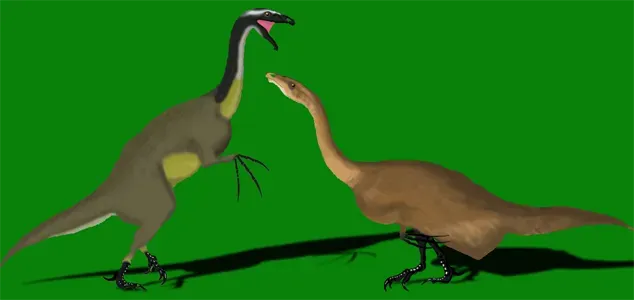
Sound was never the only tool in the dinosaur communication kit. Honestly, it may not even have been the most important one. Dinosaurs would have been able to make noise in other ways. As paleontologist Phil Senter pointed out in a review of prehistoric animal sounds, non-avian dinosaurs may have communicated with each other by hissing, clapping jaws together, grinding mandibles against upper jaws, rubbing scales together, or use of environmental materials such as splashing against water. Even without dinosaurian roars, the Mesozoic wouldn’t have been entirely quiet.
Studies suggest that dinosaurs with feathers may have used them as visual signals to attract potential mates or intimidate rivals. Although the exact coloration of dinosaurs is still uncertain, fossils have revealed the presence of vivid colors, such as red crowns or iridescent feathers, indicating the importance of color in their communication. Furthermore, feathers were likely used for elaborate displays and showmanship. Some dinosaurs had long feathers on their forearms, resembling wings, which could have been used to capture attention during mating rituals or territorial displays.
Fossils show that a Triceratops relative developed larger frills and cheek horns as it matured, suggesting that these decorations helped the species communicate and possibly catch the attention of mates. These horns and frills may have also conveyed the dinosaurs’ dominance and age to others of their kind. A silent but extremely expressive animal is still a communicating animal – you only need to watch a silverback gorilla to understand that.
What the Dinosaur Brain Tells Us About Hearing and Social Complexity
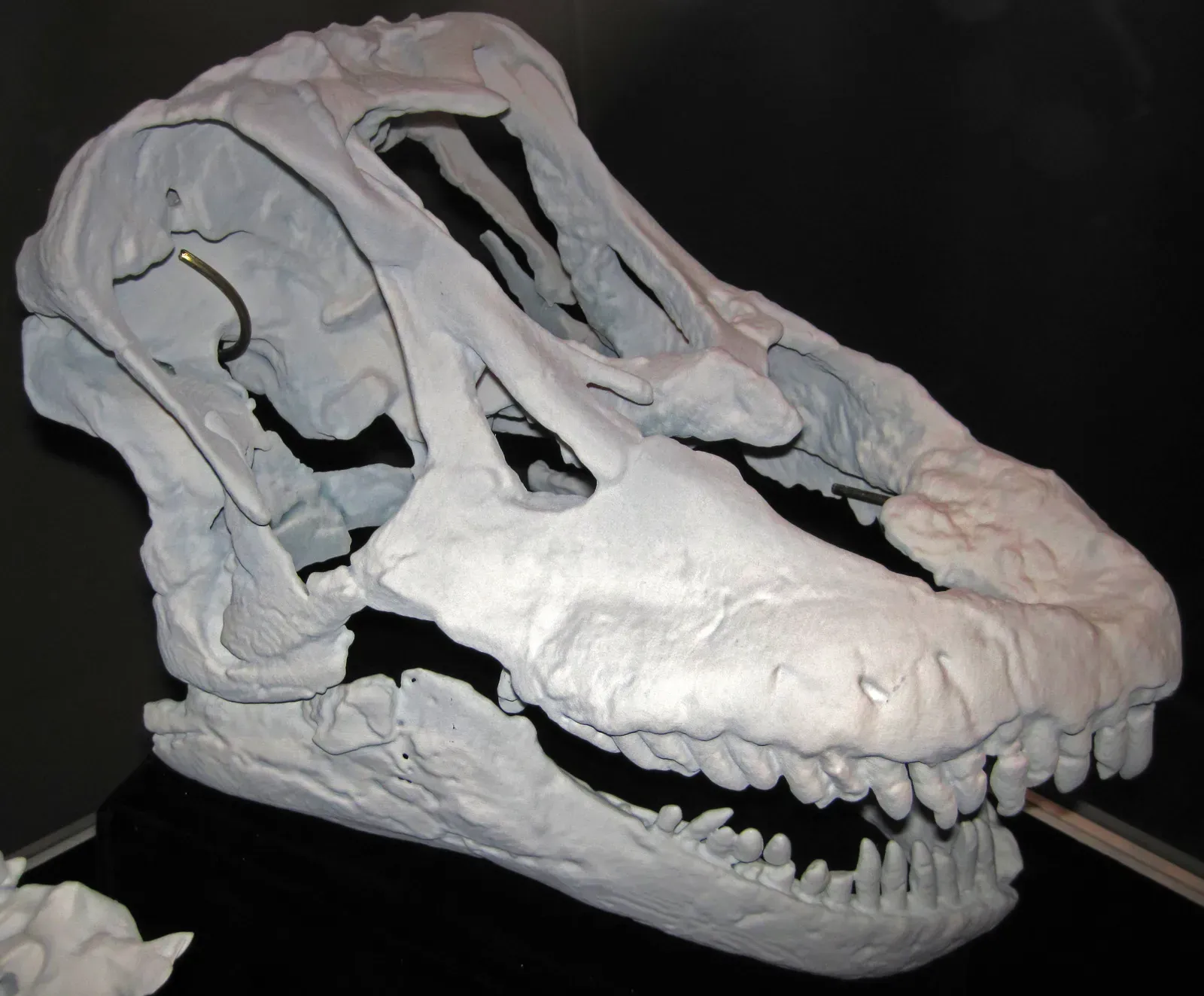
You cannot have a communication system without the ability to receive signals as much as send them. Neuroscientist Erich Jarvis of Duke University and colleagues worked around the problem of soft brain tissue not fossilizing by studying dinosaurs’ living relatives: birds. The team compared the brains of crocodiles, which evolved before dinosaurs, with the brains of birds, which descended from dinosaurs. Crocodiles and birds both have complex brain regions that help sense other animals’ vocalizations. Since birds and crocs both have these regions, dinosaurs probably did too.
Julia Clarke has conducted extensive research into this area and suggests that some dinosaurs likely had complex social structures requiring varied forms of communication, much like today’s avian species do. That is a significant statement from a serious researcher. Complex social structures demand nuanced communication – which means the ancient world was likely far more conversational than you have ever imagined. Dinosaurs may not have vocalized the same way that crocodylians or birds do, and even if their soft-tissue vocalization organs were not preserved, scientists can still study their fossilized inner ears to try and understand what sounds they might have been able to hear.
Conclusion: The Ancient World Was Never Silent
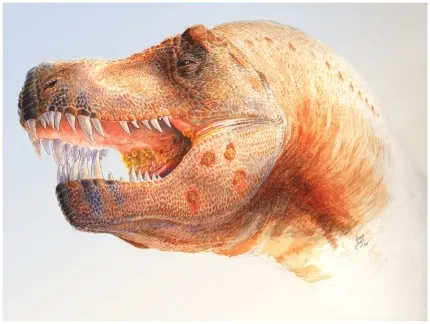
What emerges from all of this science is a picture that is far richer and stranger than any movie has ever shown you. Current scientific understanding suggests dinosaurs likely produced a diverse range of sounds, from low-frequency rumbles and booms to high-pitched chirps, hisses, and even something akin to birdsong. Their vocalizations likely depended on their species, size, social behavior, and environment, similar to modern animals. Think less Jurassic Park roar and more a complex chorus of noises used for communication, mating displays, territorial defense, and predator avoidance.
The Mesozoic world was not a silent wilderness waiting for humanity to arrive and name things. It was a planet alive with sound – resonant bellows rolling across floodplains, deep infrasonic pulses traveling for miles beneath the hearing range of most creatures, feathered creatures displaying in color and motion, and crested hadrosaurs calling out to each other with sounds shaped by millions of years of evolutionary refinement. While they might not have been the roaring, bellowing monsters of movies and TV, there’s little doubt that the dinosaurs filled the Mesozoic world with their presence in some form or other. With the right combination of science and imagination, we can nearly hear in our heads the calls of the past.
The deeper researchers dig into the fossil record, the clearer it becomes: the dinosaurs had things to say. We are only now, 66 million years later, beginning to truly listen. So next time you watch a dinosaur roar on screen, ask yourself – what if the truth was even wilder than that?