If you could step into the Late Jurassic for just a minute, the first thing that might hit you is not the sight of giant dinosaurs, but the soundscape. You probably imagine bone-rattling roars echoing through steamy jungles, thanks to decades of movies and games. But when you look at what modern science is uncovering, the real story of dinosaur voices turns out to be far stranger, softer, and more surprising than the Hollywood version in your head.
Over the last few decades, researchers have pulled sound clues out of fossils, living animals, and even physics itself. When you piece those clues together, you start to hear a different chorus: deep rumbles you feel more than hear, low coos drifting over wetlands, and subtle hisses and snorts used in quiet conversations. As you walk through this science, you are not just learning about dinosaurs; you are rebuilding an entire lost soundscape, one guess and one fossil at a time.
The Hollywood Roar Myth: Why Dinosaurs Probably Didn’t Sound Like Lions
You have been trained by pop culture to think of a tyrannosaur as a kind of land crocodile crossed with a lion, roaring at full volume with its mouth wide open. When you look at how sound actually works in big animals, that mental image starts to wobble. Large land predators today, like lions or tigers, do roar, but their sounds depend on specific soft tissues in the larynx and vocal cords that almost never fossilize, so you cannot just copy and paste those into a dinosaur throat with confidence.
On top of that, when you compare the skull shapes and internal air spaces in dinosaur fossils to modern animals, you do not see a simple match with today’s roaring mammals. Instead, you find a messy mix of reptile-like and bird-like features that suggest something more unusual. So if you have always imagined Jurassic Park–style bellows, it helps to step back and accept that the classic open‑mouth roar is more of a cinematic invention than a scientifically supported fact.
Clues in Bones and Air Sacs: Reading Sound from Fossil Anatomy
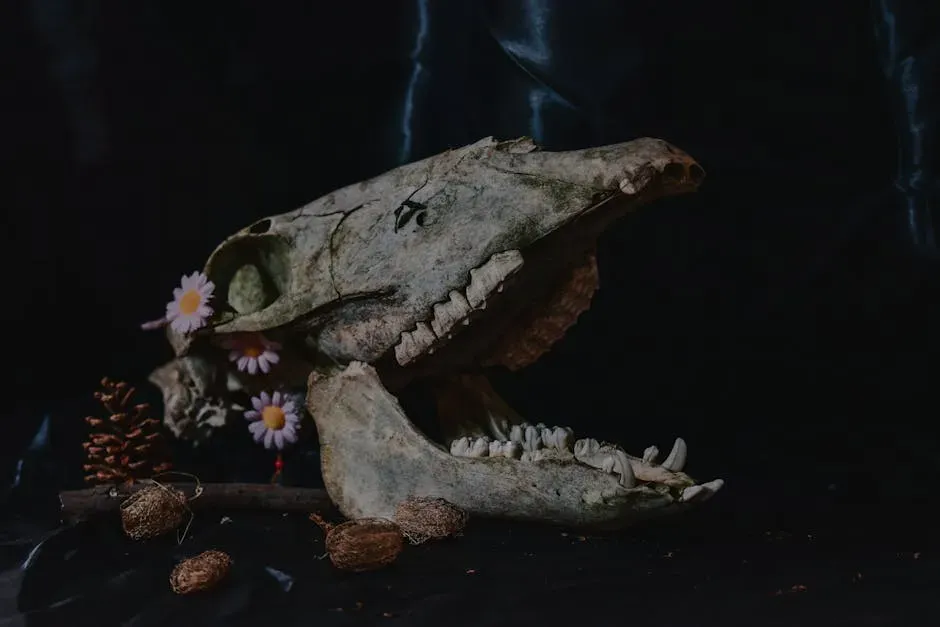
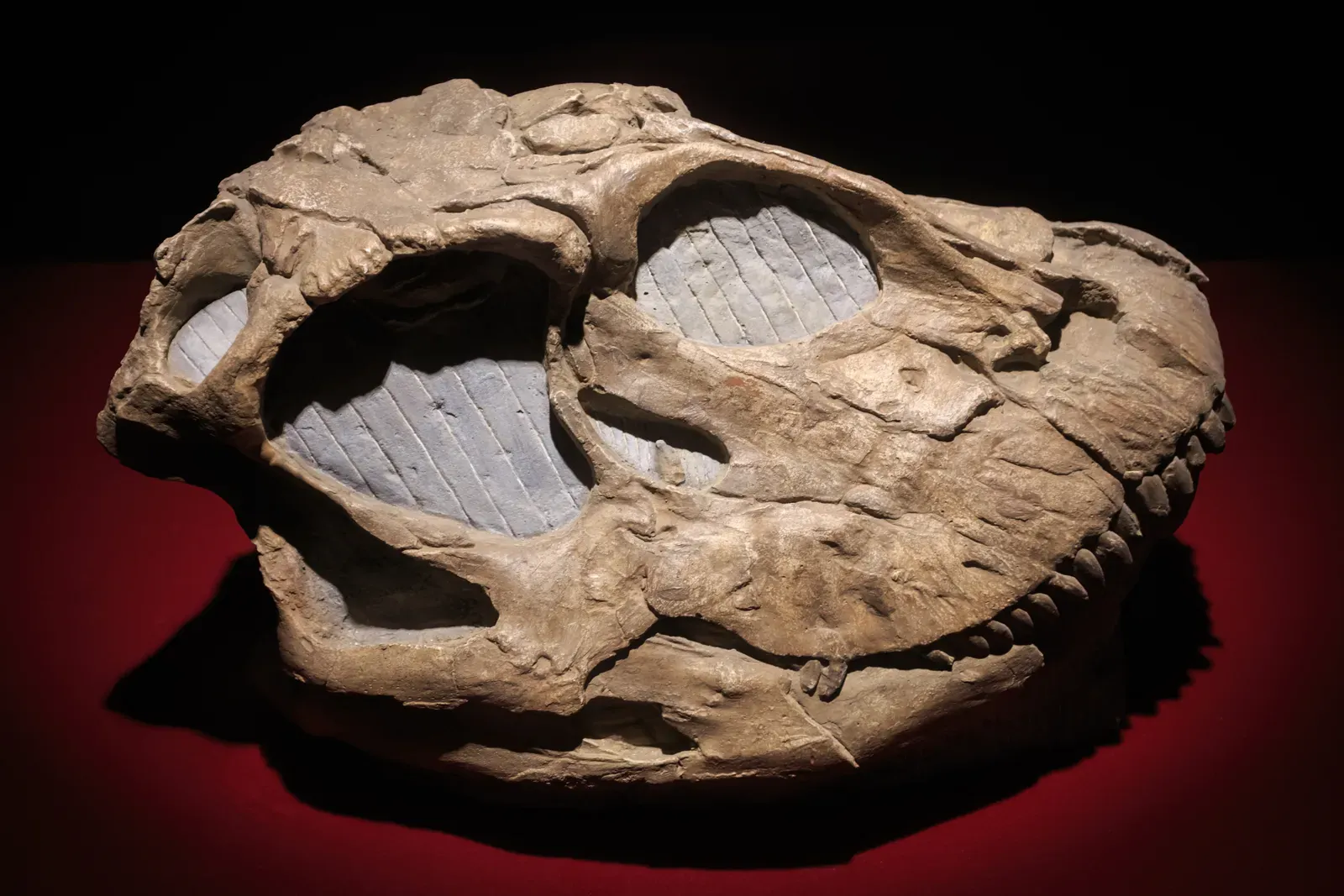
You might wonder how anyone can even guess what a dinosaur sounded like if soft tissue rarely fossilizes. The trick is that bones quietly record hints about sound systems, especially in the skull and chest. When you look at certain dinosaurs, you see complex networks of hollow spaces, sinuses, and air sacs inside the skull that resemble the resonance chambers you find in some modern birds and reptiles, which you know are used to shape and amplify sound.
Some sauropods, for example, show evidence of an air-sac system running through their vertebrae, which ties into how they breathed and possibly how they produced low-frequency vibrations. You also notice bony crests and tubes attached to nasal passages in some species that act like built‑in wind instruments. Even though you cannot see the exact vocal organ, you can often tell there was a path for air and a chamber for resonance, and from that, you can start to narrow down the kinds of sounds that were physically possible.
Ducks, Flutes, and Hadrosaur Horns: How Crests Became Instruments
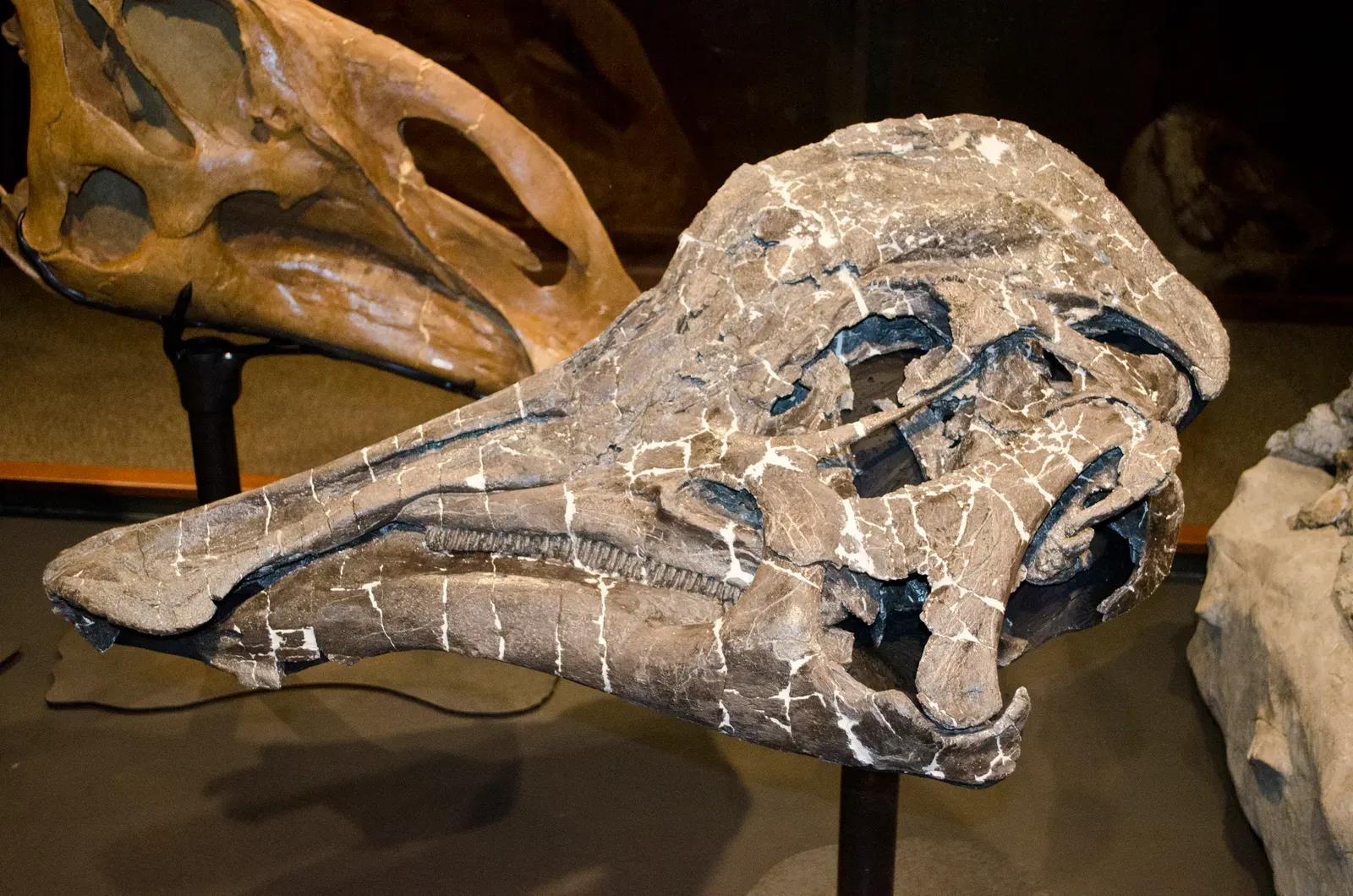
Uploaded by FunkMonk, CC BY-SA 2.0)
If you look at duck-billed dinosaurs, or hadrosaurs, you are staring right at some of the best natural sound experiments in the fossil record. Many of these animals carried long, hollow crests on their heads that connect directly to their nasal passages, almost like a built‑in trombone or flute. When air moves through those tubes, you would expect rich, resonant tones, and that is exactly what computer models suggest when you simulate airflow through reconstructed crests.
When researchers digitally rebuild those crests and run them like virtual musical instruments, you get deep, horn‑like calls that could travel a long way across open landscapes. If you picture a group of hadrosaurs, you are not just looking at a herd of silent plant‑eaters, you are hearing a chorus of low, booming notes used to stay in touch over distance, signal danger, or maybe even show off during mating season. Instead of mindless background beasts, you start to see them as skilled sound engineers using their own skulls as speakers.
Booms You Feel, Not Hear: Low-Frequency Calls and Seismic Signals
You are used to thinking about sound as something you hear with your ears, but large animals often use frequencies so low that you feel them in your chest before you consciously register them. When you compare the body sizes of big dinosaurs to modern large animals like elephants and crocodiles, you see a strong case for low-frequency, long‑distance communication. These types of calls can travel far, bend around obstacles, and pass through vegetation in ways that higher-pitched sounds cannot manage as easily.
There is also the possibility that some dinosaurs used vibrations through the ground, similar to how elephants pick up distant signals through their feet and bones. With massive bodies and heavy footfalls, certain dinosaurs could have produced and detected subtle tremors as part of their communication system. If you imagine a distant sauropod herd, you might picture the ground carrying slow pulses of information long before any predator comes into sight or earshot.
From Roars to Coos: Why Birds and Crocodiles Hold So Many Answers
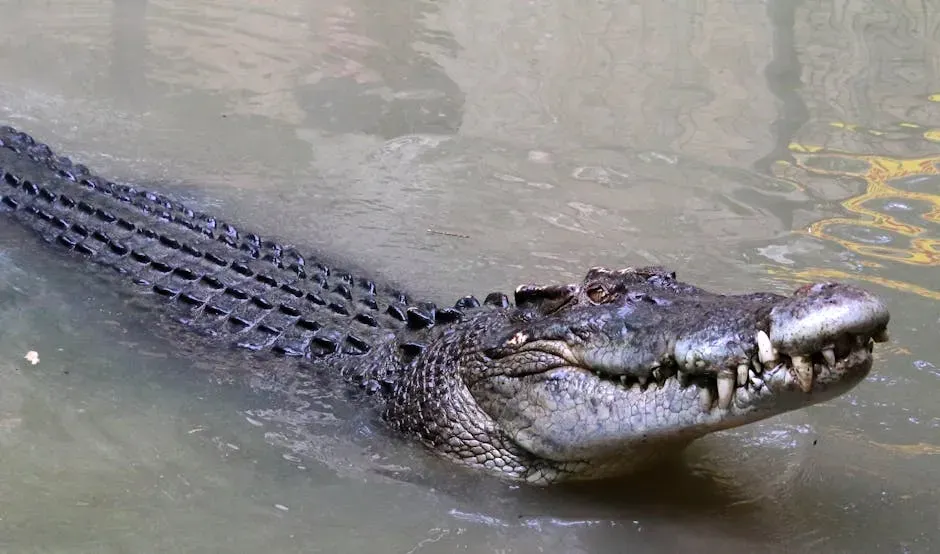
You do not have living dinosaurs to record, but you do have their closest surviving relatives: birds and crocodilians. When you watch a crocodile call, you are seeing a big reptile capable of surprisingly deep, resonant sounds, sometimes with its mouth barely open. Birds, on the other hand, can produce a staggering variety of calls, from soft coos to complex songs, thanks to a unique vocal organ at the base of their windpipe, and that structure gives you a big hint about what some dinosaur lineages might have evolved.
By studying how sound scales with body size and anatomy in these living groups, you can place dinosaur possibilities on a spectrum between them. Big theropods might have behaved more like giant croc-bird hybrids, relying on low rumbles, hisses, and grunts rather than cinematic bellows. Smaller or more bird‑like dinosaurs may have relied on more intricate calls, chirps, or cooing sounds, especially in social groups where vocal nuance pays off. When you listen carefully to a swamp full of birds and crocs today, you are probably hearing, in rough outline, the kind of acoustic palette dinosaurs once used.
Closed-Mouth Vocalizations: Silent Mouths, Powerful Calls
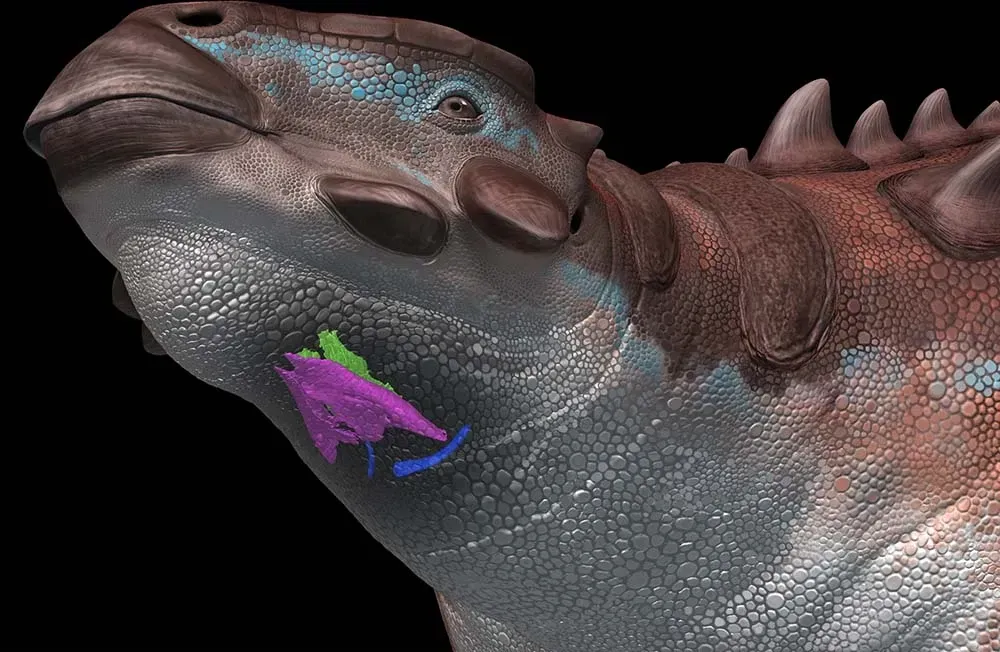
One of the stranger ideas you bump into is that many dinosaur calls might have been made with their mouths mostly closed. In modern animals like pigeons, doves, and some crocodilians, powerful calls come from vibrating internal tissues while the mouth stays shut, causing the neck or chest to swell. This closed‑mouth style produces low, muffled, yet far‑carrying sounds that do not look dramatic on screen but are extremely effective if you want to communicate without broadcasting a clear visual cue to every predator nearby.
When you map this behavior onto large dinosaurs with big, flexible necks and extensive air sacs, closed‑mouth vocalizations make even more sense. Instead of open‑jawed screaming, you might picture a huge animal standing still, chest and throat expanding as a deep hum or boom rolls out across the landscape. For you, this flips the mental image from constant roaring chaos to a more subtle, pulsing soundscape where power comes from vibration and resonance rather than sheer volume and show.
Baby Calls, Herd Chatter, and Courtship Songs: A Social Soundscape
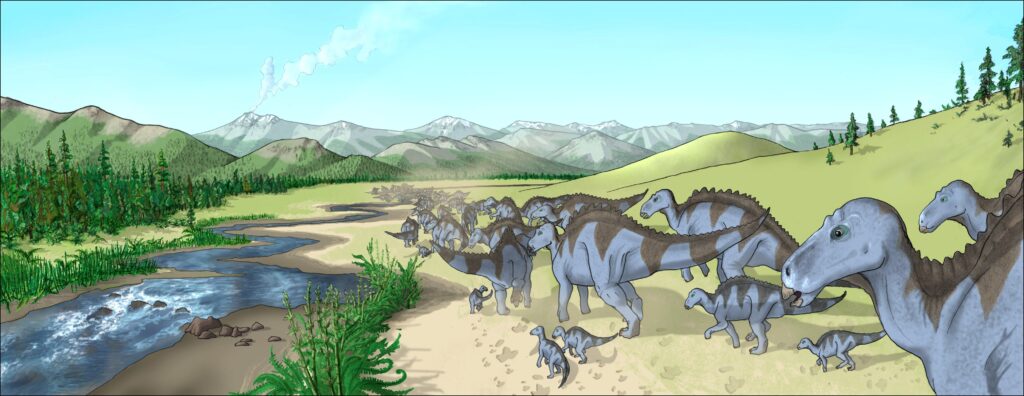
Once you accept that dinosaurs had the anatomical tools to make complex sounds, you can start to think about how they might have used them in their daily lives. You can compare them to modern animals with similar body plans and lifestyles and see patterns that almost certainly carried over: high‑pitched contact calls between parents and young, urgent alarm calls when a predator approached, and deeper, rhythmic calls used in courtship or dominance displays. Even simple grunts and snorts become meaningful when you imagine them layered into a busy, social environment.
Herd‑living dinosaurs, in particular, probably depended heavily on vocal signals to keep groups organized and coordinated. If you have ever been in a noisy train station where you still somehow recognize a friend’s voice in the crowd, you already understand how individuals in a herd might pick each other out by characteristic pitches or rhythms. Over time, you get a picture of dinosaur environments not as mute dioramas, but as constantly buzzing communities filled with overlapping calls, just like a modern wetland or savanna.
Recreating Ancient Voices: How You Can “Hear” Dinosaurs Today
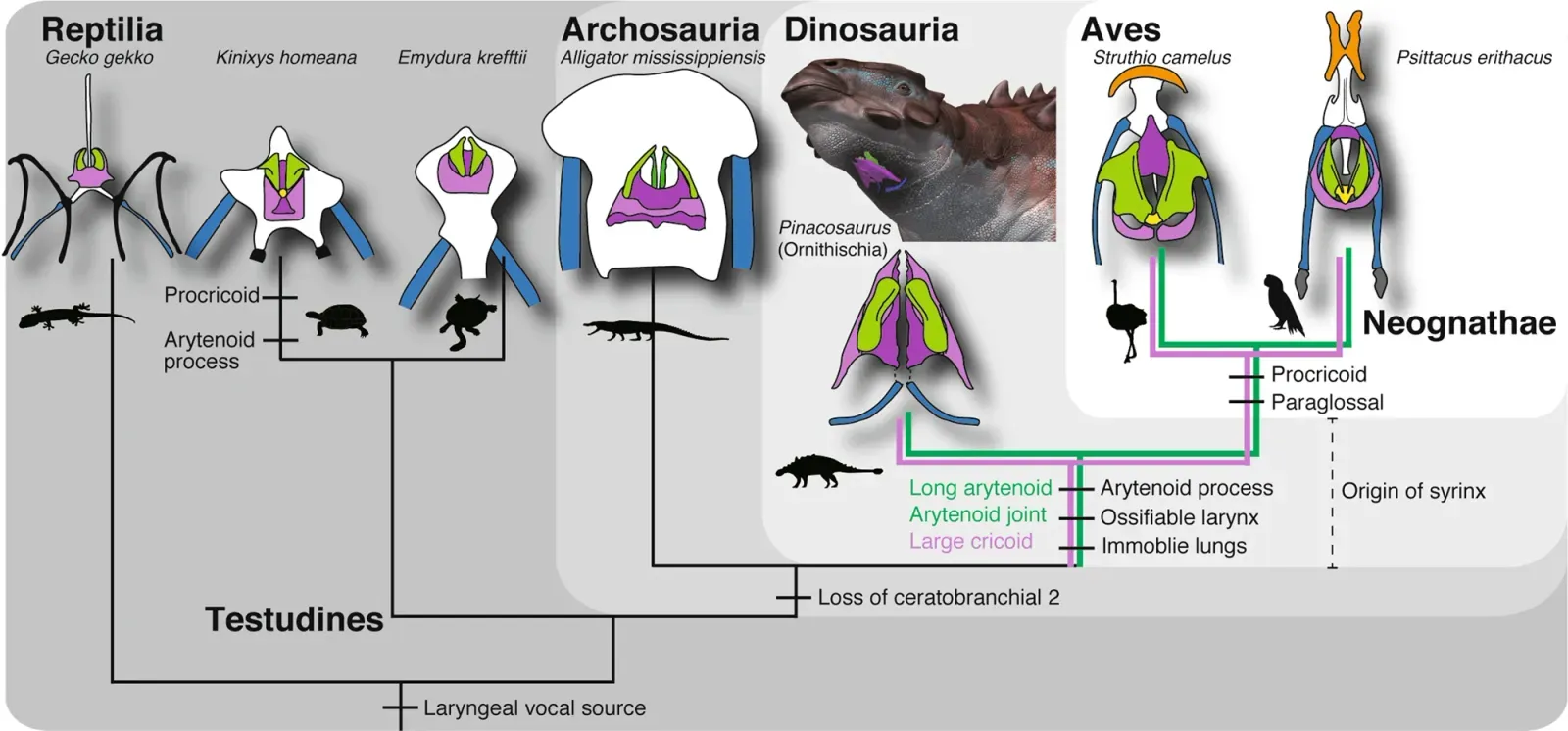
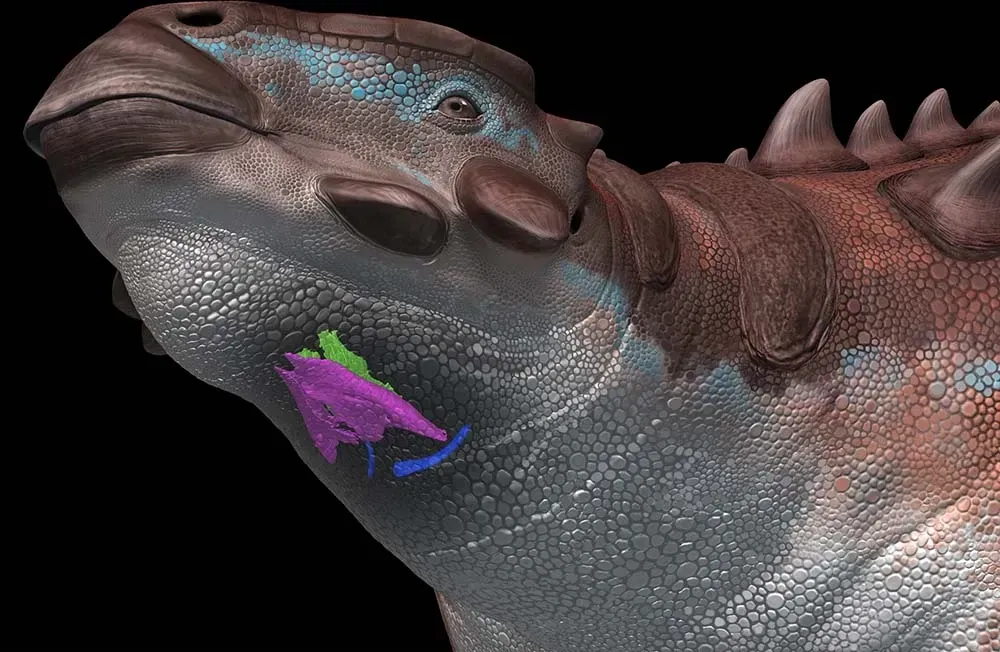
Even if you will never hear an authentic dinosaur recording, new technology gets you tantalizingly close to plausible reconstructions. Researchers have used CT scans of fossils to digitally rebuild air passages, run airflow simulations, and then convert those pressures into audible sounds. When you listen to these reconstructions, you are not hearing a perfect time machine, but you are hearing something grounded in physics, anatomy, and comparisons to living animals rather than pure imagination.
As audio software, 3D modeling, and biomechanical simulations keep improving, you can expect those reconstructions to become more realistic, more varied, and more widely shared. Museum exhibits can now let you experience immersive soundscapes where different dinosaur calls overlap, giving you a better emotional sense of their world than bones alone ever could. If you lean into that combination of evidence and creative but careful modeling, you find yourself not just looking at dinosaurs, but almost hearing them breathe, call, and respond to one another in ways that feel strangely familiar.
When you pull all these threads together, you end up with dinosaur voices that are quieter, stranger, and more nuanced than the roaring monsters you grew up with. You keep discovering that the more closely you listen to modern birds and crocodiles, the more you can imagine ancient calls that were felt in your chest, heard over long distances, and woven into dense social lives. If you could hear that lost world for just a few minutes, what unexpected sound do you think would surprise you the most?