
Have you ever walked away from a conversation feeling uneasy, even though everything the other person said sounded perfectly reasonable? That quiet discomfort is not just anxiety or overthinking. It is your mind picking up on signals that your conscious brain hasn’t fully processed yet. People are complex, layered creatures, and the truth about what they want rarely lives in their words.
Human behavior is rarely random. What people say is often less important than what they do, how they react, and what they avoid doing. Psychology shows that true intentions usually appear through small, unconscious behaviors rather than dramatic actions or words. Once you know what to look for, the picture becomes a lot clearer. Let’s dive in.
1. Their Actions Consistently Contradict Their Words

This one sounds obvious, but you’d be shocked how often people dismiss it. People can promise anything, but their patterns will always tell you the truth. If someone’s words and actions don’t match up, believe what they do, not what they say. It’s one of the most reliable signals out there.
People with hidden agendas often use words as tools to gain trust. They promise big things but fail to act consistently. Think of it like a leaky tap. One drip means nothing. Fifty drips a day means there’s a real problem in the pipes. Patterns, not promises, tell the whole story.
2. They Vanish During Difficult Moments

Here’s the thing about people’s true colors: adversity has a way of revealing them faster than anything else. If someone pulls away, avoids conversations, or emotionally disappears during difficult moments, it often indicates that their intention is convenience, not commitment. Psychology shows that people who care about long-term connection stay present even when it’s uncomfortable.
Disappearing when things get hard is not a personality quirk. It’s information. Someone who only shows up for the good times is essentially telling you their limits without saying a word. Pay attention to who reaches out when you’re struggling, not just when you’re thriving.
3. They Test Your Boundaries Gradually

Many people don’t cross boundaries suddenly – they test them gradually. This behavior often reveals an intention to see how much control or freedom they can gain. It starts small. A casual joke that goes slightly too far. A favor that feels a little too convenient. It starts with small favors, emotional tests, or “accidental” mistakes to see how much they can get away with.
If someone respects you, they adjust when a boundary is set. If they keep testing, their intention is usually self-serving. Honestly, this is one of the clearest litmus tests you can run. Say no once and watch what happens. The reaction you get will tell you more than months of nice behavior ever could.
4. They Practice Selective Empathy

True empathy is consistent. Selective empathy appears only when it benefits the person showing it. You’ve probably met this type. They’re full of compassion when you need something they can provide, or when your situation makes them look good for caring. Genuine empathy isn’t situational or transactional; it’s authentic. If someone can turn their compassion on and off like a faucet, you’re seeing their true character.
This behavior often reveals an intention to receive emotional benefits without giving them back. Think of it like a vending machine. They only reach in when they expect something to come out. Real empathy doesn’t come with strings attached, and deep down, you already know the difference when you feel it.
5. They Become Evasive or Defensive When Questioned

People with honest intentions usually welcome clarity. People with hidden motives often prefer vagueness. Psychology suggests the person may be protecting hidden intentions. When you ask a straightforward question and you get a roundabout answer full of detours, that’s not a coincidence. When someone is avoiding direct questions or becoming overly defensive when confronted with certain topics, it may indicate that they’re hiding something or uncomfortable with the truth. This can be particularly evident in situations where people are asked to provide specific details or clarify their actions.
Honest people may feel uncomfortable, but they don’t attack someone for seeking understanding. Defensiveness is one thing. Turning your question into an attack on you is another level entirely. If asking for a simple explanation suddenly makes you the villain in the conversation, pay close attention to why that switch happened so fast.
6. They Overcompensate With Constant Declarations of Honesty

Let’s be real: people who are genuinely trustworthy rarely feel the need to announce it. Individuals who constantly emphasize how honest they are or how much they value a particular trait may actually be trying to hide the opposite. They could be overcompensating for their lack of that very quality. It’s a psychological defense mechanism that slips out more often than people realize.
For instance, someone who continuously insists they’re not upset might actually be seething inside, or a person professing their commitment to a project while constantly missing deadlines could be trying to mask their lack of dedication. Paying attention to these signs of overcompensation can reveal hidden truths. The loudest declarations are often the least reliable ones. Actions, not affirmations, are where the truth lives.
7. Their Body Language Contradicts Their Spoken Words

When someone says one thing but their body communicates something else, it’s a strong indicator of hidden intentions. Your nervous system picks up on these contradictions before your brain even has time to think them through. Microexpressions, hand gestures, and posture all register in the human brain almost immediately – even when a person is not consciously aware they have perceived anything. For this reason, body language can strongly color how an individual is perceived.
The body often reveals what the mouth conceals. Learning to read non-verbal communication can provide powerful insights into someone’s true feelings and intentions. Microexpressions are fleeting facial expressions that can betray emotions someone is trying to hide. For example, a flash of anger or fear may occur before the person composes themselves. The body is basically running its own parallel conversation the whole time. It’s just that most people aren’t fluent in that language yet.
8. Their Kindness Switches On Only When They Need Something

Watch how someone behaves with people they don’t need. If they’re kind only to people who are useful to them but rude to others, it reflects selfish or opportunistic intentions. Character shows in how someone treats those who can offer nothing in return. This is one of the most revealing tests of all, and you don’t even need to run it yourself. Just observe.
Think about how a person behaves with a waiter at a restaurant versus the CEO of a company. That contrast tells you almost everything. People reveal their motives when they stop benefiting. Over-kindness isn’t care. It’s often a setup. Genuine warmth doesn’t have an on-off switch, and if you look closely enough, you’ll always spot the pattern.
9. They Use Future Promises to Keep You Invested

I think this one catches more people off guard than almost anything else. They paint elaborate pictures of your future together – trips you’ll take, business ventures you’ll start, or life goals you’ll achieve as a team. Sounds romantic, right? Wrong. Future faking keeps you invested in a relationship by dangling carrots that never materialize.
People with hidden agendas never want you to feel completely safe. They keep you guessing, waiting, or doubting yourself because when you’re confused, you’re easier to control. Future promises without present follow-through are like a GPS that keeps rerouting but never actually gets you to the destination. The scenery changes, the direction changes, but somehow you never arrive.
10. Their Behavior Is Strikingly Inconsistent Over Time

True intentions always reveal themselves through patterns. One day they’re warm, the next day distant or cold. Such inconsistency can mean they’re unsure, manipulative, or hiding their real motives. Inconsistency is exhausting to be around, and it’s not an accident. Inconsistencies in behavior over time can indicate that someone isn’t being authentic or is trying to hide something. This can be particularly evident in situations where people are trying to maintain a certain image or reputation.
The strongest indicator of true intentions is consistency over time. Psychology emphasizes that long-term patterns matter more than isolated moments. A single bad day means nothing. A repeating cycle of hot and cold, close and distant, caring and dismissive? That’s the pattern revealing itself. When someone’s affection becomes a slot machine, you’re being psychologically hooked. Healthy relationships have consistency, not constant emotional whiplash.
11. They Resist Accountability and Always Play the Victim
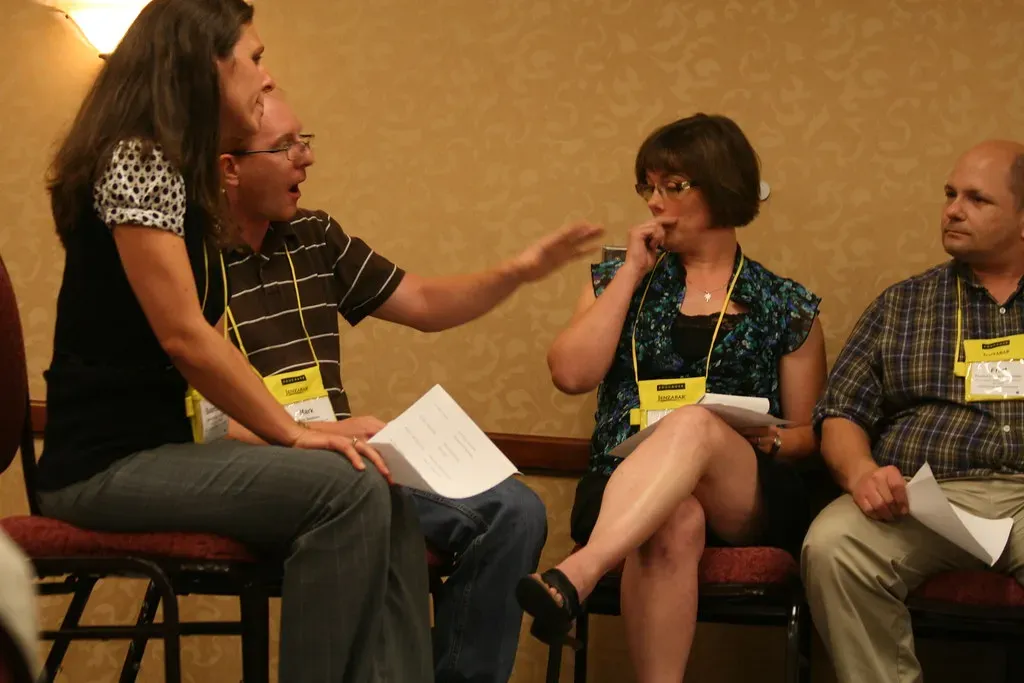
It’s hard to say for sure whether people who constantly play the victim are aware of it or not, but the effect is the same either way. While everyone faces hardships, notice if they’re perpetually the innocent victim in every single conflict. Here’s the thing: if someone’s constantly surrounded by “crazy” people or “unfair” situations, maybe they’re the common denominator. They use victim status to avoid accountability and gain sympathy.
While individual actions can be misleading, a person’s consistent pattern of behavior is often a reliable indicator of their true intentions. If a colleague consistently takes credit for others’ work, it’s likely not a series of misunderstandings but a sign of their intention to climb the ladder at the expense of others. Someone who never owns their role in any conflict isn’t just unlucky. They’re protecting something. And that something is usually far more revealing than any single thing they’ve ever said.
Conclusion: Trust What You See, Not Just What You Hear

Reading people isn’t about becoming paranoid or suspicious of everyone in your life. It’s about developing the kind of awareness that helps you choose your relationships wisely. Understanding someone’s true intentions is a valuable skill in personal relationships, professional settings, and negotiations. While most people are straightforward, others might conceal their true motives, whether to gain an advantage, protect themselves, or manipulate outcomes. Mastering the art of discerning hidden intentions requires attentiveness, critical thinking, and emotional intelligence.
Your gut instinct is an accumulation of countless subtle cues and past experiences that your conscious mind may not immediately process. When something feels “off” about a person or situation, it’s often your intuition alerting you to something your conscious mind hasn’t yet caught up with. Trust your instincts as they are your subconscious mind’s way of protecting you. The patterns covered in this article are not weapons to use against people. They are tools to help you see clearly. Because at the end of the day, the most important relationship you can protect is the one you have with your own judgment. What did you recognize in someone around you today? Share your thoughts in the comments below.