There is something almost supernatural about pulling secrets from a creature that died tens of millions of years ago. The idea that a bone, a footprint, or even a fragment of frozen skin can speak to us across unimaginable stretches of time feels less like science and more like sorcery. Yet here we are, in 2026, and paleontology is doing exactly that – rewriting what you thought you knew about life on Earth, one groundbreaking discovery at a time.
What makes this era so extraordinary is not just the fossils being unearthed, but the astonishing toolkit scientists now have to decode them. From artificial intelligence that identifies dinosaur tracks to machines that peer inside fossilized bone without cracking it open, the field has transformed into something its Victorian-era founders would barely recognize. If you have ever wondered how much of prehistory remains hidden right beneath your feet, prepare to be genuinely surprised by what follows.
CT Scanning: Seeing Inside the Unbreakable
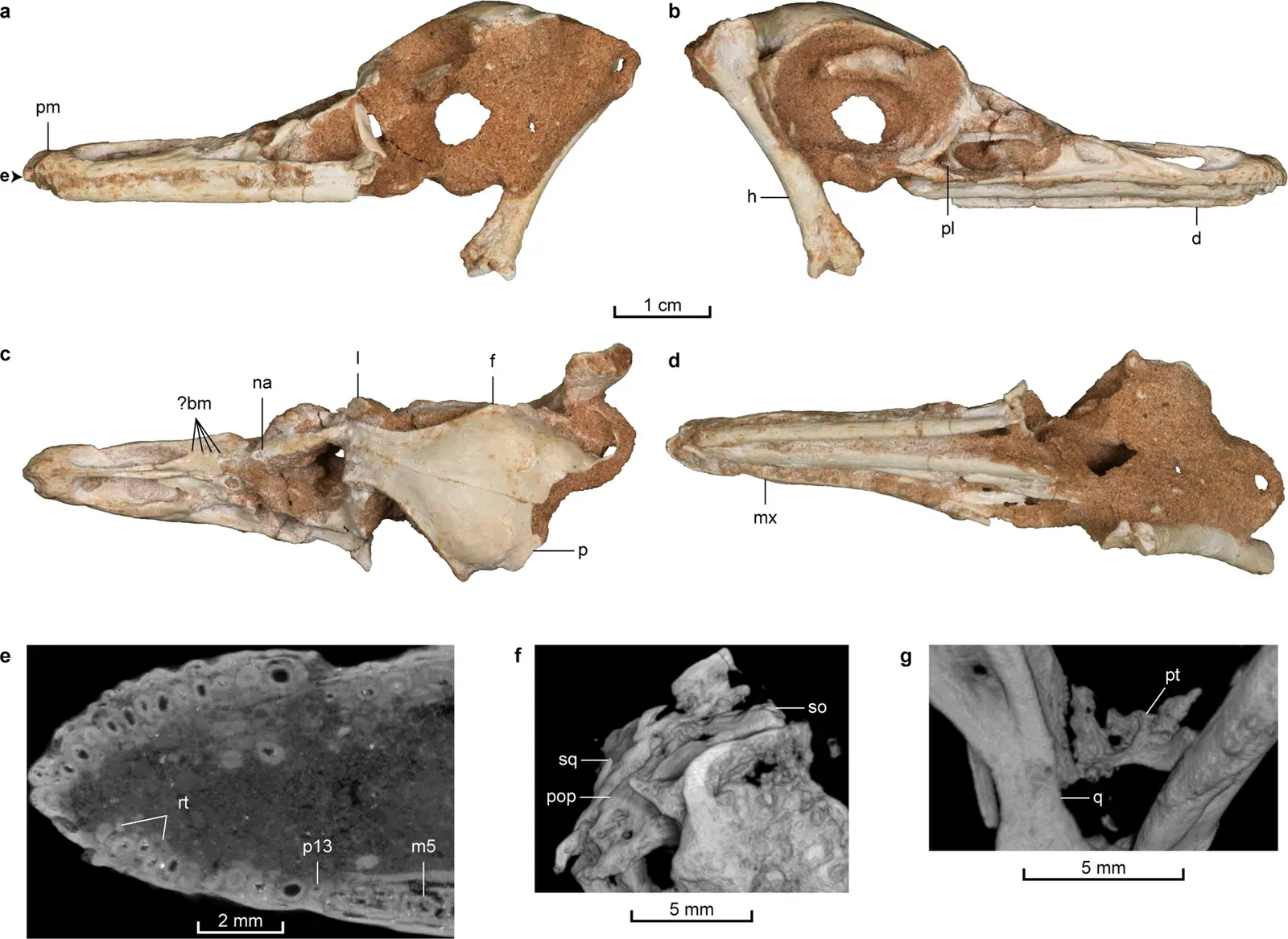
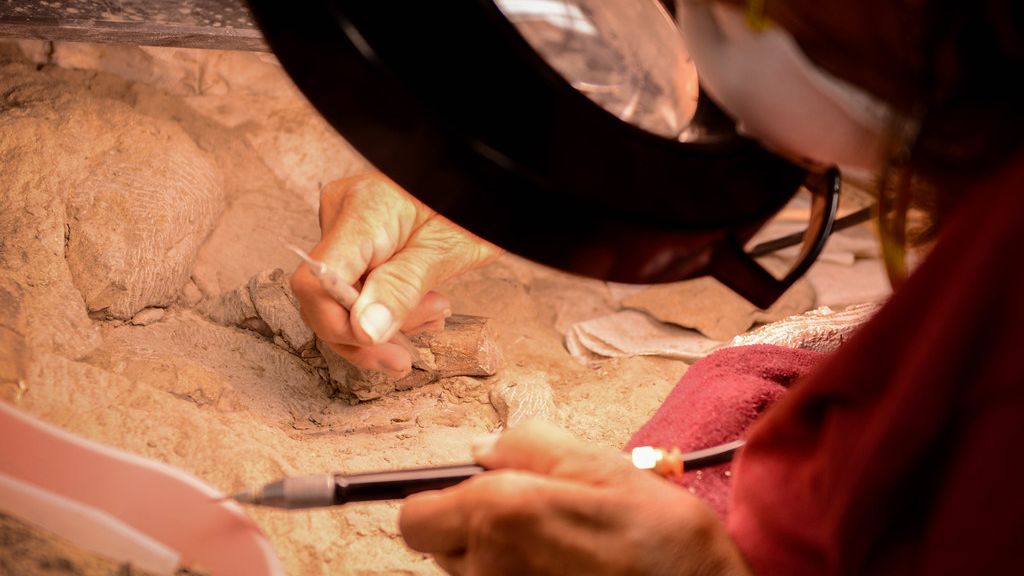
Imagine being handed a priceless, ancient artifact and told you must extract all its secrets without laying a single finger on it. That is essentially the challenge paleontologists face every time a rare fossil lands on their workbench. Paleontology has undergone a revolution in recent years thanks to advancements in imaging technology, and among these, X-ray computed tomography has emerged as a transformative tool, allowing researchers to peer into the depths of fossils without damaging these precious remnants of the past.
CT has become a widely used, nondestructive, and accurate tool for collecting fossil data. It is an advanced technique used to investigate the internal structure of fossils by acquiring thousands of serial images to produce accurate internal morphological 3D reconstructions. Think of it as slicing a loaf of bread mathematically, without ever touching the bread itself. X-ray micro-computed tomography, developed in the late 1980s, has become an invaluable technique for fossil imaging, offering high-resolution sub-millimeter detail.
Using advanced imaging techniques such as X-ray scanning and high-resolution histological analysis, scientists were able to study a fossil at the cellular level. A 125-million-year-old dinosaur just rewrote what we thought we knew about prehistoric life. Scientists in China uncovered an exceptionally preserved juvenile iguanodontian with fossilized skin so detailed that individual cells are still visible. I think you have to pause and really let that sink in. Individual cells. From 125 million years ago.
Scientists found that individual skin cells had been preserved for approximately 125 million years. This level of detail allowed them to reconstruct the structure of unusual hollow spikes embedded in the skin. These spikes, described as cutaneous because they originate in the skin, covered much of the dinosaur’s body. Unlike horns or bony plates, they were not solid extensions of bone. Instead, they were hollow structures, a feature that has never previously been observed in dinosaurs.
Ancient DNA: Reading the Blueprint of Extinct Life
You might think of DNA as something belonging strictly to the living. Yet science has spent decades proving otherwise, and the results are staggering. Nuclear and mitochondrial DNA recovered from archaeological and paleontological specimens is called ancient DNA, which can be extracted from a large variety of biological materials of different origin, state of preservation, and age, such as bones, teeth, coprolites, mummified tissues, and hairs. That list alone is remarkable. We are talking about recovering genetic code from fossilized feces.
There are many applications for ancient DNA research in the field of archaeology and paleopathology, including population demography, genealogy, disease studies, archaeological reconstruction of plant vegetation, calibration of the molecular clock, phylogenetic relationship between different mammals, and interpretation of the paleoclimate. Honestly, that is an almost absurd range of applications for a molecule pulled from the teeth of something long dead. Published articles on paleogenetics have increased exponentially in recent years, and the advent of sophisticated new methodologies such as genomics and proteomics are providing unimaginable results only a few years ago.
Ancient DNA has revolutionized the study of extinct and extant organisms that lived up to 2 million years ago, enabling the reconstruction of genomes from multiple extinct species, as well as the ecosystems where they once thrived. However, current DNA sequencing techniques alone cannot directly provide insights into tissue identity, gene expression dynamics, or transcriptional regulation, as these are encoded in the RNA fraction. This is where the story gets even more fascinating. DNA gives you the blueprint, but RNA tells you which rooms are actually being built.
Ancient RNA: The Newest Molecular Frontier
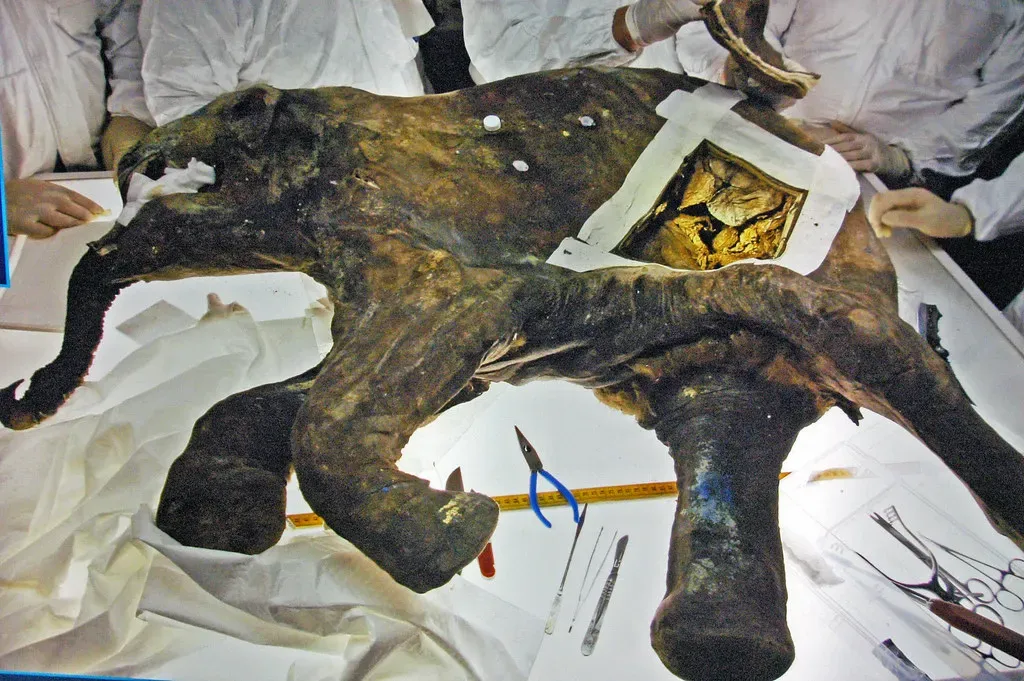
Here is the thing – scientists once assumed RNA was simply too fragile to survive long after death. Molecular biology textbooks said it degrades within minutes or hours. That assumption has now been spectacularly demolished. RNA molecules have been successfully extracted and sequenced from 40,000-year-old woolly mammoth tissue, marking the oldest RNA ever recovered. The implications of that sentence are hard to overstate.
Researchers from Stockholm University managed for the first time ever to successfully isolate and sequence RNA molecules from Ice Age woolly mammoths. These RNA sequences are the oldest ever recovered and come from mammoth tissue preserved in the Siberian permafrost for nearly 40,000 years. The study, published in the journal Cell, shows that not only DNA and proteins, but also RNA, can be preserved for very long periods of time, and provide new insights into the biology of species that have long since become extinct.
Within the data, researchers were able to detect messenger RNA molecules, which code proteins, as well as microRNA, which regulates the activity of genes. Together, they revealed some of the biology that was going on in the cells of this mammoth right before it died. It is almost like reading a creature’s final diary entry. The findings show that RNA, including microRNAs, can persist far longer than previously believed, enabling direct analysis of gene activity and regulation in extinct species. This opens new possibilities for studying ancient biology and RNA viruses in preserved remains.
Artificial Intelligence: The New Fossil Hunter
(license), CC BY 4.0)
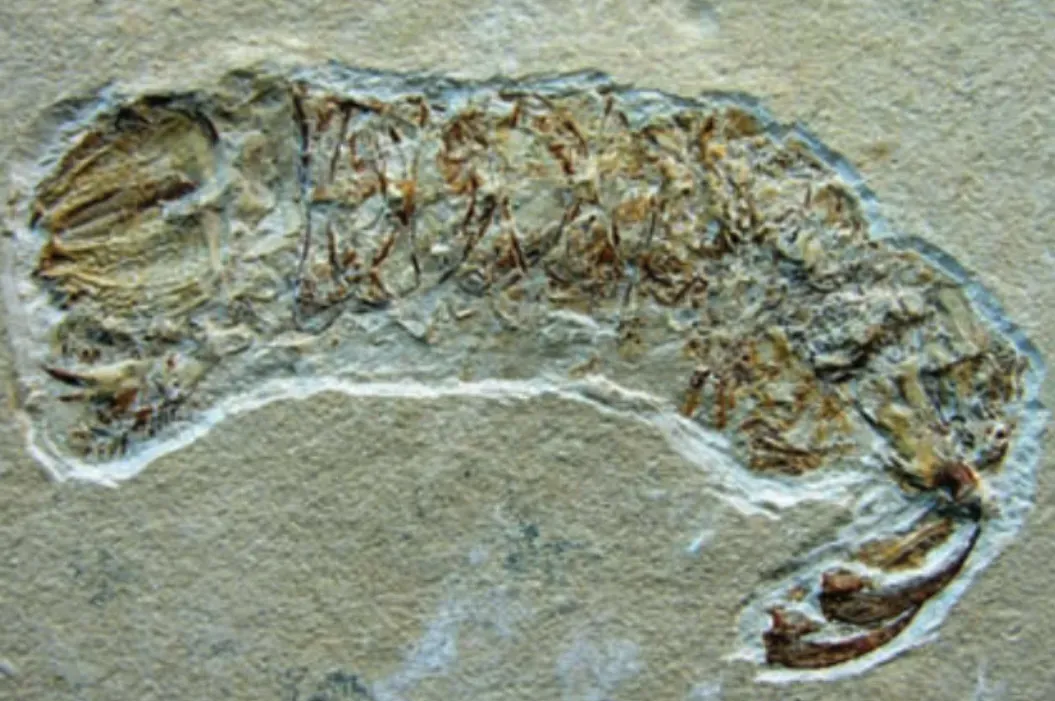
Let’s be real – identifying fossils manually is painstaking work. It can take years of expert training and still leaves room for human bias and error. That is changing fast. Traditionally, paleontology has relied heavily on manual methods for identifying, classifying, and interpreting fossils, a process that while foundational is not only time-consuming but also prone to human error and subjectivity. The introduction of machine learning into paleontological research is revolutionizing the field, enabling scientists to process and interpret vast amounts of data with unprecedented speed, precision, and accuracy. This is a fundamental change in how paleontologists uncover and understand patterns and relationships that were previously hidden within the data.
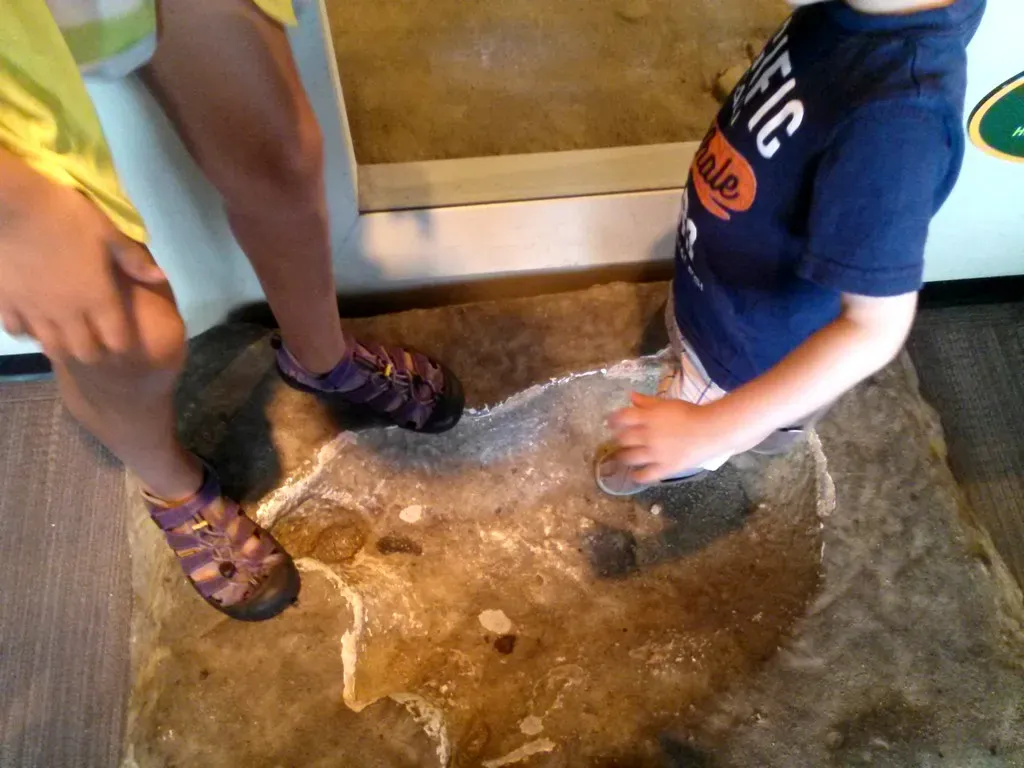
Dinosaur footprints have always been mysterious, but a new AI app is cracking their secrets. DinoTracker analyzes photos of fossil tracks and predicts which dinosaur made them, with accuracy rivaling human experts. Extraordinary, isn’t it? You could potentially photograph a fossilized footprint with your phone and have an AI tell you the dinosaur species within seconds. An unsupervised neural network processed a dataset of nearly 2,000 dinosaur tracks, which recognizes eight ways in which they most vary, and finds that problematic bird-like tracks are more similar to modern and fossil birds than any other dinosaur.
Training an image-based AI algorithm for fossil identification requires approximately 250 specimens per species to achieve over 90% accuracy, a lower threshold than previously assumed. That is a game-changer for fields where complete specimens are rare. Machine learning has become an increasingly powerful tool for addressing various challenges in paleontology, including fossil identification and taxonomic classification. In recent years, ML techniques, particularly deep learning and computer vision, have been increasingly adopted for tasks such as morphological analysis, paleoecological inference, and data-driven taxonomic revision.
Molecular Preservation: Metabolic Time Capsules in Bone
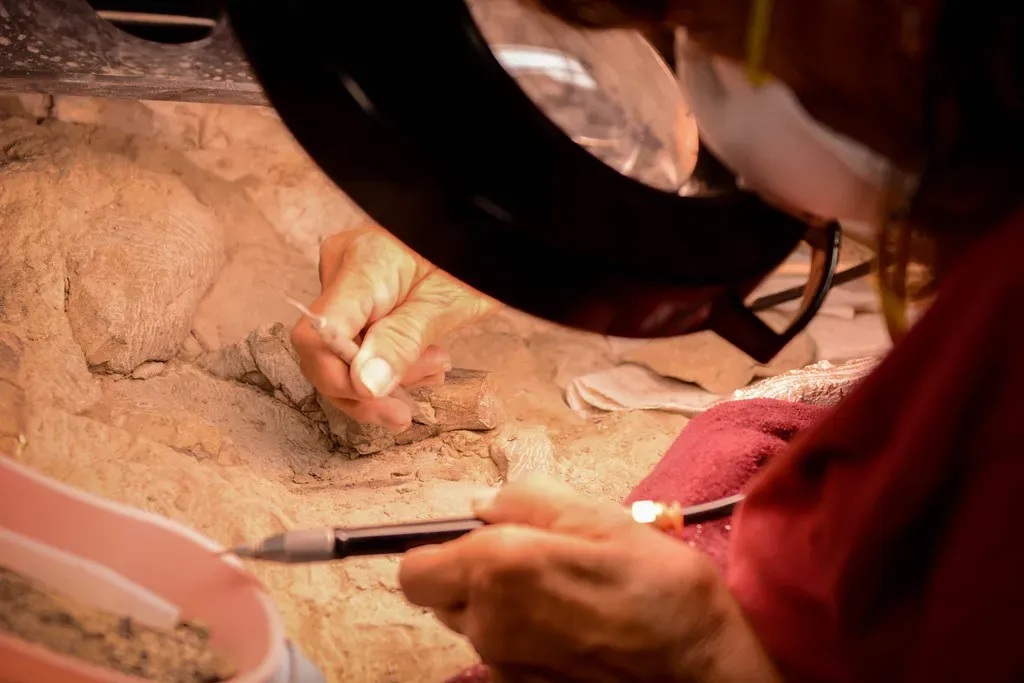
You would never guess that something as mundane as metabolic chemistry could survive inside a fossilized bone for millions of years. It sounds almost impossible. Yet that is precisely what researchers reported at the start of 2026. Researchers have uncovered thousands of preserved metabolic molecules inside fossilized bones millions of years old, offering a surprising new window into prehistoric life. Thousands of molecules. The sheer scale of that preservation boggles the mind.
Advanced chemical imaging provides the ability to identify and quantify chemical characteristics to evaluate taphonomic damage, original biological structures, or fossil microbes. Molecular methods such as molecular clock, DNA barcode, racemization dating, and biomarkers offer a unique source of information and provide robust clues into the co-evolution of life in modern and past environments. It is a bit like discovering that an ancient text hasn’t just survived but still has wet ink on its pages.
Advances in fossil protein sequencing and bone micro-analysis are expected to unlock new biological details from iconic specimens, and renewed attention on ancient forests and early land plants may reveal how ecosystems rebounded after ancient climate shocks. The field is accelerating in ways that feel almost science-fictional. New molecular technologies have enabled intensive analyses of vertebrates and invertebrates, plant fossils, fossilized microbes, trace fossils, and fossil molecules alike. Paleontological research has become interdisciplinary with inputs from geology, chemistry, biology, astronomy, and archaeology.
3D Reconstruction and Virtual Paleontology
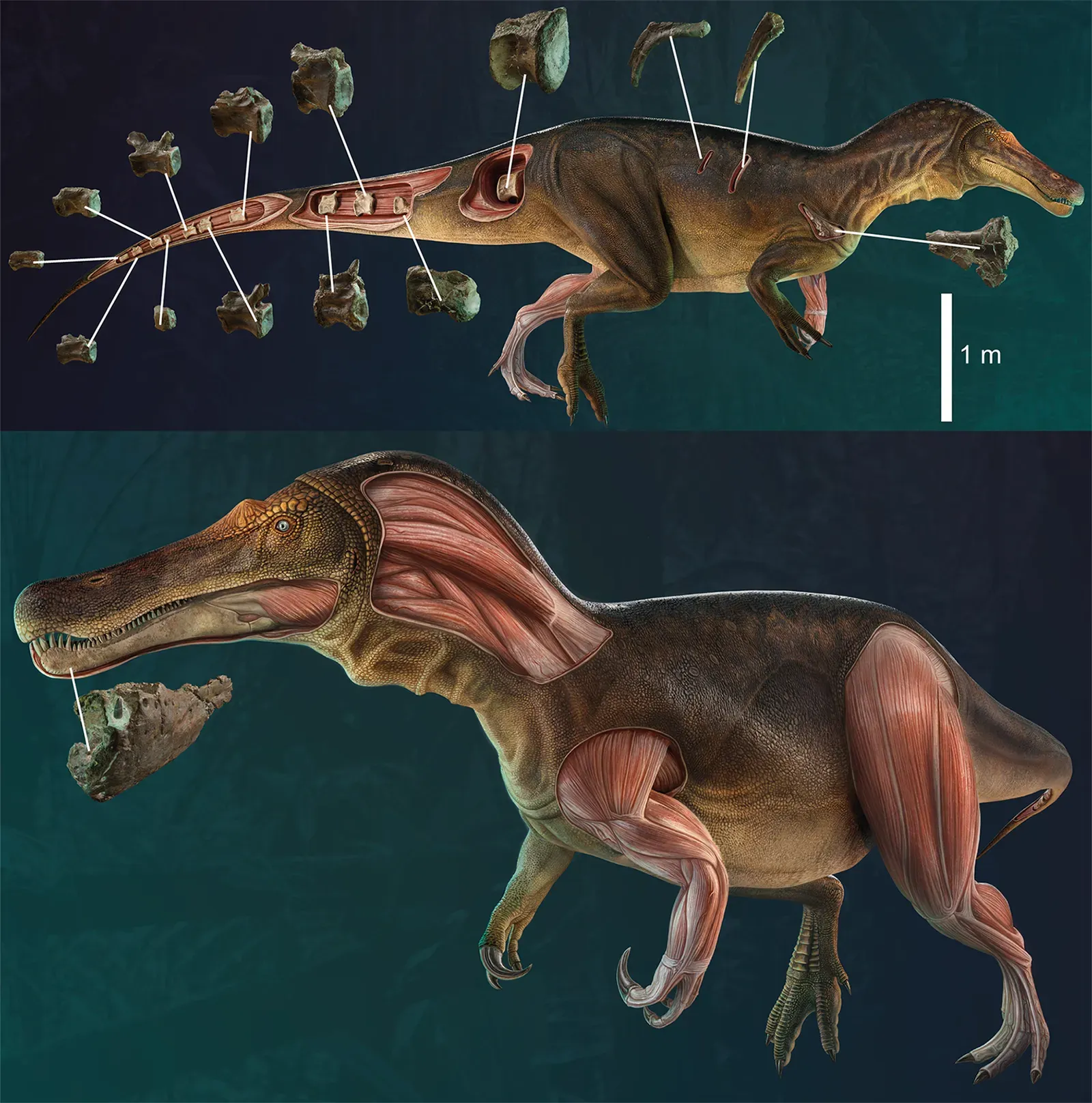
Once upon a time, if a fossil skull was crushed beyond recognition, it was simply lost information. Today, that story has a different ending entirely. In recent years, 3D surface digitization tools for fossils have been extensively used in paleontology. These innovative techniques allow researchers to produce digital replicas of fossils using computed tomography, laser scanning, or photogrammetry, a technique involving a series of photographs. The result is a perfect virtual twin of the original specimen, one you can rotate, dissect, and study from a screen anywhere in the world.
Scientists have digitally reconstructed the face of a 1.5-million-year-old Homo erectus fossil from Ethiopia, uncovering an unexpectedly primitive appearance. Sit with that for a moment. A face from a million and a half years ago, staring back at you in digital detail. Virtual paleontology provides a set of tools that enables more complete data extraction from materials that physical or chemical methods simply cannot recover data from inside a fossil.
Recent developments in deep learning have opened the possibility for automated segmentation of large and highly detailed CT scan datasets of fossil material. However, previous methodologies required large amounts of training data to reliably extract complex skeletal structures. Researchers have now presented a method for automated deep learning segmentation to obtain high-fidelity 3D models of fossils digitally extracted from the surrounding rock, training the model with less than one to two percent of the total CT dataset. This workflow has the capacity to revolutionize the use of deep learning to significantly reduce the processing time of such data.
Rewriting Evolutionary History Through New Finds
Every now and then, a single fossil forces scientists to tear up entire chapters of the textbook and start over. That is happening with remarkable frequency right now. Scientists at MIT have found compelling chemical evidence that Earth’s earliest animals were likely ancient sea sponges. Hidden inside rocks over half a billion years old, this evidence quietly reshapes the entire story of animal evolution on our planet.
An exceptionally well-preserved and complete fossil of Archaeopteryx, Earth’s most ancient bird, is offering new clues to how flight took off in birds. Nearly 100 percent complete and not crushed by postmortem geologic pressures, the 150-million-year-old fossil contains the imprints of soft tissues like feathers and skin. Among other reveals, the wings show the bird had tertials, a type of specialized inner feathers on its upper arms. That is a feature of modern flying birds but not nonavian feathered dinosaurs. It also had mobile digits on its hands, supporting a hypothesis that Archaeopteryx wasn’t just able to fly but may have been able to climb trees.
A 250-million-year-old fossil reveals the origins of mammal hearing. Sensitive hearing may have evolved in mammal ancestors far earlier than scientists once believed, by modeling how sound moved through the skull of Thrinaxodon, a 250-million-year-old mammal ancestor. These are not incremental refinements to existing knowledge. They are seismic shifts. Paleontology in 2025 proved once again that Earth still holds extraordinary stories in stone, amber, and microscopic cellular archives. Over the past year, fossil finds and scientific breakthroughs captured global attention, reshaped evolutionary family trees, revealed ancient behavior, and even pushed the boundaries of molecular preservation. Fossils are not just relics of form, but time capsules of ecology, motion, and biology at every scale.
Conclusion: The Ancient World Has Never Felt So Close
What is most striking about the current revolution in paleontology is not any single discovery. It is the momentum. You are living in an era when a frozen mammoth can yield 40,000-year-old RNA, when an AI can identify a dinosaur species from a footprint photo, and when a 125-million-year-old skin cell can be seen under a virtual microscope. The boundary between past and present has never felt thinner.
The ancient world is no longer silent. It is speaking to us through molecules, algorithms, and invisible light, and we are finally developing the ears to hear it. Every technique described in this article is not just a tool for understanding the past. It is a reminder of how much still waits to be discovered beneath the surface of the world you walk on every day.
The real question is not whether there are more secrets buried out there. There absolutely are. The question is: what discovery will change everything next? What do you think is still waiting to be found? Share your thoughts in the comments below.