Think you know what dinosaurs ate? Think again. For over a century, we’ve stared at fossilized bones in museums and imagined terrifying meat-eaters and gentle plant-munchers in a simple food web. The truth, though, is far more intriguing than what those old textbooks taught us. Scientists are discovering that dinosaur diets were wildly more complex, stranger, and downright bizarre than anyone ever guessed.
Recent research reveals some jaw-dropping surprises. Some supposed vegetarians occasionally snacked on crustaceans. Others chewed on rotting wood and swallowed charcoal. Even the mighty predators had more refined dining habits than their brutal reputation suggests. So let’s dive in and uncover the unexpected truths lurking inside ancient appetites.
They Weren’t All Strict Vegetarians or Carnivores
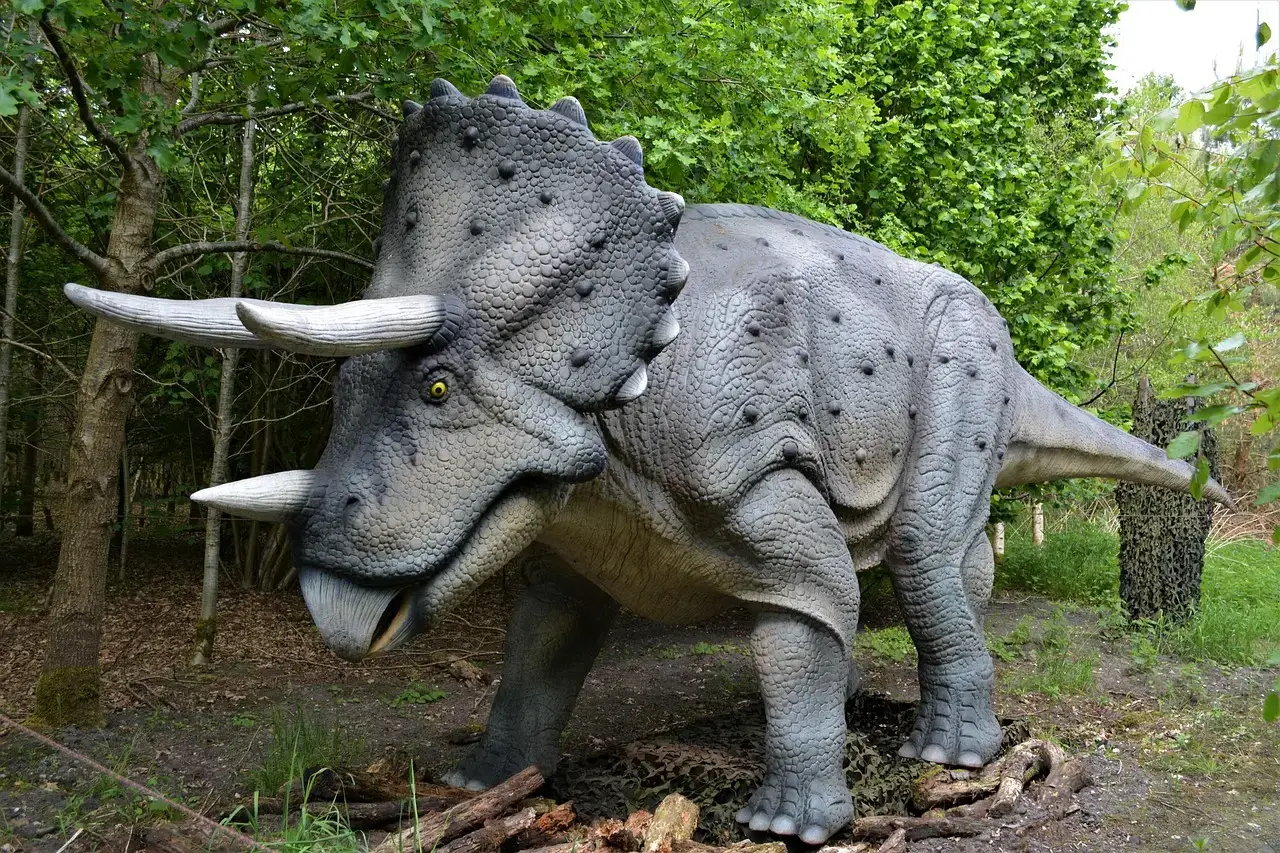
Most dinosaurs were herbivores, not meat-eaters, which might surprise anyone who grew up watching Jurassic Park. Paleontologists believe that about 65 percent of dinosaurs were herbivores, meaning the prehistoric world was dominated by plant-eaters, not bloodthirsty predators. Here’s the thing, though: those categories were never as rigid as we thought.
Thick fragments of crustacean cuticle were found scattered within coprolites from herbivorous dinosaurs, suggesting they consumed sizeable crustaceans. This fossil evidence challenges the notion of strict herbivory. Multiple coprolites that record the ingestion of sizable and nutritionally-rich crustaceans suggest this was a regular, perhaps seasonal, feeding strategy. Even dinosaurs we assumed ate only plants were mixing things up when the opportunity arose.
Fossilized Poop Tells the Most Honest Stories
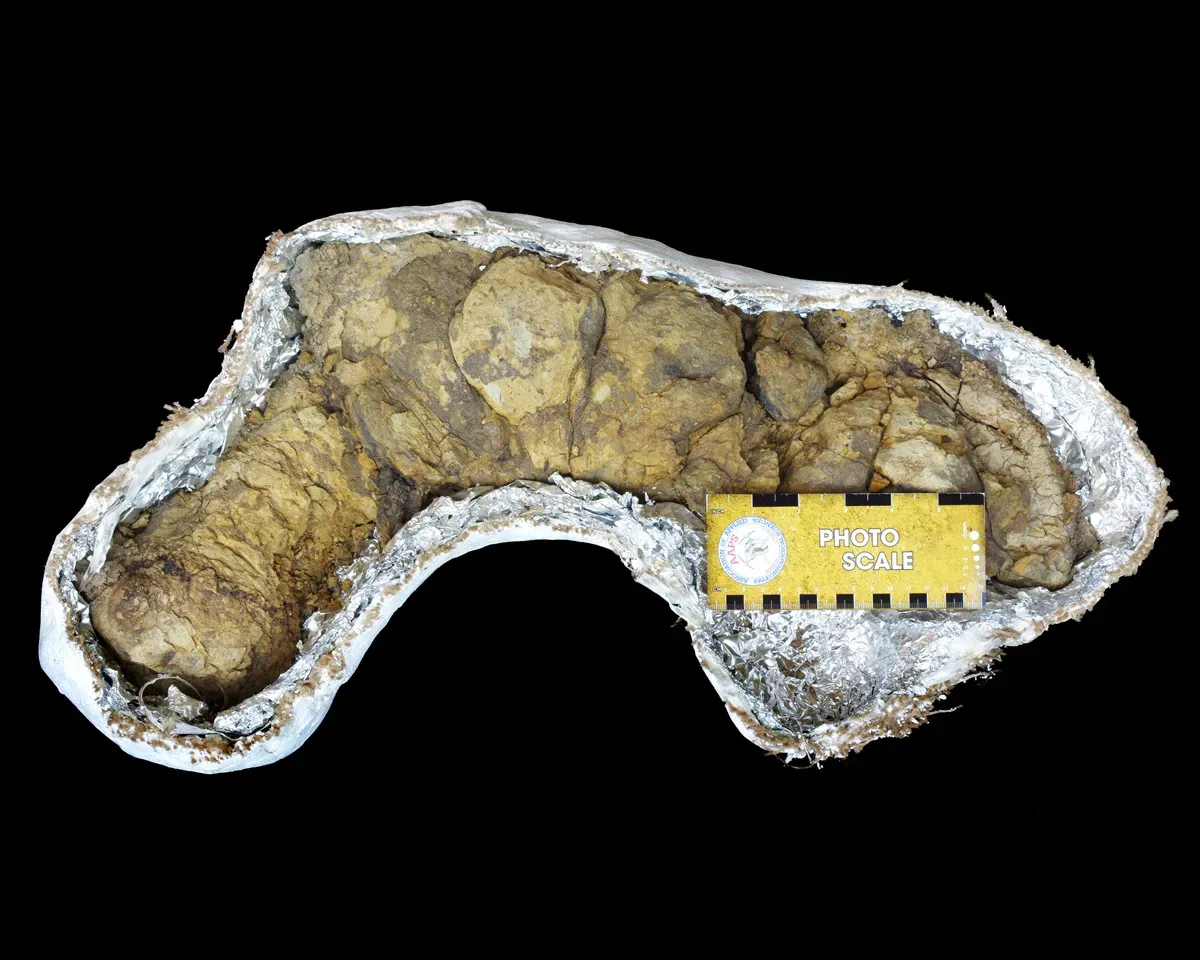
Forget skeletons for a moment. Coprolites, or fossilized feces, are classified as trace fossils that give evidence for an animal’s behavior rather than morphology. Scientists can crack these ancient droppings open and find undigested food remains, seeds, bones, and even insect parts preserved inside.
Coprolites from herbivorous dinosaurs contained more than just leaf matter, including dung beetle burrows, snail shells, and tiny pieces of conifer wood. These pieces of conifer wood had actually been rotting before being ingested, which is incredibly intriguing as rotting wood isn’t on the diet of many organisms. Why would a plant-eater deliberately consume decaying wood? That question led researchers down an entirely new path of understanding dinosaur nutrition.
Herbivores Had Surprisingly Picky Eating Habits
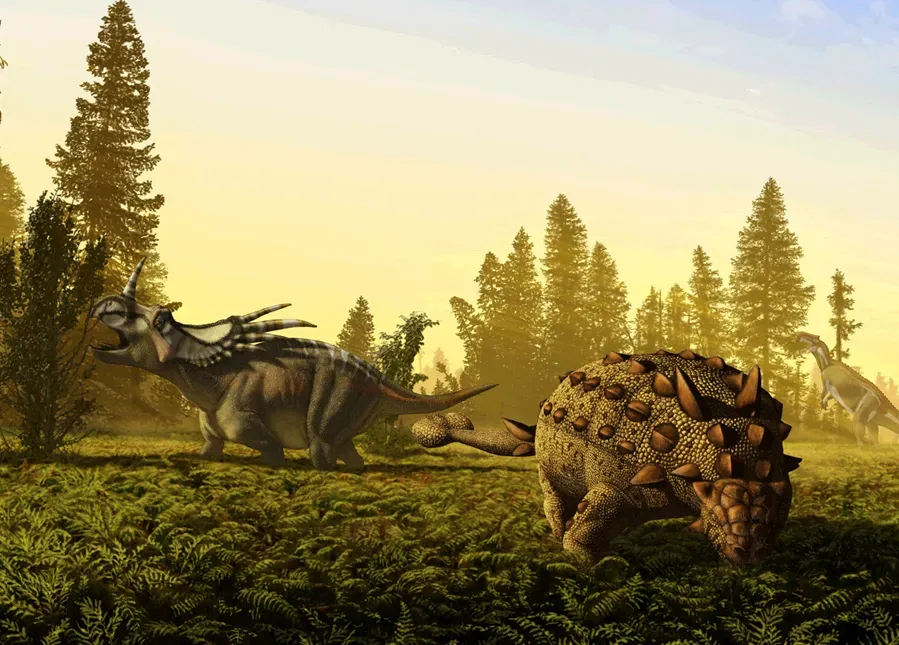
You might assume that giant plant-eaters just munched on whatever greenery was nearby. Wrong. Scientists previously believed that large herbivorous dinosaurs coexisted by munching on different levels of the tree canopy according to height, but research shows that plant height wasn’t the only factor driving diet differentiation – instead, it was specific plant parts.
Camptosaurus was a rather discerning eater, preferring softer, more nutritious plant parts such as leaves and buds. Meanwhile, Camarasaurus ate mostly conifers, with a preference for woody plant tissues. Diplodocus ate more of a mixed diet that included soft ferns and horsetail plants lower to the ground, as well as tougher plant parts. Let’s be real: these dinosaurs had more refined palates than we ever gave them credit for.
Some Dinosaurs Ate Charcoal on Purpose
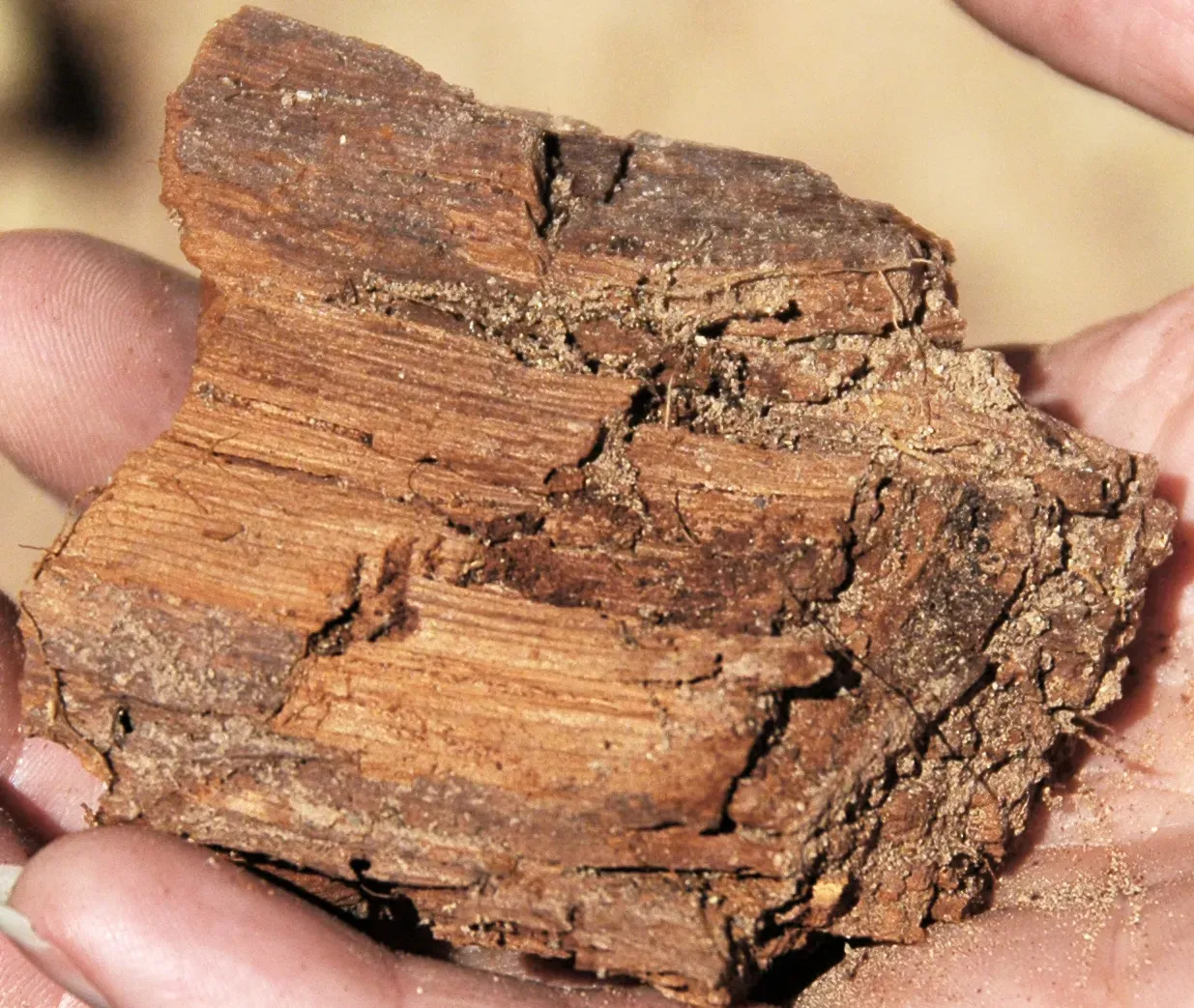
This one sounds completely crazy, but there’s solid evidence behind it. Coprolites from sauropodomorphs contained large quantities of tree ferns, other types of plants, and charcoal, and paleontologists hypothesize that charcoal was ingested to detoxify stomach contents, as ferns can be toxic to herbivores.
Think about that for a second. These enormous dinosaurs were essentially self-medicating by eating burned plant material to neutralize toxins in their gut. One species, the long-necked sauropods, might have ingested charcoal to detoxify their stomach contents since ferns can be toxic to herbivores. It’s not just accidental ingestion – this was likely a deliberate survival strategy that helped them thrive in environments where their food could literally poison them.
Teeth Chemistry Reveals Secret Menus
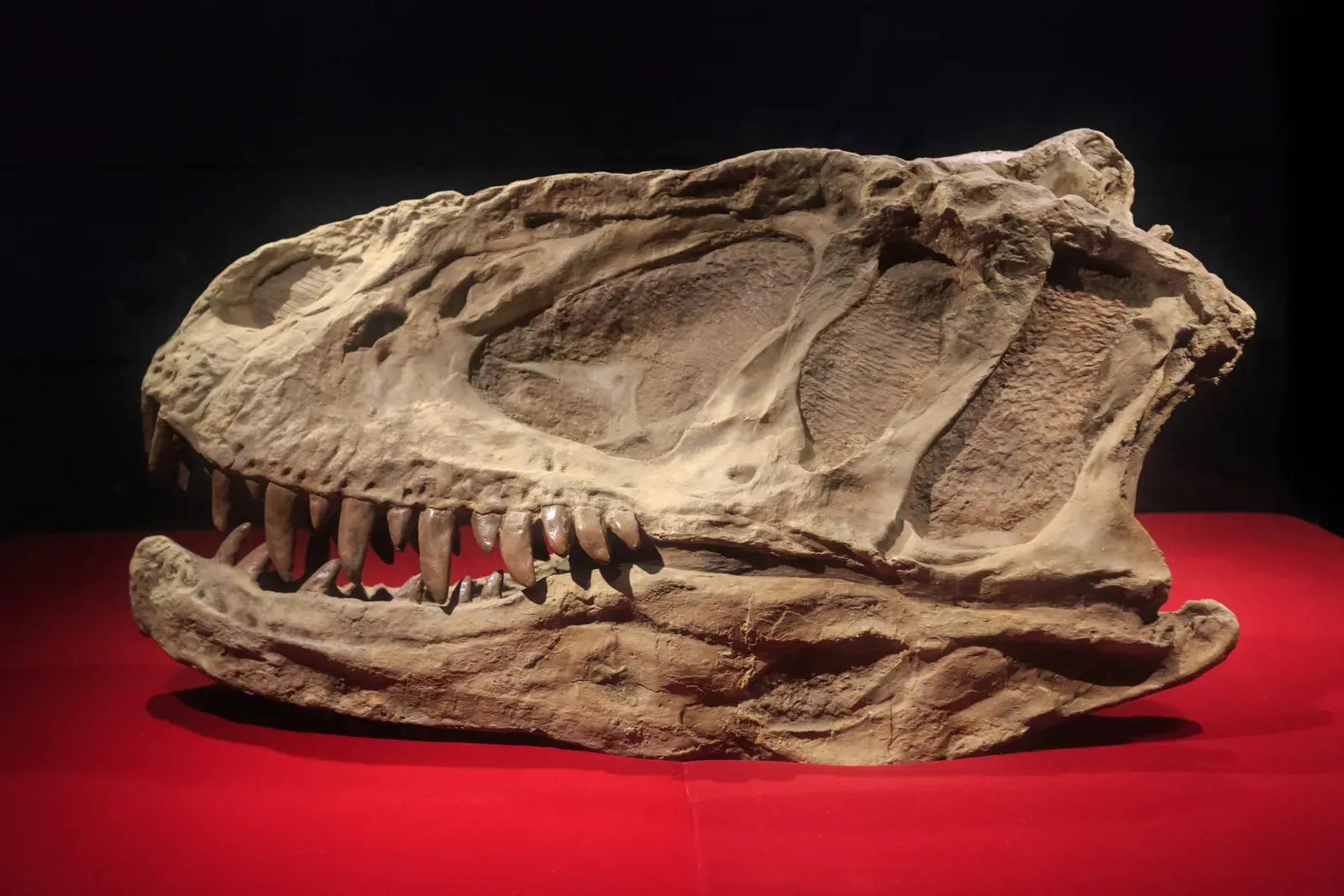
Modern technology has given scientists an incredible new tool for understanding ancient diets. Tooth enamel contains calcium isotopes that reflect the range of foods the dinosaurs ate; different types of plants have different chemical signatures, and discrete parts of trees – from buds to bark – can also have unique signatures.
This breakthrough has blown open what we thought we knew. By analyzing tooth enamel chemistry, scientists uncovered proof that Jurassic dinosaurs divided up their meals in surprising ways – some choosing buds and leaves, others woody bark, and still others a mixed menu. The chemical fingerprints locked in fossilized teeth don’t lie, revealing dietary preferences with precision that bones alone could never provide.
T. Rex Had a Bone-Crushing Superpower
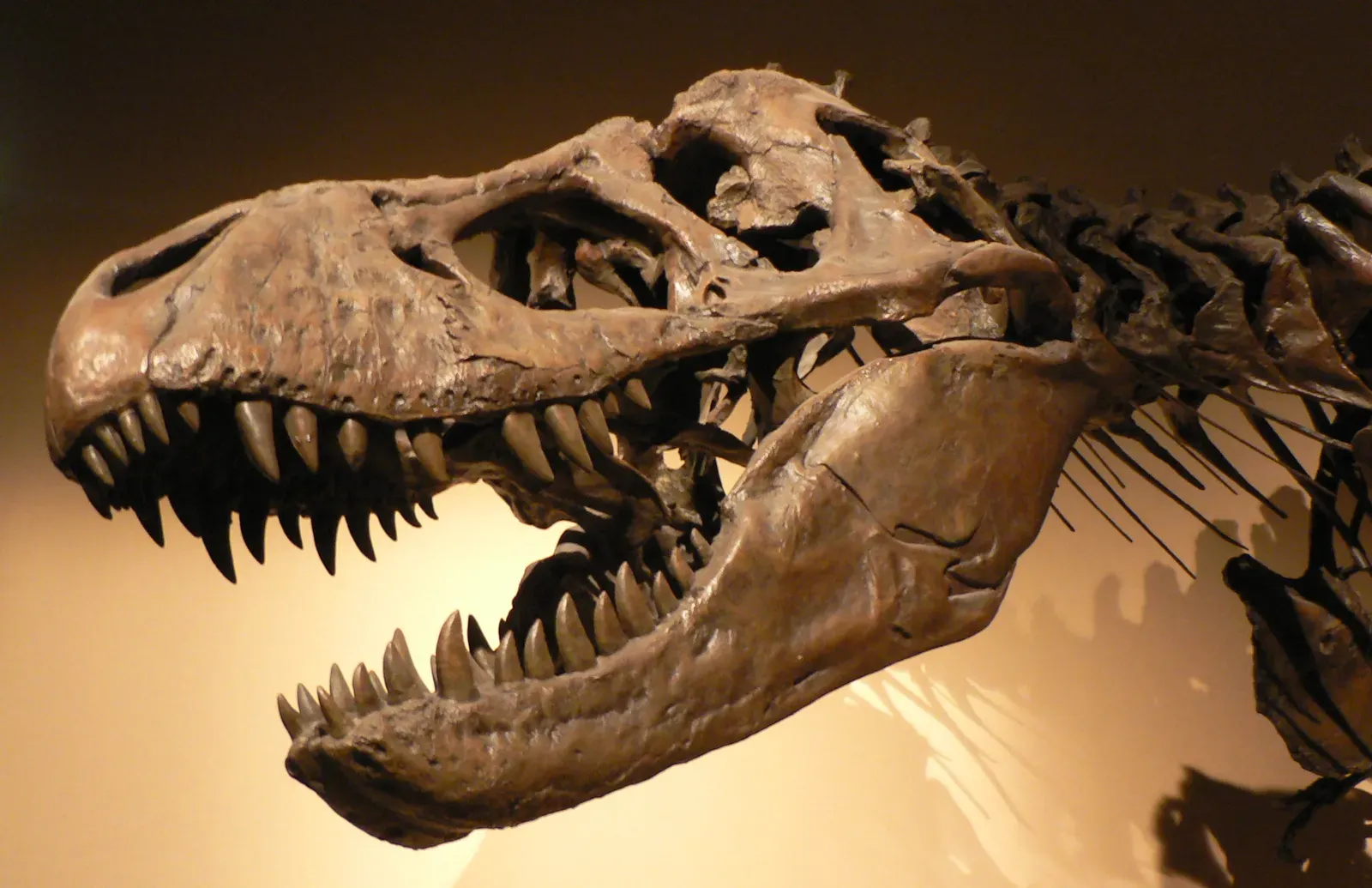
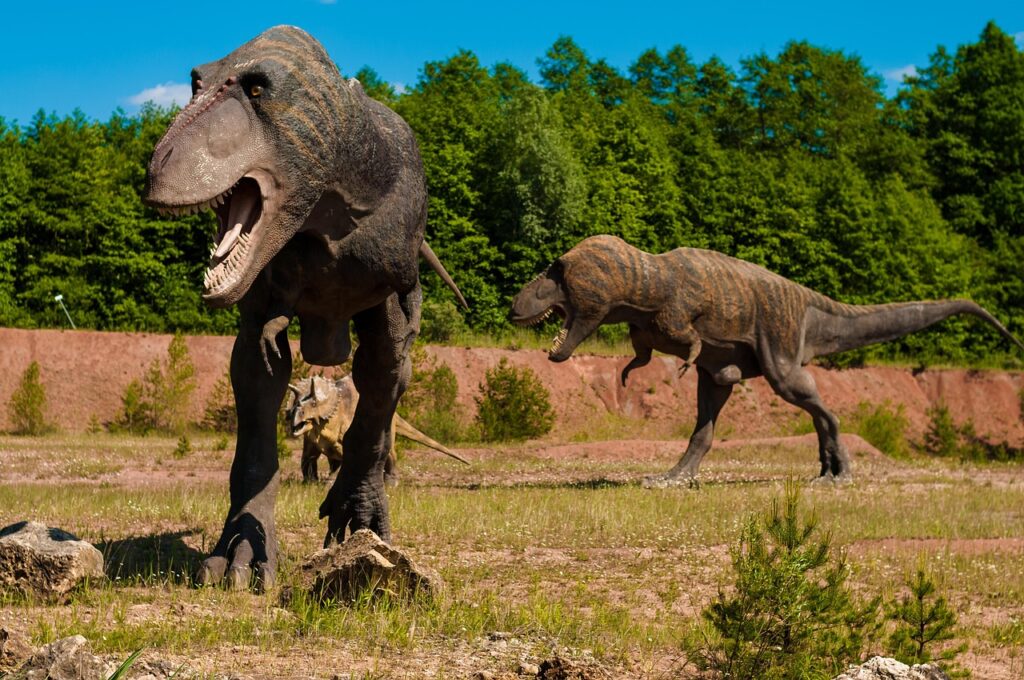
Everyone knows Tyrannosaurus rex was a fearsome predator, but the real numbers are absolutely staggering. Models predict that adult T. rex generated sustained bite forces between 35,000 and 57,000 Newtons at a single posterior tooth, by far the highest bite forces estimated for any terrestrial animal. To put that in perspective, that’s roughly eight to ten times greater than what an alligator can produce.
Tyrannosaurus rex stands out for habitually biting deeply into bones, pulverizing and digesting them, though how this mammal-like capacity was possible, absent dental occlusion, is unknown. Research indicates that Tyrannosaurus could bite down with around 8,000 pounds force when feeding, exerting a pressure exceeding 400,000 pounds per square inch with their teeth. It wasn’t just killing prey – it was completely obliterating bones to access marrow and minerals inside.
Young Tyrannosaurs Hunted Different Prey Than Adults
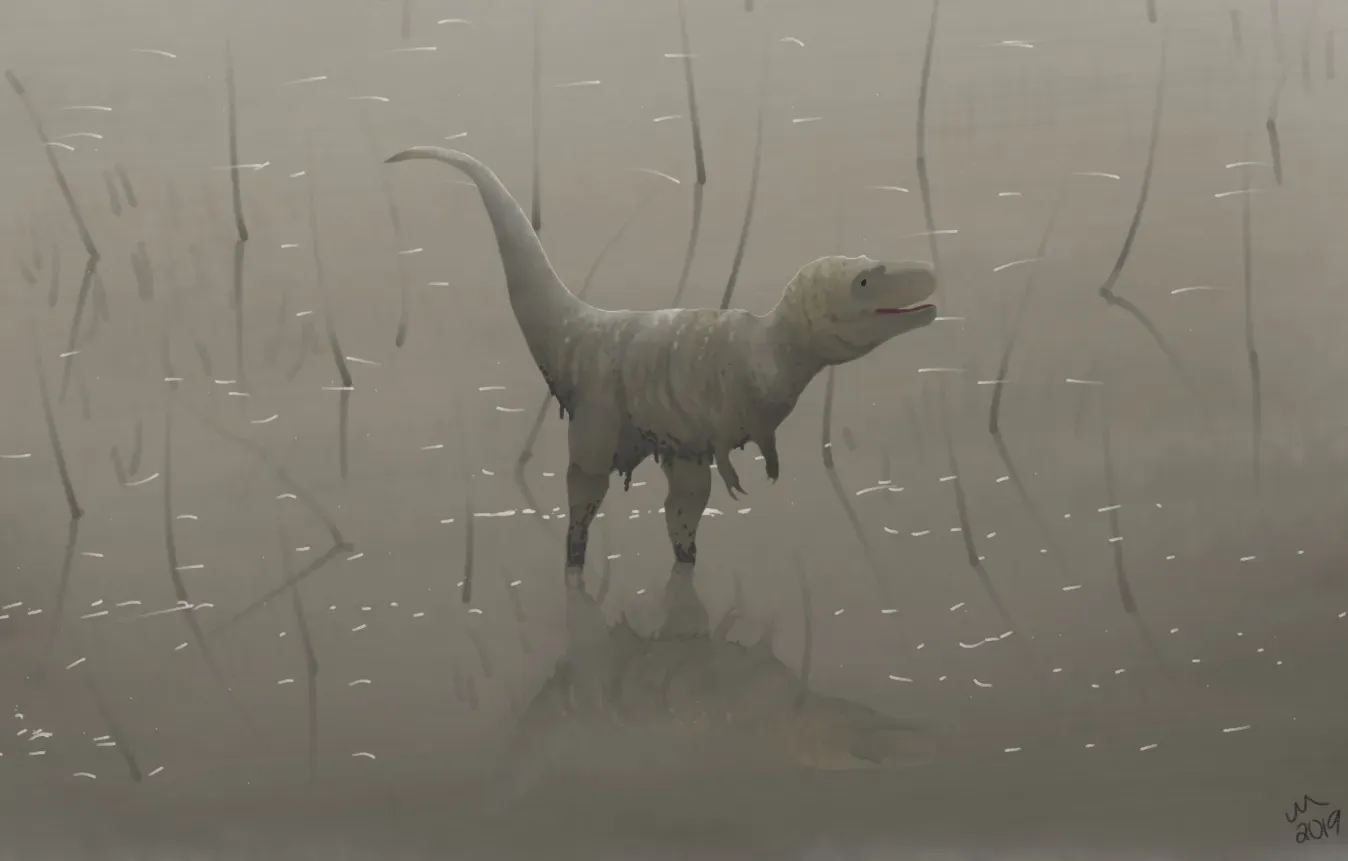
Here’s something most people don’t realize: juvenile T. rex didn’t have the same crushing bite as their parents. The study reveals that juvenile T. rexes, while not yet able to crush bones like their 30- or 40-year-old parents, were developing their biting techniques and strengthening their jaw muscles. Experimentally derived models suggest bite forces up to 5,641 Newtons from puncture marks on an Edmontosaurus and a juvenile Tyrannosaurus, which are slightly higher than previously estimated but fall within the expected range.
This has huge implications. Young tyrannosaurs likely hunted smaller, faster prey while adults went after massive herbivores. Juvenile T. rex had much narrower and blade-like tooth morphologies and were unlikely to have been able to withstand similar bite forces, with maximum estimates around 2,400 to 3,850 Newtons, hypothesizing that ontogenetic increases in bite force could indicate a change in dietary partitioning. Basically, teenagers and adults weren’t competing for the same food – nature’s way of keeping family dinners civil.
Gut Contents Confirm Long-Standing Theories
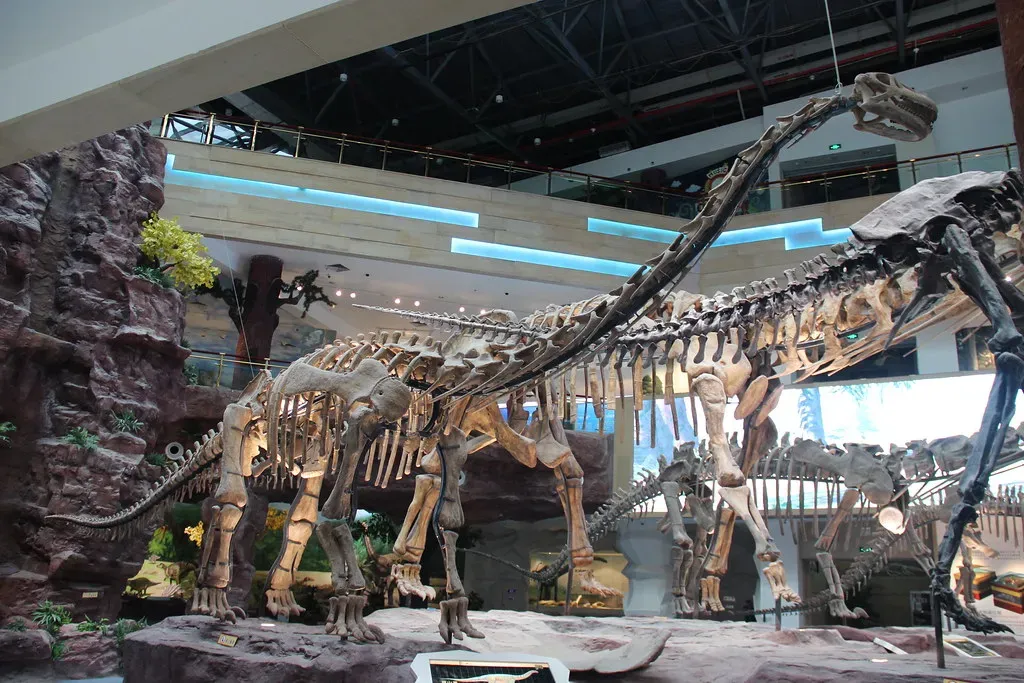
Finding fossilized stomach contents is like hitting the paleontological jackpot. No genuine sauropod gut contents had ever been found anywhere before, despite sauropods being known from fossils found on every continent, and this finding confirms several hypotheses about the sauropod diet that had been made based on studies of their anatomy.
The fossilized meal contained conifer cones, leaves of flowering plants and fruit from seed ferns, and the pieces hadn’t been chewed as much as plucked and broken up, selected from both low to the ground and high in the forest, confirming that sauropods used their long necks to reach high and low to grab plant food, swallowing quickly to let their stomachs do most of the hard work. It’s hard to say for sure, but this direct evidence settles decades of debate about how these giants actually ate.
Conclusion
The more we learn about dinosaur diets, the stranger and more fascinating the prehistoric world becomes. From herbivores munching on crustaceans and charcoal to juvenile tyrannosaurs testing their developing bite strength, ancient appetites were far more diverse and adaptive than anyone imagined. These creatures weren’t just mindless eating machines – they were sophisticated survivors with specialized feeding strategies, dietary flexibility, and even self-medication techniques.
What’s truly remarkable is that we’re still uncovering these secrets millions of years after these animals vanished. Every coprolite analyzed, every tooth examined under a microscope, and every fossilized gut content discovered adds another piece to the puzzle. The dinosaurs may be gone, but their eating habits continue to surprise us, reminding us that life on Earth has always been more complex and adaptable than we give it credit for. What other dietary secrets are still buried in the rocks, waiting to be discovered?