Have you ever caught yourself completely lost in a documentary about ancient Egypt while everyone around you is streaming the latest reality show? Or maybe you’ve stood in front of a museum exhibit, heart racing, unable to shake the feeling that these artifacts are speaking directly to you? There’s something undeniably magnetic about the ancient world, and not everyone feels it the same way.
Ancient history is flush with unsolved mysteries, from lost burial sites to sunken cities, that have captivated the public imagination for centuries. Some people scroll past those stories without a second thought. Others, well, they go down a three-hour rabbit hole and forget to eat dinner. If you’re in that second group, there’s a very real chance you have something special going on. Let’s find out what that looks like.
You Feel a Genuine Emotional Pull Toward Ancient Places and Artifacts
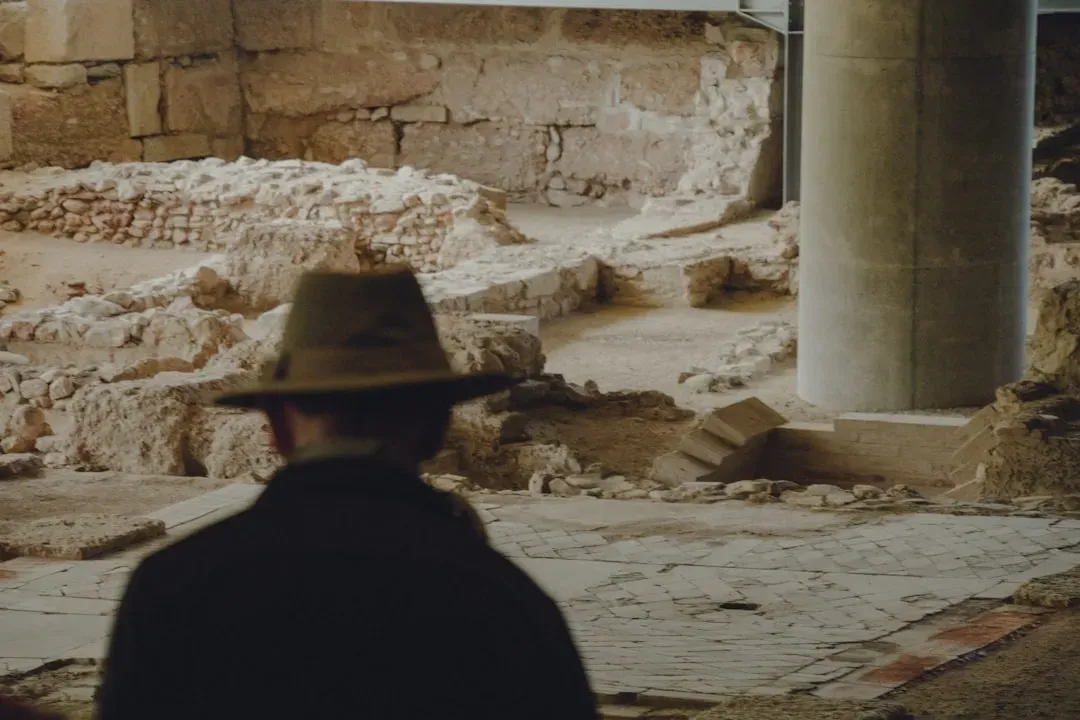
Here’s the thing: a lot of people find old buildings mildly interesting. You, on the other hand, feel something closer to a gut punch when you see them. Maybe you’ve visited a museum or historical site and felt an almost inexplicable wave of emotion, like recognizing something you’ve never actually seen before. That’s not random, and it’s not imagination running wild.
You’re drawn to relics of the past in the same way that others are drawn to art and architecture from the current era. You find ruined castles and ancient temples beautiful and inspiring in a way that feels deeply personal, not just academic. Whether standing stones, nondescript mounds, or lines in the earth, ancient civilizations have left signs of their existence that must have held deep meaning – and you sense that weight every time you encounter them. It’s like catching a faint signal from across thousands of years.
Unanswered Questions Drive You Crazy in the Best Way Possible

You know that restless, almost agitated feeling you get when something doesn’t have a clear answer? People with a natural affinity for history and ancient mysteries don’t just tolerate ambiguity. They thrive on it. Honestly, the unanswered questions are the whole point.
Ancient mysteries have long fascinated humans. From lost cities to unexplained artifacts to paranormal theories, these unsolved historical enigmas spark curiosity and prompt questions that keep you up at night. Take the Nazca Lines, for example. Between AD 1 and 700, the Nazca people of Peru carved massive in-ground pictures of animals, plants, humans and geometric shapes that are best seen from an airplane, and researchers still can’t agree on realistic theories to explain them. If reading that just made you lean forward in your chair, you already know which category you fall into.
You See History as a Living Story, Not a Pile of Dead Facts

For some people, history class was a memorization exercise. Dates, names, battles, repeat. For you, it was always something else entirely. You didn’t just memorize the facts – you wanted to know what those people felt. What they feared. What they loved at the end of a long day. That instinct to humanize the past is a defining trait of someone truly wired for this subject.
From an early age, people are inspired by stories, and history is, at its heart, a collection of stories, as colourful and dramatic and exciting and moving as any fictional tale. A passion for history is synonymous with a passion for understanding people, and through understanding others, you come to know yourself. That’s a profoundly different relationship with the past than simply knowing when the Roman Empire fell. It means you see history the way a novelist sees characters: breathing, flawed, and real.
You’re Fascinated by the “How Did They Do That?” Question
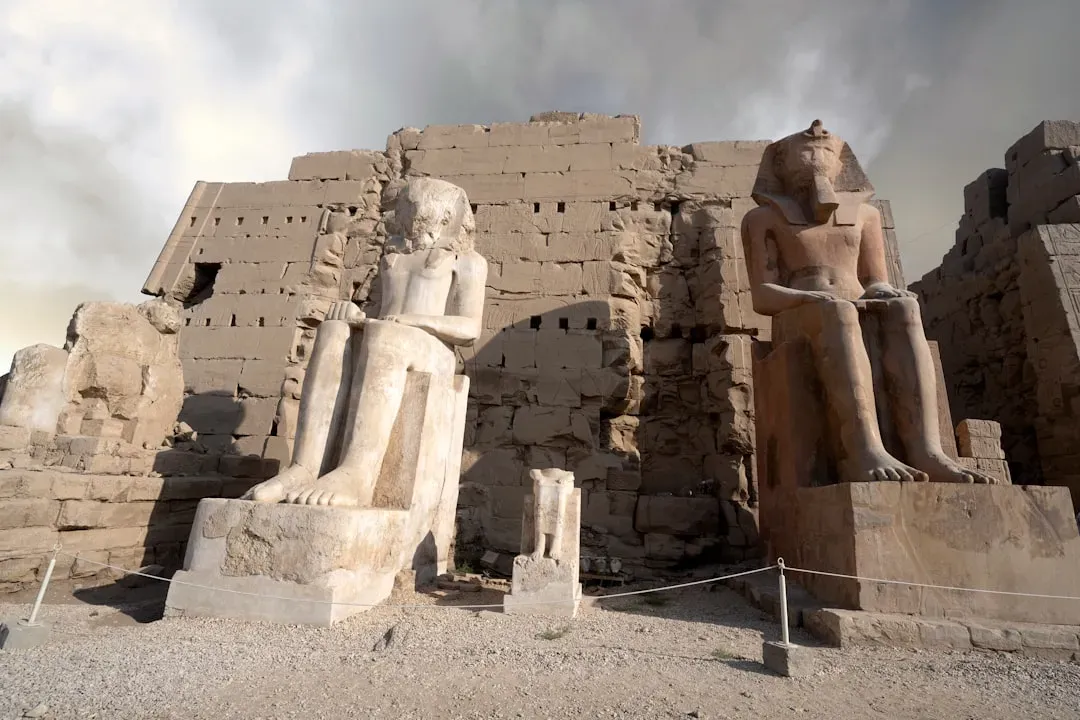
Let’s be real, one of the most irresistible aspects of the ancient world is engineering that defies explanation. You look at the pyramids at Giza, the Incan stone walls of Sacsayhuaman, or Stonehenge and your brain doesn’t move on. It gets stuck. In a wonderful way. You need to understand the mechanics, the intention, the sheer human will behind these structures.
While it might seem as though our understanding of history is set in stone, this could not be further from the truth. Every year, breakthroughs are made that give us a new or different perspective on topics once thought to be settled, whether from a historian piecing together newfound evidence or an archaeologist unearthing an artifact from a dig site. One of England’s most famous landmarks, the prehistoric wonder that is Stonehenge, remains as mysterious as the first day it was recorded, with historians generally agreeing that early Britons constructed it around 5,000 years ago, though it has never been clear as to why the structure was ever made. That open-ended architectural puzzle? To you, it’s basically the greatest treasure hunt ever devised.
You Find Modern Technology Exciting Mostly Because of What It Reveals About the Ancient World
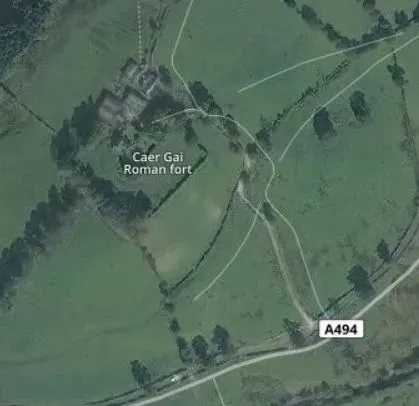
You probably love innovation. You appreciate the advances happening in science and computing. But if you’re being completely honest, your favorite use of cutting-edge technology is watching it strip away centuries of mystery from a long-buried civilization. Satellite imaging, ground-penetrating radar, AI-powered script decoding – these tools fascinate you specifically because of what they dig up from the past.
As humans, we’re naturally curious, especially about the people and places that came before us, and thanks to modern technology, we’re closer than ever to uncovering the truth, with experts from archaeologists to historians now using digital tools to recreate lost worlds and decode history’s most mysterious secrets. A perfect example: the puzzle of spiraling holes in the Nazca region was finally solved thanks to satellite imaging, with experts becoming near-certain that these funnel-like holes were actually wells the Nazca people would have used for agriculture, revealing just how advanced the Nazca civilization truly was. That kind of revelation probably made your day when you first read about it.
You Feel That Studying the Past Is a Moral and Personal Responsibility

This one might surprise you. It’s not just curiosity or entertainment. If you genuinely have a natural affinity for history, you likely feel something closer to obligation. A sense that someone needs to remember. That the stories of those who came before us deserve to be held onto, examined, and honored. It’s a weirdly serious feeling for something most people treat as a hobby.
Studying history is a tradition with a firm base. It is vital to the progression of humanity personally and on a wider stage, but above all it fulfills a moral obligation to our ancestors, allowing cultures to continue with an understanding of where they came from and a respect for their heritage. The love of ancient history and a love of deeper human exploration are often the same love, stemming from the same root: they both allow you to explore the true nature and limits of human existence. That’s not a passing interest. That’s a calling.
A Final Thought Worth Sitting With

If you recognized yourself in more than a couple of these signs, there’s a good chance the ancient world isn’t just a passing curiosity for you. It’s part of how you process meaning, find connection, and make sense of the present. Our understanding of history is always changing, with every year revealing information that either helps clarify what we already assumed or dismantles preconceived notions, thanks to the tireless work of scientists, archaeologists, and historians painting a clearer picture of our own story.
Think of it like archaeology itself. The deeper you dig, the more you find. And the people who can’t help but keep digging? They’re not just curious. They’re built for it. So here’s a question worth keeping in your back pocket: if the past is still speaking, are you one of the few people genuinely listening? Tell us which sign resonated with you most – we’d love to hear your thoughts in the comments.