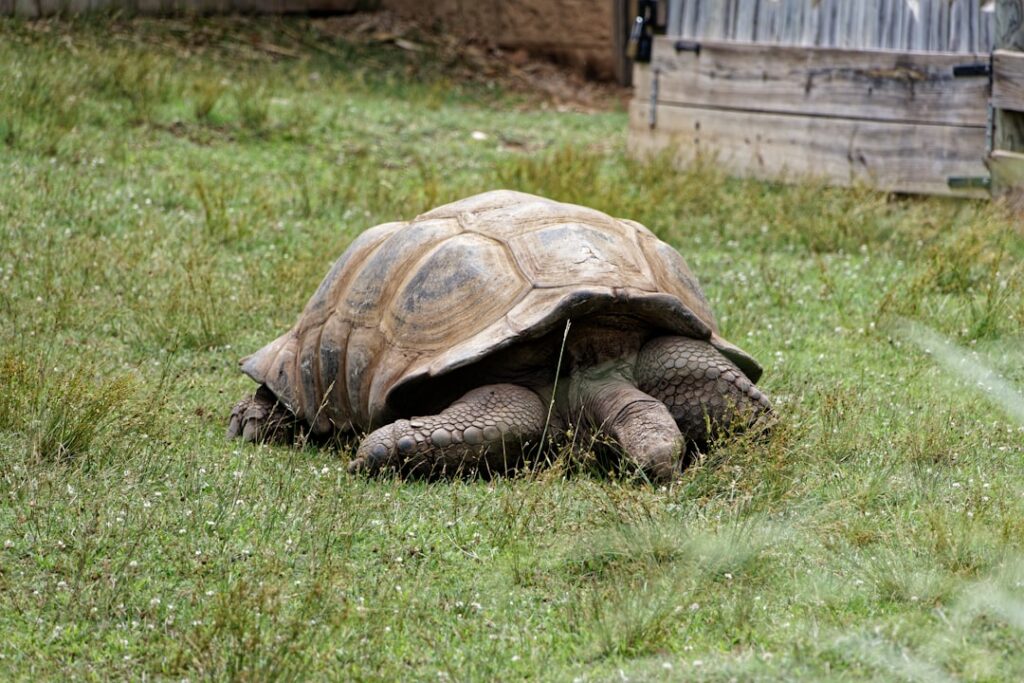
Seychelles – A giant tortoise named Jonathan has outlasted the Eiffel Tower’s opening, two world wars, and the rise of the internet, reaching an age exceeding 190 years as the oldest verified land animal.
A Tortoise’s Heartbeat: The Power of Metabolic Thrift
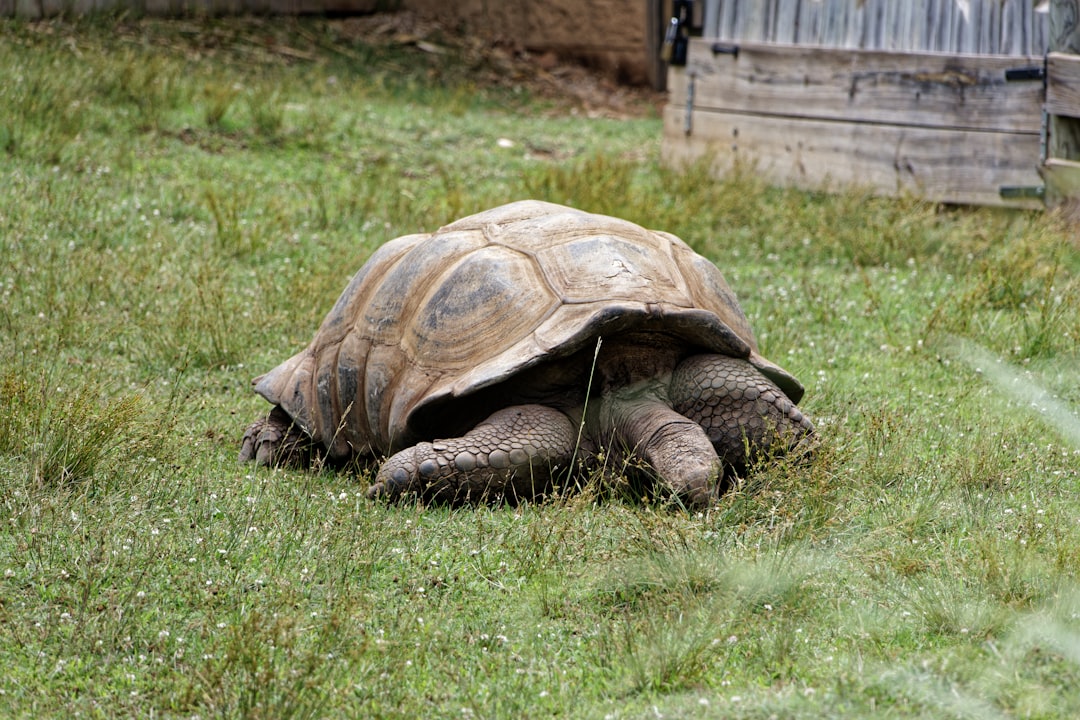
A Tortoise’s Heartbeat: The Power of Metabolic Thrift (Image Credits: Unsplash)
Adult turtles exhibit heart rates that drop to mere beats per minute during rest, a stark contrast to the human pulse of 60 to 100 beats, minimizing daily strain on vital systems.
This efficiency stems from their ectothermic nature, where body heat draws from the sun rather than internal generation, slashing energy demands that mammals endure constantly. Fewer metabolic processes mean reduced production of harmful byproducts like free radicals, which erode cells over time. Hibernation further slows their systems, allowing survival with heartbeats spaced minutes apart. Scientists link this low-energy mode directly to diminished organ wear, forming the foundation of extended lifespans. Such adaptations position turtles as masters of conservation, prioritizing endurance over speed.
The Shell’s Role: Protection That Rewrites Evolutionary Rules
A turtle’s armored shell renders adults nearly impervious to predators, freeing evolution to favor durability over rapid reproduction seen in vulnerable species like mice.
This security permits investment in robust physiology, as survival odds soar beyond early adulthood. Without constant predation pressure, bodies evolve for marathons rather than sprints, extending potential lifespans to over 150 years in some cases. Land tortoises exemplify this, their dome-shaped shields supporting thick limbs suited for terrestrial persistence. Aquatic counterparts face more hazards, yet the shell still confers substantial advantages. Researchers view this trait as pivotal, enabling the biological shifts that underpin exceptional age.
Inside the Cells: Telomeres and Tireless Maintenance
Turtle cells boast telomeres – protective DNA caps – that erode far slower than in humans, sustaining division capacity and tissue renewal for decades.
This phenomenon, termed negligible senescence, keeps older individuals as vital as juveniles, with disease risks barely rising over time. Complementing this, superior repair systems clear damaged proteins and debris relentlessly, countering oxidative stress from metabolism. Even minimal free radical output receives prompt neutralization, preventing accumulation linked to cancers and neural decline in other animals. Genetic studies confirm these mechanisms operate at peak through life, defying typical aging trajectories. Together, they forge resilience at the molecular level.
Species Differences and Longevity Boosters for Pets
Land tortoises often surpass 80 to 150 years, outpacing sea turtles at 30 to 50 years amid oceanic perils or terrapins in the 20-to-40 range in brackish waters.
Habitat dictates outcomes, with terrestrial safety maximizing genetic potential. Pet owners can extend lives by mimicking natural stability:
- Consistent temperatures and clean water to curb stress.
- Species-appropriate diets rich in nutrients, avoiding simplistic feeds like lettuce.
- UVB lighting for calcium metabolism and shell integrity.
- Spacious enclosures permitting natural behaviors.
These measures shield against common pitfalls, potentially unlocking decades more.
Key Takeaways on Turtle Longevity:
- Slow metabolism slashes cellular damage through energy efficiency.
- Shell protection enables evolution toward durable bodies.
- Stable telomeres and repair crews resist age-related breakdown.
Turtles embody nature’s blueprint for resilience, their toolkit of slow rhythms, fortifications, and cellular vigilance offering lessons in sustained vitality. What strategies might humans borrow from these enduring survivors? Share your thoughts in the comments.