Long before the blue whale claimed the title of ocean giant, something far older and stranger was already ruling the deep. Picture a world where the seas weren’t patrolled by sharks and dolphins, but by house-sized reptiles with eyes the size of dinner plates and jaws that could swallow a small car whole. Honestly, it’s enough to make you grateful you live in 2026 and not 250 million years ago.
The story of Mesozoic marine reptiles is one of the most breathtaking chapters in the history of life on Earth. It is packed with giants, evolutionary marvels, and mysteries that scientists are still untangling today. So let’s dive in, because what you’re about to discover may completely reshape how you think about prehistoric oceans.
Lords of the Ancient Oceans: Who Were These Creatures?
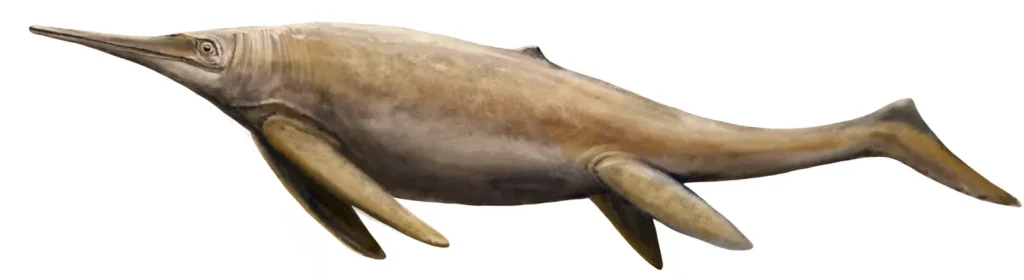
Here’s the thing most people get wrong: these incredible ocean rulers were not dinosaurs. Like other ancient marine reptiles, such as those in the clades Mosasauria and Plesiosauria, the genera in Ichthyosauria are not part of the clade Dinosauria. They were something separate, something arguably even more remarkable, having conquered the sea at a time when life on land was still finding its footing.
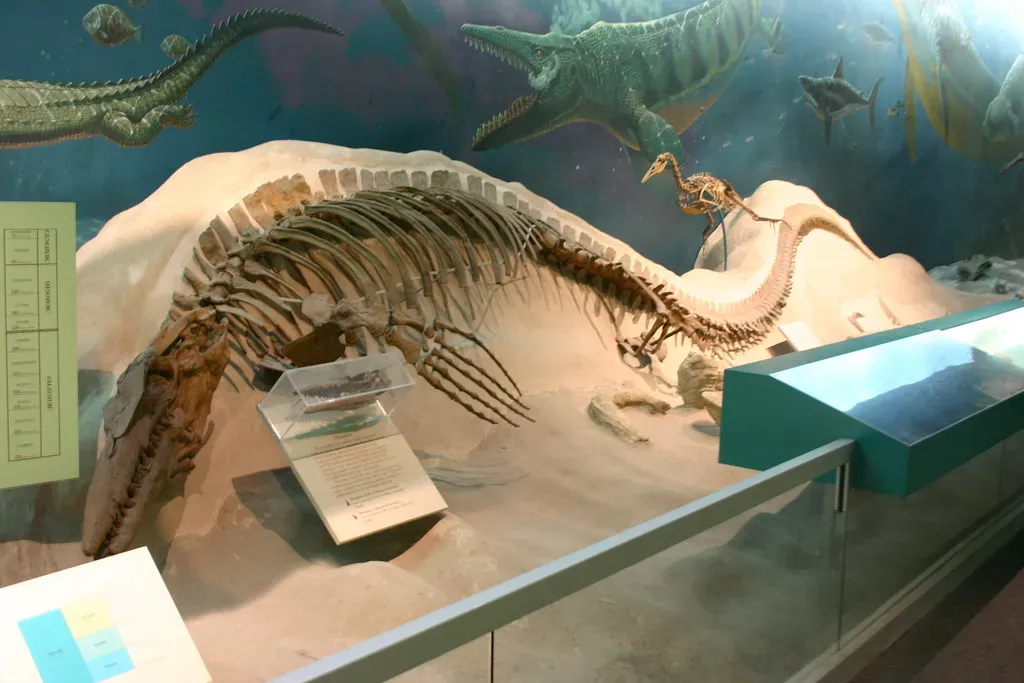
During the Mesozoic era, many groups of reptiles became adapted to life in the seas, including such familiar clades as the ichthyosaurs, plesiosaurs, mosasaurs, nothosaurs, and others. There were more than a dozen groups of marine reptiles in the Mesozoic, of which four had more than 30 genera, namely sauropterygians (including plesiosaurs), ichthyopterygians, mosasaurs, and sea turtles. Think of it as a reptilian empire, with each group claiming a different throne in the undersea world.
From Land to Sea: The Unbelievable Origin Story of Ichthyosaurs
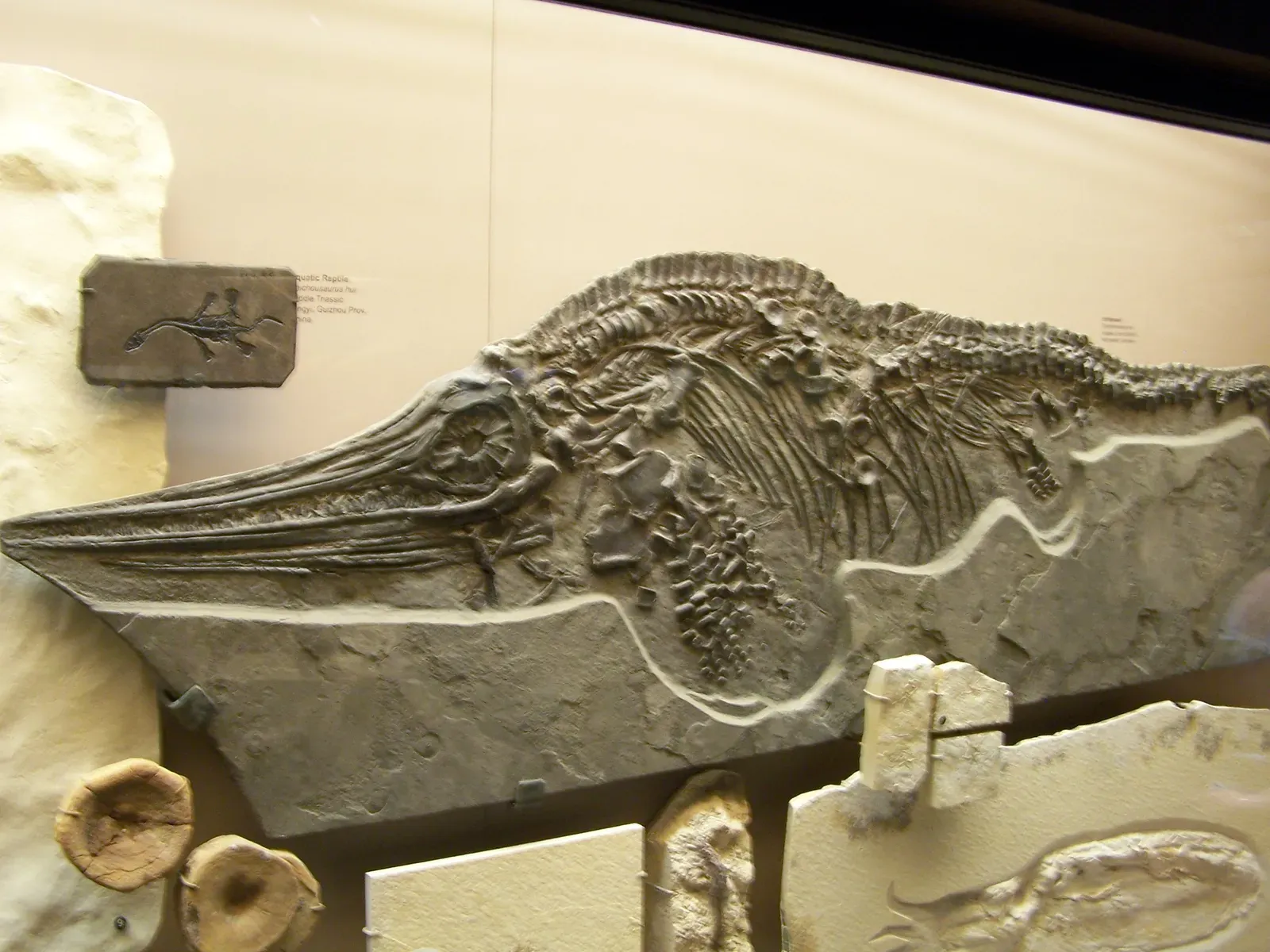
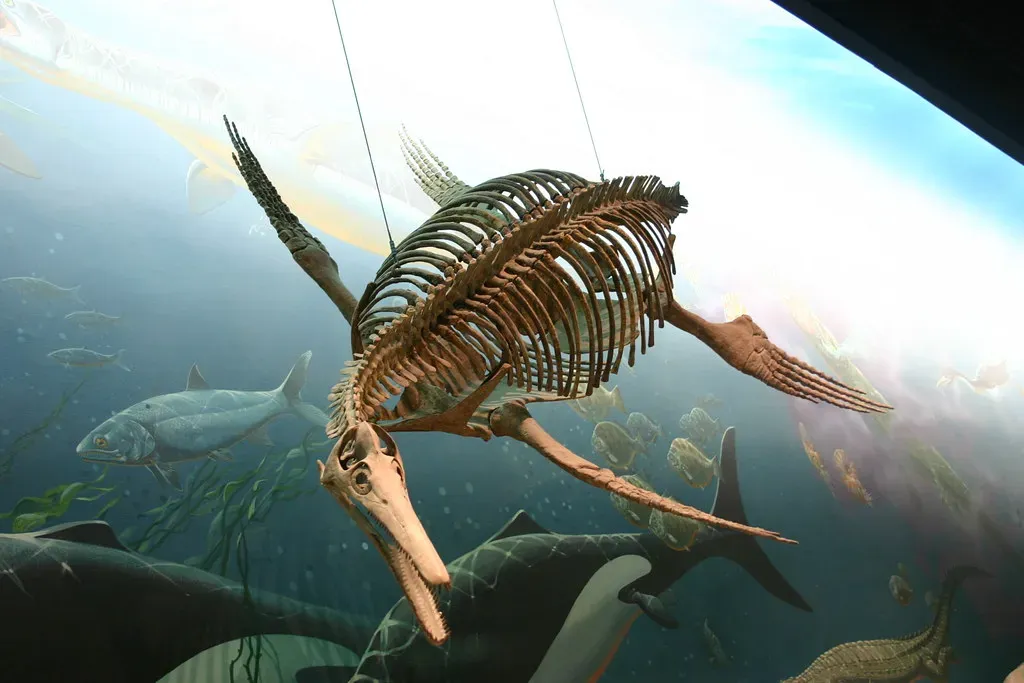
During the Early Triassic epoch, ichthyosaurs and other ichthyosauromorphs evolved from a group of unidentified land reptiles that returned to the sea, in a development similar to how the mammalian land-dwelling ancestors of modern-day dolphins and whales returned to the sea millions of years later, which they gradually came to resemble in a case of convergent evolution. Let that sink in for a moment. Creatures that once walked on land eventually became indistinguishable from fish, purely through the relentless logic of evolution.
Ichthyosaurs were the first tetrapods, or four-limbed vertebrates, to reach truly gigantic sizes. They also appear to have evolved very rapidly, with individuals that reached up to 17 metres long emerging just a few million years after the group first appeared in the fossil record. If you think that sounds fast, consider this: the giant ichthyosaur Cymbospondylus youngorum lived 244 million years ago, just five million years after the first, tiny ichthyosaurs. Ichthyosaurs evolved to giant size at a faster rate than early whales did.
Ichthyotitan Severnensis: Meet the Largest Marine Reptile Ever Discovered
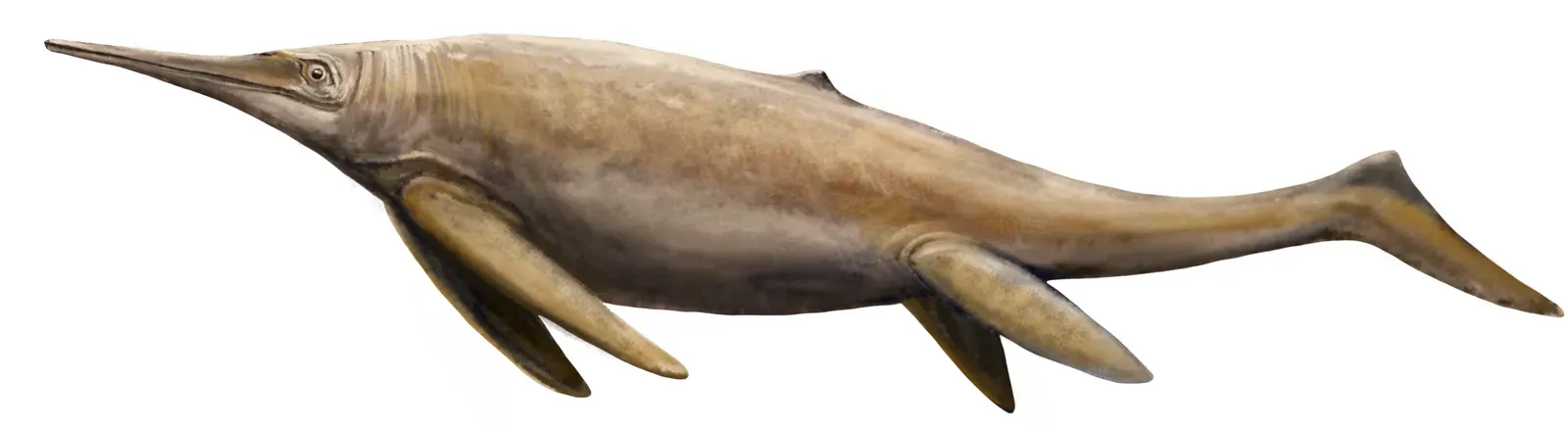
You want a jaw-dropping discovery? This one literally starts with a jaw. A massive jawbone found by a father-daughter fossil-collecting duo on a beach in Somerset along the English coast belonged to a newfound species that’s likely the largest known marine reptile to swim in Earth’s oceans. The team called the new genus and species Ichthyotitan severnensis, meaning “giant fish lizard of the Severn.” The bones are around 202 million years old, dating to the end of the Triassic Period. During this time, the gigantic ichthyosaurs swam the seas while the dinosaurs walked on land.
Ichthyotitan, found in Somerset, has been estimated to be as much as 26 metres long, which, if correct, makes it the largest marine reptile known to date. For a sense of scale, think about the length of two school buses placed end to end, then add a bit more. Further examination of the bone structure preserved in the more recent Blue Anchor fossils also revealed that this individual was still growing, so questions remain as to just how large these giants of the sea could grow. I know it sounds crazy, but this creature may have still been a juvenile.
The Supercharged Senses of the Deep: Eyes, Ears, and Electro-Detection
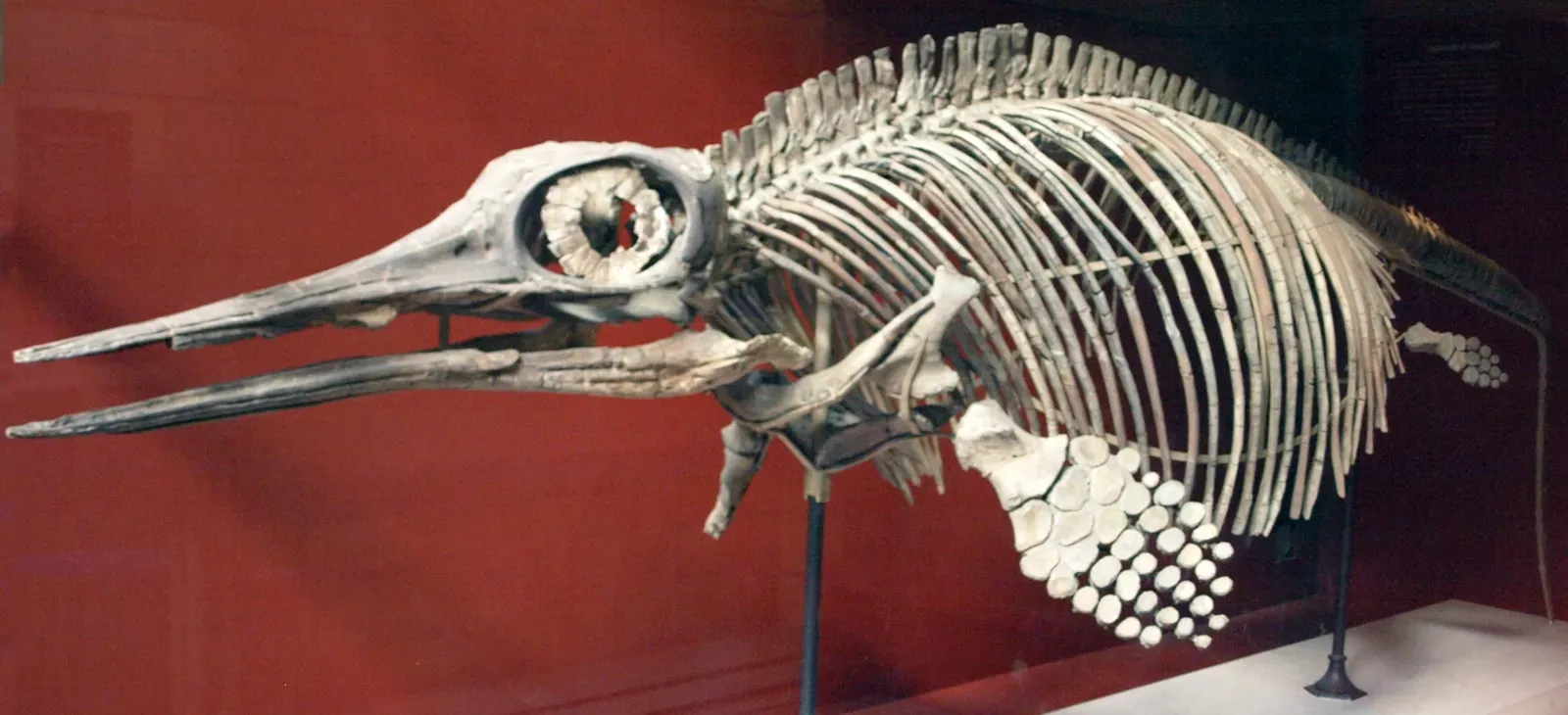
Many ichthyosaur species had large eyes, supported inside by thin bones arranged in a ring. The eyes of Ophthalmosaurus, especially, were large both for its body size and in absolute terms, measuring more than nine inches across. To put that in perspective, that’s roughly the size of a large grapefruit sitting inside a skull, designed entirely for seeing in the dark depths.
Paleontologists have ascertained that Ophthalmosaurus was able to see in dim, low-light conditions. Estimates of how deep Ophthalmosaurus could dive exceed 2,000 feet, deep enough that low-light vision would have been incredibly useful in finding squid-like cephalopods and other prey to dine on. Beyond vision, they may have made up for bad hearing with an acute sense of smell, or they may have possessed electro-sensory organs like those seen in modern sharks, rays, and dolphins. These were not simple, lumbering beasts. They were precision-tuned hunting machines.
Warm-Blooded and Insulated: The Biological Bombshell That Changed Everything
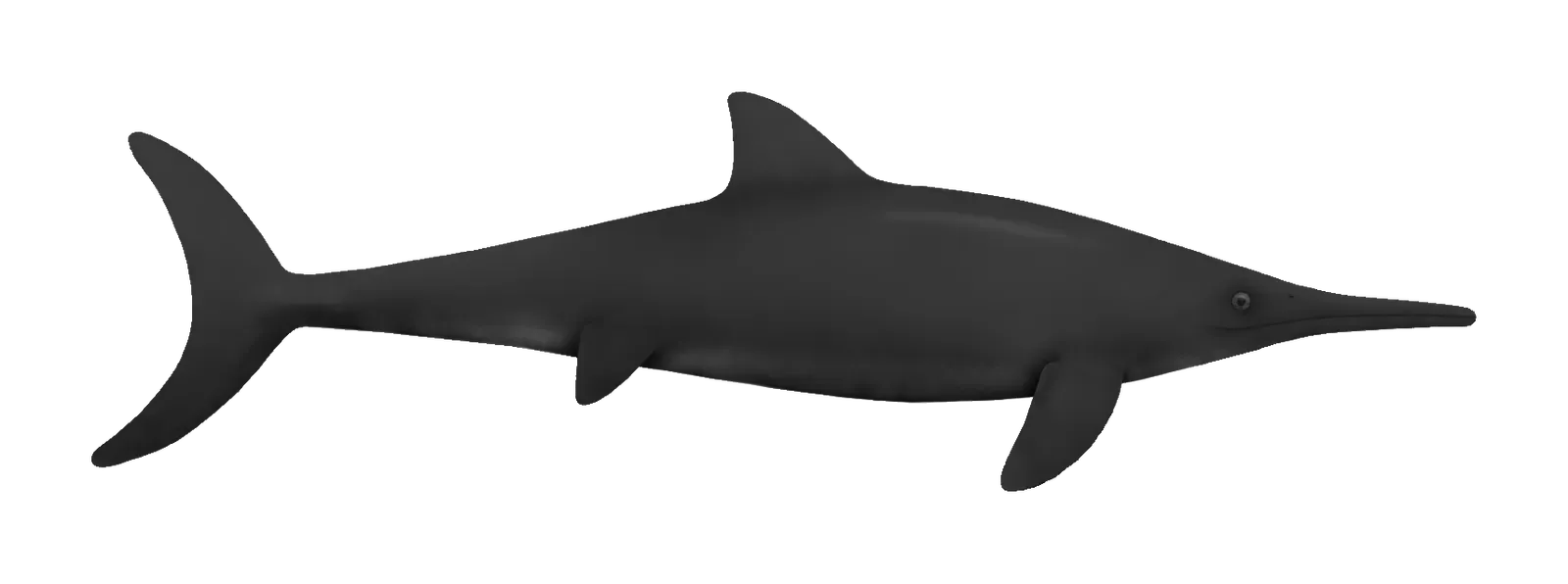
For a long time, scientists assumed these animals were cold-blooded, like modern lizards. That assumption has been completely overturned. An international team of paleontologists found the exceptionally preserved remains of a Stenopterygius ichthyosaur that lived 180 million years ago. The fossil is so well-preserved that its soft-tissues retain some of their original flexibility. Molecular and microstructural analyses revealed that this creature was warm-blooded, had insulating blubber, and used its coloration as camouflage from predators.
A 2025 study using isotopes of oxygen suggested that ichthyosaurs were homeothermic endotherms, having a body temperature of 31 to 41 degrees Celsius. Blubber is consistent with warm-bloodedness as the insulating qualities require the animal to generate its own heat. Taken together, findings indicate that Stenopterygius ichthyosaurs had skin similar to that of a whale, and coloration similar to many living marine animals, dark on top and lighter on the bottom, which would provide camouflage from predators. In other words, you could look at an ichthyosaur and mistake it for a modern dolphin at first glance.
Plesiosaurs and Mosasaurs: The Other Titans of Mesozoic Seas
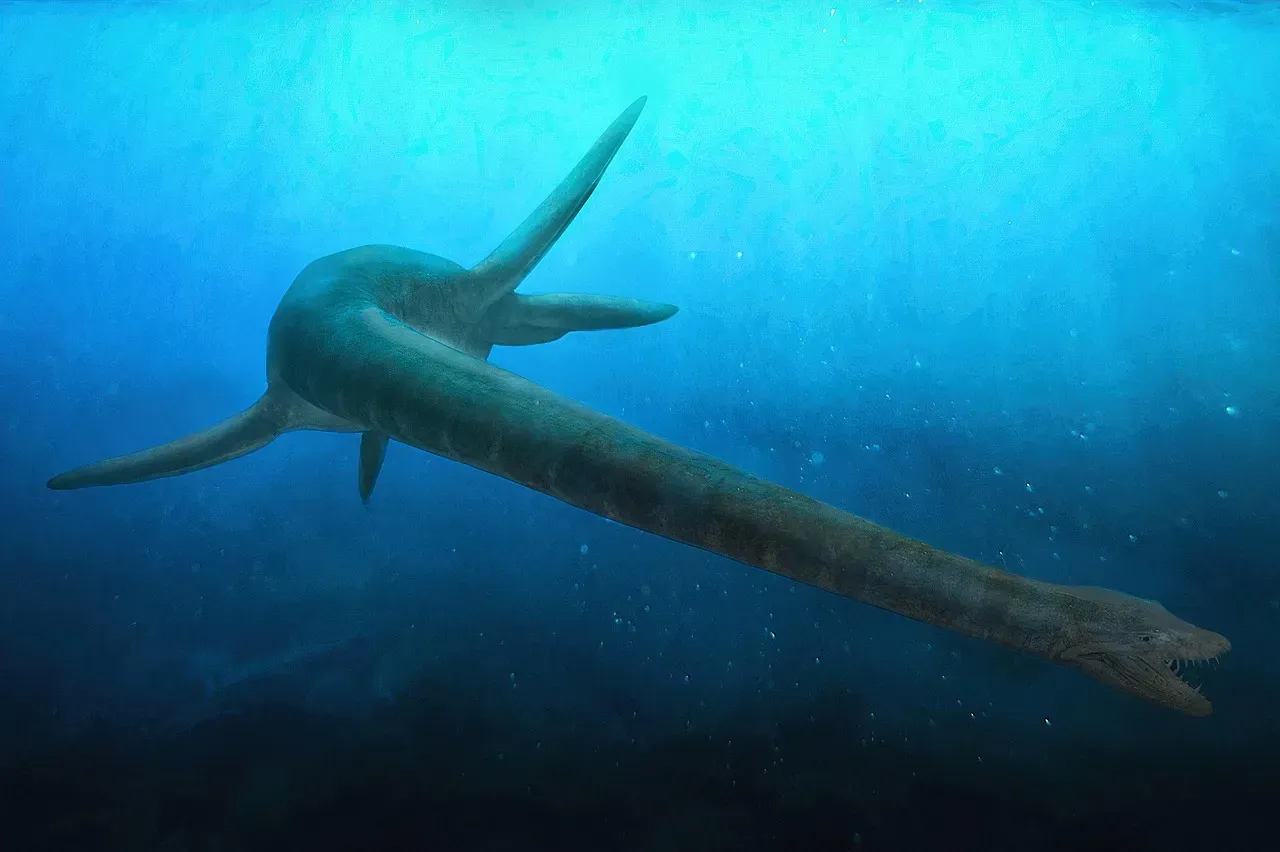
Let’s be real, ichthyosaurs weren’t the only show in town. Long-necked plesiosaurs, shark-shaped ichthyosaurs, toothy mosasaurs and many more saurians were swimming through the ancient seas, their success underwritten by a suite of anatomical specializations. Plesiosaurs, with their impossibly long necks and barrel-shaped bodies, patrolled the water column in ways that no modern animal mirrors.
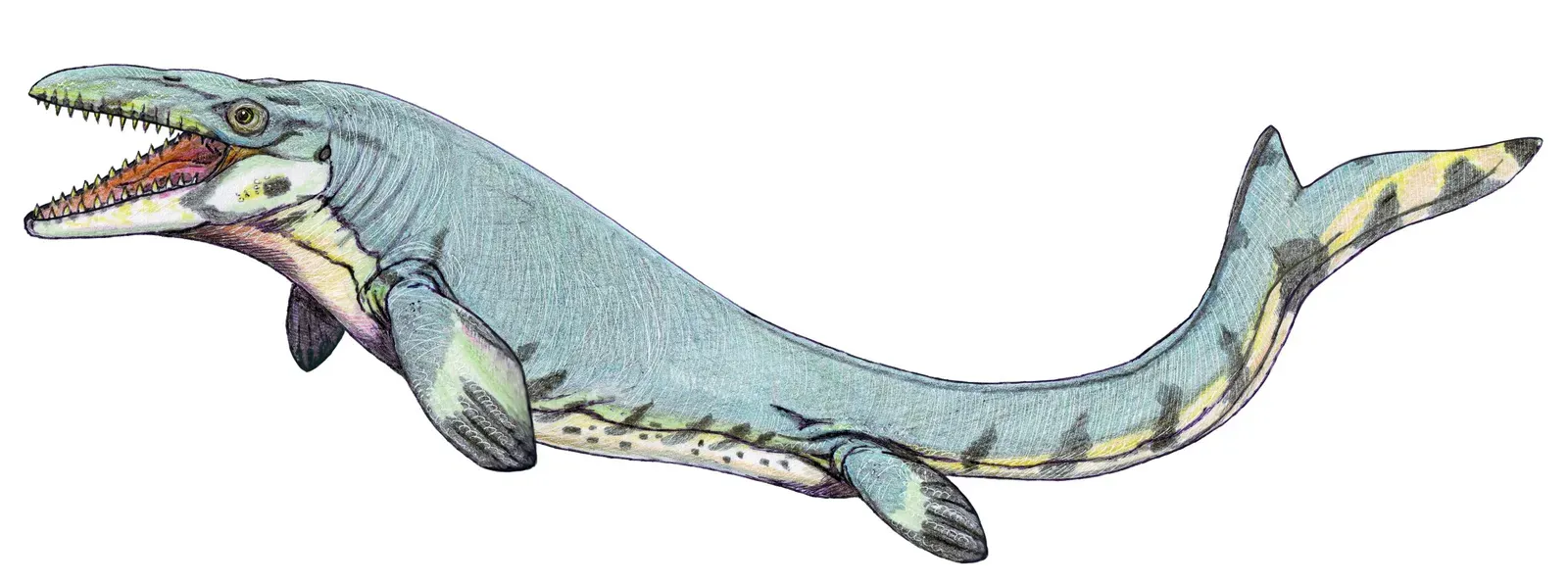
Mosasaurs were the real leviathans of the Mesozoic Era, gigantic marine lizards that grew as large as whales. Some were wide-ranging hunters of large prey while others snacked on shellfish at the bottom of shallow seas. They became the biggest predators of the Cretaceous oceans in just 25 million years, a short period in geologic time. The largest mosasaur, Mosasaurus, reached more than 17 meters long and 15 tons, with a powerful skull as big as a grown man. This real-life leviathan preyed on huge turtles, sharks, and even other mosasaurs.
Born at Sea: The Revolutionary Reproductive Strategy of Marine Reptiles
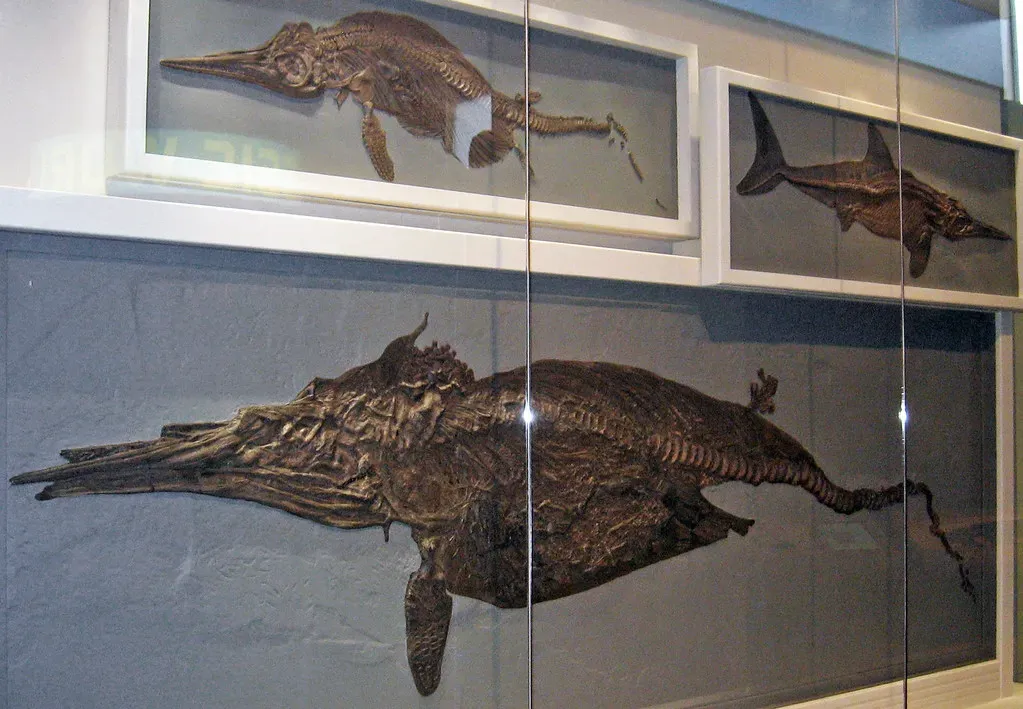
One of the most surprising facts about these animals is how they brought new life into the world. These reptiles had four fins, a fish-like tail, and large eyes, suggesting adaptations for hunting in dimly lit environments. Unlike traditional reptiles, ichthyosaurs were ovoviviparous, giving birth to live young rather than laying eggs, which allowed them to remain fully marine. No scrambling onto beaches, no vulnerable nests, just life emerging directly into the water.
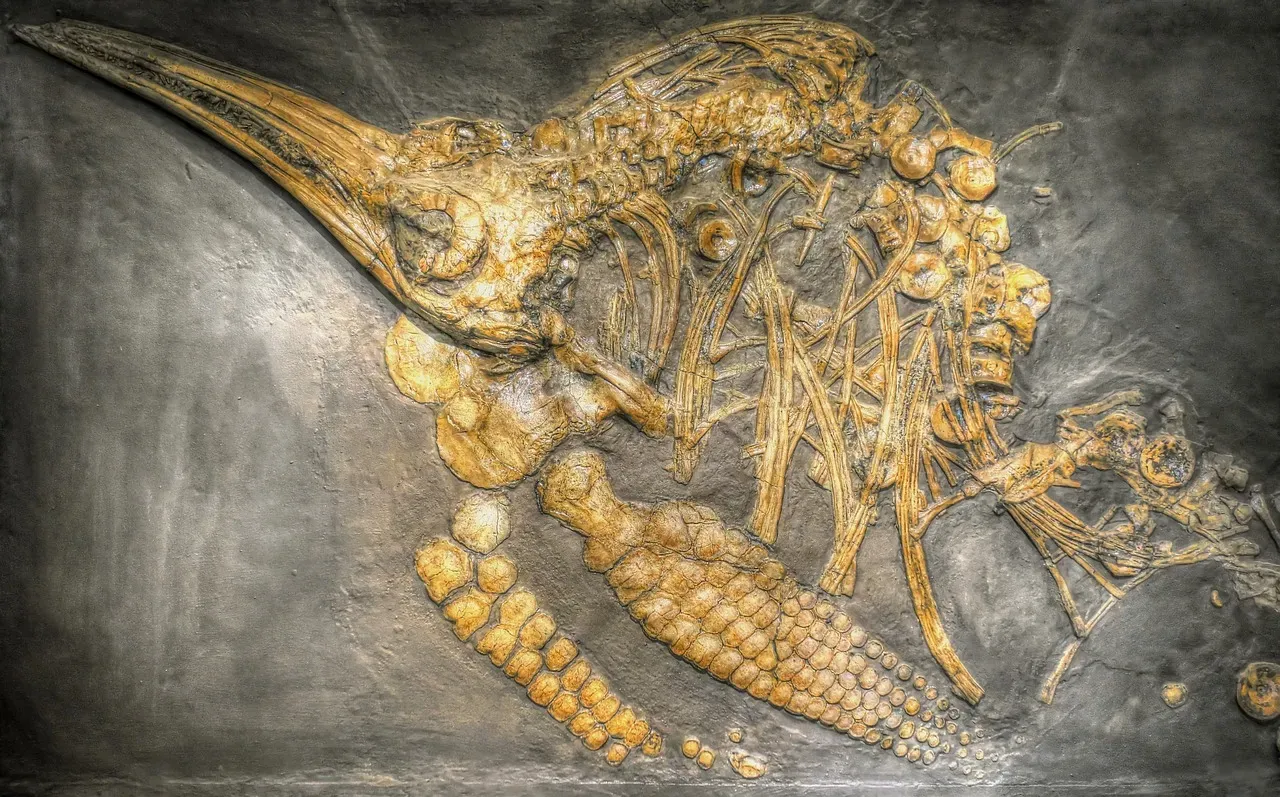
In 1852, paleontologists began to report on exceptional Jurassic ichthyosaurs preserved with embryos near the base of their tails. Experts have found that the babies were pushed out of their mothers by gases during decomposition before preservation. Over time, evidence for live birth in other marine reptiles has piled up. A fossil of the long-snouted, short-necked plesiosaur Polycotylus, for example, was found with the bones of an embryo inside, and mosasaurs evolved the ability to give live birth as well. This was a complete aquatic lifestyle, from birth to death.
Super-Predators Beyond Imagination: A Food Chain Like Nothing Today
Ancient oceans once hosted super-predators so powerful they occupied a higher food-chain level than any animal alive today. Around 130 million years ago, the ocean’s most dominant hunters held far more power than any marine predator alive today. Recent research from McGill University reveals that during the Cretaceous period, some sea creatures sat at the very top of an extraordinarily complex food chain, surpassing modern standards of ecological dominance.
In today’s oceans, food chains typically reach only six levels, with animals such as killer whales and great white sharks sitting at the top. The discovery of predators operating at a seventh trophic level highlights just how rich and complex the ancient ecosystem once was. It also offers rare insight into a deep evolutionary struggle, where predators and prey continuously adapted in response to one another. This is not a minor difference. Think of it as the gap between a local chess club champion and a grandmaster who sees ten moves ahead. These were predators operating on a level we simply no longer see.
Extinction and Legacy: Why the Giants Vanished and What They Left Behind
A series of extinction events over 200 million years ago may have sealed the fate of many marine reptiles. During the Triassic, between 252 and 200 million years ago, marine reptiles rapidly diversified into many different forms as they spread around the world. Their rapid expansion was brought to a halt at the end of the Triassic 200 million years ago by two extinction events in quick succession. New research shows that plesiosaurs and ichthyosaurs were more vulnerable because of a previous event several million years earlier.
Ichthyosaurs as a group survived, but the giants did not. As researchers note, these enormous ichthyosaurs ruled the seas right up until the global extinction event. Marine creatures of their size would not evolve again until aquatic whales began to become larger, millions of years after ichthyotitan stalked the oceans. Ichthyosaurs and the other marine reptiles helped early scientists understand extinction, a fundamental shift in the history of paleontology. Their disappearance, it turns out, left a kind of ecological blueprint, a template that whales and dolphins would later trace without even knowing it.
Conclusion
The story of ichthyosaurs and their fellow marine reptile giants is not just a tale of prehistoric monsters. It is a reminder of how radically life can reinvent itself, how land-dwellers can become ocean rulers, how warm blood and blubber can evolve in a creature we once thought cold and simple. Every jawbone pulled from a Somerset beach, every perfectly preserved fossil from a German quarry, rips open another window into an ocean world so extraordinary it almost defies belief.
What strikes me most is not how alien these animals were, but how familiar. Big eyes for dark water. Warm blood for long pursuits. Live birth for a life spent entirely at sea. These are solutions that evolution found twice, once in reptiles and once in the mammals that came after them. The deep past keeps whispering the same answers to the same questions. The next time you look out at the ocean, consider what might be swimming in the echo of those ancient giants. What would you have guessed was down there, long before the whales ever arrived?