Alaska – The U.S. Bureau of Ocean Energy Management took initial steps last week to potentially lease more than 113 million acres of federal ocean waters off the state’s coast to companies seeking seabed minerals.
Unprecedented Scale Targets Critical Resources
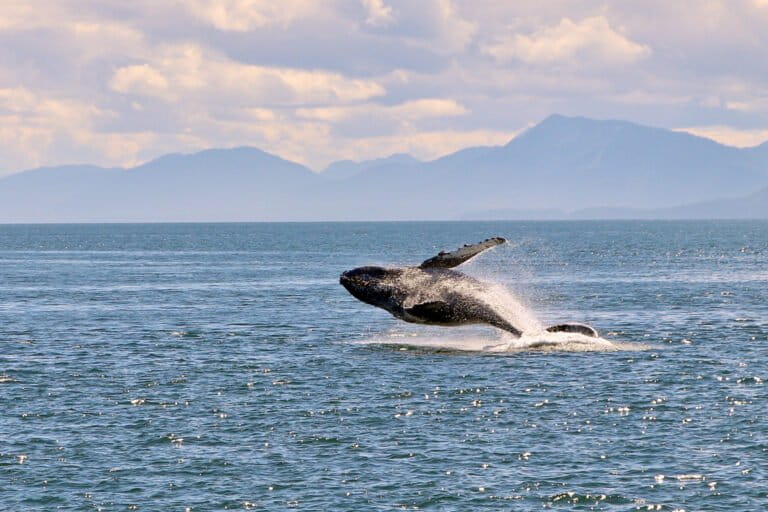
Unprecedented Scale Targets Critical Resources (Image Credits: Imgs.mongabay.com)
The Bureau of Ocean Energy Management, or BOEM, published a request for information in the Federal Register on January 29, 2026, soliciting public comments and industry interest in commercial leasing across Alaska’s Outer Continental Shelf. This marked the first such effort for seabed mining in these waters, covering roughly 113.7 million acres in areas like Norton Sound, Goodnews Bay, the Aleutian Arc, Canada Basin, Chukchi Borderland, and Gulf of Alaska seamounts.
Water depths in the proposed zones range from shallow sands at 10 to 25 meters in Norton Sound to abyssal plains exceeding 5,000 meters and peaks over 7,000 meters near the Aleutian Trench. BOEM focused on sites identified by the U.S. Geological Survey as promising for critical minerals – essential for economic and national security – and heavy mineral sands. Comments closed on March 2, setting the stage for possible future lease sales if interest materializes.
Matt Giacona, BOEM’s acting director, described the move as a practical step to explore development that could bolster jobs, investment, and supply chains for industry, defense, and emerging technologies.
Indigenous Communities Highlight Cultural Risks
Alaska hosts more than 200 Native nations with deep ocean ties, and the plan prompted swift concerns over impacts to traditional livelihoods. Jasmine Monroe, an Inupiaq, Yupik, and Cherokee resident from the Bering Strait village of Elim, emphasized reliance on marine foods. “We eat beluga meat, we eat walrus, we eat seal, we eat whale,” she said. “Whatever happens in the ocean, it really does affect our way of life.”
Monroe, who works on water quality at Alaska Community Action on Toxics, criticized the short 30-day comment window and top-down process as leaving communities sidelined. Kate Finn, executive director of the Tallgrass Institute and an Osage Nation citizen, warned that seabed operations risk repeating land-based mining’s failures with Indigenous groups, stressing rights to consent or withdraw under international law.
- Disruption to subsistence harvesting of seals, whales, and fish.
- Limited consultation amid deregulation.
- Potential violation of cultural access to sacred ocean areas.
Ecological Threats to Fragile Seafloors
Critics highlighted risks to pristine habitats, including zones closed to bottom trawling for protecting fish nurseries and biodiversity hotspots. Cooper Freeman of the Center for Biological Diversity noted that Aleutian waters shelter commercially vital species and sensitive ecosystems vulnerable to scraping.
Becca Robbins Gisclair of Ocean Conservancy warned that mining could jeopardize world-class fisheries supporting coastal economies and cultures, with sediment plumes threatening the marine food web from seafloor life to walruses, seals, crabs, and halibut.[3] Scientists have cautioned that damaged deep-sea environments, home to slowly growing nodules formed over millions of years, might require millennia to recover.
| Region | Depth Range | Key Concerns |
|---|---|---|
| Aleutian Arc | Over 7,000m | Fish nurseries, trawling bans |
| Bering Sea Plains | 3,800-5,500m | Abyssal biodiversity |
| Norton Sound | 10-25m | Heavy sands, fisheries |
Part of Wider Trump Administration Drive
The Alaska initiative follows BOEM requests for interest in American Samoa and the Northern Mariana Islands, where opposition ran high – over 76,000 comments flooded the Samoa process. President Trump backed the sector to secure U.S. critical mineral leadership, even urging operations in international waters despite stalled global talks.
No major firms like The Metals Company plan Alaska ventures yet, though Impossible Metals’ CEO expressed conditional interest in nodule-rich zones. The push aligns with executive orders prioritizing domestic resources.
Key Takeaways
- BOEM’s RFI covers 113 million acres but commits to no leases without further review.
- Indigenous advocates demand meaningful consent and longer engagement.
- Environmental groups urge protection of fisheries-dependent communities.
As comments roll in, the balance between resource needs and ocean stewardship remains precarious. The outcome could redefine Alaska’s coastal future. What do you think about this proposal? Tell us in the comments.