The Denver Museum of Nature & Science gears up for the debut of “The World’s Largest Dinosaurs,” a captivating temporary exhibition centered on sauropods, the colossal herbivorous dinosaurs that dominated prehistoric landscapes. Opening to the public on March 20, 2026, and running through September 7, the show delves into the extraordinary anatomy and biology of these long-necked giants. Visitors will encounter life-sized models and interactive displays that illuminate how these behemoths ate, breathed, and thrived despite their immense scale.
Sauropods Defied the Limits of Size
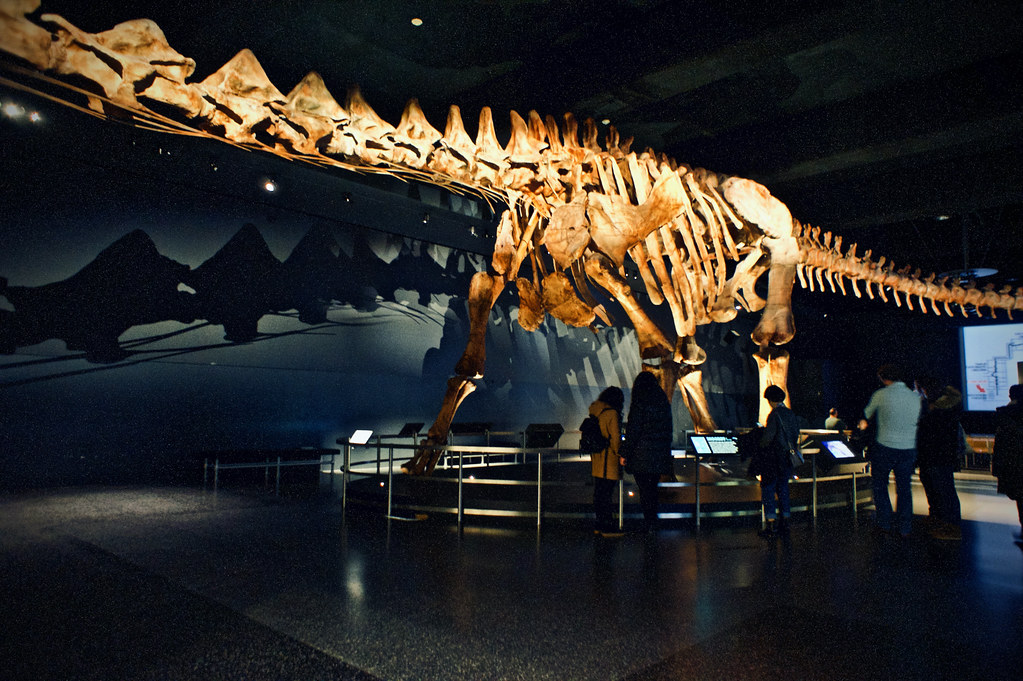
Sauropods Defied the Limits of Size (Image Credits: Flickr)
Sauropods stood out as the largest land animals ever, stretching from 15 to 150 feet in length and averaging 12 tons in weight. These plant-eating members of the Saurischia clade evolved long necks and tails that allowed them to reach high vegetation while maintaining balance. The exhibition highlights how their biology adapted to such extremes, from rapid growth phases to specialized organ systems.
Hatchlings tipped the scales at less than 11 pounds but ballooned to 55 tons as adults, a transformation that raises profound questions about metabolism and development. Paleontologists long puzzled over how these creatures sustained their massive frames, and the display addresses core challenges like circulation and respiration head-on.
Dissecting the Anatomy: Necks, Lungs, and Vital Systems
A standout feature looms as a 60-foot-long model of Mamenchisaurus, renowned for its 30-foot neck, with internal organs exposed through animated projections. Guests witness a simulated beating heart and airflow dynamics, revealing how air sacs likely aided breathing in these giants. The exhibit probes big questions, such as how blood reached the brain atop those towering necks or how lungs processed oxygen for such bulk.
Displays break down digestion, where enormous stomachs fermented vast quantities of plants, and reproduction strategies suited to their scale. Dr. Patrick O’Connor, director of Earth & Space Sciences at the museum, noted, “The World’s Largest Dinosaurs invites visitors to explore one of the most fascinating questions in paleontology — how any animals could grow and survive at such an extraordinary size.” These elements combine scientific rigor with visual spectacle.
Hands-On Encounters with Prehistoric Power
Interactive stations invite exploration of sauropod physiology, from blood circulation puzzles to models simulating eating habits. Magnetic assemblies let visitors piece together giant skeletons, while multimedia projections animate organ functions on the central Mamenchisaurus replica. A dramatic entrance features the massive head of Argentinosaurus, one of the heftiest dinosaurs known.
Optional Spanish audio guides enhance accessibility, and content spans growth, movement, and energy needs. The exhibition, organized by the American Museum of Natural History, promises immersion for all ages in the Phipps Gallery on the museum’s third floor.
Rare Fossils Spotlight Museum Legacy
The Denver Museum showcases treasures from its collection, including the first dinosaur bone it ever collected — a sauropod specimen. A 40-foot section of sauropod tail vertebrae and two eight-foot shoulder blades provide tangible links to these ancient herbivores. These artifacts anchor the exhibit amid models and interactives, underscoring ongoing research by museum scientists.
Visitors learn how fossil evidence informs modern understandings of sauropod life, from skeletal support to soft tissue inferences. The display extends to future paleontological pursuits, bridging past giants with contemporary discovery.
Key Takeaways
- Sauropods grew from 11-pound hatchlings to 55-ton adults, adapting uniquely to size demands.
- Core exhibit: 60-foot Mamenchisaurus model with animated internals like beating hearts and lungs.
- Tickets require general admission plus special exhibition fee; book ahead at DMNS website.
This exhibition not only reimagines the lives of sauropods but also sparks wonder about nature’s engineering limits. As Denver welcomes these titans, it offers a timely reminder of Earth’s wild prehistoric diversity. What fascinates you most about these massive herbivores? Tell us in the comments.