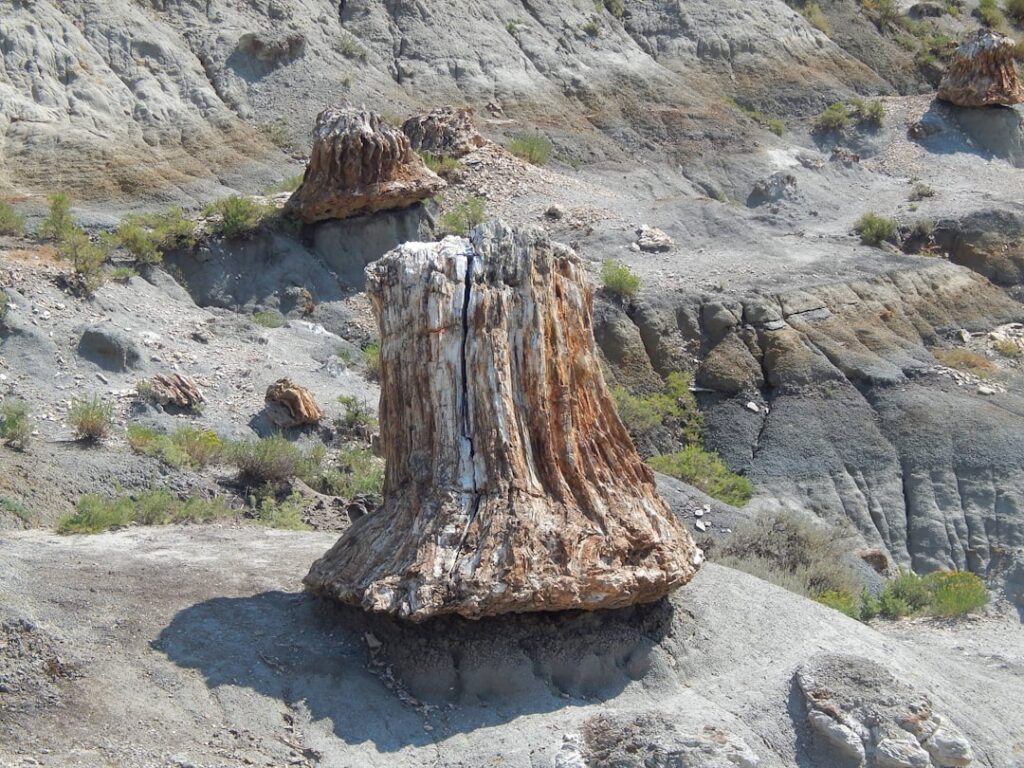
Southwest England – A rare tree fossil emerged from the eroding cliffs of Saltern Cove in Paignton, Devon, captivating geologists with its glimpse into a forgotten world. Discovered amid routine surveys, the 377-million-year-old remains belong to primitive lycopsid trees that once dotted volcanic islands during the Devonian period. This find challenges long-held views of the region’s ancient rocks, which previously revealed only marine life from tropical seas.
A Beachside Breakthrough in Prehistoric Discovery
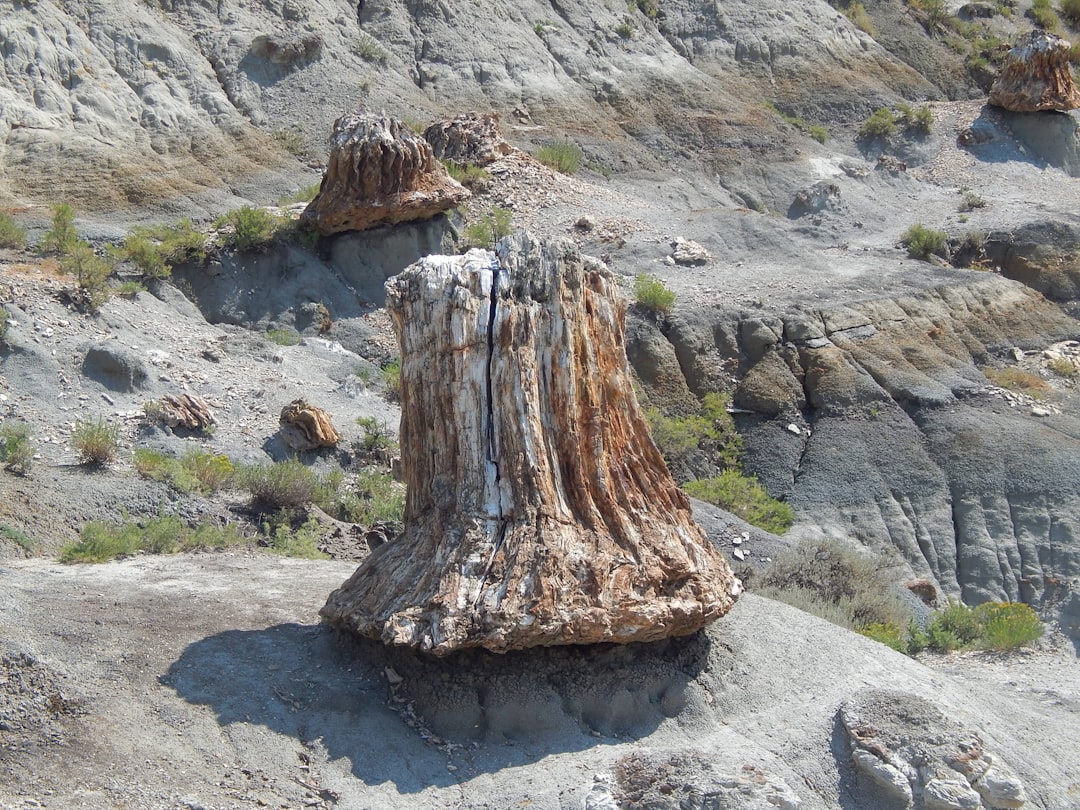
A Beachside Breakthrough in Prehistoric Discovery (Image Credits: Unsplash)
Picture a quiet cove battered by waves, where fragments of bark and roots suddenly rewrite geological history. Dr. Kevin Page spotted the fossils during a condition survey for Natural England at Saltern Cove, part of the English Riviera UNESCO Global Geopark. These lycopsid specimens, resembling stubby palm trees up to four meters tall, marked the first land plant evidence in Devonian strata long thought to record solely underwater ecosystems.
The shallow rooting systems suggested adaptation to unstable volcanic soils, where trees gripped loose rock amid eruptions and storms. Teams acted swiftly against winter erosion threats, winching the fragile pieces up sheer cliffs with specialist help. This collaborative rescue involved experts from the Universities of Exeter, Plymouth, Cardiff, and Lille, alongside local trusts and contractors.
Unpacking the Lycopsid Legacy
Lycopsids represented early pioneers of terrestrial life, ancestors to the massive trees that later formed coal deposits. Standing just 13 feet high, these plants featured simple trunks and roots designed for nutrient-poor, fast-draining volcanic ground. Their presence indicated calm periods allowed soil formation, essential for forest establishment.
Previously, Torbay’s Devonian limestones and mudstones yielded corals, reefs, and volcanic debris from equatorial seas. The fossil shifts the narrative to an archipelago where dry land supported vegetation, bridging marine and terrestrial records.
Devonian Drama: Islands Amid Ancient Seas
Some 377 million years ago, the Devonian world teemed with innovation as vascular plants colonized land. Volcanic islands like those inferred at Saltern Cove hosted prototype forests, where roots broke rock, trapped sediment, and enriched soils with organic matter.
Dr. Page highlighted the breakthrough: “These fossils are incredibly significant as they provide valuable insights into the prehistoric environment of Torbay, including the presence of volcanic islands with trees growing on them.” He added, “This could potentially be the first record of a Devonian desert island with trees, a truly remarkable find.”
- Shallow roots anchored trees in loose, eruption-prone soils.
- Bark and root fragments preserved despite marine dominance in local rocks.
- Evidence aligns with Middle Devonian forests elsewhere in Britain and China.
- Islands likely formed near equator, blending volcanic activity with tropical warmth.
- Trees transformed landscapes by stabilizing ground and fostering biodiversity.
From Cliff to Museum Showcase
After nearly a year of secrecy and preparation, the fossil debuted at Torquay Museum on September 6, 2025. A public fragment now joins the permanent collection, while fuller analysis continues under curatorial care.
Melanie Border, Geopark Coordinator, expressed excitement: “To date our Devonian age rocks have only provided evidence of a marine environment but it’s very exciting to think we now have evidence of volcanic islands and trees too. It opens a new chapter of changing environments and conditions for us.” The effort underscored community and academic partnerships in heritage preservation.
Key Takeaways
- The Saltern Cove fossil offers the earliest known proof of Devonian trees on volcanic islands.
- Lycopsids adapted to harsh conditions, paving the way for complex forests.
- Collaborative recovery highlights the urgency of protecting eroding coastal sites.
This discovery not only illuminates Torbay’s hidden past but also reminds us how fragile Earth’s deep history remains against modern erosion. As cliffs continue to yield secrets, such finds reinforce the value of geoparks in safeguarding scientific treasures. What do you think this means for our understanding of ancient climates? Tell us in the comments.