Popular culture has painted a vivid picture of dinosaurs as terrifying creatures with deafening roars that could shake the ground beneath them. From Jurassic Park to countless documentaries, these ancient reptiles are almost always portrayed with lion-like roars or elephant-like trumpets. But how accurate are these depictions? Did all dinosaurs roar, or have we been misled by Hollywood’s creative license? The truth about dinosaur vocalizations is far more nuanced and fascinating than most people realize. Let’s explore what paleontologists and researchers have discovered about the sounds these magnificent creatures might have made millions of years ago.
The Challenge of Studying Prehistoric Sounds

Understanding dinosaur vocalizations presents a unique scientific challenge because sounds don’t fossilize. Unlike bones, teeth, and occasionally skin impressions that have survived for millions of years, the soft tissues involved in sound production decompose rapidly after death. The vocal organs themselves—like the larynx or syrinx in modern animals—were made of cartilage and soft tissue that rarely preserve in the fossil record. This fundamental limitation has forced scientists to use indirect methods to investigate dinosaur sounds. Researchers must rely on comparative anatomy, studying the closest living relatives to dinosaurs, examining skull structures, and using computer modeling to make educated inferences. This detective work requires piecing together multiple lines of evidence rather than having direct recordings or even preserved vocal organs.
The Anatomy of Sound Production
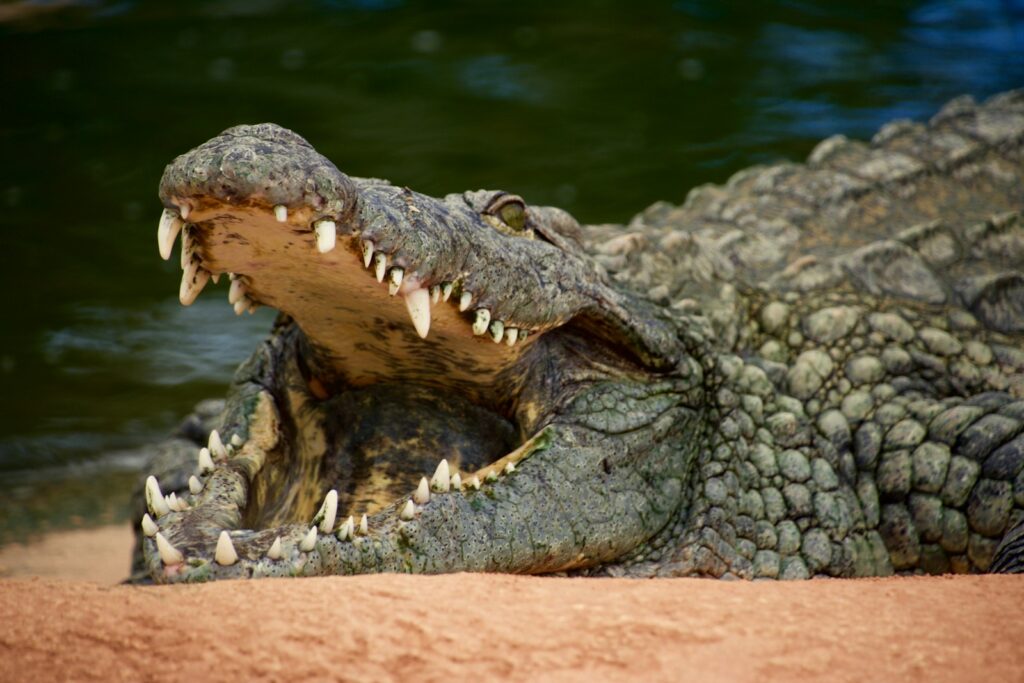
To understand potential dinosaur vocalizations, scientists first need to examine how sounds are physically produced in animals. Modern vertebrates typically produce sounds through specialized structures: mammals use a larynx (voice box), while birds employ a unique organ called the syrinx located at the base of the trachea. Reptiles like crocodilians use a simplified larynx and can produce hisses, grunts, and bellows. Since dinosaurs were neither mammals nor exactly like modern reptiles, their sound-producing anatomy would have differed significantly from the lions and tigers that Hollywood often uses as audio templates. Some dinosaur groups were more closely related to birds, while others shared more characteristics with reptiles, suggesting a wide range of potential vocalization mechanisms. The size and shape of nasal passages, throats, and air sacs would have further modified whatever sounds were produced, creating unique acoustic signatures for different species.
Birds: The Living Dinosaurs

Perhaps the most important clue to dinosaur vocalizations comes from birds, which are technically avian dinosaurs—the only dinosaur lineage to survive the mass extinction event 66 million years ago. Birds produce their diverse songs and calls using a syrinx, a specialized vocal organ not found in other living reptiles. The discovery that some non-avian dinosaurs possessed a similar structure has profound implications for our understanding of dinosaur sounds. Paleontologists have found evidence suggesting that some theropod dinosaurs (the group that includes Velociraptor and T. rex) may have had air sac systems similar to those in modern birds. These air sacs are crucial for the functioning of the avian respiratory system and play an important role in sound production. This anatomical connection suggests that at least some dinosaurs, particularly those more closely related to birds, might have made sounds more similar to bird calls than mammalian roars.
Crocodilians: Another Key to Dinosaur Sounds

Crocodilians (alligators, crocodiles, and their relatives) represent another important reference point for understanding dinosaur vocalizations. As the closest living relatives to dinosaurs apart from birds, crocodilians share a common ancestor with dinosaurs and have retained many primitive features. Modern crocodilians are capable of producing a range of vvocalizationsincluding hisses, grunts, and distinctive bellows during mating season that can be felt as much as heard due to their low frequency. The bellowing sounds produced by crocodilians involve vibrating air through their larynx and inflating their bodies to create resonance chambers. Given that dinosaurs and crocodilians shared a relatively recent common ancestor (compared to other living animals), some dinosaur groups may have employed similar mechanisms. This suggests that certain dinosaurs, particularly more basal groups like the large sauropods, might have produced low-frequency sounds rather than the high-pitched roars we often hear in films.
The Evidence from Skull Structures

Dinosaur skulls provide some of our best clues about potential vocalizations. The structure of the skull, particularly the nasal passages and crests, can indicate sound production capabilities. Hadrosaurs (duck-billed dinosaurs) like Parasaurolophus and Corythosaurus had elaborate hollow crests connected to their nasal passages. These structures likely served multiple purposes, including species recognition and sexual display, but acoustic studies suggest they could have functioned as resonance chambers for vocalizations. Computer simulations of air passing through these hollow crests indicate they could have produced distinctive low-frequency sounds, possibly similar to a trombone or trumpet. These sounds would have been unique to each species based on the specific shape of their crest, potentially allowing individuals to recognize members of their species across vast distances. This suggests that at least some dinosaur groups had evolved specialized anatomical adaptations specifically for sound production.
Could T. rex Roar? The Predator’s Voice
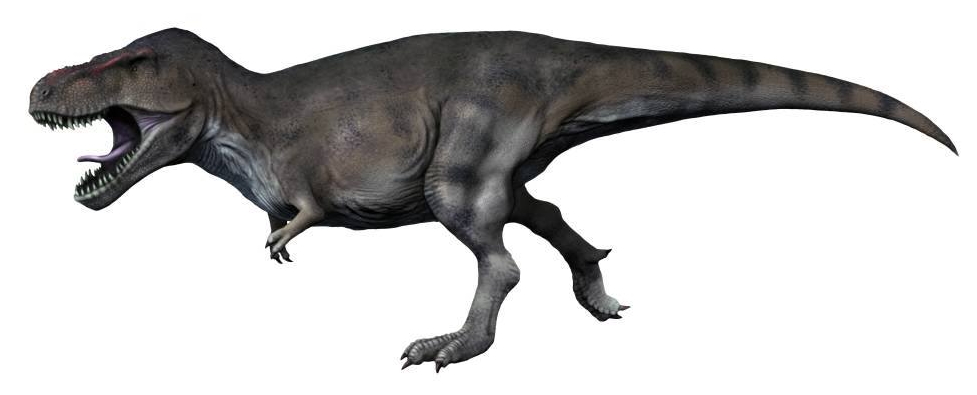
Tyrannosaurus rex, perhaps the most iconic dinosaur, is invariably portrayed with a terrifying roar in popular media. However, scientific evidence suggests its vocalizations were likely quite different from the Hollywood version. T. rex belonged to the theropod group, which includes the direct ancestors of birds. Based on this evolutionary relationship, T. rex might have had more bird-like vocal capabilities than reptilian ones. Rather than roaring like a lion, T. rex might have produced closed-mouth vocalizations similar to those made by modern crocodilians or certain birds. Some paleontologists have suggested that T. rex might have made low-frequency sounds that could travel long distances, perhaps more like the booming calls of cassowaries or emus than the roar of big cats. These lower-frequency sounds would have been advantageous for territorial communication across the large ranges that these massive predators likely inhabited.
Closed-Mouth Vocalization Theory

A compelling hypothesis regarding dinosaur sounds involves what scientists call “closed-mouth vocalization,” a technique observed in certain modern birds. This method of sound production involves inflating a pouch in the throat and creating resonant, booming sounds without opening the mouth widely. Birds like the cassowary, emu, and certain types of pigeons use this technique to produce deep, far-carrying calls. Research published in 2016 suggested that many dinosaurs might have used similar techniques. This method of sound production would have been particularly advantageous for large dinosaurs, as low-frequency sounds can travel farther than high-frequency ones in open environments. Closed-mouth vocalizations would have allowed dinosaurs to communicate over substantial distances without expending excessive energy—a significant advantage for massive creatures with high metabolic needs. If correct, this would mean that dinosaur sounds were more reminiscent of booming, resonant calls than the open-mouthed roars we associate with predators today.
Infrasound: Communication Below Human Hearing
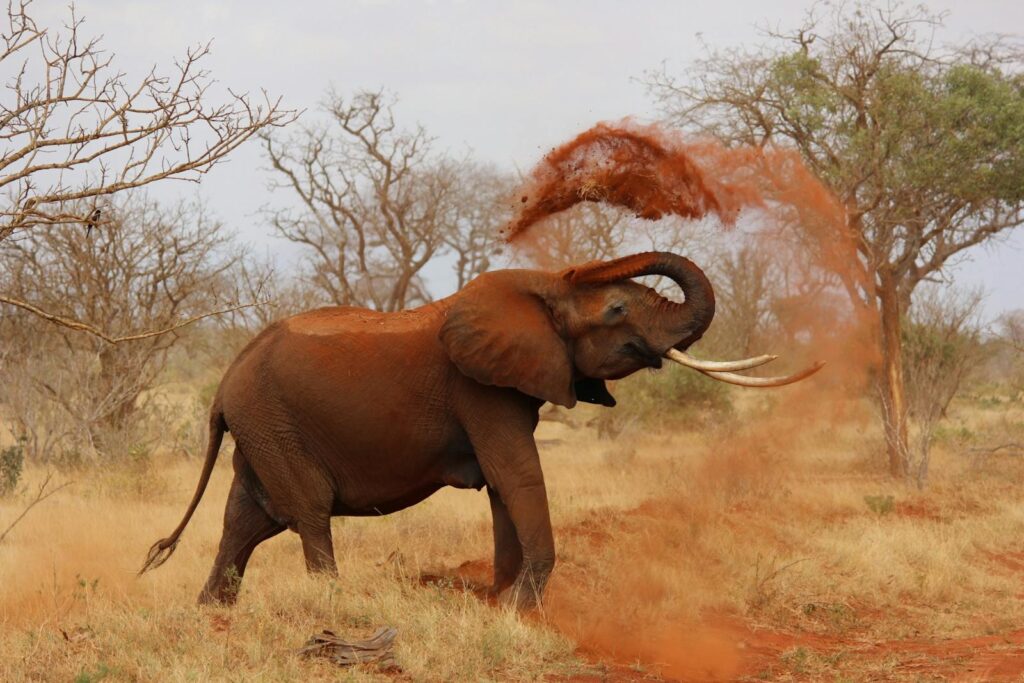
Some researchers have proposed that larger dinosaurs might have communicated using infrasound—sound waves below the threshold of human hearing (generally below 20 Hz). This hypothesis draws parallels with modern elephants, whales, and crocodilians, which use infrasound to communicate over long distances. Large sauropods like Brachiosaurus and Diplodocus had long necks and massive body cavities that could theoretically have produced and amplified low-frequency sounds. These infrasonic communications would have been inaudible to human ears but could have traveled for miles across prehistoric landscapes, allowing dinosaur herds to coordinate movements or warn of dangers. The anatomical features that would support such communication include large air sacs, robust chest cavities, and specialized neck structures. If this theory is correct, vast dinosaur herds might have been constantly “talking” to each other in ways completely imperceptible to human observers if they could travel back in time.
The Quiet Dinosaurs: Not All Made Loud Sounds

While much attention focuses on the potential for loud dinosaur vocalizations, it’s important to consider that not all dinosaurs were necessarily vocal. Many modern reptiles, including some lizards and turtles, make minimal sounds and rely more on visual displays for communication. Some dinosaur species, particularly smaller ones or those that lived in dense forests where sound doesn’t travel well, might have relied more on visual signals like head-bobbing, crest displays, or coloration changes for communication. Others might have used primarily physical displays, like the elaborate feathers of Microraptor or the striking frills of ceratopsians like Triceratops. These display structures suggest complex social behaviors that might not have required vocal components. Additionally, the energy cost of producing loud sounds might have been prohibitive for some species, leading to the evolution of alternative communication strategies that didn’t involve vocalization.
Dinosaur Hearing Capabilities
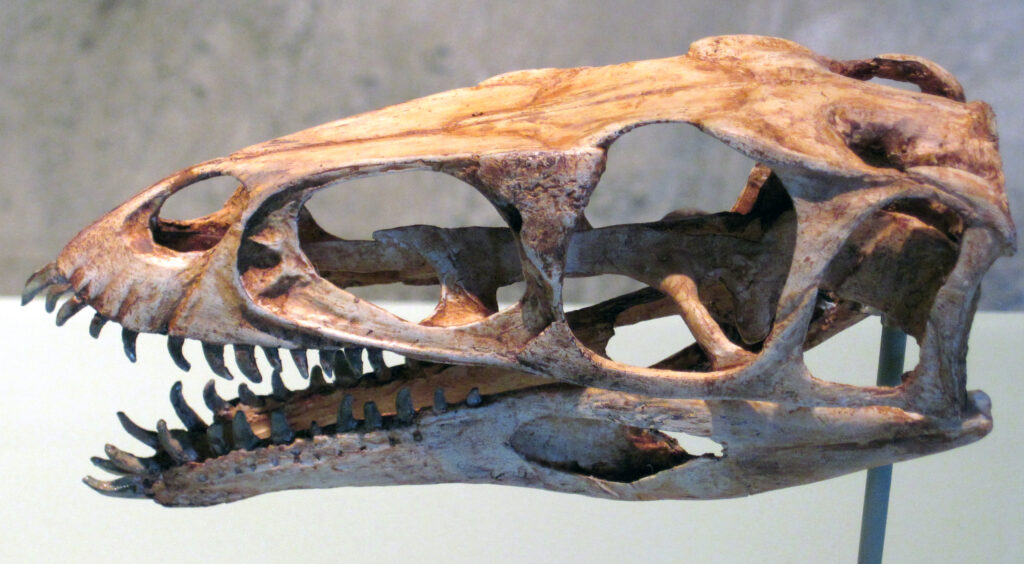
Understanding how dinosaurs heard provides another crucial piece of the vocalization puzzle. Animals typically evolve vocalization abilities that match their hearing range—it would be inefficient to produce sounds that members of your species cannot detect. Studies of dinosaur skull anatomy, particularly the structure of the inner ear, suggest varying hearing capabilities across different groups. Some theropods appear to have had refined hearing, particularly sensitive to higher frequencies, similar to modern birds. This suggests they might have produced and responded to more complex, higher-pitched vocalizations. In contrast, some large sauropods show evidence of being more sensitive to low-frequency sounds, supporting the infrasound communication theory. The diversity in hearing structures across dinosaur groups indicates that there was likely no single “dinosaur sound” but rather a wide spectrum of vocalizations tailored to each species’ ecological niche, social structure, and anatomical capabilities.
Computer Modeling and Sound Reconstruction

Modern technology has opened new avenues for investigating dinosaur sounds through sophisticated computer modeling. Paleontologists can now create digital models of dinosaur skulls, nasal passages, and potential vocal organs to simulate how they might have functioned. This technique has been particularly valuable for studying hadrosaurs with their elaborate crests. Researchers have created 3D models of these structures and simulated airflow through them to recreate potential sounds. Similar work has been done with other dinosaur groups, providing our best approximations of their vocalizations. One pioneering study used CT scans of a Parasaurolophus skull to create a digital model of its crest, then simulated air passing through it. The resulting sound was a deep, resonant tone similar to a trombone or horn, quite different from typical movie dinosaur roars. These computer models, while still theoretical, represent our most scientifically rigorous attempts to recreate dinosaur vocalizations based on physical evidence rather than speculation.
Social Context of Dinosaur Sounds
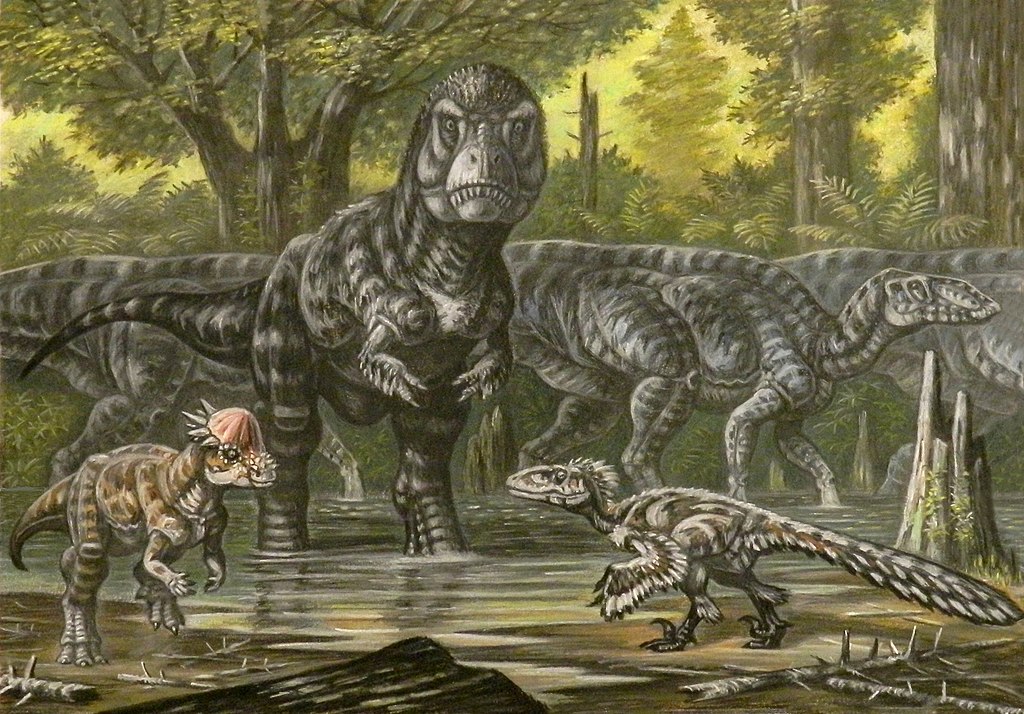
The social structures and behaviors of dinosaurs would have significantly influenced their vocal repertoires. Highly social species typically develop more complex communication systems than solitary ones. Evidence suggests many dinosaur species were social animals that lived in groups, from the massive herds of Edmontosaurus to the pack behavior theorized for some dromaeosaurs like Deinonychus. These social structures would have required methods of communication between individuals. Vocalizations might have served multiple purposes: coordinating group movements, warning of predators, establishing dominance hierarchies, or attracting mates. Different sounds would likely have been used for different contexts, just as modern birds and mammals have varied calls for specific situations. The nesting grounds discovered for many dinosaur species also suggest parental care, which typically involves communication between parents and offspring. This social complexity points to nuanced vocal repertoires rather than the simple roars often depicted in popular media.
The Future of Dinosaur Sound Research
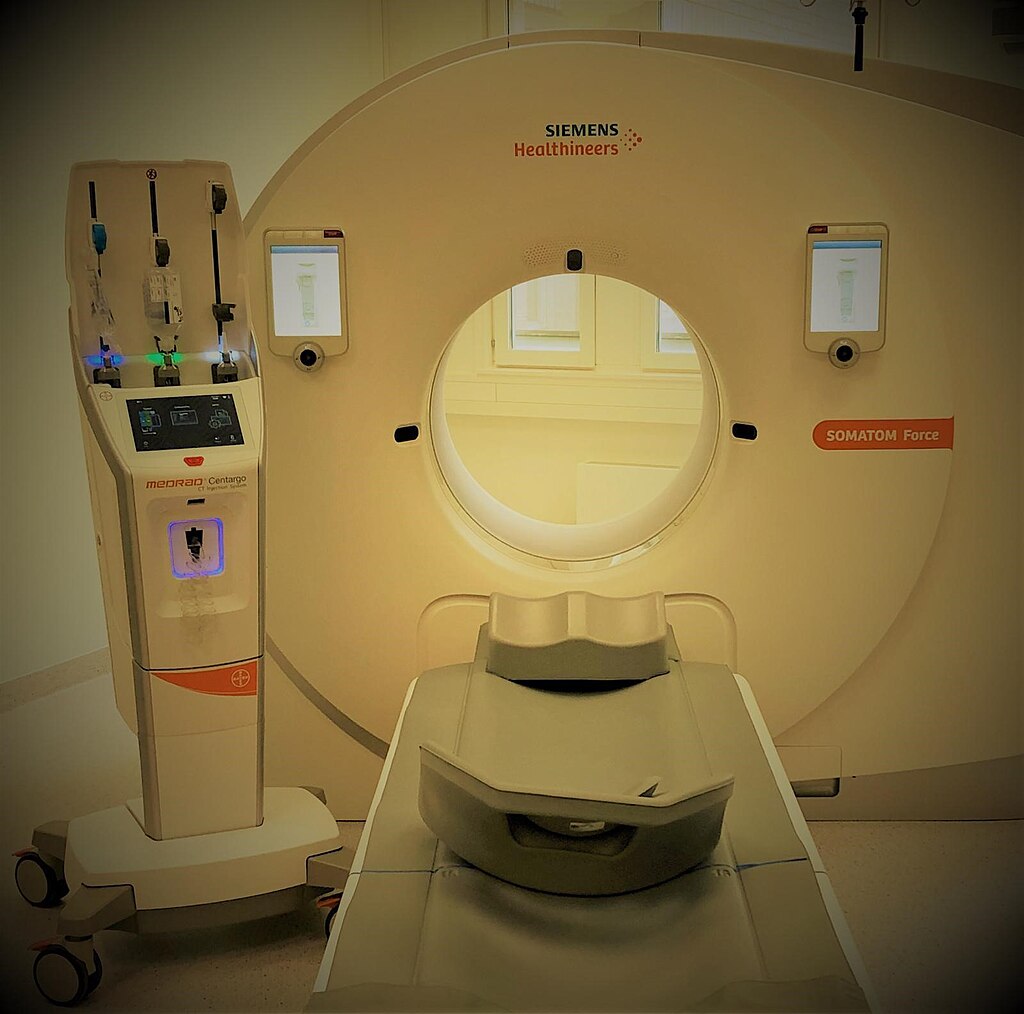
Research into dinosaur vocalizations continues to evolve with new technologies and discoveries. Advances in CT scanning allow scientists to examine fossil skulls in unprecedented detail, creating more accurate models of nasal passages and potential resonating chambers. Biomechanical modeling continues to improve, allowing for more sophisticated simulations of air movement through these structures. Additionally, new fossil discoveries occasionally provide rare insights into soft tissue structures that might have been involved in sound production. The study of dinosaur vocalizations also benefits from advances in understanding the sounds of living animals, particularly birds and crocodilians, which helps refine our models of their extinct relatives. As paleontologists discover more complete specimens and develop more sophisticated analytical techniques, our understanding of dinosaur sounds will continue to become more nuanced and evidence-based. Future research may even identify fossilized structures specifically adapted for sound production that have not yet been recognized.
Conclusion
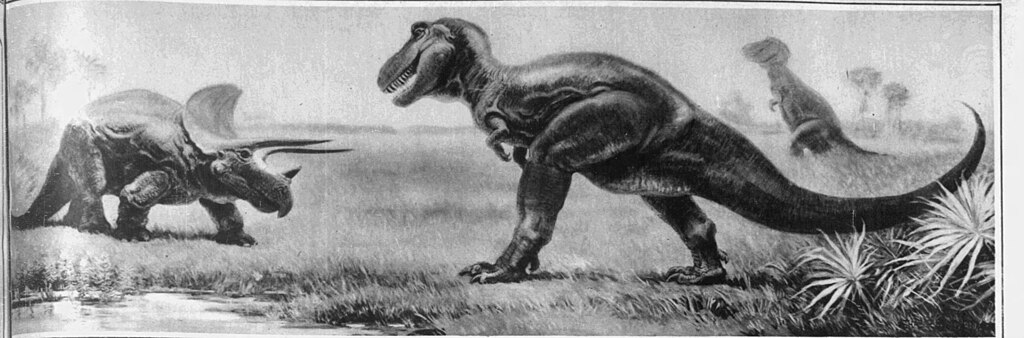
The popular conception of dinosaurs as roaring beasts is largely a product of human imagination rather than scientific evidence. The reality of dinosaur vocalizations was likely far more diverse and nuanced than Hollywood portrayals suggest. From the bird-like calls of small theropods to the possible infrasonic rumbles of massive sauropods and the resonant horn-like sounds of crested hadrosaurs, dinosaurs probably produced a rich acoustic landscape unlike anything in the modern world. While we may never know exactly what dinosaurs sounded like, continuing research brings us closer to understanding the acoustic world of the Mesozoic. Perhaps the most fascinating aspect of this research is the realization that the Earth once resonated with dinosaur voices that we can only begin to imagine—sounds as unique and varied as the extraordinary creatures that produced them.