The prehistoric world was a complex ecosystem where dinosaurs reigned as the dominant terrestrial vertebrates for over 160 million years. While fossilized bones and footprints have provided valuable insights into dinosaur anatomy and behavior, questions about their smaller biological interactions remain intriguing. Among these questions is whether dinosaurs suffered from parasites like modern animals do. Recent paleontological discoveries and modern analogies suggest that parasites, including ancient ticks and other organisms, likely formed relationships with dinosaurs similar to those we observe in contemporary ecosystems. This fascinating aspect of paleobiology opens a window into the complete ecological networks of the Mesozoic Era.
The Ancient Relationship Between Parasites and Hosts
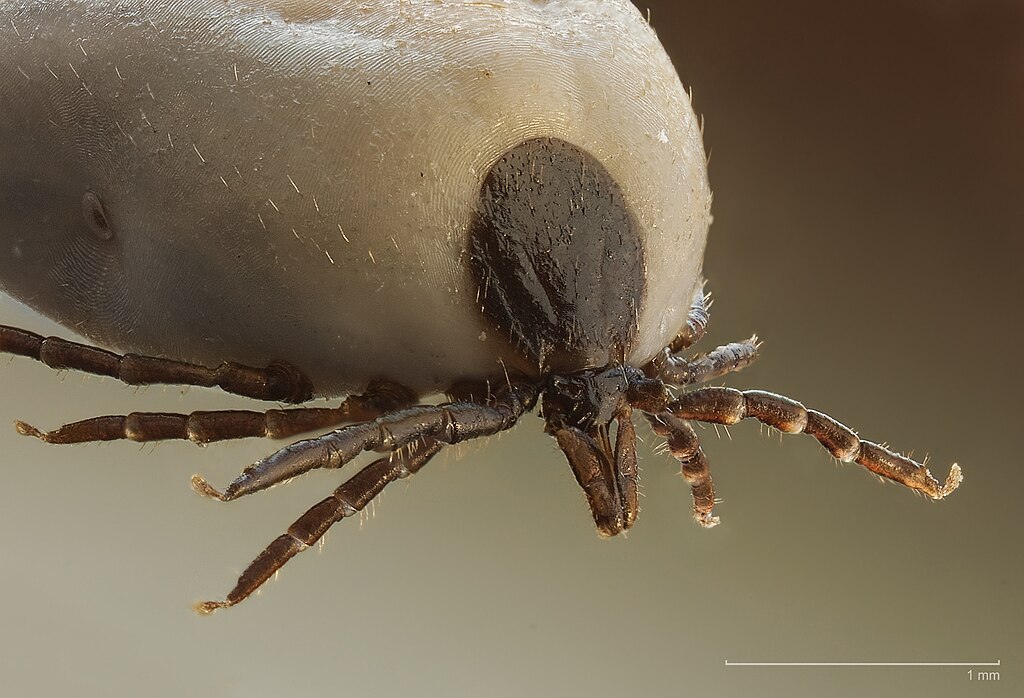
Parasitism is one of the oldest ecological relationships on Earth, dating back hundreds of millions of years before dinosaurs even evolved. Parasitic relationships occur when one organism (the parasite) benefits at the expense of another (the host), and this fundamental biological relationship has shaped evolution throughout time. Microscopic evidence from fossils shows that parasites existed in the Cambrian period over 500 million years ago, suggesting they were well-established by the time dinosaurs appeared in the Triassic period. The evolutionary arms race between parasites and hosts has been a powerful driver of biodiversity and adaptations across geological time. By understanding this ancient relationship, scientists can make informed inferences about parasitism in dinosaurs despite the challenges in preserving direct evidence of soft-bodied parasites in the fossil record.
Evidence from Amber: Prehistoric Ticks Preserved
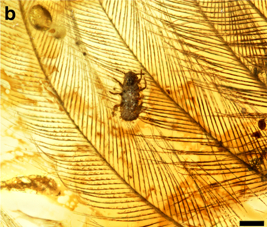
Perhaps the most compelling evidence for dinosaur parasites comes from amber deposits that have preserved ancient ticks in remarkable detail. In 2017, researchers discovered a 99-million-year-old piece of Burmese amber containing a tick grasping a dinosaur feather, providing direct evidence of parasitism on feathered dinosaurs. This extraordinary finding, published in the journal Nature Communications, represents the oldest known association between ticks and dinosaurs. Another amber specimen contained ticks engorged with blood, though the exact source of the blood could not be determined. These amber fossils serve as time capsules, freezing moments from the Cretaceous period and providing tangible evidence that ticks were feeding on dinosaurs just as they feed on birds and mammals today. The preservation quality in amber allows scientists to examine these ancient parasites with microscopic detail, revealing structures remarkably similar to modern ticks.
Fossil Evidence of Parasite-Like Damage
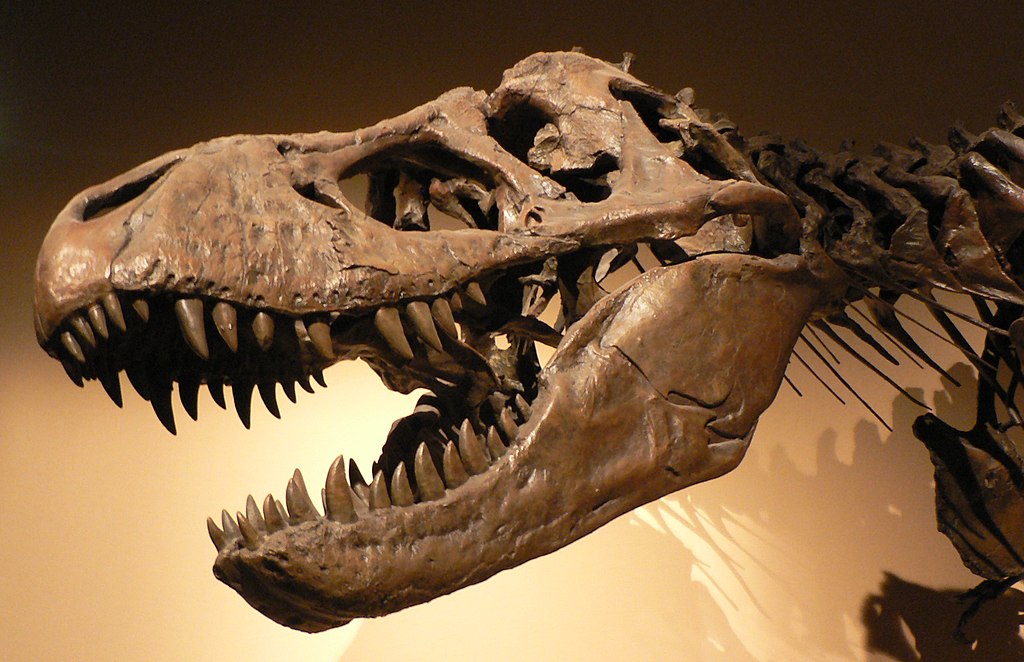
Beyond preserved parasites themselves, paleontologists have identified potential evidence of parasitic activity in dinosaur fossils. Some dinosaur bones show peculiar holes and lesions that resemble damage caused by modern parasites. For example, certain specimens of Tyrannosaurus rex exhibit jaw lesions similar to those caused by a modern parasitic infection called trichomonosis, which affects birds today. Researchers have also identified potential evidence of blood parasites in the bones of various dinosaur species, where distinct patterns of damage suggest the presence of organisms similar to modern blood parasites. In hadrosaur fossils, scientists have discovered unusual borings in bones that may represent evidence of parasitic infestations. These trace fossils, while not preserving the parasites themselves, provide indirect evidence of their existence and impact on dinosaur populations. The patterns of these lesions follow predictable biological principles, strengthening the case that they represent genuine parasite-host interactions rather than random taphonomic damage.
Modern Analogies: What Birds and Reptiles Tell Us

Birds and reptiles, the closest living relatives of dinosaurs, provide valuable analogies for understanding dinosaur parasitism. Modern birds host numerous external parasites including specialized bird lice, ticks, mites, and fleas, suggesting that their dinosaur ancestors likely harbored similar organisms. Reptiles like crocodilians and lizards contend with their own suite of parasites, including ticks adapted specifically to reptilian hosts. The evolutionary conservation of parasitic relationships across the archosaur lineage (which includes dinosaurs, birds, and crocodilians) suggests that dinosaurs almost certainly had their own specialized parasites. Scientists have observed that certain parasite groups show remarkable host fidelity over evolutionary time, with parasite lineages evolving alongside their hosts. This pattern of co-evolution supports the hypothesis that dinosaurs had well-established relationships with various parasites throughout their reign. By studying the parasite load and adaptations in modern archosaurs, researchers can make reasonable inferences about the types and impacts of parasites that would have affected dinosaurs.
Dinosaur Feathers: Prime Real Estate for Ectoparasites
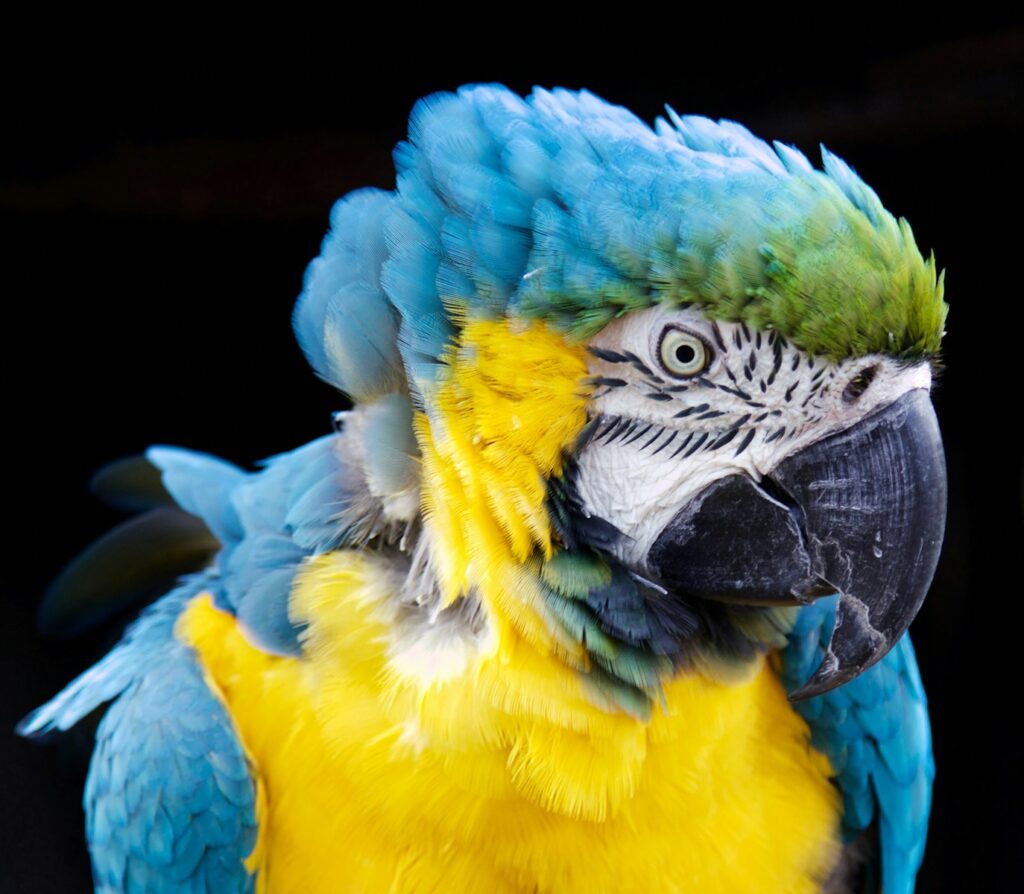
The discovery that many dinosaurs possessed feathers has significant implications for understanding their parasite ecology. In modern birds, feathers provide ideal habitats for various ectoparasites, including specialized feather mites and lice. Given that feathers evolved before birds, appearing first in non-avian dinosaurs, it’s reasonable to conclude that feathered dinosaurs faced similar parasite pressures. Microscopic examination of well-preserved dinosaur feathers has revealed damage patterns consistent with parasite feeding activity. The complex structure of feathers creates numerous microhabitats, from the feather shaft to the barbs and barbules, each potentially hosting different parasite species. Some researchers hypothesize that certain dinosaur behaviors, such as dust bathing or sunning, may have evolved partially as parasite control mechanisms, similar to behaviors observed in modern birds. The evolution of feathers would have created new ecological niches for parasites to exploit, potentially driving diversification of both dinosaur parasites and their defensive adaptations.
Blood-Feeding Parasites in the Mesozoic
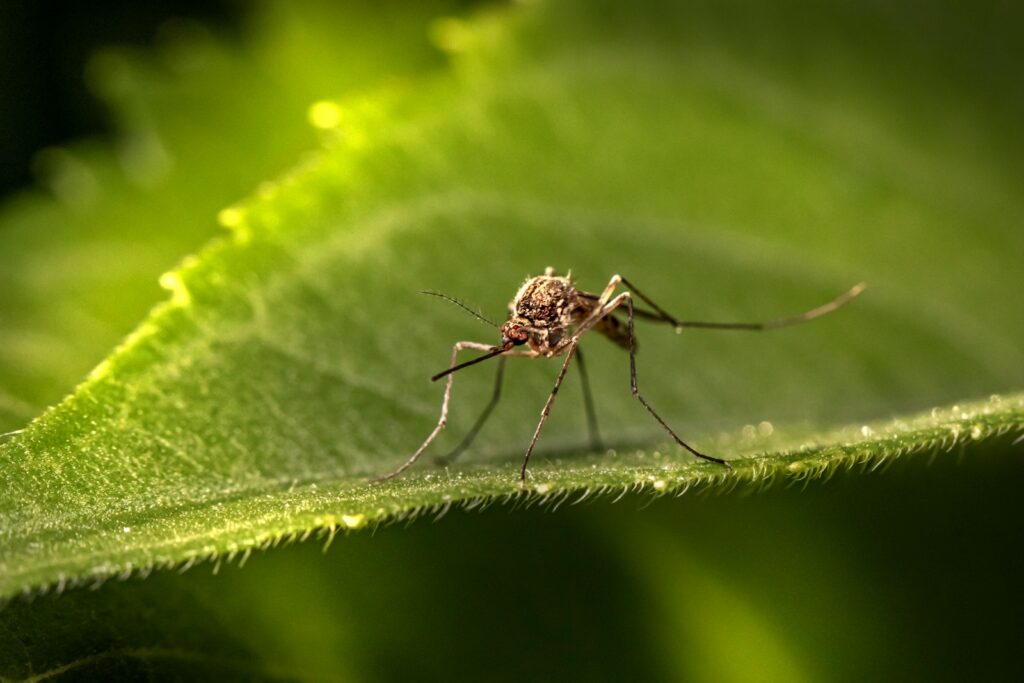
Blood-feeding parasites likely posed significant challenges to dinosaurs throughout the Mesozoic Era. The amber-preserved ticks found with dinosaur feathers represent just one group of hematophagous (blood-feeding) parasites that would have targeted dinosaurs. Fossil evidence indicates that mosquitoes and other blood-feeding insects had evolved by the Jurassic period, providing another potential vector for dinosaur parasitism. The large size and abundant blood supply of many dinosaur species would have made them attractive hosts for blood-feeding parasites. Modern studies show that blood parasites can significantly impact host fitness through anemia, disease transmission, and energy depletion. The co-evolution between dinosaurs and their blood-feeding parasites likely influenced aspects of dinosaur physiology, behavior, and even their immune systems. These hematophagous parasites may also have served as vectors for dinosaur pathogens, potentially transmitting diseases between individuals similar to how ticks and mosquitoes spread diseases among modern animals.
Internal Parasites: The Hidden Inhabitants
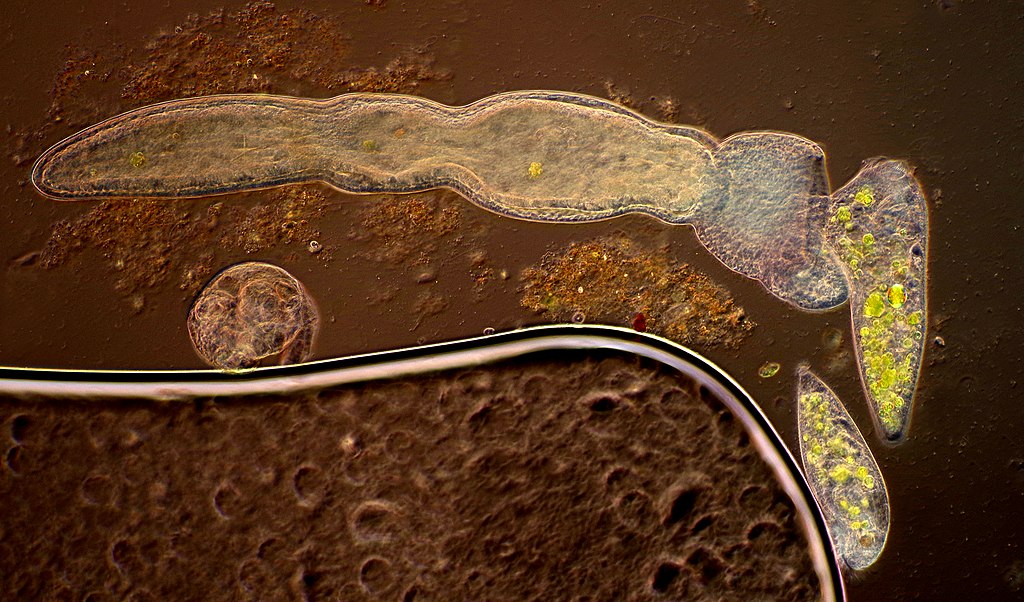
Beyond external parasites, dinosaurs almost certainly harbored a variety of internal parasites such as worms and protozoans. Though direct fossil evidence of soft-bodied internal parasites is exceptionally rare, coprolites (fossilized feces) occasionally preserve evidence of intestinal parasites. Analysis of dinosaur coprolites has revealed microscopic structures resembling parasite eggs in some specimens. Modern reptiles and birds host numerous endoparasites including nematodes, cestodes (tapeworms), trematodes (flukes), and various protozoans, suggesting their dinosaur relatives faced similar parasitic challenges. The digestive tracts of large herbivorous dinosaurs would have provided especially favorable environments for specialized gut parasites, possibly evolving unique adaptations to cope with the long digestive systems of sauropods and other large herbivores. Certain endoparasites may have completed complex life cycles involving dinosaurs as either intermediate or definitive hosts, similar to the life cycles observed in modern parasite species. The presence of these internal parasites would have influenced dinosaur health, nutrition, and potentially even their feeding behaviors.
Parasite-Induced Behavioral Adaptations
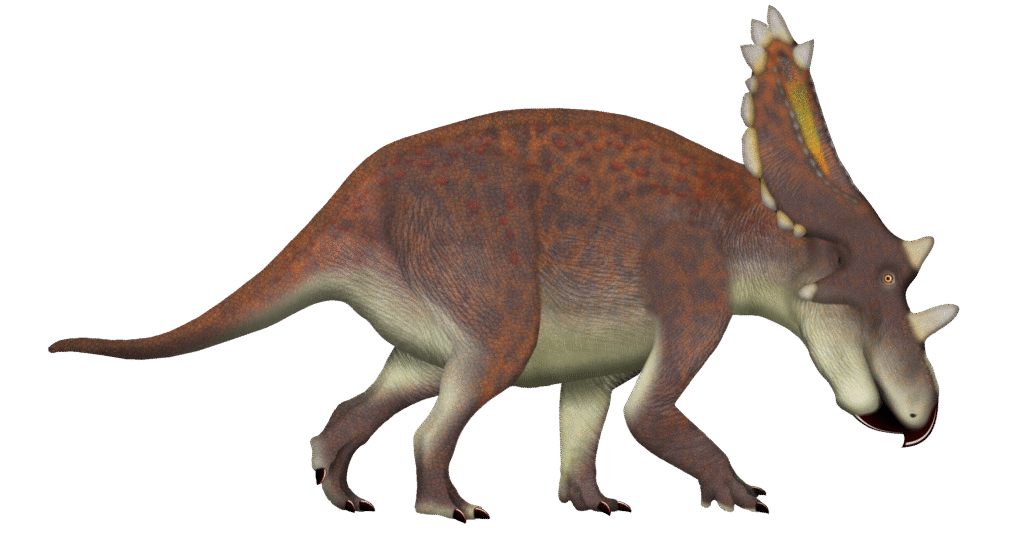
Parasites can dramatically influence host behavior, and dinosaurs likely evolved specific behavioral adaptations to combat parasitic infestations. Modern animals exhibit numerous anti-parasite behaviors such as grooming, dust bathing, mud wallowing, and specific dietary choices that help control parasite loads. The unusual postures observed in some dinosaur fossils might represent frozen moments of anti-parasite behaviors similar to those seen in contemporary animals. Social grooming, a behavior observed in many modern birds and mammals, may have occurred in gregarious dinosaur species as a method of parasite control. Some paleontologists suggest that certain dinosaur display features, like frills and crests, may have played a role in demonstrating parasite resistance to potential mates, similar to how ornamental features in modern animals can signal genetic fitness through parasite resistance. The evolution of these behavioral adaptations would have created selection pressures driving parasite counter-adaptations, fueling an evolutionary arms race throughout the Mesozoic Era.
The Potential Impact of Parasites on Dinosaur Health
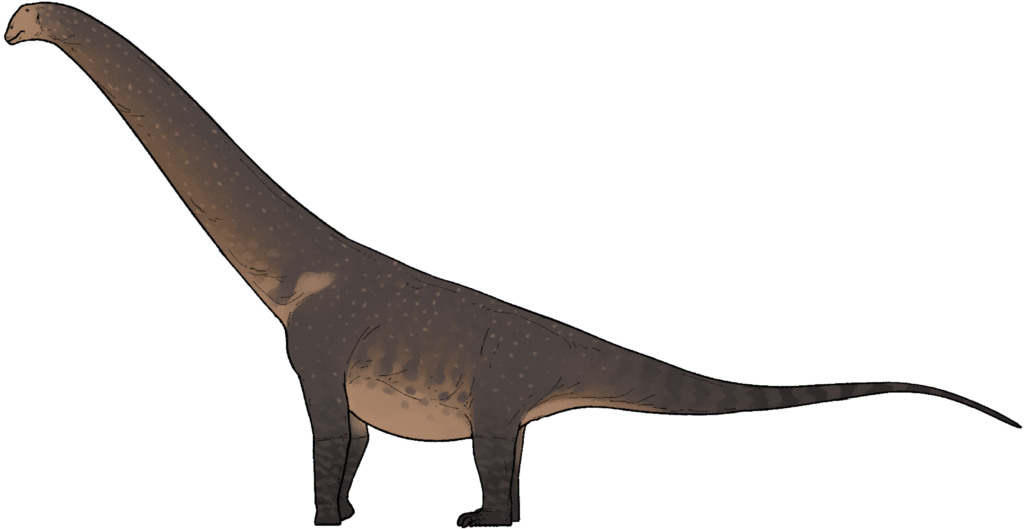
Parasites likely had significant impacts on dinosaur health and population dynamics throughout their evolutionary history. Heavy parasite loads can reduce host fitness through direct tissue damage, blood loss, and increased susceptibility to secondary infections. In modern ecosystems, parasites can influence population densities, affect competition between species, and even drive aspects of social structure. Large-bodied dinosaurs may have been particularly susceptible to certain parasites due to their long lifespans and potentially slower immune responses. The stress of parasitism could have compounded other challenges such as environmental changes, food scarcity, or injuries. Some researchers have even proposed that parasites may have contributed to dinosaur extinctions in certain contexts, though this remains speculative. Understanding the impact of parasites provides a more complete picture of the selection pressures that shaped dinosaur evolution and ecology throughout the Mesozoic Era.
Disease Vectors: Parasites as Dinosaur Pathogens
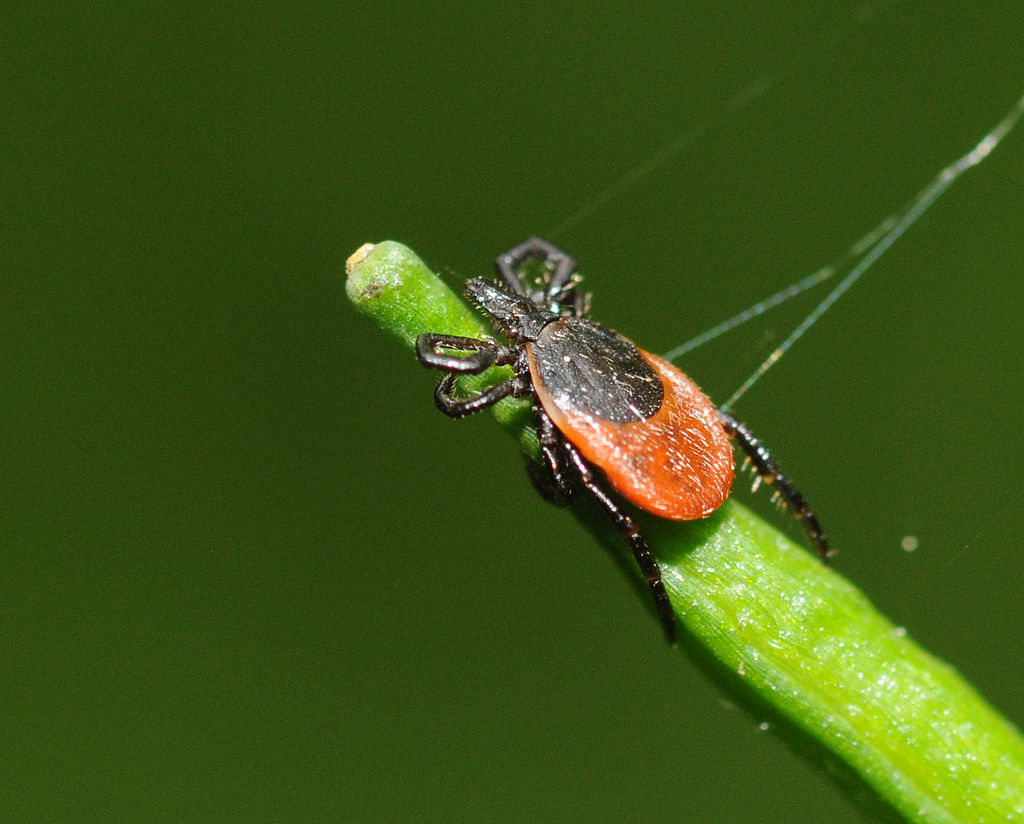
Beyond the direct effects of parasitism, parasites may have served as vectors for pathogens that caused diseases in dinosaur populations. Modern examples demonstrate how ticks, mosquitoes, and other hematophagous arthropods efficiently transmit viruses, bacteria, and protozoan parasites between vertebrate hosts. The amber-preserved ticks associated with dinosaur feathers could have transmitted blood-borne pathogens similar to modern tick-borne diseases. Large dinosaur herds would have created ideal conditions for disease transmission, potentially leading to epidemic outbreaks when new pathogens were introduced. The co-evolution between dinosaurs, their parasites, and vector-borne pathogens likely influenced aspects of dinosaur immunology and population dynamics. Evidence of healed injuries in many dinosaur fossils suggests they possessed effective immune systems capable of fighting infections, which would have been essential in responding to parasite-vectored diseases. While direct evidence of specific dinosaur diseases remains elusive, the fundamental principles of disease ecology strongly suggest that parasites played important roles as pathogen vectors in Mesozoic ecosystems.
Specialized Dinosaur Parasites: Potential for Unique Adaptations
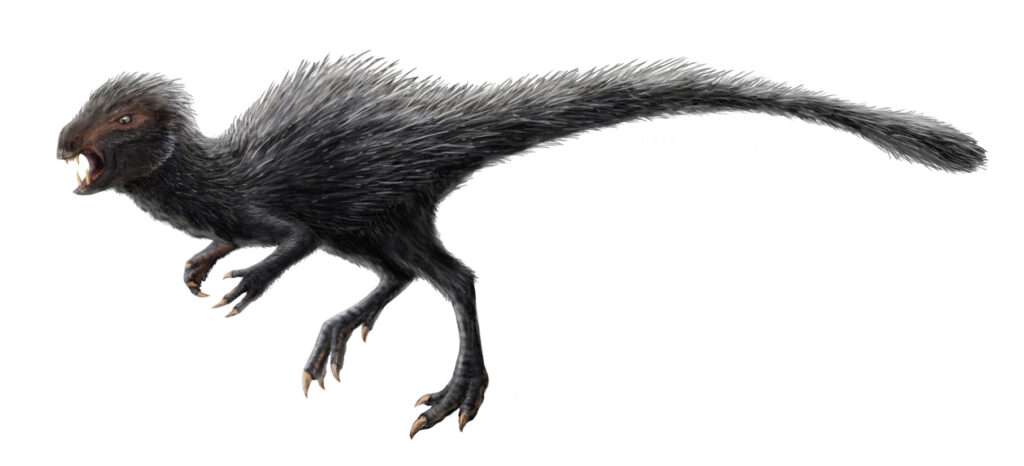
The remarkable diversity and specialization of dinosaurs likely fostered the evolution of equally diverse and specialized parasites. Modern host-parasite relationships often show high degrees of host specificity, with parasites adapting to the particular biology of their hosts. The extreme size range of dinosaurs, from chicken-sized compsognathids to massive sauropods, would have created opportunities for parasites to specialize for different host types. Unique dinosaur features like feathers, scales, dermal plates, and specialized digestive systems would have provided distinct niches for parasite exploitation and specialization. Some dinosaur parasites may have evolved extreme adaptations with no modern equivalents, given the unique anatomy and physiology of their hosts. The extinction of non-avian dinosaurs at the end of the Cretaceous period likely resulted in the co-extinction of many specialized parasite lineages that had evolved exclusively to exploit them. However, some generalist parasites may have survived by switching to bird or mammal hosts, potentially contributing to modern parasite diversity.
Research Challenges and Future Directions
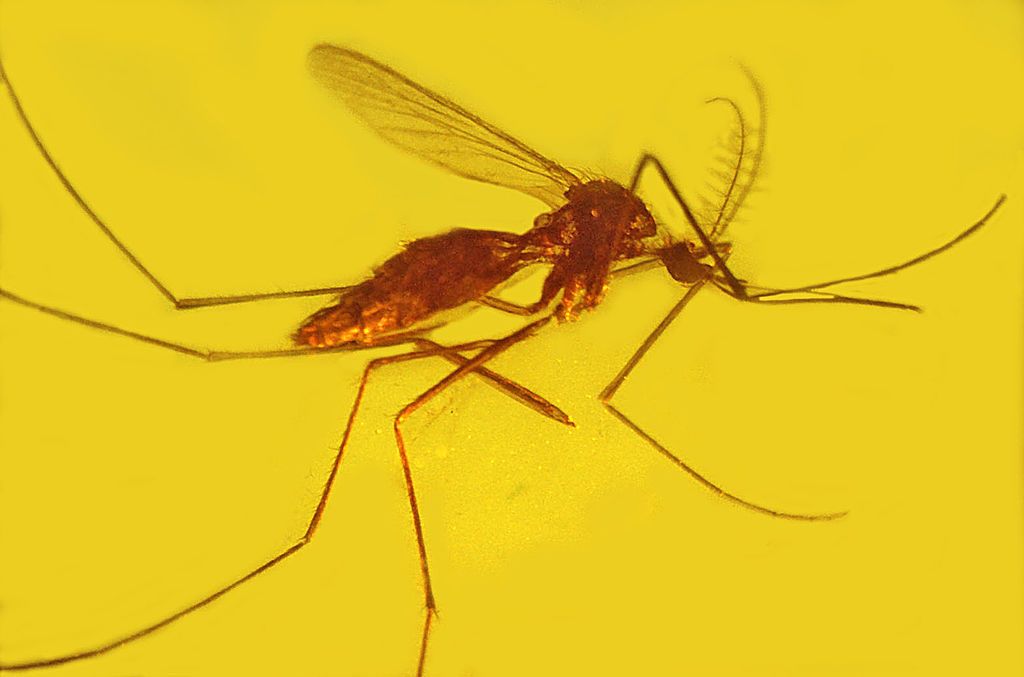
Studying dinosaur parasites presents unique challenges that continue to drive innovative research approaches. The soft-bodied nature of many parasites makes their fossilization exceptionally rare, requiring researchers to rely heavily on indirect evidence and modern analogies. Advanced imaging technologies like micro-CT scanning now allow scientists to examine fossils for internal structures and subtle surface features that might indicate parasite activity without damaging specimens. New amber discoveries from dinosaur-rich deposits continue to provide valuable windows into the smaller organisms that interacted with dinosaurs. DNA analysis of modern parasites can reveal evolutionary relationships that help scientists understand when certain parasite groups first appeared and which host lineages they originally targeted. Interdisciplinary approaches combining paleontology, parasitology, and comparative biology offer the most promising path forward for understanding the complex relationship between dinosaurs and their parasites. As research techniques continue to advance, our understanding of dinosaur parasitism will likely become increasingly nuanced, providing further insights into these fascinating prehistoric relationships.
Conclusion: The Complex Ecology of Dinosaur Parasitism
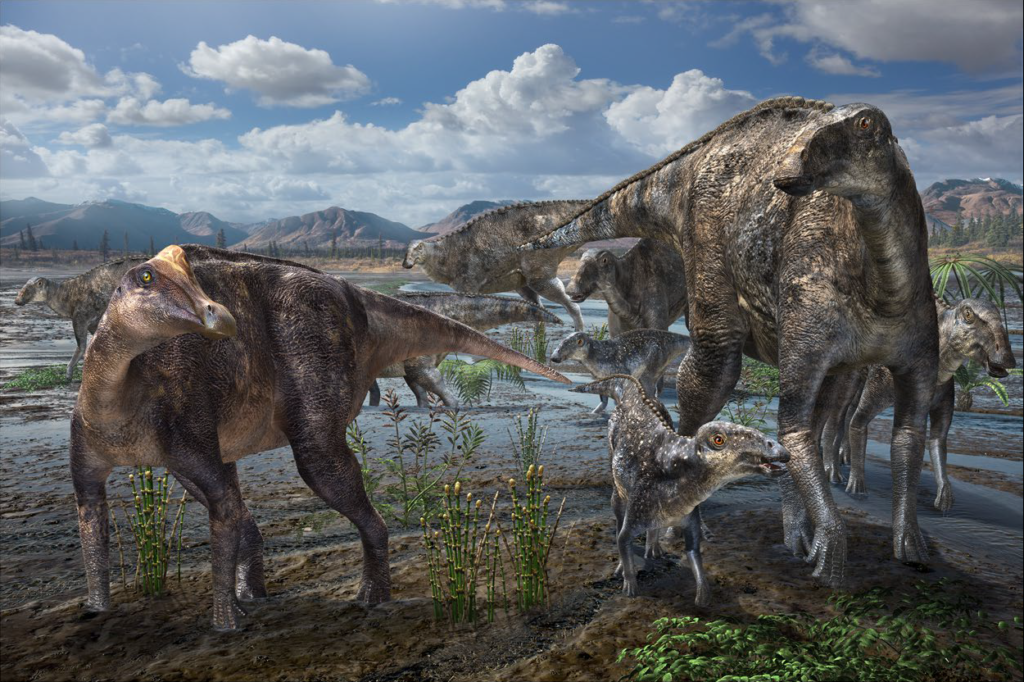
The evidence strongly suggests that dinosaurs, like all modern vertebrates, lived their lives under the persistent pressure of various parasites. From blood-feeding ticks preserved in amber to potential parasite damage in fossilized bones and the ubiquity of parasitism in modern ecosystems, multiple lines of evidence converge on a clear conclusion: parasites were an integral part of dinosaur ecology. These parasitic relationships would have influenced dinosaur evolution, behavior, health, and possibly even contributed to population dynamics throughout the Mesozoic Era. While many details remain speculative due to the limitations of the fossil record, the fundamental principles of parasite ecology and evolution allow scientists to make reasonable inferences about dinosaur-parasite interactions. As research continues to uncover new evidence and analytical techniques improve, our understanding of these ancient ecological relationships will continue to deepen, adding another fascinating dimension to our knowledge of how dinosaurs lived and interacted with their environment. The story of dinosaur parasitism reminds us that even the most dominant organisms on Earth exist within complex ecological networks where even the smallest creatures can exert significant evolutionary influence.